New Findings of How SARS-CoV-2 Actively Infects Mouth Explain Why COVID-19 Can Be Detected by Saliva Tests
|
By LabMedica International staff writers Posted on 23 Apr 2021 |


|
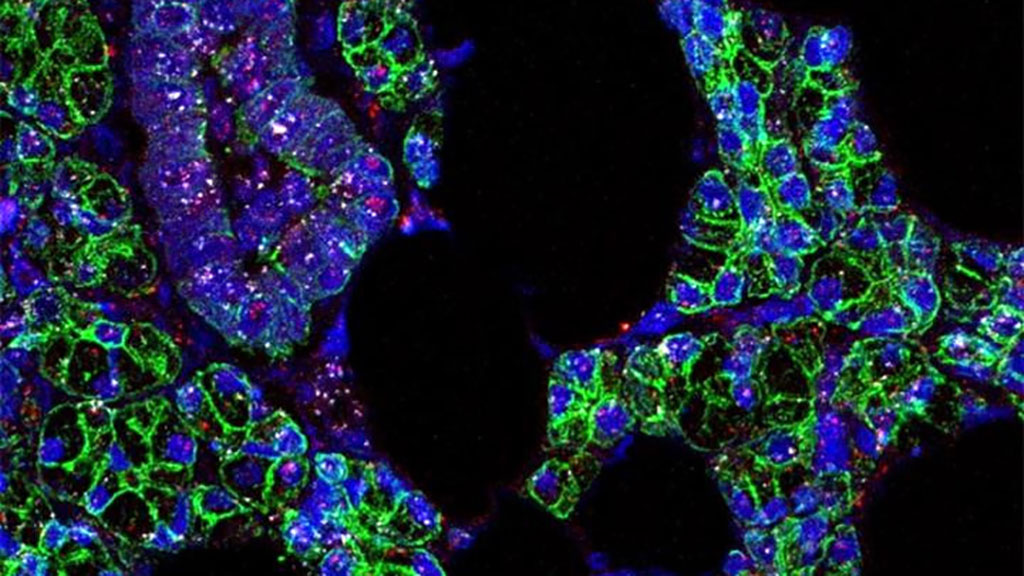
Image: SARS-CoV-2 (pink) and its preferred human receptor ACE2 (white) were found in human salivary gland cells (outlined in green) (Photo courtesy of Paola Perez, Warner Lab, National Institute of Dental and Craniofacial Research, NIH)
An international team of scientists has found evidence that the SARS-CoV-2 virus infects cells in the mouth, thus further confirming that saliva testing can be nearly as reliable as deep nasal swabbing for diagnosing COVID-19.
The findings of the study by researchers at the National Institute of Dental and Craniofacial Research (Bethesda, MD, USA) and the University of North Carolina (Chapel Hill, NC, USA) point to the possibility that the mouth plays a role in transmitting SARS-CoV-2 to the lungs or digestive system via saliva laden with virus from infected oral cells. While it's well known that the upper airways and lungs are primary sites of SARS-CoV-2 infection, there are clues the virus can infect cells in other parts of the body, such as the digestive system, blood vessels, kidneys and, as this new study shows, the mouth. The potential of the virus to infect multiple areas of the body might help explain the wide-ranging symptoms experienced by COVID-19 patients, including oral symptoms such as taste loss, dry mouth and blistering. A better understanding of the mouth's involvement could inform strategies to reduce viral transmission within and outside the body.
Researchers already know that the saliva of people with COVID-19 can contain high levels of SARS-CoV-2, and studies suggest that saliva testing is nearly as reliable as deep nasal swabbing for diagnosing COVID-19. What scientists don't entirely know, however, is where SARS-CoV-2 in the saliva comes from. In people with COVID-19 who have respiratory symptoms, virus in saliva possibly comes in part from nasal drainage or sputum coughed up from the lungs. But according to the researchers, that may not explain how the virus gets into the saliva of people who lack those respiratory symptoms.
To explore this possibility, the researchers surveyed oral tissues from healthy people to identify mouth regions susceptible to SARS-CoV-2 infection. Vulnerable cells contain RNA instructions for making "entry proteins" that the virus needs to get into cells. RNA for two key entry proteins - known as the ACE2 receptor and the TMPRSS2 enzyme - was found in certain cells of the salivary glands and tissues lining the oral cavity. In a small portion of salivary gland and gingival (gum) cells, RNA for both ACE2 and TMPRSS2 was expressed in the same cells. This indicated increased vulnerability because the virus is thought to need both entry proteins to gain access to cells.
Once the researchers had confirmed that parts of the mouth are susceptible to SARS-CoV-2, they looked for evidence of infection in oral tissue samples from people with COVID-19. In samples collected at NIH from COVID-19 patients who had died, SARS-CoV-2 RNA was present in just over half of the salivary glands examined. In salivary gland tissue from one of the people who had died, as well as from a living person with acute COVID-19, the scientists detected specific sequences of viral RNA that indicated cells were actively making new copies of the virus -- further bolstering the evidence for infection.
Once the team had found evidence of oral tissue infection, they wondered whether those tissues could be a source of the virus in saliva. This appeared to be the case. In people with mild or asymptomatic COVID-19, cells shed from the mouth into saliva were found to contain SARS-CoV-2 RNA, as well as RNA for the entry proteins. To determine if virus in saliva is infectious, the researchers exposed saliva from eight people with asymptomatic COVID-19 to healthy cells grown in a dish. Saliva from two of the volunteers led to infection of the healthy cells, raising the possibility that even people without symptoms might transmit infectious SARS-CoV-2 to others through saliva.
Finally, to explore the relationship between oral symptoms and virus in saliva, the team collected saliva from a separate group of 35 NIH volunteers with mild or asymptomatic COVID-19. Of the 27 people who experienced symptoms, those with virus in their saliva were more likely to report loss of taste and smell, suggesting that oral infection might underlie oral symptoms of COVID-19. Taen together, the researchers said, the study's findings suggest that the mouth, via infected oral cells, plays a bigger role in SARS-CoV-2 infection than previously thought. More research will be needed to confirm the findings in a larger group of people and to determine the exact nature of the mouth's involvement in SARS-CoV-2 infection and transmission within and outside the body.
"By revealing a potentially underappreciated role for the oral cavity in SARS-CoV-2 infection, our study could open up new investigative avenues leading to a better understanding of the course of infection and disease. Such information could also inform interventions to combat the virus and alleviate oral symptoms of COVID-19," said Blake M. Warner, D.D.S., Ph.D., M.P.H., assistant clinical investigator and chief of NIDCR's Salivary Disorders Unit, who led the study.
Related Links:
National Institute of Dental and Craniofacial Research
University of North Carolina



The findings of the study by researchers at the National Institute of Dental and Craniofacial Research (Bethesda, MD, USA) and the University of North Carolina (Chapel Hill, NC, USA) point to the possibility that the mouth plays a role in transmitting SARS-CoV-2 to the lungs or digestive system via saliva laden with virus from infected oral cells. While it's well known that the upper airways and lungs are primary sites of SARS-CoV-2 infection, there are clues the virus can infect cells in other parts of the body, such as the digestive system, blood vessels, kidneys and, as this new study shows, the mouth. The potential of the virus to infect multiple areas of the body might help explain the wide-ranging symptoms experienced by COVID-19 patients, including oral symptoms such as taste loss, dry mouth and blistering. A better understanding of the mouth's involvement could inform strategies to reduce viral transmission within and outside the body.
Researchers already know that the saliva of people with COVID-19 can contain high levels of SARS-CoV-2, and studies suggest that saliva testing is nearly as reliable as deep nasal swabbing for diagnosing COVID-19. What scientists don't entirely know, however, is where SARS-CoV-2 in the saliva comes from. In people with COVID-19 who have respiratory symptoms, virus in saliva possibly comes in part from nasal drainage or sputum coughed up from the lungs. But according to the researchers, that may not explain how the virus gets into the saliva of people who lack those respiratory symptoms.
To explore this possibility, the researchers surveyed oral tissues from healthy people to identify mouth regions susceptible to SARS-CoV-2 infection. Vulnerable cells contain RNA instructions for making "entry proteins" that the virus needs to get into cells. RNA for two key entry proteins - known as the ACE2 receptor and the TMPRSS2 enzyme - was found in certain cells of the salivary glands and tissues lining the oral cavity. In a small portion of salivary gland and gingival (gum) cells, RNA for both ACE2 and TMPRSS2 was expressed in the same cells. This indicated increased vulnerability because the virus is thought to need both entry proteins to gain access to cells.
Once the researchers had confirmed that parts of the mouth are susceptible to SARS-CoV-2, they looked for evidence of infection in oral tissue samples from people with COVID-19. In samples collected at NIH from COVID-19 patients who had died, SARS-CoV-2 RNA was present in just over half of the salivary glands examined. In salivary gland tissue from one of the people who had died, as well as from a living person with acute COVID-19, the scientists detected specific sequences of viral RNA that indicated cells were actively making new copies of the virus -- further bolstering the evidence for infection.
Once the team had found evidence of oral tissue infection, they wondered whether those tissues could be a source of the virus in saliva. This appeared to be the case. In people with mild or asymptomatic COVID-19, cells shed from the mouth into saliva were found to contain SARS-CoV-2 RNA, as well as RNA for the entry proteins. To determine if virus in saliva is infectious, the researchers exposed saliva from eight people with asymptomatic COVID-19 to healthy cells grown in a dish. Saliva from two of the volunteers led to infection of the healthy cells, raising the possibility that even people without symptoms might transmit infectious SARS-CoV-2 to others through saliva.
Finally, to explore the relationship between oral symptoms and virus in saliva, the team collected saliva from a separate group of 35 NIH volunteers with mild or asymptomatic COVID-19. Of the 27 people who experienced symptoms, those with virus in their saliva were more likely to report loss of taste and smell, suggesting that oral infection might underlie oral symptoms of COVID-19. Taen together, the researchers said, the study's findings suggest that the mouth, via infected oral cells, plays a bigger role in SARS-CoV-2 infection than previously thought. More research will be needed to confirm the findings in a larger group of people and to determine the exact nature of the mouth's involvement in SARS-CoV-2 infection and transmission within and outside the body.
"By revealing a potentially underappreciated role for the oral cavity in SARS-CoV-2 infection, our study could open up new investigative avenues leading to a better understanding of the course of infection and disease. Such information could also inform interventions to combat the virus and alleviate oral symptoms of COVID-19," said Blake M. Warner, D.D.S., Ph.D., M.P.H., assistant clinical investigator and chief of NIDCR's Salivary Disorders Unit, who led the study.
Related Links:
National Institute of Dental and Craniofacial Research
University of North Carolina

Gold Member
SARS-CoV-2 Reactive & Non-Reactive Controls
Qnostics SARS-CoV-2 Typing
New
HPV Molecular Test
BD Onclarity HPV Assay
New
POC Immunoassay Analyzer
Procise DX
Latest COVID-19 News
- New Immunosensor Paves Way to Rapid POC Testing for COVID-19 and Emerging Infectious Diseases
- Long COVID Etiologies Found in Acute Infection Blood Samples
- Novel Device Detects COVID-19 Antibodies in Five Minutes
- CRISPR-Powered COVID-19 Test Detects SARS-CoV-2 in 30 Minutes Using Gene Scissors
- Gut Microbiome Dysbiosis Linked to COVID-19
- Novel SARS CoV-2 Rapid Antigen Test Validated for Diagnostic Accuracy
- New COVID + Flu + R.S.V. Test to Help Prepare for `Tripledemic`
- AI Takes Guesswork Out Of Lateral Flow Testing
- Fastest Ever SARS-CoV-2 Antigen Test Designed for Non-Invasive COVID-19 Testing in Any Setting
- Rapid Antigen Tests Detect Omicron, Delta SARS-CoV-2 Variants
- Health Care Professionals Showed Increased Interest in POC Technologies During Pandemic, Finds Study
- Set Up Reserve Lab Capacity Now for Faster Response to Next Pandemic, Say Researchers
- Blood Test Performed During Initial Infection Predicts Long COVID Risk
- Low-Cost COVID-19 Testing Platform Combines Sensitivity of PCR and Speed of Antigen Tests
- Finger-Prick Blood Test Identifies Immunity to COVID-19
- Quick Test Kit Determines Immunity Against COVID-19 and Its Variants
Channels
Clinical Chemistry
view channel
AI-Based Blood Test Diagnose Multiple Brain Disorders from Blood Sample
Diagnosing the cause of age-related cognitive symptoms remains challenging because clinical presentations of neurodegenerative diseases often overlap, and multiple pathologies can co-occur... Read more
New CLIA Status Brings Mass Spectrometry Steroid Testing to Routine Labs
Steroid hormone measurement is a core application of clinical mass spectrometry, which is widely regarded as a diagnostic gold standard. Access to these high-specificity methods has often been constrained... Read more

Molecular Diagnostics
view channel
RNA Profiling Uncovers Therapeutic Targets in Solid Tumors
Many patients with advanced solid tumors exhaust broad DNA panel testing yet still lack biomarkers that match guideline-recommended therapies, limiting access to targeted options. Expanding molecular profiling... Read more
Whole Genome Sequencing in Routine Care Expands Rare Disease Detection
Rare diseases often involve prolonged diagnostic journeys that delay clinical decision-making and complicate family planning. As phenotypes become more heterogeneous, sequencing-based methods are increasingly... Read more
Hematology
view channel
Rapid Cartridge-Based Test Aims to Expand Access to Hemoglobin Disorder Diagnosis
Sickle cell disease and beta thalassemia are hemoglobin disorders that often require referral to specialized laboratories for definitive diagnosis, delaying results for patients and clinicians.... Read more
New Guidelines Aim to Improve AL Amyloidosis Diagnosis
Light chain (AL) amyloidosis is a rare, life-threatening bone marrow disorder in which abnormal amyloid proteins accumulate in organs. Approximately 3,260 people in the United States are diagnosed... Read more

Immunology
view channel
Antibody Blood Test Identifies Active TB and Distinguishes Latent Infection
Active tuberculosis (TB) remains a leading cause of death and illness worldwide, yet distinguishing contagious disease from latent infection continues to challenge clinicians. Standard screening tools... Read more
FDA Approval Expands Use of PD-L1 Companion Diagnostic in Esophageal and GEJ Carcinomas
Esophageal and gastroesophageal junction carcinomas (GEJ) have a poor prognosis, with approximately 16,250 deaths in the United States in 2025 and a five-year relative survival of 21.9%.... Read more
Study Identifies Inflammatory Pathway Driving Immunotherapy Resistance in Bladder Cancer
Bladder cancer remains a prevalent malignancy with variable responses to immune checkpoint inhibitors. Clinicians often observe elevated C-reactive protein and interleukin-6 in affected patients, yet the... Read more
Microbiology
view channel
New Bacterial Target Identified for Early Detection of Noma
Noma is a rapidly progressing orofacial infection that begins as gingivitis and can destroy oral and facial tissues, primarily affecting young children living in extreme poverty. Without treatment, it... Read more
Genomic Analysis Links Emerging Streptococcal Strains to Specific Infections
Streptococcus dysgalactiae subspecies equisimilis (SDSE) infections are increasing worldwide and include variants that may lead to severe disease. Researchers now report that whole-genome sequencing of... Read more
Pathology
view channel
AI Tool Predicts Patient-Specific Chemotherapy Benefit in Breast Cancer
Selecting adjuvant chemotherapy for early-stage breast cancer is typically guided by recurrence risk and population-level averages rather than patient-specific benefit. However, existing clinicopathologic... Read more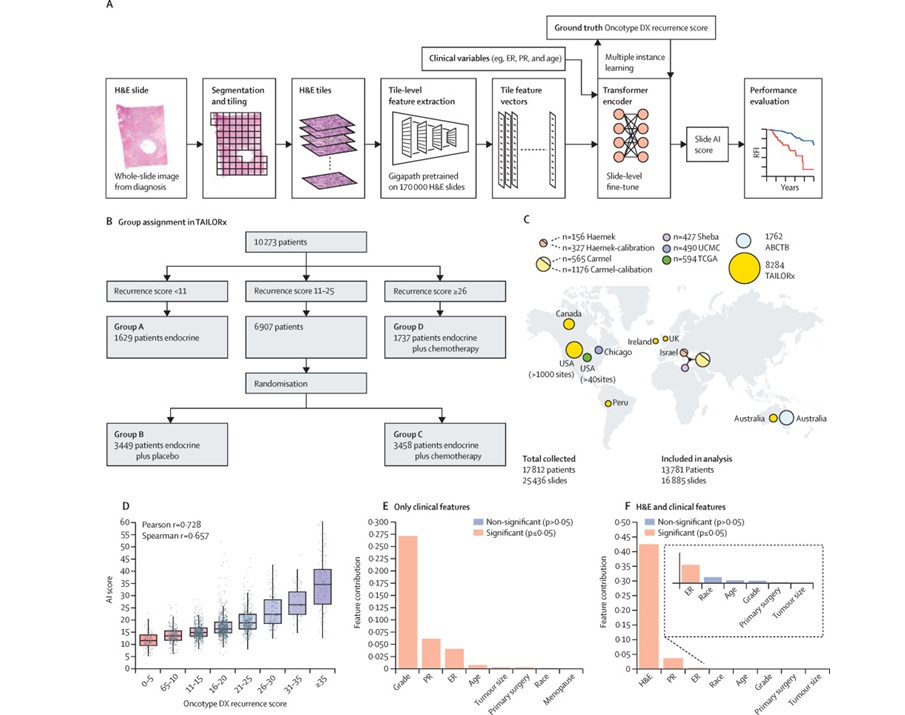
AI-Based Pathology Model Guides Chemotherapy Decisions in Breast Cancer
Selecting adjuvant chemotherapy for early-stage breast cancer remains a difficult decision because only a subset benefits and many undergo toxicity without gain. Genomic assays can help but are costly,... Read more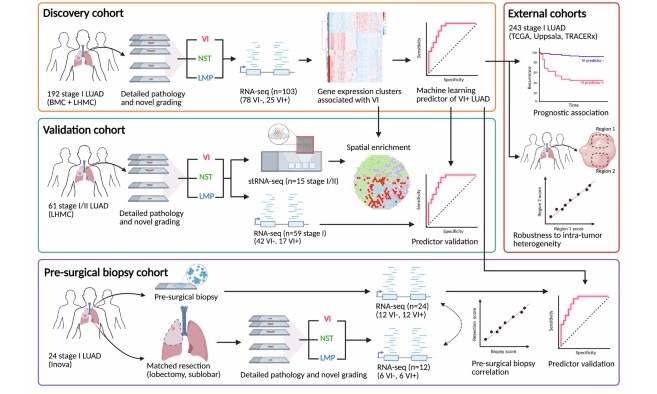
Technology
view channel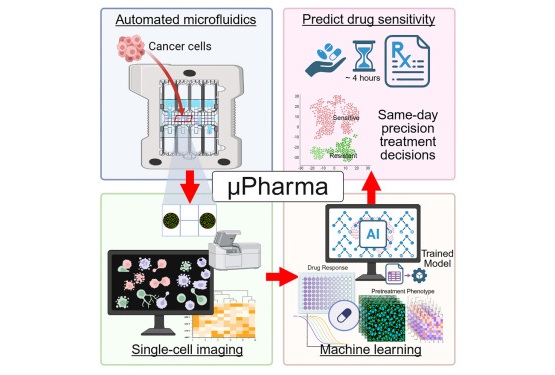
New AI Tool Enables Rapid Treatment Selection in Pediatric Leukemia
Children with T-cell acute lymphoblastic leukemia face an aggressive disease that remains difficult to treat. Although remission rates have improved, many survivors experience long-term effects from intensive... Read more
Breakthrough Mass Spectrometry Design Could Enable Ultra-Low Abundance Detection
Mass spectrometry is central to identifying and quantifying molecules in complex biological samples, but conventional instruments typically analyze ions sequentially, which can limit detection of rare species.... Read more

Industry
view channel
Takara Bio USA and Hamilton Partner Partner to Automate NGS Library Preparation
Takara Bio USA, Inc. (San Jose, CA, USA), a wholly owned subsidiary of Takara Bio Inc., and Hamilton Company (Reno, NV, USA) announced a development and co-marketing agreement to deliver integrated, automated... Read more