New Guidelines Aim to Improve AL Amyloidosis Diagnosis
Posted on 02 Feb 2026
Light chain (AL) amyloidosis is a rare, life-threatening bone marrow disorder in which abnormal amyloid proteins accumulate in organs. Approximately 3,260 people in the United States are diagnosed with AL amyloidosis each year, and diagnosis typically takes about three years as patients see multiple specialists before identification. The disease remains difficult to recognize because symptoms such as fatigue, dyspnea, and gastrointestinal upset are common to many conditions. The American Society of Hematology (ASH) has now published new clinical practice guidelines that aim to improve and accelerate diagnosis of AL amyloidosis by outlining best practices for evaluating patients with suspected disease.
Published January 27, 2026, in ASH’s peer-reviewed journal Blood Advances, the guidelines were developed through a rigorous evidence-based review and are intended to improve and accelerate diagnostic pathways. Grounded in the latest research, they were created by a multidisciplinary expert panel that included a patient advocate and present 12 distinct recommendations to support the timely diagnosis of AL amyloidosis.
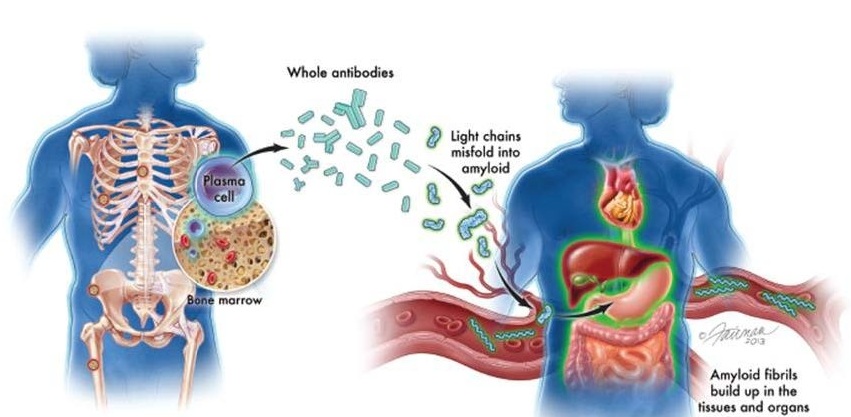
The recommendations call for initial blood and urine testing to assess protein and circulating light chain levels when AL amyloidosis is suspected. For diagnostic confirmation, the guidelines support bone marrow biopsy coupled with fat pad sampling and, in selected cases, advises biopsy of affected organs such as the heart, kidneys, or liver. In addition to the clinical recommendations, the panel conducted a comprehensive literature review to catalog common clinical signs and symptoms of systemic amyloidosis; this review is also published in Blood Advances.
“These guidelines will be a valuable resource not only for hematologists, but for clinicians across other specialties who care for patients with AL amyloidosis,” said Robert Negrin, MD, ASH President. “Because this is a rare and often underrecognized disorder, these recommendations are particularly important for coordinating care and increasing awareness.”
“For these patients, time is of the essence,” said Vishal Kukreti, MD, chair of the ASH Guidelines on Diagnosis of Light Chain Amyloidosis and a malignant hematologist at Princess Margaret Cancer Centre. “These guidelines will help clinicians across disciplines think of this disease in the right scenarios and provide them the necessary tools to obtain a clear, accurate diagnosis as quickly as possible.”