New Molecular Test Boosts Accuracy of Bile Duct Cancer Diagnosis
Posted on 31 Mar 2026
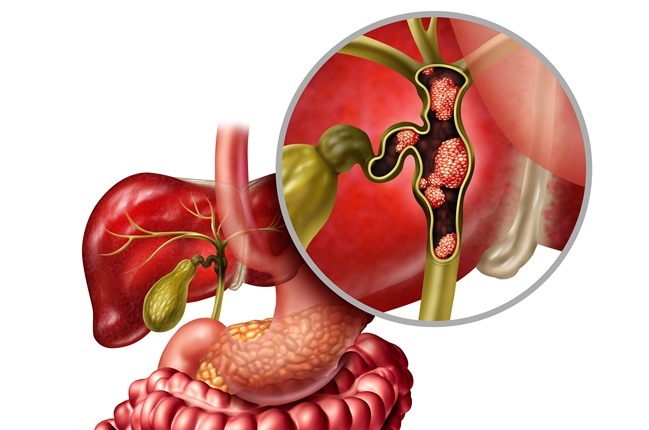
Bile duct strictures can arise from cancer or benign disease, but their location within ducts connecting the liver, gallbladder, and intestines complicates evaluation. Standard biopsy and cytology may miss malignancy, and uncertainty can delay treatment decisions for this rare cancer. Tumors are often small, difficult to reach, and confounded by inflammation or scar tissue. Researchers now present a molecular testing approach that markedly improves diagnostic yield.
UPMC Hillman Cancer Center and the University of Pittsburgh School of Medicine developed BiliSeq, a molecular test that detected bile duct cancer with twice the sensitivity of the standard test, providing a more accurate diagnostic picture. The assay addresses limitations of traditional pathology by detecting cancer-associated genetic mutations in bile duct tissue. It functions even when tumor cells are sparse, damaged, or indistinguishable from inflammation under the microscope. BiliSeq is not a screening test; it is intended for patients with bile duct narrowing or obstructions who require a clearer diagnosis.
Published in Gastroenterology, the real-world study evaluated BiliSeq over six years in more than 2,000 patients across the United States, analyzing nearly 3,000 bile duct specimens. The large, prospective, multi-institutional, real-time design reflects routine clinical practice.
BiliSeq detected approximately 82% of bile duct cancers compared with 44% for pathology alone. When combined with pathology, cancer detection rose to nearly 90% while rarely misclassifying benign disease as malignant. In high-risk populations, including patients with primary sclerosing cholangitis (PSC) and Hispanic patients, pathology alone could miss up to half of cancers; pairing pathology with BiliSeq identified up to 86% of cases.
The study also showed that BiliSeq provided treatment-relevant genetic information in about one in five patients, and in nearly one-third of those instances clinicians changed management. At UPMC, BiliSeq results are already being used alongside standard evaluation to help inform liver transplant decision-making in select patients. The article is titled “DNA/RNA-Based Next-Generation Sequencing (NGS) Improves the Early Diagnosis and Management of Neoplastic Bile Duct Strictures.”
“For decades, in bile duct cancer we’ve known that a negative biopsy doesn’t always rule out cancer. That uncertainty drives repeat testing and sometimes surgery without clear answers,” said Adam Slivka, M.D., Ph.D., professor of medicine in the Division of Gastroenterology, Hepatology and Nutrition at Pitt.
“We receive and analyze samples from patients at medical centers across the country. For these patients, BiliSeq means less testing, less waiting and more options,” said Dr. Slivka.
Related Links
University of Pittsburgh School of Medicine
UPMC Hillman Cancer Center