Study Identifies Inflammatory Pathway Driving Immunotherapy Resistance in Bladder Cancer
Posted on 27 Mar 2026
Bladder cancer remains a prevalent malignancy with variable responses to immune checkpoint inhibitors. Clinicians often observe elevated C-reactive protein and interleukin-6 in affected patients, yet the biological link to intratumoral immune dysfunction has been unclear. Pinpointing resistance mechanisms is essential for refining patient selection and therapeutic strategies. A new study shows that systemic inflammatory signals correspond to specific tumor macrophage programs that suppress antitumor immunity and blunt immunotherapy benefit.
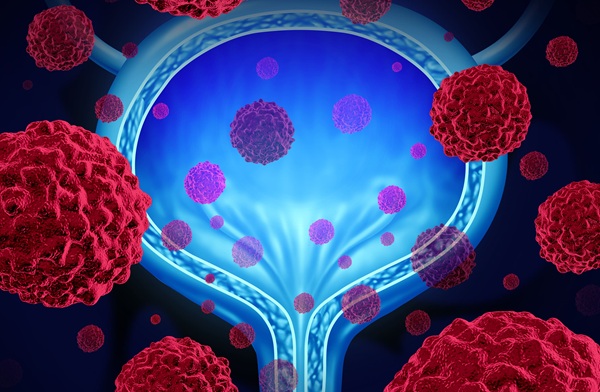
Researchers at the Icahn School of Medicine at Mount Sinai and the Mount Sinai Tisch Cancer Center have identified a tumor-promoting inflammatory axis involving SPP1+ macrophages, interleukin-6 (IL-6), and C-reactive protein (CRP) that contributes to immune dysfunction in bladder cancer. In this framework, elevated blood levels of IL-6 and CRP are linked to a population of SPP1+ macrophages within the tumor that suppress T-cell activity. This immunosuppressive environment is associated with reduced effectiveness of immune checkpoint inhibitors.
Mount Sinai scientists analyzed bladder tumor samples using advanced genetic tools, building what they describe as the largest single‑cell atlas of bladder tumors to date. They integrated these data with RNA sequencing from multiple patient cohorts treated with immunotherapy. This multi‑dataset approach linked systemic inflammatory biomarkers with defined myeloid cell programs inside the tumor microenvironment.
The study found that tumors from patients with elevated IL‑6 in blood were more likely to harbor SPP1+ macrophages that suppress T cells, in part via IL‑6–related signaling pathways. By contrast, a macrophage subset marked by CXCL9 correlated with T‑cell activation and stronger antitumor immune responses. Together, the results illustrate a direct connection between readily measured systemic inflammation and intratumoral immune suppression that can limit checkpoint inhibitor efficacy.
The authors note that these findings support ongoing and future clinical trials evaluating agents that target IL‑6 signaling and related inflammatory pathways alongside immunotherapy. They also suggest that commonly used blood tests could offer pre‑treatment insight into the tumor immune milieu. The study was published on February 27, 2026, in Cancer Discovery.
“For clinicians, these results suggest that commonly used blood tests may provide insight into what is happening inside a patient’s tumor before treatment begins,” said Matthew Galsky, Director of Genitourinary Medical Oncology at the Mount Sinai Tisch Cancer Center. “This framework may help identify patients who are more likely to have resistance to immunotherapy and support testing new combination treatment strategies.”
Related Links
Mount Sinai Tisch Cancer Center
The Icahn School of Medicine at Mount Sinai