Eurofins Launches New Multiplex PCR Assay for Rapid Detection of B.1.617 Kappa SARS-CoV-2 Variant
|
By LabMedica International staff writers Posted on 04 Jun 2021 |


|
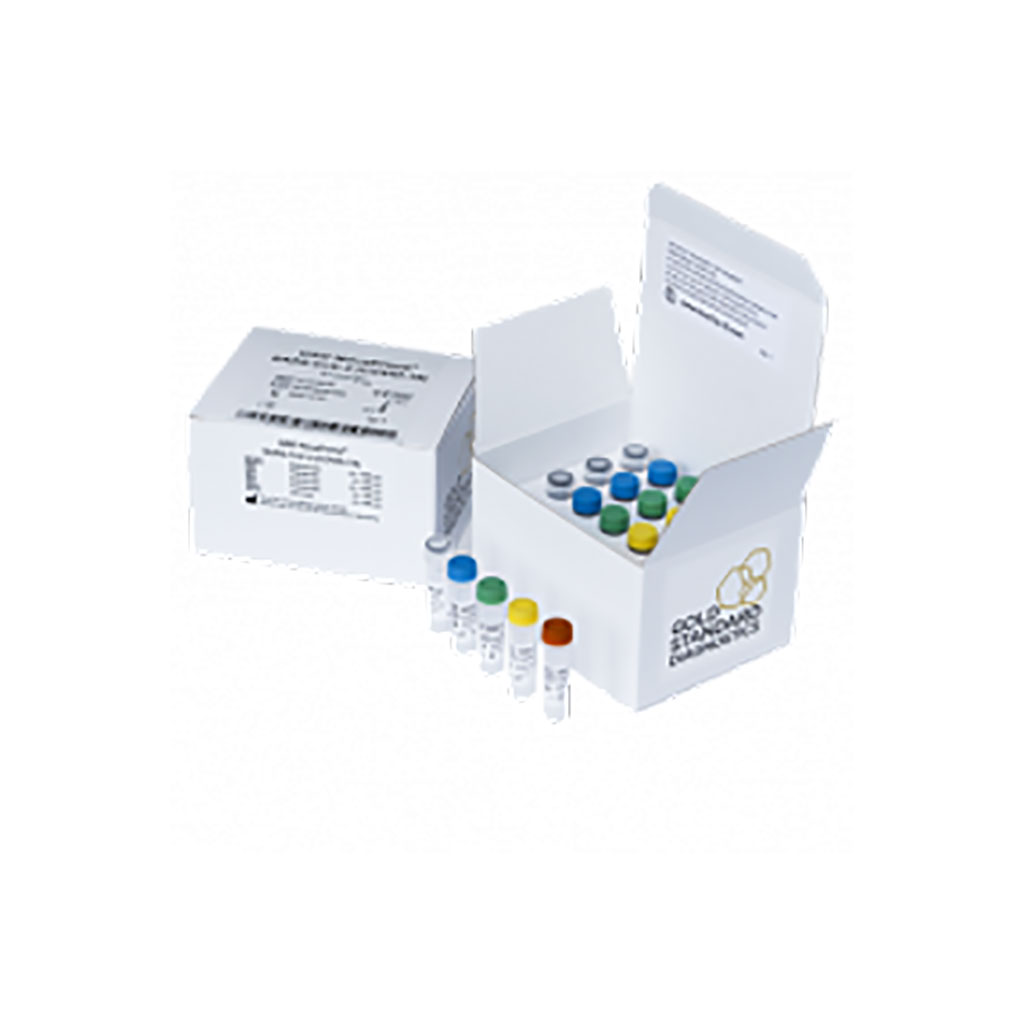
Image: GSD NovaType III SARS-CoV-2 RT-PCR assay (Photo courtesy of Eurofins Technologies)
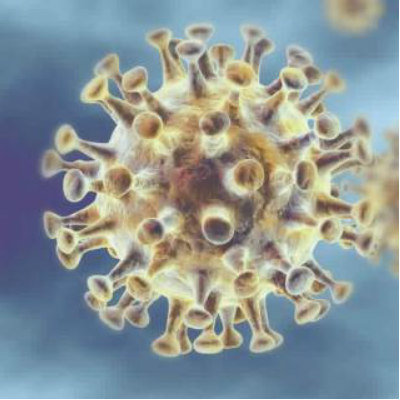
Eurofins Technologies (Ebersberg, Germany) has launched its GSD NovaType III SARS-CoV-2 RT-PCR assay, developed for the rapid detection of SARS-CoV-2 Variants of Concern including B.1.617 (India), B.1.427/B.1.429 (California/USA), B.1.351 (South Africa) or P.1 (Brazil).
The assay facilitates the identification of the relevant mutations E484Q, E484K and L452R in one reaction combined with the simultaneous discrimination from the S gene E484 wildtype variant. These mutations have been associated with reports of potential decreased efficacy of certain vaccines and an increase in the transmissibility of the virus.
GSD NovaType III SARS-CoV-2 is the latest addition to the GSD NovaType product line, a continuously updated panel of single and multiplex assays for the screening and detection of emerging Variants of Concern (VOC) and of Interest (VOI) on positive samples. These assays may play an important role in the fight against COVID-19 by enabling the rapid identification of new variants that may endanger the success of global vaccination campaigns and the implementation of enhanced isolation, testing and vaccination measures in affected areas. GSD NovaType III SARS-CoV-2 will be available as a research-use-only kit by the June 9. A CE marked version is expected by the second half of June.





The assay facilitates the identification of the relevant mutations E484Q, E484K and L452R in one reaction combined with the simultaneous discrimination from the S gene E484 wildtype variant. These mutations have been associated with reports of potential decreased efficacy of certain vaccines and an increase in the transmissibility of the virus.
GSD NovaType III SARS-CoV-2 is the latest addition to the GSD NovaType product line, a continuously updated panel of single and multiplex assays for the screening and detection of emerging Variants of Concern (VOC) and of Interest (VOI) on positive samples. These assays may play an important role in the fight against COVID-19 by enabling the rapid identification of new variants that may endanger the success of global vaccination campaigns and the implementation of enhanced isolation, testing and vaccination measures in affected areas. GSD NovaType III SARS-CoV-2 will be available as a research-use-only kit by the June 9. A CE marked version is expected by the second half of June.

Platinum Member
Fully Automatic ACLIA Analyzer
MAGLUMI X8
Gold Member
SARS-CoV-2 PCR Test
Macurra SARS-CoV-2 PCR Kit
Automated Clinical Chemistry Analyzer
Envoy 500+
Manual Pipetting Aid
Pipette Controllers macro
Latest COVID-19 News
- New Immunosensor Paves Way to Rapid POC Testing for COVID-19 and Emerging Infectious Diseases
- Long COVID Etiologies Found in Acute Infection Blood Samples
- Novel Device Detects COVID-19 Antibodies in Five Minutes
- CRISPR-Powered COVID-19 Test Detects SARS-CoV-2 in 30 Minutes Using Gene Scissors
- Gut Microbiome Dysbiosis Linked to COVID-19
- Novel SARS CoV-2 Rapid Antigen Test Validated for Diagnostic Accuracy
- New COVID + Flu + R.S.V. Test to Help Prepare for `Tripledemic`
- AI Takes Guesswork Out Of Lateral Flow Testing
- Fastest Ever SARS-CoV-2 Antigen Test Designed for Non-Invasive COVID-19 Testing in Any Setting
- Rapid Antigen Tests Detect Omicron, Delta SARS-CoV-2 Variants
- Health Care Professionals Showed Increased Interest in POC Technologies During Pandemic, Finds Study
- Set Up Reserve Lab Capacity Now for Faster Response to Next Pandemic, Say Researchers
- Blood Test Performed During Initial Infection Predicts Long COVID Risk
- Low-Cost COVID-19 Testing Platform Combines Sensitivity of PCR and Speed of Antigen Tests
- Finger-Prick Blood Test Identifies Immunity to COVID-19
- Quick Test Kit Determines Immunity Against COVID-19 and Its Variants
Channels
Clinical Chemistry
view channel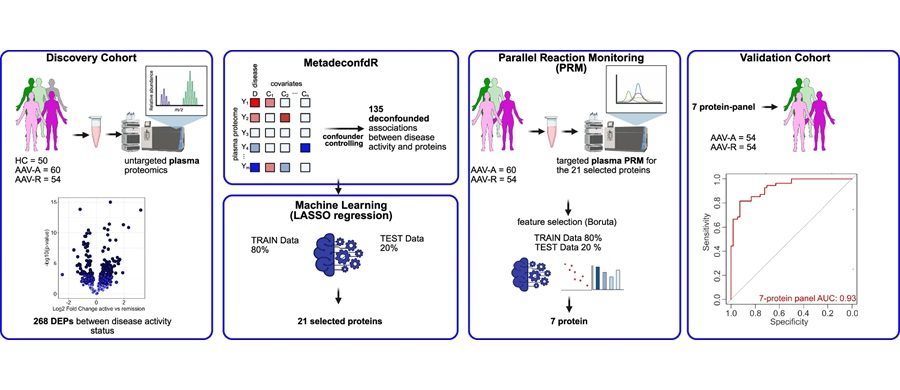
Multiprotein Plasma Panel Identifies Remission in Vasculitis
Vasculitis causes immune-mediated inflammation of blood vessel walls and can lead to kidney and lung damage. Clinicians rely on immunosuppressive drugs, but treatment carries significant side effects and... Read more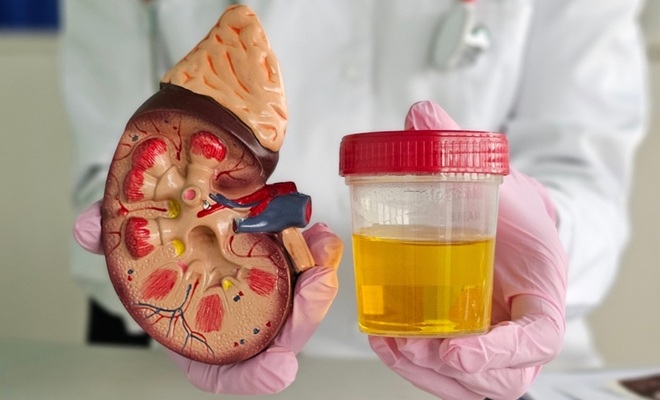
Rapid Urine Biomarker Panel Supports Better Kidney Transplant Decisions
Kidney transplantation remains constrained by organ scarcity and uncertainty about the quality of deceased-donor kidneys. In the United States, more than 92,000 people are awaiting a kidney transplant,... Read more
Molecular Diagnostics
view channel
New Blood RNA Markers Help Advance Precision Medicine for Respiratory Patients
Risk stratification in hospitalized respiratory disease, particularly among older adults with COVID-19, remains challenging despite rich clinical datasets. Blood-based non-coding RNA biomarkers are promising,... Read more
Single Genetic Analysis Identifies Causes of Premature Ovarian Insufficiency
Premature ovarian insufficiency (POI) affects up to 3.5% of women and represents a major cause of infertility. In most cases, the underlying etiology remains unknown, making patient counseling and clinical... Read more

Hematology
view channel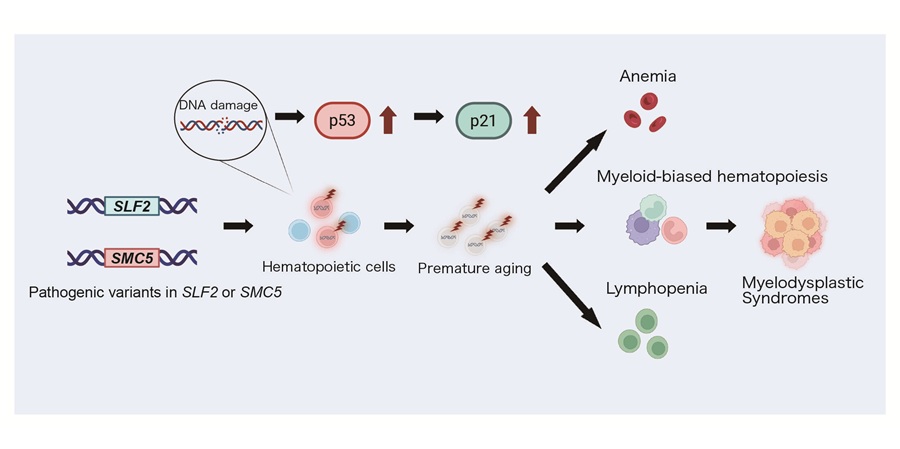
New Genetic Findings Reveal Cause of Bone Marrow Failure Syndrome
Inherited bone marrow failure syndromes (IBMFS) impair the bone marrow’s ability to produce sufficient healthy blood cells and are associated with an increased risk of early-onset myelodysplastic syndromes (MDS).... Read more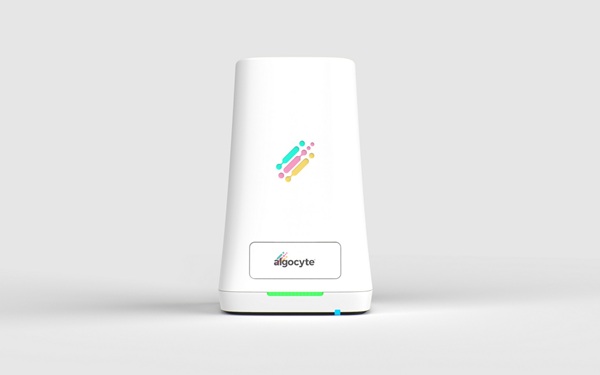
Ultra-Portable Device Enables Finger-Prick Blood Testing at Home
Patients who need frequent blood tests often face repeated clinic visits that burden services and disrupt care. In the UK, millions of tests are performed each year to diagnose disease, guide therapy,... Read more
Immunology
view channel
Gut “Memory” May Explain Why IBD Flares Return
Inflammatory bowel diseases (IBD), including Crohn’s disease and ulcerative colitis, are characterized by recurring flare-ups that damage the intestinal mucosa and remain difficult to predict.... Read more
AI-Based Antibody Profiling Predicts Strength of COVID-19 Vaccine Response
Vaccine-induced protection can vary widely between individuals, creating uncertainty for clinicians, particularly in patients with immunosuppressive conditions. Demographic and health factors explain only... Read more

Microbiology
view channel
New Diagnostic Workflow Identifies Bloodstream Pathogens and Antibiotic Response in Hours
Sepsis is a life-threatening complication of infection that affects more than 1.5 million patients annually in the United States and contributes to roughly one in three in-hospital deaths.... Read more
Genetic Marker Identifies Emerging Resistance to Frontline Malaria Drugs
Artemisinin-based combination therapy remains central to controlling Plasmodium falciparum malaria, but emerging drug resistance is complicating treatment and surveillance. In Uganda and across sub-Saharan... Read more
Pathology
view channel
AI Matches Pathologists in Predicting Breast Cancer Prognosis from Immune Cells
Breast cancer is the most common cancer in Australian women, with more than 20,000 cases each year. Prognosis can be informed by counting tumor-infiltrating lymphocytes (TILs) on routine pathology slides,... Read more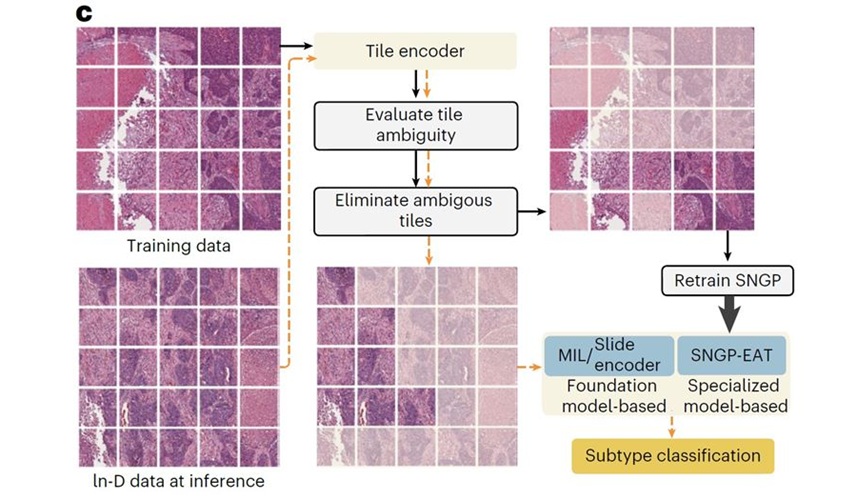
AI-Pathologist Framework Improves Accuracy and Reliability in Cancer Diagnosis
Ensuring reliable cancer diagnosis from digital pathology remains a critical challenge as clinical decisions rely on accurate slide interpretation. While artificial intelligence (AI) has accelerated whole-slide... Read more
New Review Highlights Intelligent Agents as Next Step for Digital Pathology
Digital pathology remains constrained by models that classify single images without mirroring how clinicians interrogate multiple slides, adjust magnification, and synthesize ancillary tests.... Read more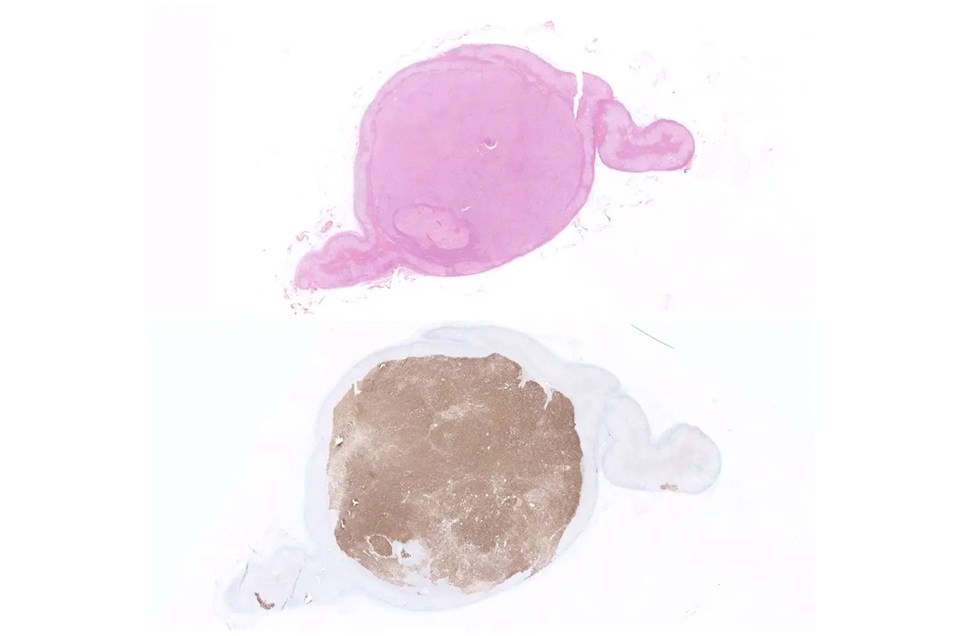
Simple Immunohistochemical Size Ratio Improves Classification of Primary Aldosteronism
Primary aldosteronism is a common but underdiagnosed cause of hypertension, in which excess aldosterone promotes salt retention and raises blood pressure. Identifying the dominant source of hormone overproduction... Read moreTechnology
view channel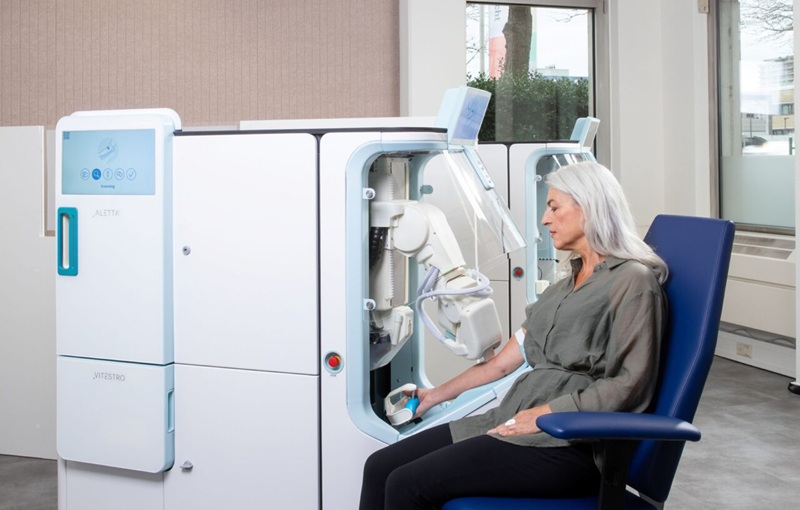
Autonomous Robotic System Receives FDA Authorization for Blood Collection
Venipuncture is central to many diagnostic pathways, but routine blood collection can be affected by staffing constraints and procedural variability that influence consistency and patient experience.... Read more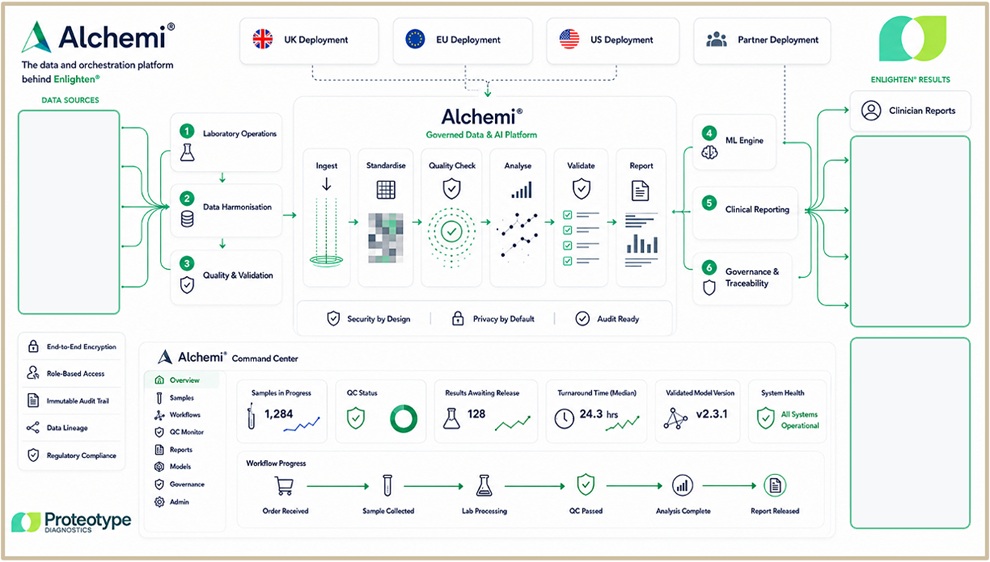
Interoperable Data Platform Standardizes Multi-Cancer Blood Test Results
Proteotype Diagnostics has introduced Alchemi, a proprietary data and clinical workflow platform being developed for Enlighten, the company’s investigational blood-based multi-cancer test.... Read more

Industry
view channel
Tumor-Informed MRD Assay Gains Medicare Coverage for Immunotherapy Monitoring
NeoGenomics’ RaDaR ST molecular residual disease (MRD) assay has received expanded coverage from the Centers for Medicare & Medicaid Services’ Molecular Diagnostic Services Program (MolDX) for monitoring... Read more