Diagnostic Device Predicts Treatment Response for Brain Tumors Via Blood Test
Posted on 06 Feb 2026
Glioblastoma is one of the deadliest forms of brain cancer, largely because doctors have no reliable way to determine whether treatments are working in real time. Assessing therapeutic response currently requires invasive brain biopsies or waiting until late disease stages for MRI scans, often when it is too late to adjust treatment. This lack of early feedback has contributed to poor outcomes and limited success in clinical trials. A new blood-based diagnostic approach now enables real-time insight into treatment response by detecting brain tumor signals circulating in the bloodstream.
Researchers at The University of Queensland (Brisbane, Australia), in collaboration with the University of Newcastle (Callaghan, Australia), have developed a diagnostic device known as the Phenotype Analyzer Chip to read disease-specific signals from small blood samples. The device was created using advanced bionanotechnology and is designed to detect extracellular vesicles released by glioblastoma tumors. These microscopic particles cross the blood–brain barrier and carry molecular information about tumor activity and treatment response.
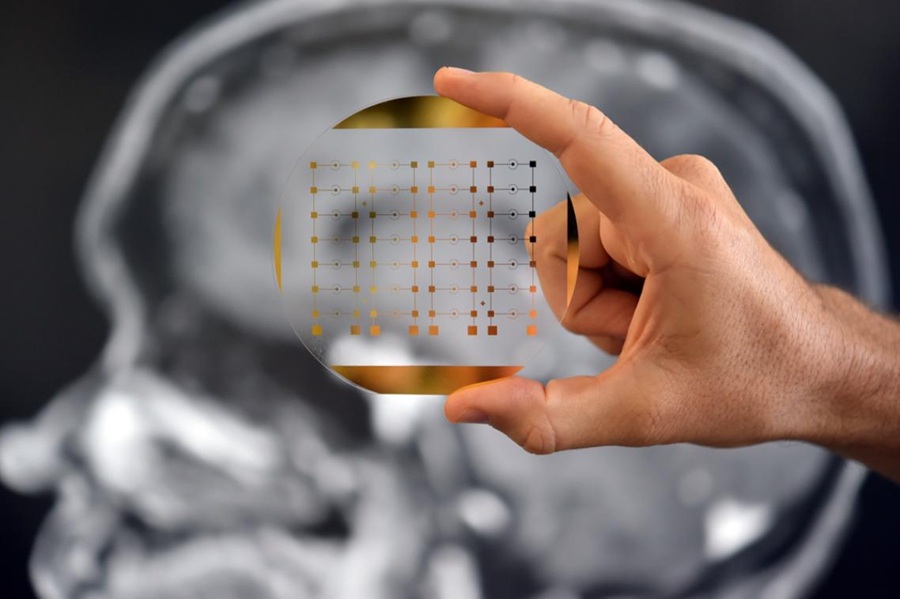
The chip works by isolating and analyzing extracellular vesicles present in the blood that originate specifically from brain tumor tissue. Using hypersensitive detection methods, the system captures these vesicles and interrogates their molecular cargo to provide fast and accurate insights into how tumors are responding to therapy. Because the method relies on a simple blood test, it avoids the risks and limitations associated with surgical biopsies and repeated imaging.
The device was validated using blood samples from more than 40 glioblastoma patients. Results showed that the chip could reliably detect tumor-derived extracellular vesicles and provide clinically meaningful information on treatment response. The findings, published in Science Advances, demonstrate the feasibility of non-invasive, real-time monitoring of brain cancer progression and therapy effectiveness.
This approach could allow clinicians to adjust treatments much earlier if therapies are not working, potentially improving survival outcomes for glioblastoma patients. Beyond brain cancer, the platform may be adapted to study neurological conditions associated with inflammation, including Alzheimer’s disease, Parkinson’s disease, motor neuron disease, depression, and traumatic brain injury. Researchers are now working with translational partners to integrate the technology into clinical trials and explore broader neurological applications.
“A blood test for brain cancer will be a game-changer for patients, particularly those living in regional and remote areas,” said University of Newcastle Professor Mike Fay.
Related Links:
The University of Queensland