Blood Test Identifies Lung Cancer Patients Who Can Benefit from Immunotherapy Drug
Posted on 22 Jan 2026
Small cell lung cancer (SCLC) is an aggressive disease with limited treatment options, and even newly approved immunotherapies do not benefit all patients. While immunotherapy can extend survival for some, nearly half of patients experience disease progression within months, highlighting the urgent need for tools that can identify who is most likely to respond. Current approaches lack a simple, noninvasive way to predict durable benefit before treatment begins. Researchers have now shown that analyzing cancer cells circulating in the blood can reveal whether patients are likely to experience a lasting response to a targeted immunotherapy.
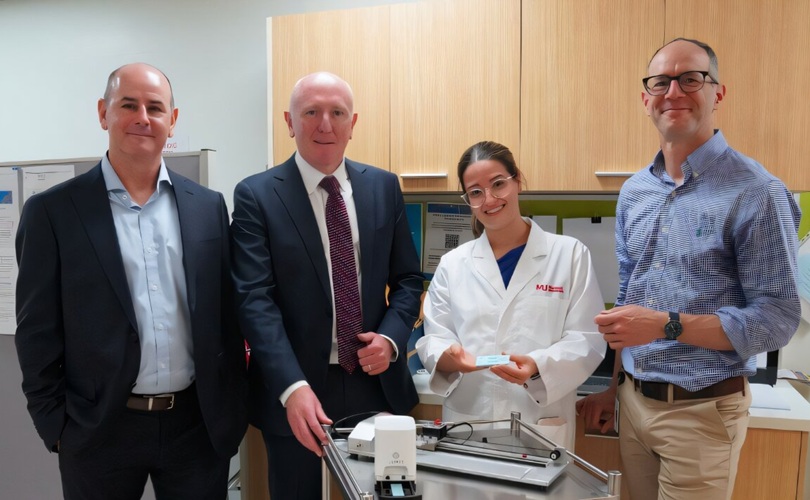
In a study led by Mass General Brigham (Boston, MA, USA), researchers have developed advanced bioengineering technologies to isolate and study circulating tumor cells (CTCs) from blood samples. These rare cells provide a real-time snapshot of tumor biology without the need for invasive tissue biopsies. The study focused on using this enrichment technology to examine CTCs from patients with SCLC and assess whether specific tumor markers present on these cells could guide immunotherapy selection.
The researchers investigated responses to tarlatamab, an antibody-based immunotherapy approved for patients with SCLC after prior chemotherapy. The drug works by recruiting T cells to cancer cells that express a neuroendocrine surface protein called DLL3. Blood samples from patients were analyzed to determine whether their circulating tumor cells expressed DLL3. This approach allowed researchers to directly assess target expression on live tumor cells rather than relying on assumptions based on tumor type alone.
The analysis revealed that only about half of the patients had abundant DLL3-positive circulating tumor cells, despite the common belief that all SCLC tumors express this marker. Importantly, these patients were the ones who experienced clinical benefit from tarlatamab. DLL3 testing on CTCs correctly identified 85% of patients who responded to treatment and 100% of those who did not. The findings, published in Cancer Discovery, demonstrate that CTC-based testing can provide clinically actionable insights.
These results suggest that a simple blood test could help clinicians determine which patients with SCLC are most likely to benefit from tarlatamab, sparing others from ineffective treatment and potential side effects. The approach may also be relevant for other DLL3-targeting antibodies currently in development. In addition to SCLC, the study highlights the broader potential of circulating tumor cell analysis to guide antibody-directed cancer therapies as tumors evolve and become more aggressive. Further studies could expand the use of this strategy across multiple cancer types.
“Isolating cancer cells from the blood has tremendous potential to guide immune-related cancer therapies, and our group has created cutting-edge bioengineering technologies for purification of these circulating tumor cells,” said senior and co-corresponding author Daniel A. Haber, MD, PhD. “We’ve learned a lot about the biology of these cells, but we haven’t had a test that has direct clinical relevance. In this study, we believe that we achieved this.”
Related Links:
Mass General Brigham