Siemens Lab-Based SARS-CoV-2 Antigen Assay (CoV2Ag) Obtains CE Mark for Use with Its High-Throughput Analyzers
|
By LabMedica International staff writers Posted on 25 Feb 2021 |


|
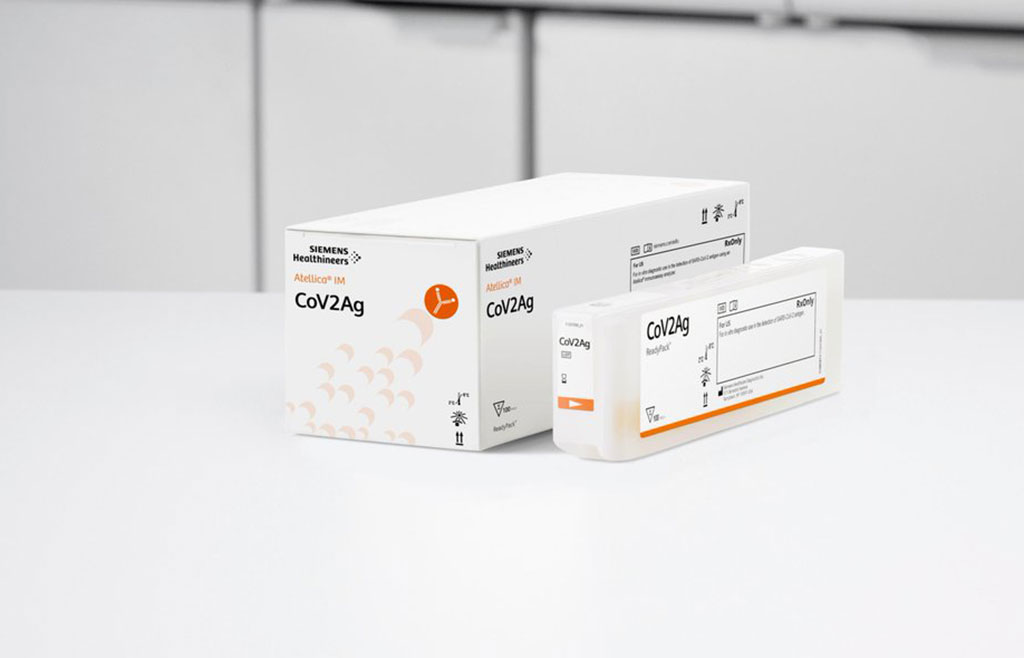
Image: Atellica COVAg test (Photo courtesy of Siemens Healthineers)
Siemens Healthineers’ (Erlangen, Germany) laboratory-based SARS-CoV-2 Antigen Assay (CoV2Ag) has obtained CE Mark and is now offered for the Atellica Solution and ADVIA Centaur analyzers, widely available in laboratories worldwide.
The CoV2Ag assay is for in vitro diagnostic use in the qualitative detection of SARS-CoV-2 in nasopharyngeal swab and nasal swab specimens within the first seven days of symptom onset, or from asymptomatic individuals, using the Atellica IM Analyzer or ADVIA Centaur XP and ADVIA Centaur XPT immunoassay Systems. The test has been submitted to the FDA for Emergency Use Authorization. The antigen test detects the nucleocapsid antigen and has been designed with five monoclonal antibodies with the objective to maximize its sensitivity to both current and future SARS-CoV-2 variants. It also offers a leading time-to-result for lab-based antigen tests, making it an ideal tool to test large quantities of patient samples quickly. Additionally, the test helps protect laboratory staff from the virus with a pretreatment process, which inactivates the virus without compromising the quality or validity of patient test results.
The Siemens Healthineers' CoV2Ag test shows strong alignment to molecular RT-PCR methods with sensitivity exceeding 94% and specificity at 100% for the Atellica COVAg test. While molecular RT-PCR diagnostic testing is the gold standard in accuracy, it lacks the high throughput capability of a lab-based, automated antigen test. With availability of CoV2Ag on the Atellica IM Analyzer, laboratories can significantly increase the SARS-CoV-2 testing capacity with a platform that can run up to 440 tests per hour. Other benefits of lab-based, automated antigen testing include simplified pre-analytics and a more economical cost per test compared with RT-PCR testing, making this a cost effective solution to detect infection when high throughput is critical. Such testing could be deployed at on-site collection centers for hospital staff, patients and visitors, remote collection facilities for large scale testing of local populations or in dedicated, pop-up labs at airports or large universities.
"SARS-CoV-2 antigen testing is a critical tool to help support the fight against COVID-19 and identify infected individuals, including those who are asymptomatic," said Deepak Nath, PhD, President of Laboratory Diagnostics at Siemens Healthineers. "High-throughput SARS-CoV-2 antigen testing can help laboratories rapidly scale their SARS-CoV-2 diagnostic testing capacity. The Siemens Healthineers' antigen test offers fast pretreatment time and time to results."




The CoV2Ag assay is for in vitro diagnostic use in the qualitative detection of SARS-CoV-2 in nasopharyngeal swab and nasal swab specimens within the first seven days of symptom onset, or from asymptomatic individuals, using the Atellica IM Analyzer or ADVIA Centaur XP and ADVIA Centaur XPT immunoassay Systems. The test has been submitted to the FDA for Emergency Use Authorization. The antigen test detects the nucleocapsid antigen and has been designed with five monoclonal antibodies with the objective to maximize its sensitivity to both current and future SARS-CoV-2 variants. It also offers a leading time-to-result for lab-based antigen tests, making it an ideal tool to test large quantities of patient samples quickly. Additionally, the test helps protect laboratory staff from the virus with a pretreatment process, which inactivates the virus without compromising the quality or validity of patient test results.
The Siemens Healthineers' CoV2Ag test shows strong alignment to molecular RT-PCR methods with sensitivity exceeding 94% and specificity at 100% for the Atellica COVAg test. While molecular RT-PCR diagnostic testing is the gold standard in accuracy, it lacks the high throughput capability of a lab-based, automated antigen test. With availability of CoV2Ag on the Atellica IM Analyzer, laboratories can significantly increase the SARS-CoV-2 testing capacity with a platform that can run up to 440 tests per hour. Other benefits of lab-based, automated antigen testing include simplified pre-analytics and a more economical cost per test compared with RT-PCR testing, making this a cost effective solution to detect infection when high throughput is critical. Such testing could be deployed at on-site collection centers for hospital staff, patients and visitors, remote collection facilities for large scale testing of local populations or in dedicated, pop-up labs at airports or large universities.
"SARS-CoV-2 antigen testing is a critical tool to help support the fight against COVID-19 and identify infected individuals, including those who are asymptomatic," said Deepak Nath, PhD, President of Laboratory Diagnostics at Siemens Healthineers. "High-throughput SARS-CoV-2 antigen testing can help laboratories rapidly scale their SARS-CoV-2 diagnostic testing capacity. The Siemens Healthineers' antigen test offers fast pretreatment time and time to results."

Gold Member
Flu SARS-CoV-2 Combo Test
OSOM® Flu SARS-CoV-2 Combo Test
ESR Analyzer
TEST1 2.0
Automatic Hematology Analyzer
DH-800 Series
Latest COVID-19 News
- New Immunosensor Paves Way to Rapid POC Testing for COVID-19 and Emerging Infectious Diseases
- Long COVID Etiologies Found in Acute Infection Blood Samples
- Novel Device Detects COVID-19 Antibodies in Five Minutes
- CRISPR-Powered COVID-19 Test Detects SARS-CoV-2 in 30 Minutes Using Gene Scissors
- Gut Microbiome Dysbiosis Linked to COVID-19
- Novel SARS CoV-2 Rapid Antigen Test Validated for Diagnostic Accuracy
- New COVID + Flu + R.S.V. Test to Help Prepare for `Tripledemic`
- AI Takes Guesswork Out Of Lateral Flow Testing
- Fastest Ever SARS-CoV-2 Antigen Test Designed for Non-Invasive COVID-19 Testing in Any Setting
- Rapid Antigen Tests Detect Omicron, Delta SARS-CoV-2 Variants
- Health Care Professionals Showed Increased Interest in POC Technologies During Pandemic, Finds Study
- Set Up Reserve Lab Capacity Now for Faster Response to Next Pandemic, Say Researchers
- Blood Test Performed During Initial Infection Predicts Long COVID Risk
- Low-Cost COVID-19 Testing Platform Combines Sensitivity of PCR and Speed of Antigen Tests
- Finger-Prick Blood Test Identifies Immunity to COVID-19
- Quick Test Kit Determines Immunity Against COVID-19 and Its Variants
Channels
Clinical Chemistry
view channel
New PSA-Based Prognostic Model Improves Prostate Cancer Risk Assessment
Prostate cancer is the second-leading cause of cancer death among American men, and about one in eight will be diagnosed in their lifetime. Screening relies on blood levels of prostate-specific antigen... Read more
Extracellular Vesicles Linked to Heart Failure Risk in CKD Patients
Chronic kidney disease (CKD) affects more than 1 in 7 Americans and is strongly associated with cardiovascular complications, which account for more than half of deaths among people with CKD.... Read more

Molecular Diagnostics
view channel
Diagnostic Device Predicts Treatment Response for Brain Tumors Via Blood Test
Glioblastoma is one of the deadliest forms of brain cancer, largely because doctors have no reliable way to determine whether treatments are working in real time. Assessing therapeutic response currently... Read more
Blood Test Detects Early-Stage Cancers by Measuring Epigenetic Instability
Early-stage cancers are notoriously difficult to detect because molecular changes are subtle and often missed by existing screening tools. Many liquid biopsies rely on measuring absolute DNA methylation... Read more
“Lab-On-A-Disc” Device Paves Way for More Automated Liquid Biopsies
Extracellular vesicles (EVs) are tiny particles released by cells into the bloodstream that carry molecular information about a cell’s condition, including whether it is cancerous. However, EVs are highly... Read more
Blood Test Identifies Inflammatory Breast Cancer Patients at Increased Risk of Brain Metastasis
Brain metastasis is a frequent and devastating complication in patients with inflammatory breast cancer, an aggressive subtype with limited treatment options. Despite its high incidence, the biological... Read moreHematology
view channel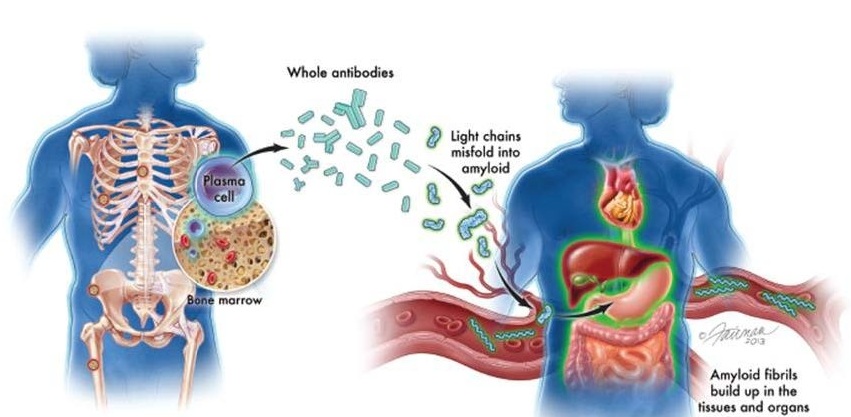
New Guidelines Aim to Improve AL Amyloidosis Diagnosis
Light chain (AL) amyloidosis is a rare, life-threatening bone marrow disorder in which abnormal amyloid proteins accumulate in organs. Approximately 3,260 people in the United States are diagnosed... Read more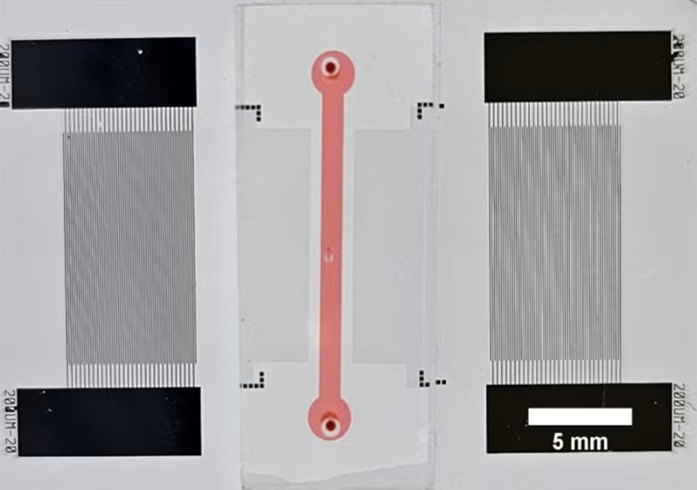
Fast and Easy Test Could Revolutionize Blood Transfusions
Blood transfusions are a cornerstone of modern medicine, yet red blood cells can deteriorate quietly while sitting in cold storage for weeks. Although blood units have a fixed expiration date, cells from... Read more
Automated Hemostasis System Helps Labs of All Sizes Optimize Workflow
High-volume hemostasis sections must sustain rapid turnaround while managing reruns and reflex testing. Manual tube handling and preanalytical checks can strain staff time and increase opportunities for error.... Read more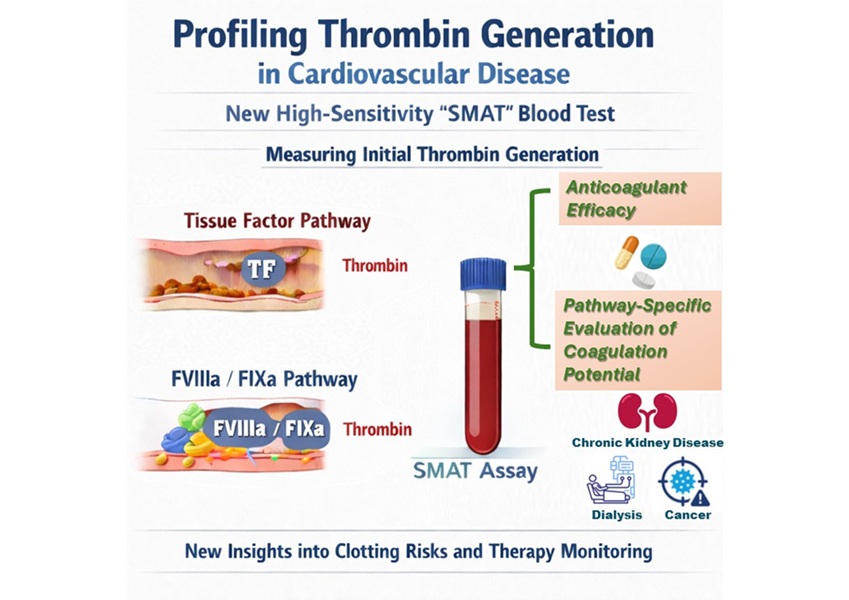
High-Sensitivity Blood Test Improves Assessment of Clotting Risk in Heart Disease Patients
Blood clotting is essential for preventing bleeding, but even small imbalances can lead to serious conditions such as thrombosis or dangerous hemorrhage. In cardiovascular disease, clinicians often struggle... Read moreImmunology
view channel
Blood Test Identifies Lung Cancer Patients Who Can Benefit from Immunotherapy Drug
Small cell lung cancer (SCLC) is an aggressive disease with limited treatment options, and even newly approved immunotherapies do not benefit all patients. While immunotherapy can extend survival for some,... Read more
Whole-Genome Sequencing Approach Identifies Cancer Patients Benefitting From PARP-Inhibitor Treatment
Targeted cancer therapies such as PARP inhibitors can be highly effective, but only for patients whose tumors carry specific DNA repair defects. Identifying these patients accurately remains challenging,... Read more
Ultrasensitive Liquid Biopsy Demonstrates Efficacy in Predicting Immunotherapy Response
Immunotherapy has transformed cancer treatment, but only a small proportion of patients experience lasting benefit, with response rates often remaining between 10% and 20%. Clinicians currently lack reliable... Read more
Microbiology
view channel
Comprehensive Review Identifies Gut Microbiome Signatures Associated With Alzheimer’s Disease
Alzheimer’s disease affects approximately 6.7 million people in the United States and nearly 50 million worldwide, yet early cognitive decline remains difficult to characterize. Increasing evidence suggests... Read more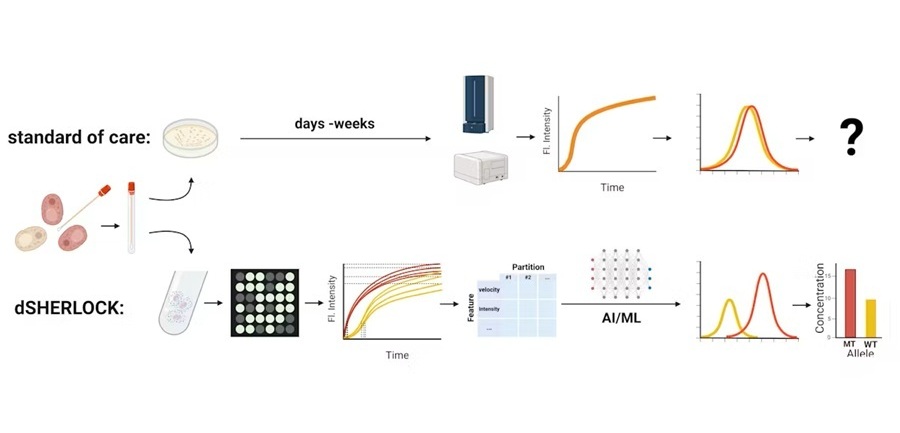
AI-Powered Platform Enables Rapid Detection of Drug-Resistant C. Auris Pathogens
Infections caused by the pathogenic yeast Candida auris pose a significant threat to hospitalized patients, particularly those with weakened immune systems or those who have invasive medical devices.... Read more

Pathology
view channel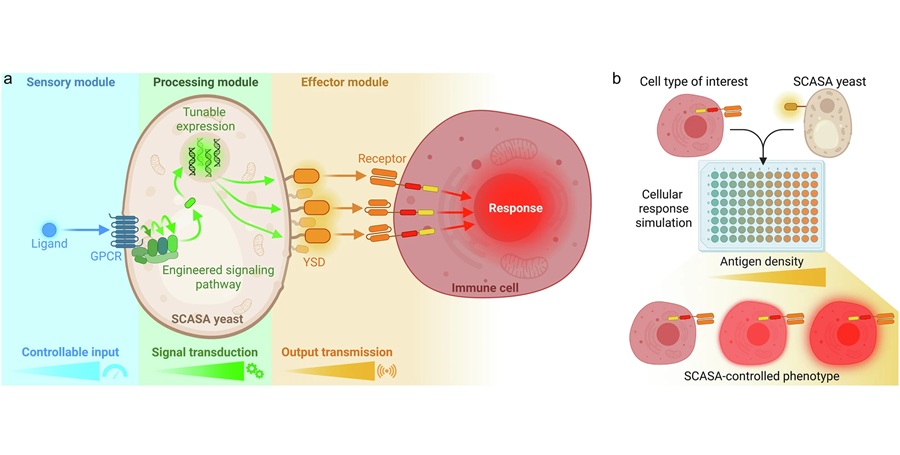
Engineered Yeast Cells Enable Rapid Testing of Cancer Immunotherapy
Developing new cancer immunotherapies is a slow, costly, and high-risk process, particularly for CAR T cell treatments that must precisely recognize cancer-specific antigens. Small differences in tumor... Read more
First-Of-Its-Kind Test Identifies Autism Risk at Birth
Autism spectrum disorder is treatable, and extensive research shows that early intervention can significantly improve cognitive, social, and behavioral outcomes. Yet in the United States, the average age... Read more

Technology
view channel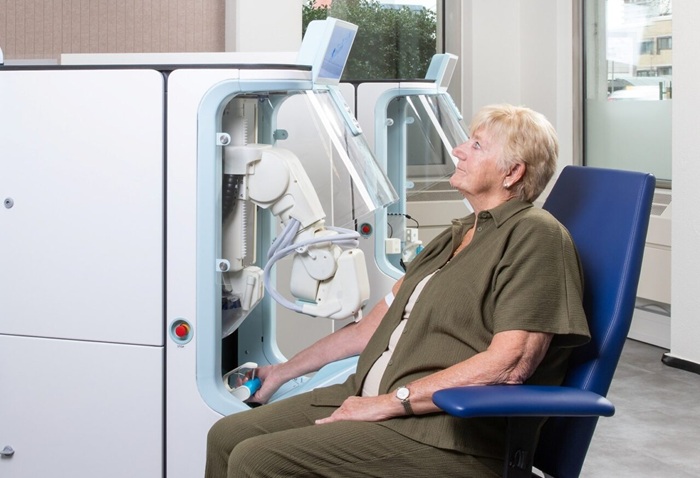
Robotic Technology Unveiled for Automated Diagnostic Blood Draws
Routine diagnostic blood collection is a high‑volume task that can strain staffing and introduce human‑dependent variability, with downstream implications for sample quality and patient experience.... Read more
ADLM Launches First-of-Its-Kind Data Science Program for Laboratory Medicine Professionals
Clinical laboratories generate billions of test results each year, creating a treasure trove of data with the potential to support more personalized testing, improve operational efficiency, and enhance patient care.... Read more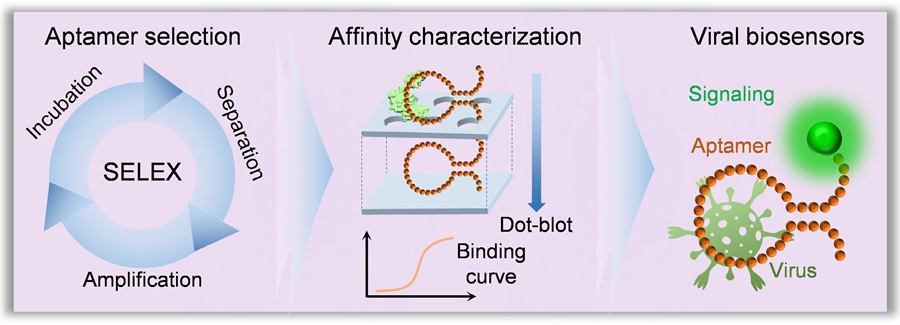
Aptamer Biosensor Technology to Transform Virus Detection
Rapid and reliable virus detection is essential for controlling outbreaks, from seasonal influenza to global pandemics such as COVID-19. Conventional diagnostic methods, including cell culture, antigen... Read more
AI Models Could Predict Pre-Eclampsia and Anemia Earlier Using Routine Blood Tests
Pre-eclampsia and anemia are major contributors to maternal and child mortality worldwide, together accounting for more than half a million deaths each year and leaving millions with long-term health complications.... Read moreIndustry
view channel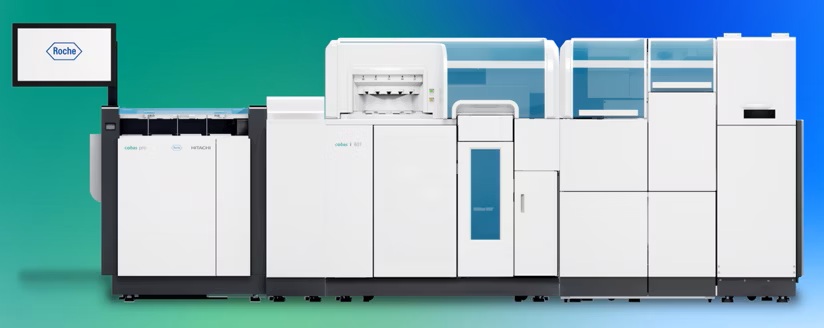
New Collaboration Brings Automated Mass Spectrometry to Routine Laboratory Testing
Mass spectrometry is a powerful analytical technique that identifies and quantifies molecules based on their mass and electrical charge. Its high selectivity, sensitivity, and accuracy make it indispensable... Read more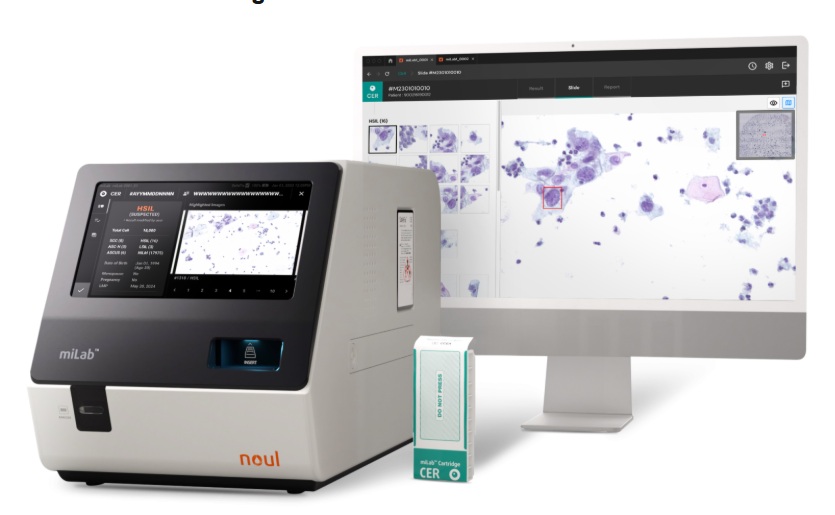
AI-Powered Cervical Cancer Test Set for Major Rollout in Latin America
Noul Co., a Korean company specializing in AI-based blood and cancer diagnostics, announced it will supply its intelligence (AI)-based miLab CER cervical cancer diagnostic solution to Mexico under a multi‑year... Read more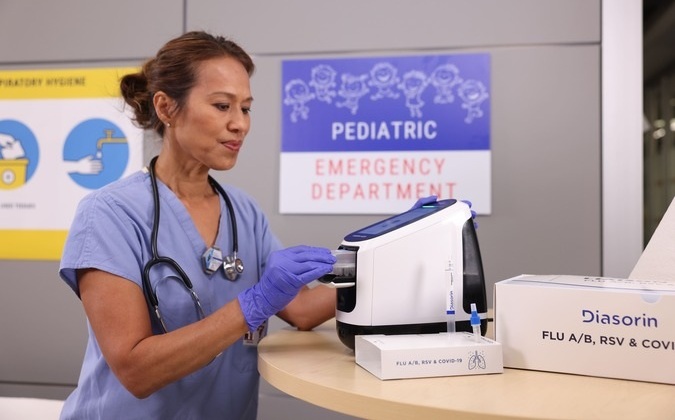
Diasorin and Fisher Scientific Enter into US Distribution Agreement for Molecular POC Platform
Diasorin (Saluggia, Italy) has entered into an exclusive distribution agreement with Fisher Scientific, part of Thermo Fisher Scientific (Waltham, MA, USA), for the LIAISON NES molecular point-of-care... Read more