Fujirebio Europe Partners with Centogene to Provide Rapid and High-Quality Preventive SARS-CoV-2 Antigen Testing
|
By LabMedica International staff writers Posted on 10 Nov 2020 |


|
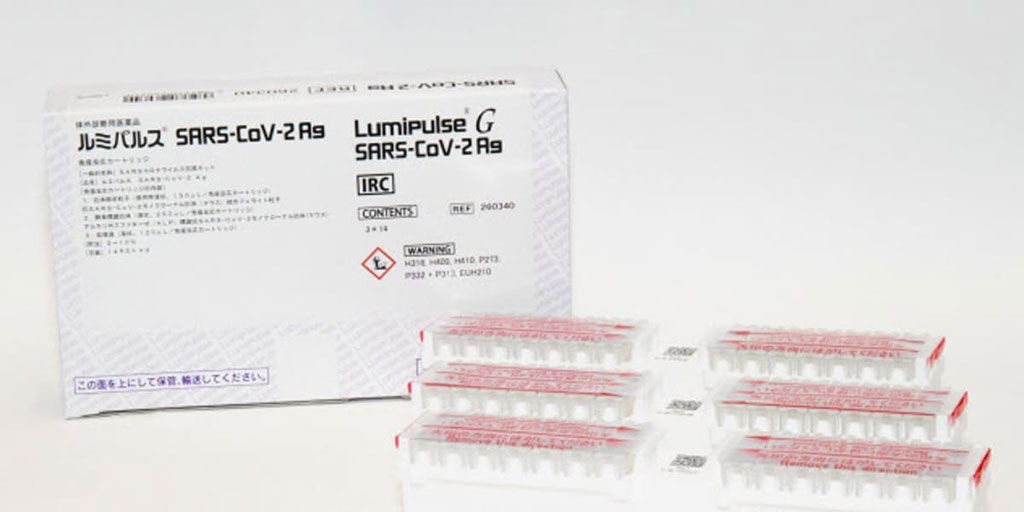
Image: Lumipulse G SARS-CoV-2 Ag (Photo courtesy of Fujirebio)
Fujirebio Europe (Ghent, Belgium) and Centogene N.V. (Rostock, Belgium) have entered into a partnership to leverage LUMIPULSE G technology for large-scale COVID-19 antigen testing with further deployment in German airports.
Lumipulse G SARS-CoV-2 Ag was the first high-sensitive antigen assay launched on a fully automated chemiluminescent platform. It is used on a LUMIPULSE G system for quantitative measurement of SARS-CoV-2 antigen in human nasopharyngeal swab fluid or saliva. It is used as an aid in the diagnosis of a SARS-CoV-2 infection and utilizes proven CLEIA (chemiluminescent enzyme immunoassay) technology. The assay generates fast results (available in up to 40 minutes from sample receipt in the laboratory) using different sample types, including less invasive saliva samples.
Lumipulse G SARS-CoV-2 Ag has been used by Japanese authorities since August this year for quarantine screening of arriving travelers in major international Japanese airports. Centogene has an exclusive cooperation with Lufthansa. As part of the agreement, Fujirebio will supply Lumipulse G SARS-CoV-2 Ag assays running on fully automated CLEIA-based LUMIPULSE G1200 instruments. Sample collection is to be performed by Centogene via the usual oropharyngeal swabs, with the analysis of the samples performed at Centogene test laboratories, and the LUMIPULSE G1200 then supporting by delivering high quality results in up to only 40 minutes from sample receipt in the laboratory. These instruments will be an integrated part of the existing sophisticated automated Centogene workflow that ensures fast and direct delivery of results to customers on their smartphones or digital devices.
“We are very pleased that Centogene has chosen Fujirebio and the Lumipulse G platform to step up their current RT-PCR based COVID-19 testing,” said Christiaan De Wilde, CEO of Fujirebio Europe. “We are certain that the speed, high sensitivity and high quality of the Lumipulse G SARS-CoV-2 Ag testing solution combined with the flexibility of our platform to fit in the existing Centogene workflow will ensure a trustworthy and efficient testing offer.”
“Over the past months, we have seen an increasing need for easily accessible, reliable, and rapid coronavirus tests,” said Dr. Volkmar Weckesser, Chief Information Officer at Centogene. “We have been able to establish a blueprint for this - having set up test centers at four of Germany’s largest airports in the last six months. We are very excited to now expand on these services with the support of Fujirebio’s advanced technology. With this highly validated, customer-friendly solution, we hope to play an integral role in preventing further outbreaks.”






Lumipulse G SARS-CoV-2 Ag was the first high-sensitive antigen assay launched on a fully automated chemiluminescent platform. It is used on a LUMIPULSE G system for quantitative measurement of SARS-CoV-2 antigen in human nasopharyngeal swab fluid or saliva. It is used as an aid in the diagnosis of a SARS-CoV-2 infection and utilizes proven CLEIA (chemiluminescent enzyme immunoassay) technology. The assay generates fast results (available in up to 40 minutes from sample receipt in the laboratory) using different sample types, including less invasive saliva samples.
Lumipulse G SARS-CoV-2 Ag has been used by Japanese authorities since August this year for quarantine screening of arriving travelers in major international Japanese airports. Centogene has an exclusive cooperation with Lufthansa. As part of the agreement, Fujirebio will supply Lumipulse G SARS-CoV-2 Ag assays running on fully automated CLEIA-based LUMIPULSE G1200 instruments. Sample collection is to be performed by Centogene via the usual oropharyngeal swabs, with the analysis of the samples performed at Centogene test laboratories, and the LUMIPULSE G1200 then supporting by delivering high quality results in up to only 40 minutes from sample receipt in the laboratory. These instruments will be an integrated part of the existing sophisticated automated Centogene workflow that ensures fast and direct delivery of results to customers on their smartphones or digital devices.
“We are very pleased that Centogene has chosen Fujirebio and the Lumipulse G platform to step up their current RT-PCR based COVID-19 testing,” said Christiaan De Wilde, CEO of Fujirebio Europe. “We are certain that the speed, high sensitivity and high quality of the Lumipulse G SARS-CoV-2 Ag testing solution combined with the flexibility of our platform to fit in the existing Centogene workflow will ensure a trustworthy and efficient testing offer.”
“Over the past months, we have seen an increasing need for easily accessible, reliable, and rapid coronavirus tests,” said Dr. Volkmar Weckesser, Chief Information Officer at Centogene. “We have been able to establish a blueprint for this - having set up test centers at four of Germany’s largest airports in the last six months. We are very excited to now expand on these services with the support of Fujirebio’s advanced technology. With this highly validated, customer-friendly solution, we hope to play an integral role in preventing further outbreaks.”

Platinum Member
Fully Automatic ACLIA Analyzer
MAGLUMI X8
Gold Member
SARS-CoV-2 PCR Test
Macurra SARS-CoV-2 PCR Kit
HPV Test
Allplex HPV28 Detection
Thyroid Test
Anti-Thyroid EIA Test
Latest COVID-19 News
- New Immunosensor Paves Way to Rapid POC Testing for COVID-19 and Emerging Infectious Diseases
- Long COVID Etiologies Found in Acute Infection Blood Samples
- Novel Device Detects COVID-19 Antibodies in Five Minutes
- CRISPR-Powered COVID-19 Test Detects SARS-CoV-2 in 30 Minutes Using Gene Scissors
- Gut Microbiome Dysbiosis Linked to COVID-19
- Novel SARS CoV-2 Rapid Antigen Test Validated for Diagnostic Accuracy
- New COVID + Flu + R.S.V. Test to Help Prepare for `Tripledemic`
- AI Takes Guesswork Out Of Lateral Flow Testing
- Fastest Ever SARS-CoV-2 Antigen Test Designed for Non-Invasive COVID-19 Testing in Any Setting
- Rapid Antigen Tests Detect Omicron, Delta SARS-CoV-2 Variants
- Health Care Professionals Showed Increased Interest in POC Technologies During Pandemic, Finds Study
- Set Up Reserve Lab Capacity Now for Faster Response to Next Pandemic, Say Researchers
- Blood Test Performed During Initial Infection Predicts Long COVID Risk
- Low-Cost COVID-19 Testing Platform Combines Sensitivity of PCR and Speed of Antigen Tests
- Finger-Prick Blood Test Identifies Immunity to COVID-19
- Quick Test Kit Determines Immunity Against COVID-19 and Its Variants
Channels
Clinical Chemistry
view channel
Mathematical Biomarkers Use Routine Blood Tests to Guide Adaptive Prostate Cancer Therapy
Personalizing systemic therapy for prostate cancer remains challenging because tumors can evolve under treatment pressure, driving resistance and early relapse. Continuous high-dose regimens may initially... Read more
Blood Metabolite Patterns May Enable Early Detection of Blood-Brain Barrier Injury
Early injury to the blood-brain barrier (BBB) can precede many neurological disorders but remains difficult to detect noninvasively. Laboratory markers that identify barrier dysfunction before symptoms... Read more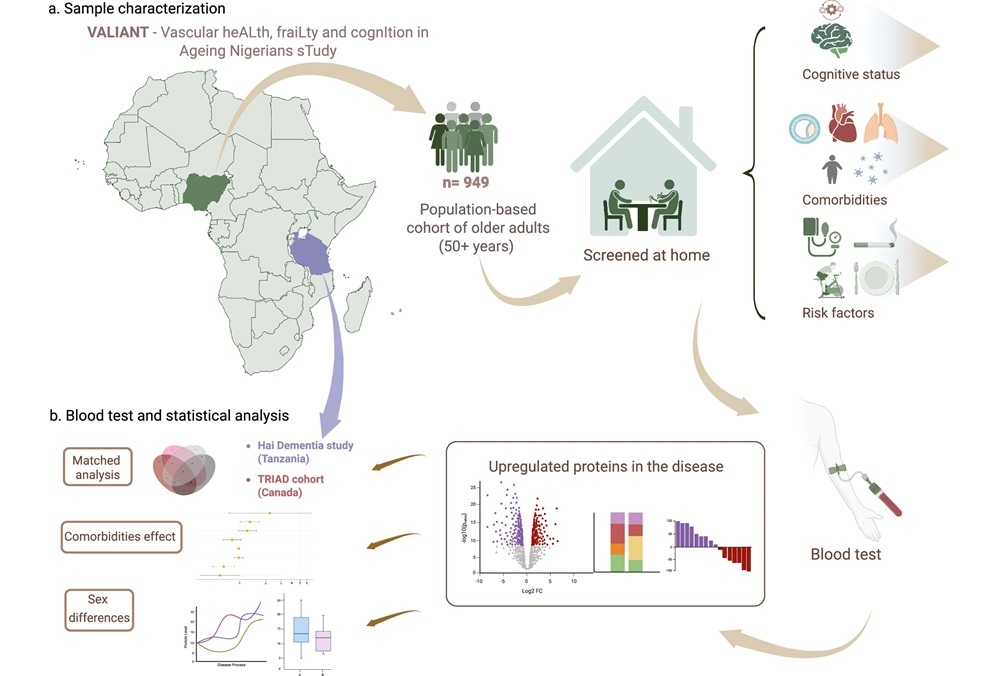
Blood Biomarker Study Reveals Population-Specific Differences in Alzheimer’s Disease
Blood-based biomarkers are emerging as tools for detecting Alzheimer’s disease–related changes without relying on advanced brain imaging or cerebrospinal fluid (CSF) analysis. However, much of the foundational... Read more
Molecular Diagnostics
view channel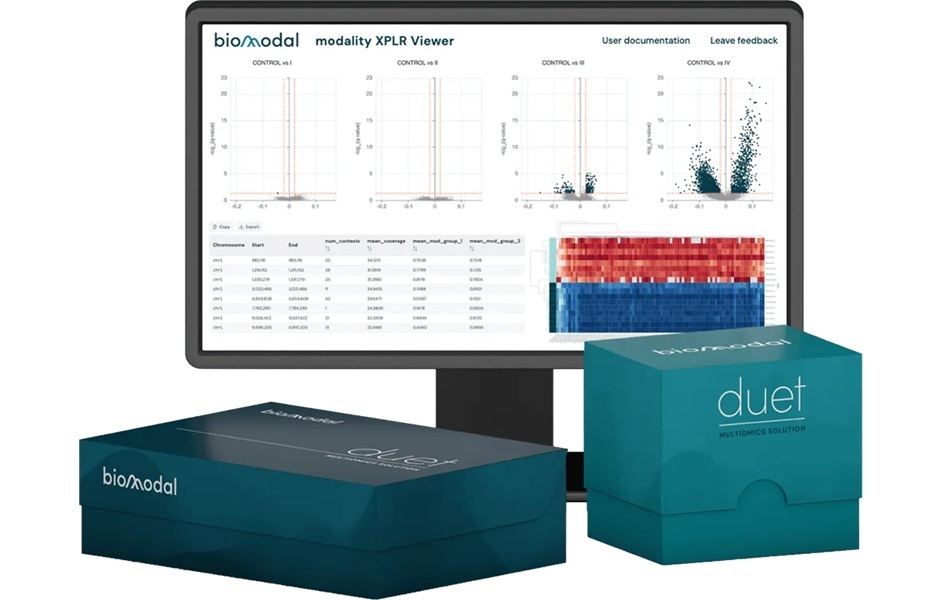
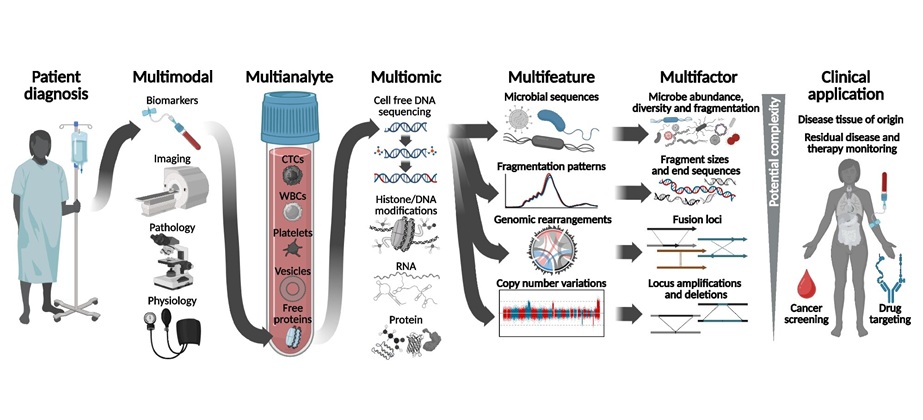
New Liquid Biopsy Workflow Maximizes Tumor Signals from Limited Blood Samples
Liquid biopsy seeks to detect tumor-derived signals from small blood samples, but circulating cell-free DNA is scarce and heterogeneous, limiting sensitivity. Combining complementary signals such as methylation,... Read more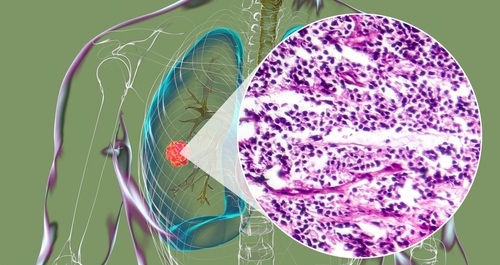
Blood Test for Lung Cancer Screening Receives FDA Breakthrough Device Designation
Lung cancer remains the leading cause of cancer death in the United States, yet only about 18% of people eligible for screening undergo low-dose computed tomography, the current guideline-recommended method.... Read more
Hematology
view channel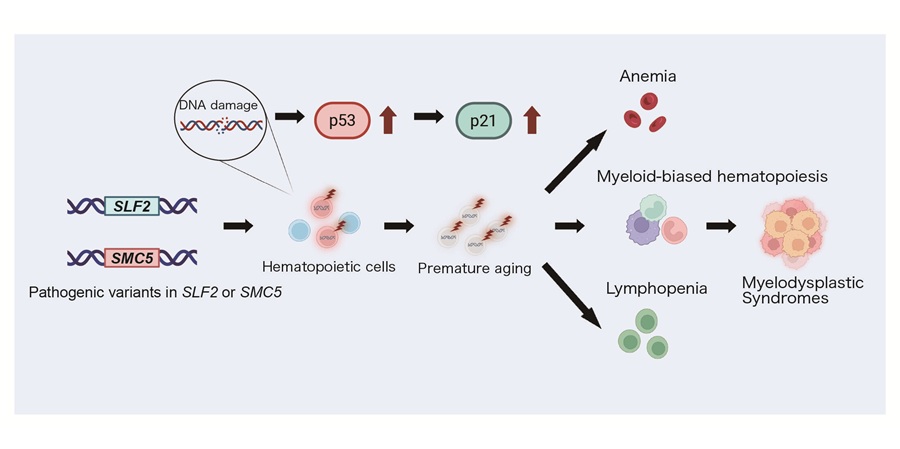
New Genetic Findings Reveal Cause of Bone Marrow Failure Syndrome
Inherited bone marrow failure syndromes (IBMFS) impair the bone marrow’s ability to produce sufficient healthy blood cells and are associated with an increased risk of early-onset myelodysplastic syndromes (MDS).... Read more
Ultra-Portable Device Enables Finger-Prick Blood Testing at Home
Patients who need frequent blood tests often face repeated clinic visits that burden services and disrupt care. In the UK, millions of tests are performed each year to diagnose disease, guide therapy,... Read more
Immunology
view channel
Immune Biomarkers May Predict Recurrent Checkpoint Inhibitor Arthritis
Inflammatory arthritis is a recognized immune-related adverse event in patients treated with immune checkpoint inhibitors (ICIs) for cancer. Between 20% and 50% of affected patients experience more than... Read more
Immune Cell Blood Test May Predict Melanoma Immunotherapy Response
Melanoma remains one of the deadliest skin cancers, although outcomes improve markedly when the disease is detected early. Immunotherapy has extended survival for many patients with advanced melanoma,... Read more
Microbiology
view channel
Surveillance and Susceptibility Testing Track Rising Candida Auris in U.S.
Drug-resistant fungal infections are straining infection control and treatment in hospitals and long-term care facilities, where rapid transmission can lead to severe outcomes. Candida auris has expanded... Read more
Plasma Cell-Free DNA Test Enables Earlier Diagnosis of Invasive Fungal Infections
Invasive fungal infections disproportionately affect immunocompromised patients, while diagnostic delays can contribute to substantial morbidity and mortality. Existing methods often depend on invasive... Read more

Pathology
view channel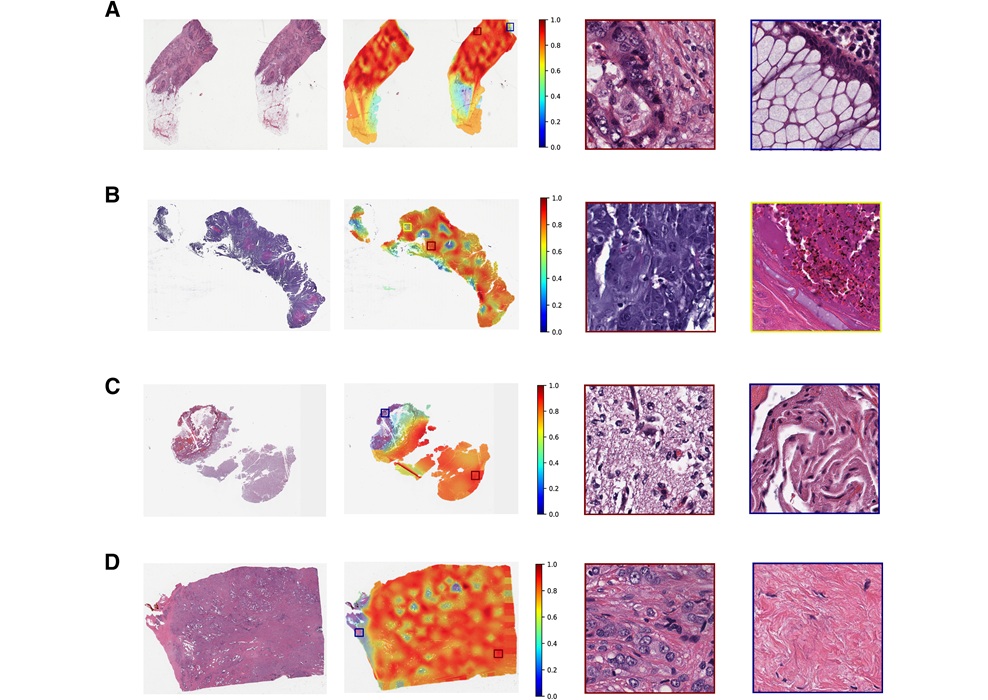
AI Uses H&E Slides to Predict Key Biomarkers Across 32 Cancers
Molecular profiling is essential for characterizing solid tumors, but many laboratories still rely on separate genetic assays to detect alterations such as TP53 mutations. These workflows can be resource-intensive... Read more
AI Tool Identifies Slide Artifacts to Speed Digital Pathology Diagnosis
Pathology laboratories face growing case volumes, staffing pressures, and increasing diagnostic complexity that can delay results. At the same time, whole-slide images may contain quality defects such... Read more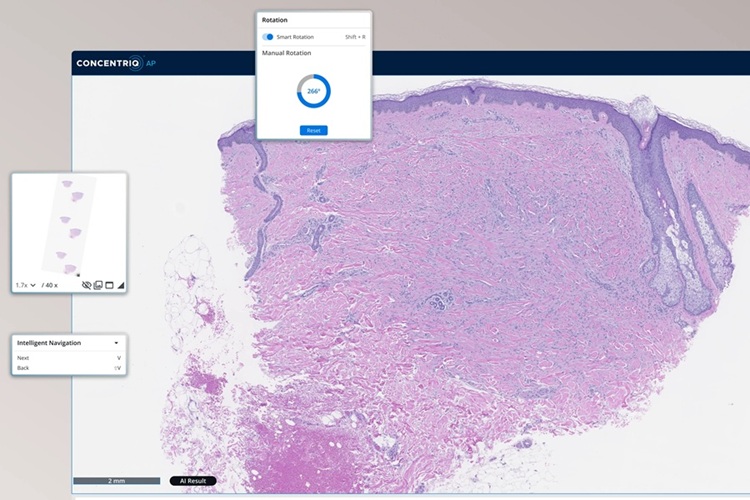
FDA-Cleared Digital Pathology Platform Expands Interoperability for Primary Diagnosis
Rising cancer incidence is colliding with a shrinking pathologist workforce, intensifying pressure on diagnostic turnaround times in clinical laboratories. Many labs are adopting digital pathology to manage... Read more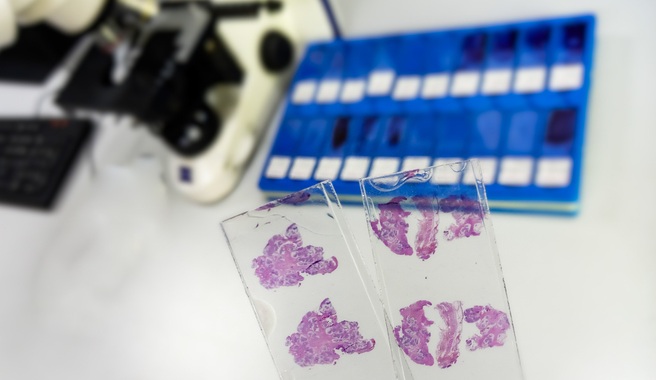
Technology
view channel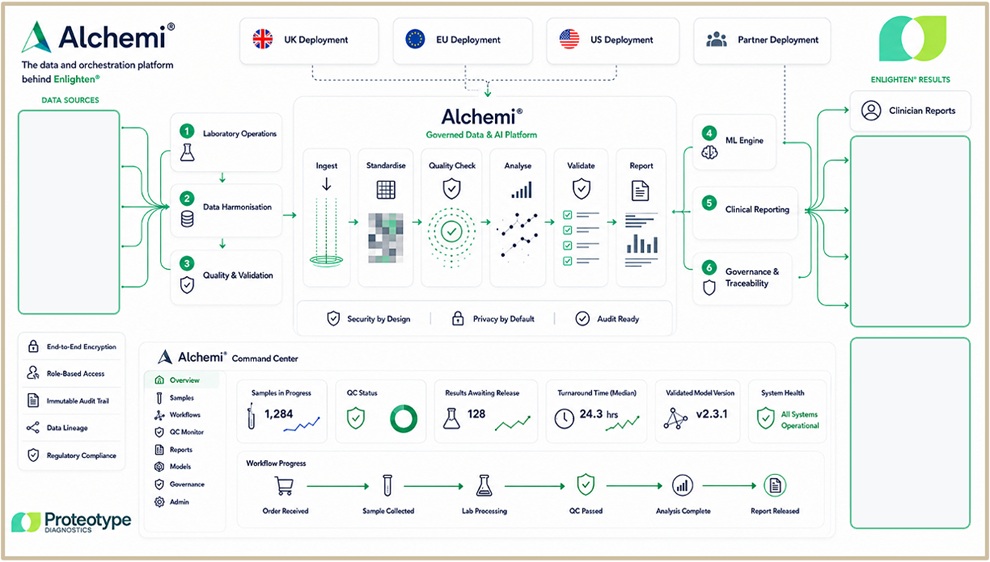
Interoperable Data Platform Standardizes Multi-Cancer Blood Test Results
Proteotype Diagnostics has introduced Alchemi, a proprietary data and clinical workflow platform being developed for Enlighten, the company’s investigational blood-based multi-cancer test.... Read more
Training Device Improves Accuracy of Pooled Molecular Diagnostics
High-throughput molecular diagnostics have transformed infectious disease detection, but many workflows remain difficult to execute accurately without extensive training. Sample pooling can cut per‑test... Read more
New CE-Certified Software Advances Whole-Genome Cancer Testing
European hospitals are increasingly using comprehensive tumor genomics to guide therapy, but routine whole genome sequencing (WGS) requires validated, regulation-compliant workflows. A newly CE-certified... Read more
National Rare Disease Registry Standardizes Genetic and Clinical Data for Coordinated Care
Rare diseases collectively impose a significant clinical burden despite their individual rarity, often involving multisystem presentations and prolonged diagnostic journeys. Limited specialist expertise... Read moreIndustry
view channel
Collaboration Supports Global ADC Development with AI-Powered Tissue Analysis
Selecting patients for antibody-drug conjugates (ADCs) increasingly requires broader tissue context, as target expression alone may not fully explain therapeutic response. Laboratories and translational... Read more
Standardized Staining Technology Advances Digital Pathology Workflows
Digital pathology is increasingly used to streamline cancer diagnostics, yet staining variability can hinder slide interpretation and limit the reliability of artificial intelligence tools.... Read more
Global Testing Service Advances Leukemia MRD Monitoring
KMT2A rearrangements drive aggressive subsets of acute myeloid leukemia (AML) and acute lymphoblastic leukemia (ALL) and are associated with relapse and poor outcomes. As menin inhibitors enter clinical... Read more