World’s Fastest PCR-Based SARS-CoV-2 Test Now Available on Randox-Bosch Vivalytic POC Analyzer
|
By LabMedica International staff writers Posted on 29 Oct 2020 |


|

Image: World’s Fastest PCR-Based SARS-CoV-2 Test Now Available on Randox-Bosch Vivalytic POC Analyzer (Photo courtesy of Bosch Healthcare)
A rapid new coronavirus test, which provides results for COVID-19 in just 39 minutes, is now available on the Vivalytic, a point of care platform brought to market by Randox Laboratories (Crumlin, UK) and Bosch Healthcare (Waiblingen, Germany).
The test for detection of the SARS-CoV-2 pathogen, is currently the fastest PCR test (the gold standard of test methods) worldwide, and is predestined for decentralized use in mobile test centers at service stations or in airports, so that people who take the test can obtain a reliable result while at the testing site. The advantages of the rapid SARS-CoV-2 test on Vivalytic lie not only in speedy analysis, but also in ease of use. A sample is taken from the nose or throat using a swab, and placed in the test cartridge. Then the cartridge, which contains all the reagents required for the test, is inserted into the Vivalytic device for automated analysis. Available now in Europe, the CE-approved test, which has a sensitivity of 98% and a specificity of 100%, helps avoid time in quarantine, relieve laboratories, and make travel and work safer again.
“Rapid and accurate testing plays a crucial role in identifying cases of Covid-19 – to contain any outbreaks and limit the spread of the virus,” said Dr. Heather McMillan, Molecular R&D Manager at Randox Biosciences. “This new rapid test will be a game-changer in the coronavirus testing landscape by allowing patients to receive their results at the point of care faster than ever before.”
“With our different coronavirus tests and variable analysis strategies, we open up a range of testing scenarios with a Vivalytic device - from screening all the way to supporting differential diagnosis for similar symptoms,” added Marc Meier, president of Bosch Healthcare Solutions GmbH.





The test for detection of the SARS-CoV-2 pathogen, is currently the fastest PCR test (the gold standard of test methods) worldwide, and is predestined for decentralized use in mobile test centers at service stations or in airports, so that people who take the test can obtain a reliable result while at the testing site. The advantages of the rapid SARS-CoV-2 test on Vivalytic lie not only in speedy analysis, but also in ease of use. A sample is taken from the nose or throat using a swab, and placed in the test cartridge. Then the cartridge, which contains all the reagents required for the test, is inserted into the Vivalytic device for automated analysis. Available now in Europe, the CE-approved test, which has a sensitivity of 98% and a specificity of 100%, helps avoid time in quarantine, relieve laboratories, and make travel and work safer again.
“Rapid and accurate testing plays a crucial role in identifying cases of Covid-19 – to contain any outbreaks and limit the spread of the virus,” said Dr. Heather McMillan, Molecular R&D Manager at Randox Biosciences. “This new rapid test will be a game-changer in the coronavirus testing landscape by allowing patients to receive their results at the point of care faster than ever before.”
“With our different coronavirus tests and variable analysis strategies, we open up a range of testing scenarios with a Vivalytic device - from screening all the way to supporting differential diagnosis for similar symptoms,” added Marc Meier, president of Bosch Healthcare Solutions GmbH.

Platinum Member
Fully Automatic ACLIA Analyzer
MAGLUMI X8
Gold Member
Flu SARS-CoV-2 Combo Test
OSOM® Flu SARS-CoV-2 Combo Test
New
MR-proADM Test
B•R•A•H•M•S MR-proADM KRYPTOR test
All-in-One Molecular System
AIO M160
Latest COVID-19 News
- New Immunosensor Paves Way to Rapid POC Testing for COVID-19 and Emerging Infectious Diseases
- Long COVID Etiologies Found in Acute Infection Blood Samples
- Novel Device Detects COVID-19 Antibodies in Five Minutes
- CRISPR-Powered COVID-19 Test Detects SARS-CoV-2 in 30 Minutes Using Gene Scissors
- Gut Microbiome Dysbiosis Linked to COVID-19
- Novel SARS CoV-2 Rapid Antigen Test Validated for Diagnostic Accuracy
- New COVID + Flu + R.S.V. Test to Help Prepare for `Tripledemic`
- AI Takes Guesswork Out Of Lateral Flow Testing
- Fastest Ever SARS-CoV-2 Antigen Test Designed for Non-Invasive COVID-19 Testing in Any Setting
- Rapid Antigen Tests Detect Omicron, Delta SARS-CoV-2 Variants
- Health Care Professionals Showed Increased Interest in POC Technologies During Pandemic, Finds Study
- Set Up Reserve Lab Capacity Now for Faster Response to Next Pandemic, Say Researchers
- Blood Test Performed During Initial Infection Predicts Long COVID Risk
- Low-Cost COVID-19 Testing Platform Combines Sensitivity of PCR and Speed of Antigen Tests
- Finger-Prick Blood Test Identifies Immunity to COVID-19
- Quick Test Kit Determines Immunity Against COVID-19 and Its Variants
Channels
Clinical Chemistry
view channel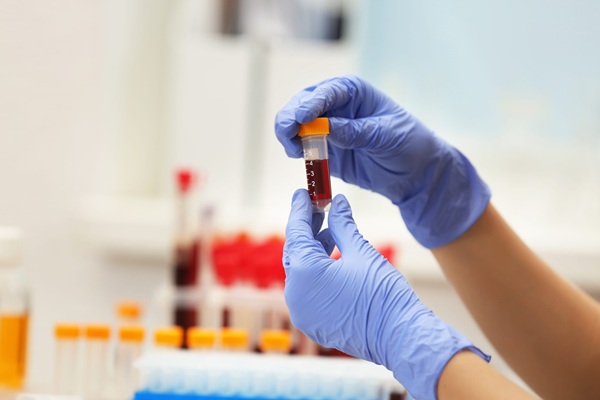
Blood Test Patterns Improve Cancer Risk Assessment in Primary Care
Unexplained weight loss is a common but nonspecific presentation in primary care that can precede several types of cancer, making referral decisions difficult. Routine blood tests may produce borderline... Read more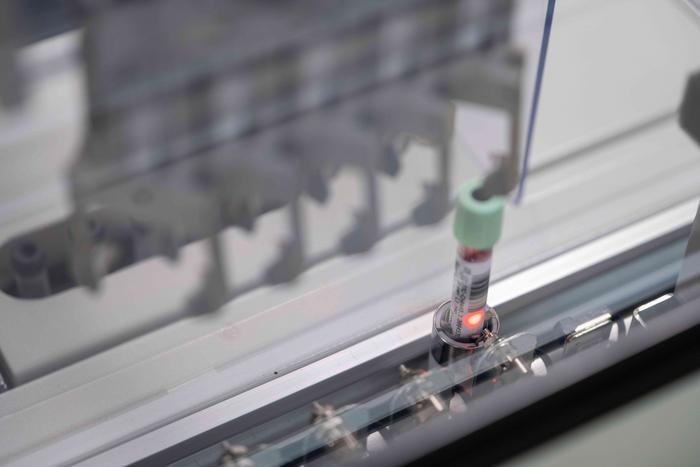
Multi-Biomarker Blood Test Shows Promise for Early Pancreatic Cancer Detection
Pancreatic cancer has the lowest survival rates of any cancer, with only 14% of patients alive five years after diagnosis. The disease is typically discovered after it has spread, and an estimated 90%... Read more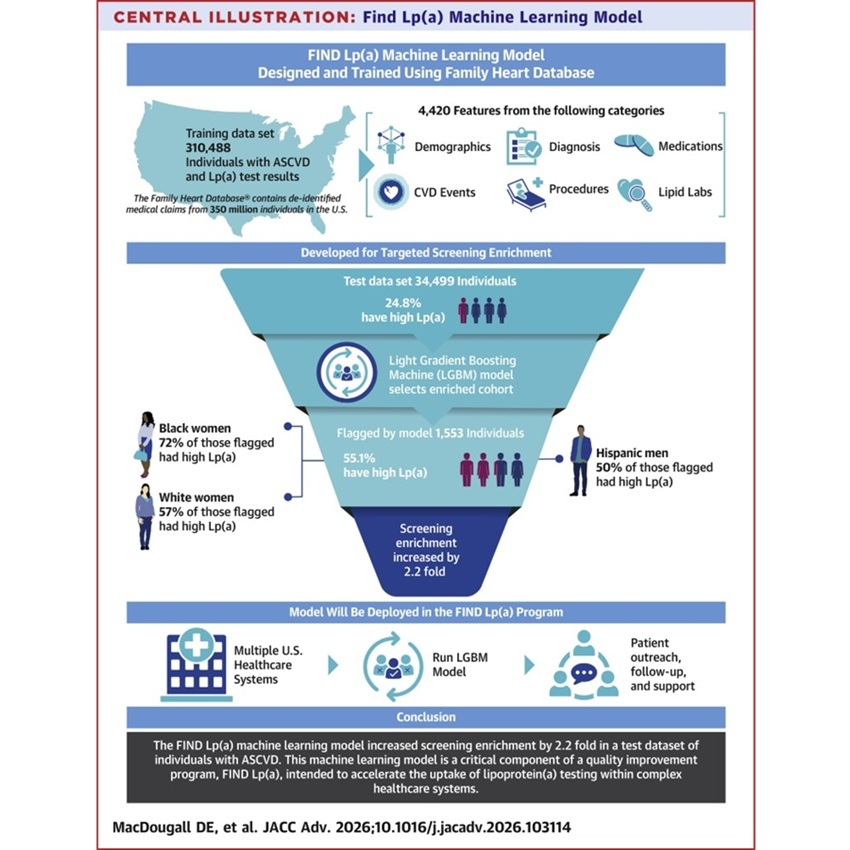
Machine Learning Supports Targeted Screening for Elevated Lipoprotein(a)
Lipoprotein(a) is an independent, genetically determined risk factor for atherosclerotic cardiovascular disease, yet routine screening remains uncommon despite guideline recommendations, leaving many high-risk... Read more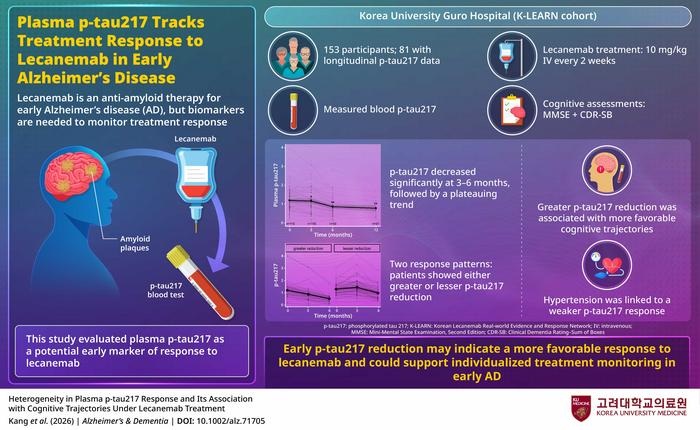
Blood Biomarker May Help Monitor Early Response to Lecanemab in Alzheimer’s Disease
Alzheimer’s disease is a progressive neurodegenerative disorder marked by amyloid-beta and tau pathology and remains a leading cause of cognitive decline in older adults. Although lecanemab, an anti-amyloid... Read moreMolecular Diagnostics
view channel
Rapid CRISPR Test Identifies Nontuberculous Mycobacteria Species from Respiratory Samples
Chronic lung infections caused by nontuberculous mycobacteria (NTM) are increasingly recognized but frequently mistaken for tuberculosis, complicating diagnosis and care. These infections may affect as... Read more
FDA Clears Compact Molecular COVID Test for Decentralized Care Settings
Decentralized healthcare settings such as urgent care clinics have historically struggled to deploy high-performance molecular testing. Barriers include high upfront costs, fixed testing capacity, large... Read more
Hematology
view channel
Updated Ferritin Thresholds Improve Detection of Iron Deficiency
Iron deficiency is one of the most common health conditions worldwide, yet its nonspecific symptoms can delay diagnosis for months. Variation in testing practices and ferritin thresholds may contribute... Read more
New Automated Hemostasis Systems Become Available Across US Laboratories
Hemostasis testing supports critical decisions in surgery, anticoagulation management, and the evaluation of bleeding and thrombotic disorders, but laboratories continue to face rising volumes and complex... Read more
Immunology
view channel
Blood EBV Activity Biomarkers May Predict Multiple Sclerosis Relapse Months Ahead
Predicting relapse in multiple sclerosis (MS) remains difficult, limiting opportunities for timely intervention and monitoring. Although many people harbor latent Epstein-Barr virus (EBV), growing evidence... Read more
New Cellular Map May Help Predict Crohn’s Disease Course in Children
Crohn’s disease in children is a common and debilitating form of inflammatory bowel disease, marked by chronic intestinal inflammation and limited pediatric-specific treatments. Clinicians must decide... Read more
Temporal Immune Profiling Reveals How Sepsis States Change Over Time
Sepsis is a life-threatening condition in which the immune response to infection becomes dysregulated, leading to rapid organ failure and death. Although antimicrobials and organ support remain standard... Read more
Study Identifies Immune Cells That Drive Harmful Autoantibody Responses in COVID-19
Autoantibodies that mistakenly attack the body’s own tissues have been linked to severe COVID-19, Long COVID, and increased risk of autoimmune disease. However, the origins of these autoantibodies during... Read moreMicrobiology
view channel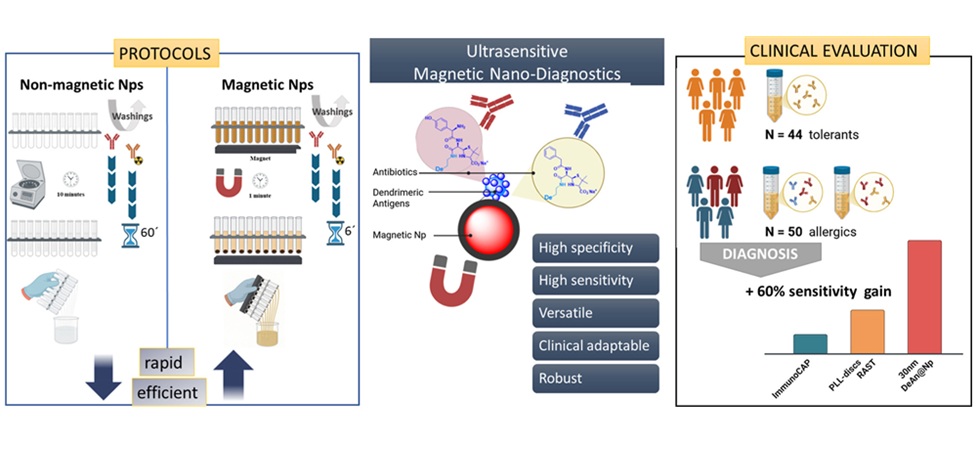
Magnetic Nanoparticles Enable More Sensitive Beta-Lactam Allergy Testing
Penicillin allergy labels are common in clinical practice, yet many are incorrect and can lead to suboptimal antibiotic choices. Although 8%–25% of people report a penicillin allergy, only 1%–10% are truly... Read more
Infant Skin Microbiome Show Links to Later Eczema and Food Allergies
Eczema, or atopic dermatitis, and food allergies often begin in infancy and are among the earliest stages of the atopic march. Atopic dermatitis alone can affect up to 20% of children, yet objective indicators... Read more
Diagnostic Stewardship Guide Targets Testing Overuse and Hospital Cost Pressures
Hospitals face persistent pressure to improve diagnostic accuracy while reducing unnecessary testing and costs. Misordered or overused assays can complicate infection metrics, trigger penalties, and strain... Read more
Research Strengthens Bundibugyo Virus Outbreak Readiness with Faster Diagnostics
Bundibugyo virus (BDBV), a species of ebolavirus, causes severe hemorrhagic disease and can be difficult to diagnose rapidly during outbreaks. Recent regulatory changes have further complicated swift deployment... Read morePathology
view channel
Machine Learning Cytology Tool Improves Cancer Cell Identification
Cytological screening remains central to early cancer detection, but its accuracy depends heavily on expert interpretation of stained cells. Under conventional microscopy, malignant and reactive cells... Read more
Tumor Budding Grading May Predict Chemotherapy Benefit in Resected Lung Squamous Cancer
Outcomes after resection for lung squamous cell carcinoma (SqCC) vary substantially, and the uneven benefit of adjuvant chemotherapy complicates postsurgical treatment decisions. Pathologic markers that... Read more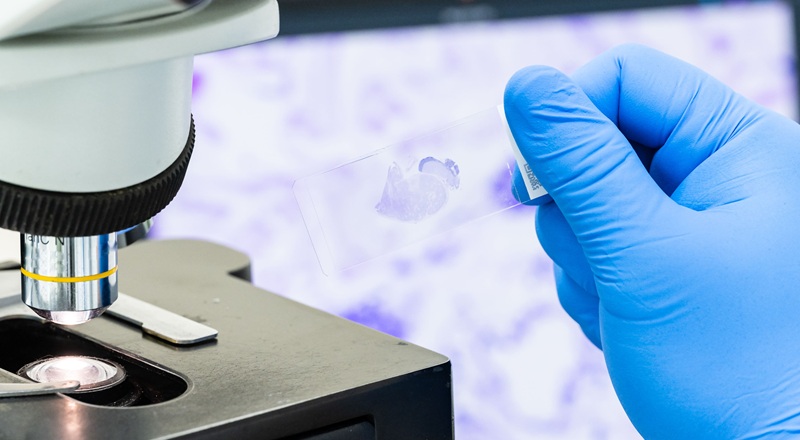
CAP Updates Cancer Protocols to Refine Breast Cancer Biomarker Reporting and GIST Molecular Testing
Standardized biomarker reporting and molecular profiling are central to pathology-driven cancer care, but evolving practices require laboratories to keep reporting templates current. These templates capture... Read more
Technology
view channel
ADLM Calls for CLIA Updates to Support Safe AI Use in Laboratory Medicine
Clinical laboratories increasingly use artificial intelligence to verify, interpret, and report results, but safeguards under the Clinical Laboratory Improvement Amendments (CLIA) were designed in 1992.... Read more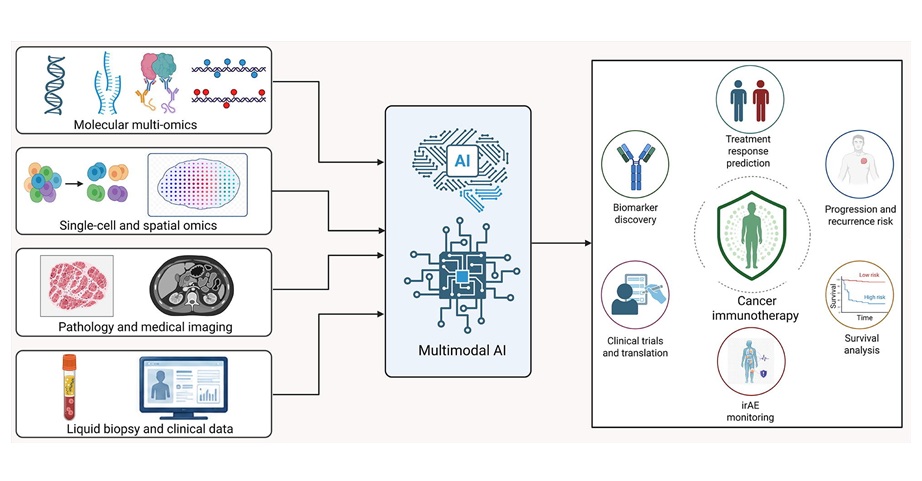
Multimodal AI Framework Aims to Guide Cancer Immunotherapy Decisions
Cancer immunotherapy has reshaped oncology, but heterogeneous responses and immune-related toxicities continue to complicate routine decision-making. Standard biomarkers, including programmed death-ligand... Read more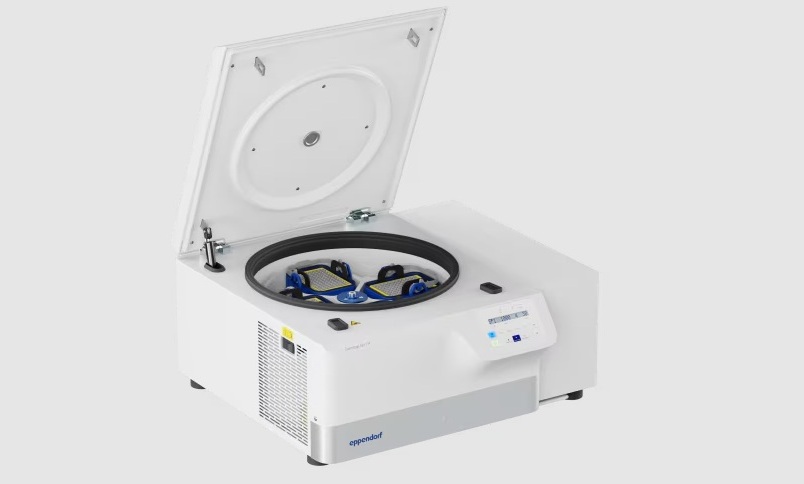
New Multipurpose Centrifuge Combines High Capacity with Sustainable Cooling
Laboratories often need centrifugation that accommodates multiple vessel formats while maintaining controlled temperatures to protect sensitive samples. Intuitive controls and repeatable operation can... Read more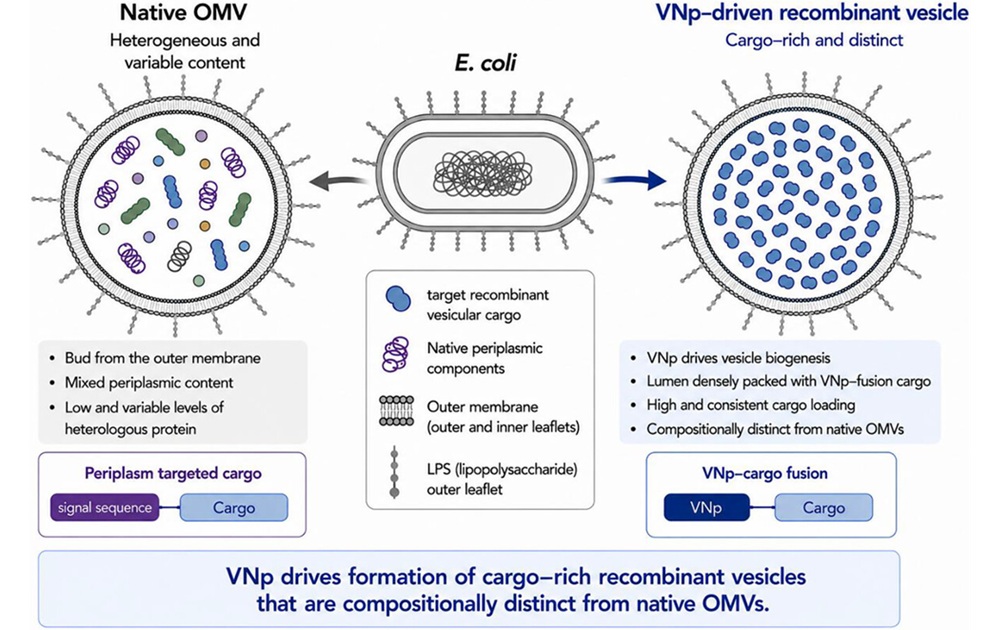
Bacterial Vesicle Expression System Streamlines Production of Cancer Diagnostic Proteins
Recombinant proteins are central to many cancer diagnostics and therapies, but numerous targets remain difficult and costly to produce because they are unstable, toxic to microbial hosts, or require precise folding.... Read moreIndustry
view channel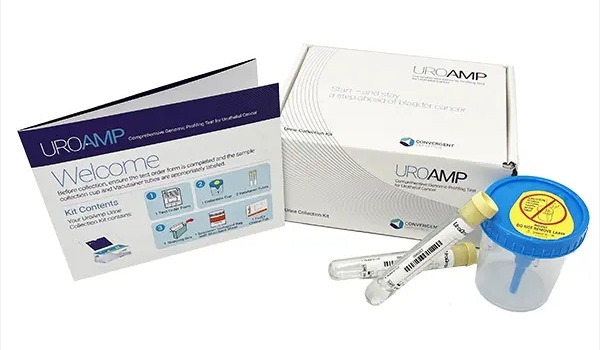
Veracyte Acquisition Expands Urine-Based Bladder Cancer Monitoring Capabilities
Veracyte, Inc. has acquired Convergent Genomics, expanding its urology diagnostics offerings with the company’s UroAmp platform and proprietary urinary tumor DNA (utDNA) technology. UroAmp has been clinically... Read more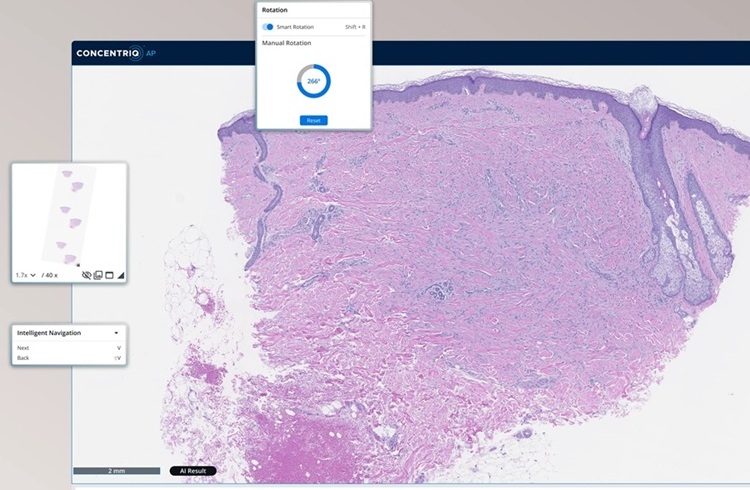
Unilabs Expands Digital Pathology Across European Network with Proscia Platform
As precision medicine expands, digital pathology platforms must connect teams, sites, diagnostic data, and artificial intelligence to accelerate routine diagnosis. Sharing expertise across laboratory networks... Read more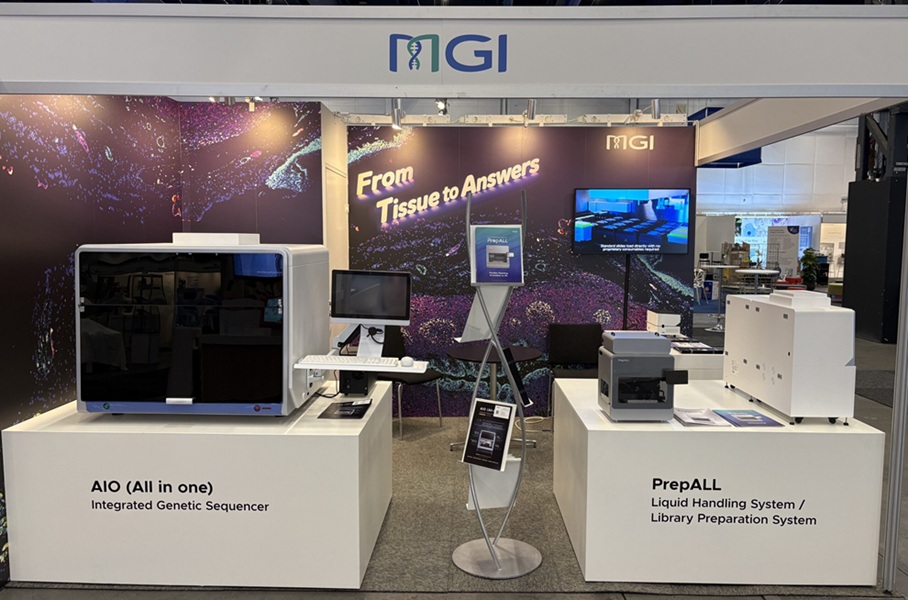
MGI Launches Automated Multiplex Tissue Staining and Imaging System at ECP 2026
MGI Tech Co., Ltd. (Shenzhen, China) introduced VisiOmics (PMIF-20RS), a fully automated multiplex immunofluorescence staining and imaging system, at the 38th European Congress of Pathology (ECP 2026)... Read more