LabMedica

Download Mobile App
Recent News Expo Clinical Chem. Molecular Diagnostics Hematology Immunology Microbiology Pathology Technology Industry Focus

New Bioreactor System Streamlines Strain Screening and Culture

By LabMedica International staff writers
Posted on 23 Nov 2015
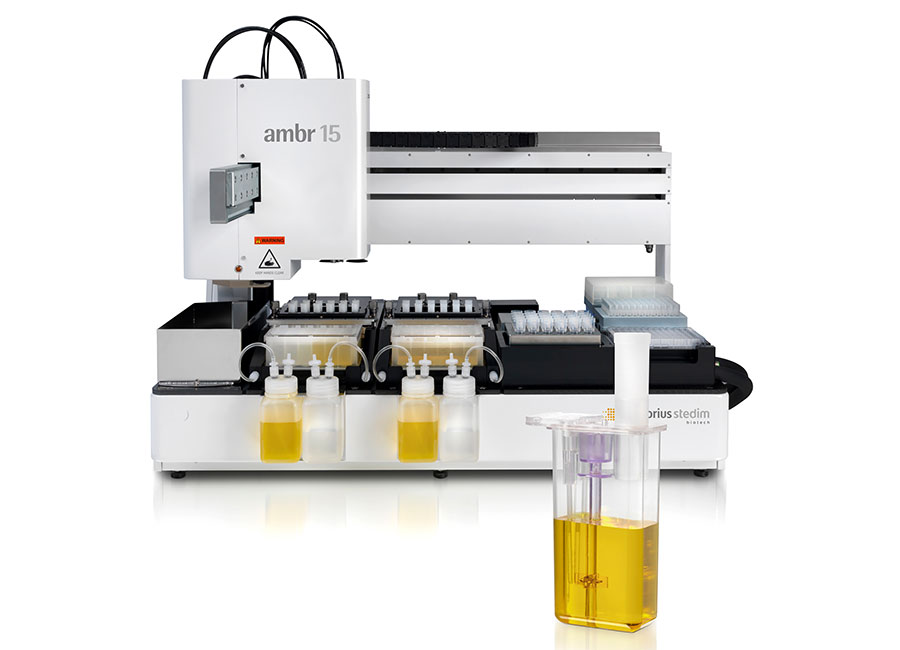
The new ambr 15 fermentation micro-bioreactor system designed to enhance microbial strain screening applications
The new ambr 15 fermentation micro-bioreactor system designed to enhance microbial strain screening applications (Photo courtesy of SARTORIUS AG)
Biotechnology laboratories working with bacterial cultures will benefit from a new automated micro bioreactor system that was designed to enhance microbial strain screening processes.

The Sartorius Stedim Biotech (Aubagne, France) new ambr 15 fermentation system comprises 24 single-use stirred micro-bioreactors (each with an 8 to 12 milliliter working volume) integrated with a user-friendly, automated workstation.

The system, which is based on Sartorius' gold-standard ambr 15 micro-bioreactor technology, offers parallel processing and walk-away control of 24 micro-bioreactors. These features provide the researcher with efficient, consistent results from an enhanced early stage screening platform.

The ambr 15 system was designed to deliver high oxygen transfer rates, rapid pH and feed additions, and is ideally suited for assessing the effects of different strains of microbial cultures. The instrument measures pH and dissolved oxygen every 12 seconds, and computer controlled pumps feed liquid lines for base and nutrient addition to each micro bioreactor.

Each single-use micro bioreactor vessel contains an impeller suitable for fermentation and provides enhanced capability compared to shaking culture systems. Since the ambr 15 vessels are single-use and are supplied sterile, cleaning and sterilization are eliminated, which decreases turnaround times between runs.

Dr. Barney Zoro, ambr product manager at Sartorius Stedim Biotech said, “Scientists have been trying to model microbial fermentation and screen microbial strains using shake plates and flasks but these devices are poor early stage models as they are not able to achieve representative cell densities, and do not allow monitoring and control of pH or dissolved oxygen. With these issues in mind, we developed ambr 15 fermentation and have data showing system consistency, repeatability, and predictive selection of strains. This demonstrates that the system is an excellent tool for enhanced screening applications, and we are confident that fermentation scientists will significantly reduce their time and resource demands when performing enhanced microbial strain selection studies using an ambr 15 fermentation system.”

Related Links:

Sartorius Stedim Biotech


Gold Member
Collection and Transport System
PurSafe Plus®
POC Helicobacter Pylori Test Kit
Hepy Urease Test
Sample Transportation System
Tempus1800 Necto
Automatic CLIA Analyzer
Shine i9000
Read the full article by registering today, it's FREE! It's Free!
Register now for FREE to LabMedica.com and get access to news and events that shape the world of Clinical Laboratory Medicine.
  • Free digital version edition of LabMedica International sent by email on regular basis
  • Free print version of LabMedica International magazine (available only outside USA and Canada).
  • Free and unlimited access to back issues of LabMedica International in digital format
  • Free LabMedica International Newsletter sent every week containing the latest news
  • Free breaking news sent via email
  • Free access to Events Calendar
  • Free access to LinkXpress new product services
  • REGISTRATION IS FREE AND EASY!
Click here to Register


Channels

Molecular Diagnostics

view channel
Image: The diagnostic device can tell how deadly brain tumors respond to treatment from a simple blood test (Photo courtesy of UQ)

Diagnostic Device Predicts Treatment Response for Brain Tumors Via Blood Test

Glioblastoma is one of the deadliest forms of brain cancer, largely because doctors have no reliable way to determine whether treatments are working in real time. Assessing therapeutic response currently... Read more

Immunology

view channel
Image: Circulating tumor cells isolated from blood samples could help guide immunotherapy decisions (Photo courtesy of Shutterstock)

Blood Test Identifies Lung Cancer Patients Who Can Benefit from Immunotherapy Drug

Small cell lung cancer (SCLC) is an aggressive disease with limited treatment options, and even newly approved immunotherapies do not benefit all patients. While immunotherapy can extend survival for some,... Read more

Microbiology

view channel
Image: New evidence suggests that imbalances in the gut microbiome may contribute to the onset and progression of MCI and Alzheimer’s disease (Photo courtesy of Adobe Stock)

Comprehensive Review Identifies Gut Microbiome Signatures Associated With Alzheimer’s Disease

Alzheimer’s disease affects approximately 6.7 million people in the United States and nearly 50 million worldwide, yet early cognitive decline remains difficult to characterize. Increasing evidence suggests... Read more

Technology

view channel
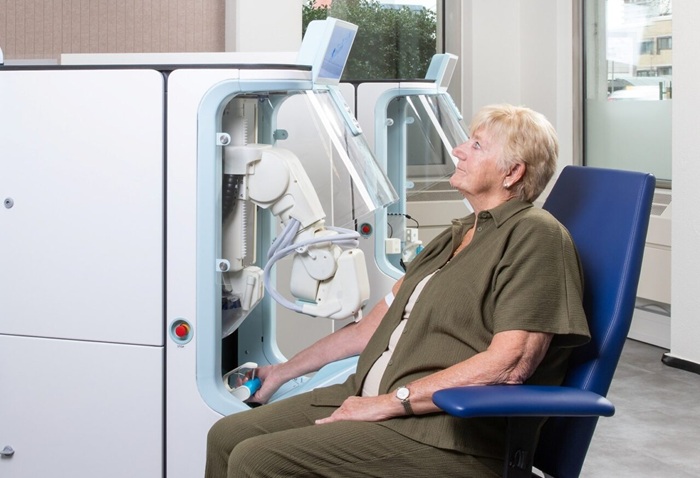
Image: Vitestro has shared a detailed visual explanation of its Autonomous Robotic Phlebotomy Device (photo courtesy of Vitestro)

Robotic Technology Unveiled for Automated Diagnostic Blood Draws

Routine diagnostic blood collection is a high‑volume task that can strain staffing and introduce human‑dependent variability, with downstream implications for sample quality and patient experience.... Read more

Industry

view channel
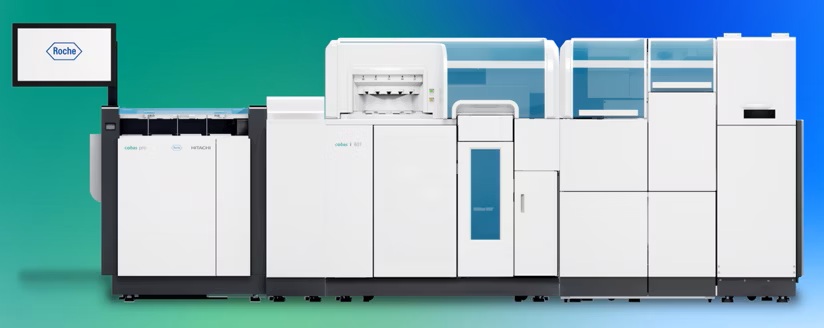
Image: Roche’s cobas® Mass Spec solution enables fully automated mass spectrometry in routine clinical laboratories (Photo courtesy of Roche)

New Collaboration Brings Automated Mass Spectrometry to Routine Laboratory Testing

Mass spectrometry is a powerful analytical technique that identifies and quantifies molecules based on their mass and electrical charge. Its high selectivity, sensitivity, and accuracy make it indispensable... Read more