LabMedica

Download Mobile App
Recent News Expo Clinical Chem. Molecular Diagnostics Hematology Immunology Microbiology Pathology Technology Industry Focus

New Microarray to Boost Developmental Delay Research

By LabMedica International staff writers
Posted on 23 Jun 2015
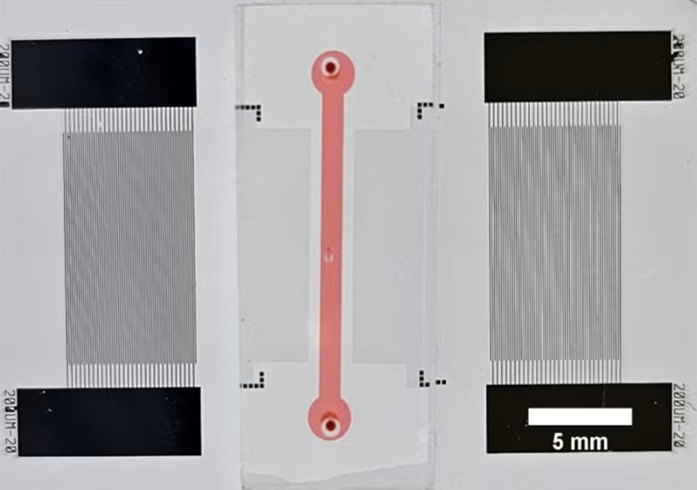
The Cytosure Constitutional v3 array set with eight arrays of 60,000 spots
The Cytosure Constitutional v3 array set with eight arrays of 60,000 spots (Photo courtesy of Oxford Gene Technology)
A new tool for studying the genetic causes of developmental delay was unveiled at a recent human genetics conference.

Despite three decades of successful, predominantly phenotype-driven discovery of the genetic causes of monogenic disorders, up to half of children with severe developmental disorders of probable genetic origin remain without a genetic diagnosis. Particularly challenging are those disorders rare enough to have eluded recognition as a discrete clinical entity, those with highly variable clinical manifestations, and those that are difficult to distinguish from other, very similar, disorders.

A new tool for studying the genetic foundation of developmental delay, the Oxford Gene Technology (Oxford, United Kingdom) Cytosure Constitutional v3 DNA microarray, was introduced to genomic researchers at the June 2015 European Society of Human Genetics (ESHG) Conference held in Glasgow (United Kingdom).

The Cytosure Constitutional v3 array was developed in collaboration with the Wellcome Trust Sanger Institute (Hinxton, United Kingdom). This tool combines the most up-to-date and relevant developmental delay content from the recent Deciphering Developmental Disorders (DDD) study with the latest updates from ClinGen, an international cooperative dedicated to sharing genomic and phenotypic developmental disorder data provided by clinicians, researchers, and patients through centralized databases for clinical and research use.

Oxford Gene Technology has optimized the arrays via a proprietary probe design algorithm and experimental validation, enabling the selection of highly-targeted, specific probes throughout the genome. Regions with the highest priority are covered at exon-level resolution on the arrays, enabling single-exon detection in up to 502 prioritized genes of interest.

James Clough, executive vice president commercial at Oxford Gene Technology, said, “Through combining our superior array design capabilities with the latest research-led gene content, we are proud to offer our customers the most advanced array design available for accurately and easily identifying the causal aberrations underlying developmental delay. These new products underline Oxford Gene Technology’s long-standing commitment to providing cytogenetics researchers with the latest tools to further understand developmental disorders.”

Related Links:

Oxford Gene Technology
Wellcome Trust Sanger Institute
ClinGen

Gold Member
Quantitative POC Immunoassay Analyzer
EASY READER+
POC Helicobacter Pylori Test Kit
Hepy Urease Test
Urine Chemistry Control
Dropper Urine Chemistry Control
Pipette
Accumax Smart Series
Read the full article by registering today, it's FREE! It's Free!
Register now for FREE to LabMedica.com and get access to news and events that shape the world of Clinical Laboratory Medicine.

  • Free digital version edition of LabMedica International sent by email on regular basis
  • Free print version of LabMedica International magazine (available only outside USA and Canada).
  • Free and unlimited access to back issues of LabMedica International in digital format
  • Free LabMedica International Newsletter sent every week containing the latest news
  • Free breaking news sent via email
  • Free access to Events Calendar
  • Free access to LinkXpress new product services
  • REGISTRATION IS FREE AND EASY!
Click here to Register


Channels

Molecular Diagnostics

view channel
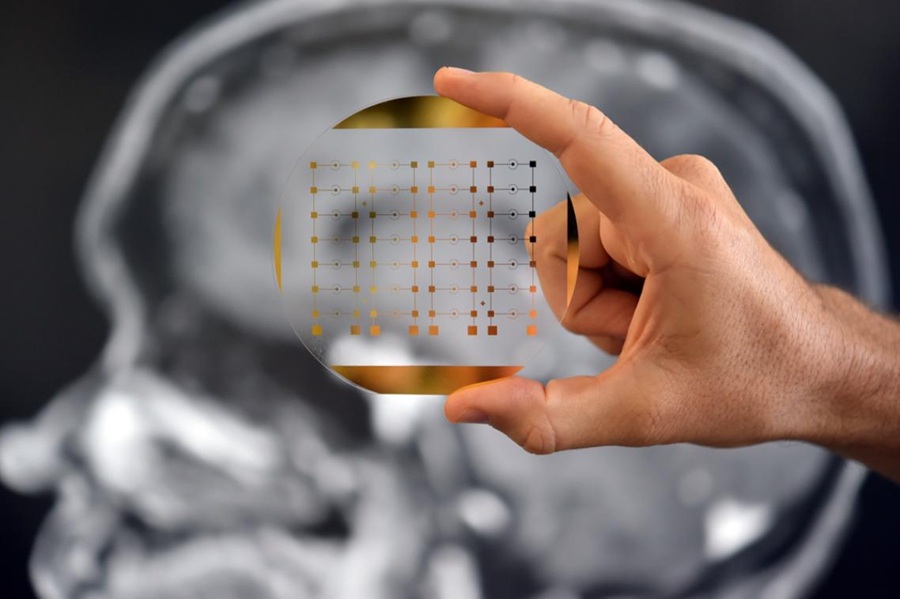
Image: The diagnostic device can tell how deadly brain tumors respond to treatment from a simple blood test (Photo courtesy of UQ)

Diagnostic Device Predicts Treatment Response for Brain Tumors Via Blood Test

Glioblastoma is one of the deadliest forms of brain cancer, largely because doctors have no reliable way to determine whether treatments are working in real time. Assessing therapeutic response currently... Read more

Immunology

view channel
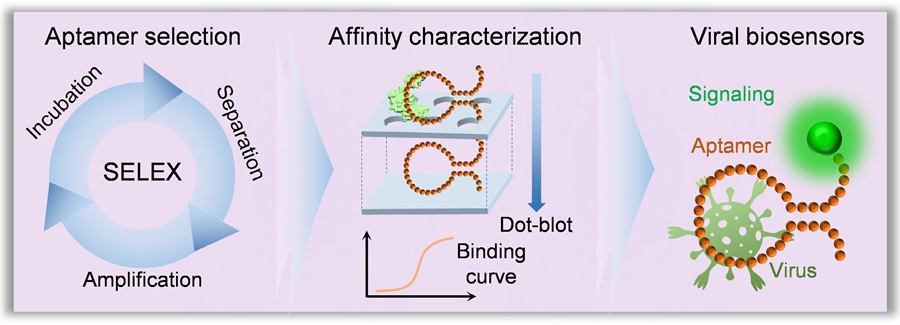
Image: Circulating tumor cells isolated from blood samples could help guide immunotherapy decisions (Photo courtesy of Shutterstock)

Blood Test Identifies Lung Cancer Patients Who Can Benefit from Immunotherapy Drug

Small cell lung cancer (SCLC) is an aggressive disease with limited treatment options, and even newly approved immunotherapies do not benefit all patients. While immunotherapy can extend survival for some,... Read more

Microbiology

view channel
Image: New evidence suggests that imbalances in the gut microbiome may contribute to the onset and progression of MCI and Alzheimer’s disease (Photo courtesy of Adobe Stock)

Comprehensive Review Identifies Gut Microbiome Signatures Associated With Alzheimer’s Disease

Alzheimer’s disease affects approximately 6.7 million people in the United States and nearly 50 million worldwide, yet early cognitive decline remains difficult to characterize. Increasing evidence suggests... Read more

Technology

view channel
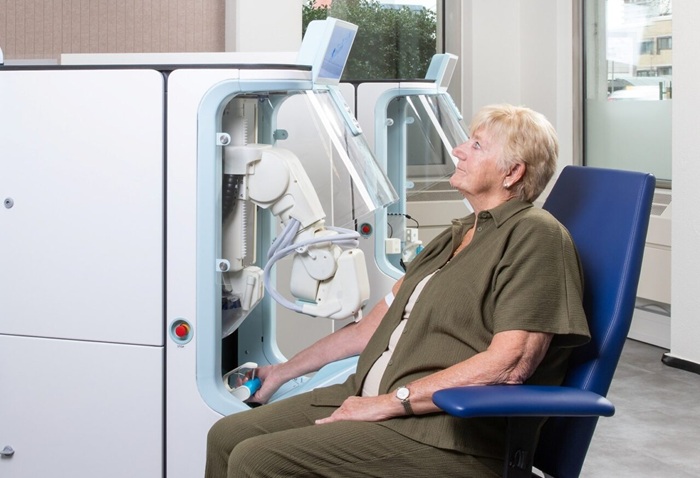
Image: Vitestro has shared a detailed visual explanation of its Autonomous Robotic Phlebotomy Device (photo courtesy of Vitestro)

Robotic Technology Unveiled for Automated Diagnostic Blood Draws

Routine diagnostic blood collection is a high‑volume task that can strain staffing and introduce human‑dependent variability, with downstream implications for sample quality and patient experience.... Read more

Industry

view channel
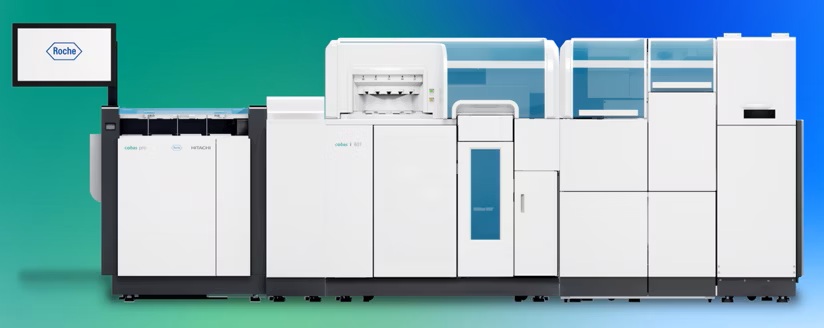
Image: Roche’s cobas® Mass Spec solution enables fully automated mass spectrometry in routine clinical laboratories (Photo courtesy of Roche)

New Collaboration Brings Automated Mass Spectrometry to Routine Laboratory Testing

Mass spectrometry is a powerful analytical technique that identifies and quantifies molecules based on their mass and electrical charge. Its high selectivity, sensitivity, and accuracy make it indispensable... Read more