Blocking Enzyme Switch Turns Off Tumor Growth in T-Cell Acute Lymphoblastic Leukemia
|
By LabMedica International staff writers Posted on 04 Nov 2014 |


|
Researchers recently reported that blocking the action of an enzyme “switch” needed to activate tumor growth is emerging as a practical strategy for treating T-cell acute lymphoblastic leukemia.
An estimated 25% of the 500 US adolescents and young adults diagnosed yearly with this aggressive disease fail to respond to standard chemotherapy drugs that target cancer cells.
In a report on the research with mice and human laboratory cells, which was published in the October 23, 2014, edition of the journal Nature, investigators from New York University (NYU) Langone Medical Center (New York, NY, USA) concluded that the enzyme JMJD3 acts as a cancer “on” switch by splitting off a methyl group of another protein that is usually methylated by a tumor-suppressing enzyme. This enzyme, known as polycomb repressive complex 2 (PRC2), acts, in turn, to inactivate cancer cell proliferation.
The destabilizing and getting rid of PRC2, as the same researchers previously revealed, leads to the activation of the NOTCH1 biologic pathway, a process common to many cancers but particularly active in at least 50% of all individuals with T-cell acute lymphoblastic leukemia.
“Our investigations are showing incredible promise in fighting this disease at the transcriptional level,” says senior study investigator and NYU Langone cancer biologist Iannis Aifantis, PhD. “We are blocking the action of enzymes controlling the transcription of proteins involved in leukemia rather than attempting to directly suppress cancer genes.”
The researchers noted that the drug manufacturer, GlaxoSmithKline (Middlesex, UK), is already developing an investigational compound called GSKJ4, whose treatment path follows the biologic blue print revealed in the new research. If GSKJ4 works in further testing to prevent JMJD3 from destabilizing and expelling PRC2, Dr. Aifantis noted, it could become the first of its kind option to standard chemotherapy in years for treating this type of leukemia.
“Revealing the actions of JMJD3, and successfully blocking the enzyme to stall tumor progression, shows that new treatments for T-cell acute lymphoblastic leukemia are not simply theoretical, but practical,” added Dr. Aifantis, chair of the department of pathology at NYU Langone.
Dr. Aifantis reported that the latest findings are the culmination of several years of research by his team to unravel precisely how PRC2 inhibits tumor growth since the investigators first reported the phenomenon in leukemia published in 2012 in the journal Nature Medicine. For this study, the researchers investigated exactly how demethylation, the removal of a methyl chemical bond-triggers the chain of events that evicts PRC2 from cells, thereby removing PRC2 suppression of NOTCH1, which directly binds to and activates cancer-causing genes.
Specifically, the researchers focused on a protein controlled and methylated by PRC2 called histone 3 lysine 27 (H3K27) as well as two other enzymes closely tied to H3K27: JMJD3 and UTX, the latter short for ubiquitously transcribed tetratricopeptide repeat X-linked protein.
What the study found is that JMJD3 was highly active in both mice and human leukemia cells at all stages of tumor growth and development. By contrast, UTX was not overly produced in leukemia, but highly active in noncancerous mouse and human cells. When mice and human leukemia cells were treated with the experimental drug GSKJ4, JMJD3 activity blocked and all cancer cells ultimately died, the researchers reported.
Subsequent genetic research showed that in leukemic mice bred so that they are unable to make JMJD3, NOTCH1 activity dropped, while UTX activity remained the same. The disease also progressed much faster, the investigators discovered, in mice bred without UTX, while mice lived longer if they produced UTX. The findings suggest that UTX production controls several tumor-suppressing genes.
To additionally validate the findings, researchers screened more than 200 blood samples from children and adults with T-cell acute lymphoblastic leukemia, revealing several common mutations in UTX. Plans are ongoing, according to Dr. Aifantis, to assess GSKJ4 against human leukemia cells transplanted into mice. Other research will use the drug molecule in combination with standard chemotherapy in animal models with leukemia.
“Our report serves as a valuable reminder of just how complex cancers like T-cell acute lymphoblastic leukemia can be, and that enzymes can play many, even opposing, roles in both tumor growth and suppression,” concluded Dr. Aifantis.
Related Links:
New York University Langone Medical Center
GlaxoSmithKline
.jpg)






An estimated 25% of the 500 US adolescents and young adults diagnosed yearly with this aggressive disease fail to respond to standard chemotherapy drugs that target cancer cells.
In a report on the research with mice and human laboratory cells, which was published in the October 23, 2014, edition of the journal Nature, investigators from New York University (NYU) Langone Medical Center (New York, NY, USA) concluded that the enzyme JMJD3 acts as a cancer “on” switch by splitting off a methyl group of another protein that is usually methylated by a tumor-suppressing enzyme. This enzyme, known as polycomb repressive complex 2 (PRC2), acts, in turn, to inactivate cancer cell proliferation.
The destabilizing and getting rid of PRC2, as the same researchers previously revealed, leads to the activation of the NOTCH1 biologic pathway, a process common to many cancers but particularly active in at least 50% of all individuals with T-cell acute lymphoblastic leukemia.
“Our investigations are showing incredible promise in fighting this disease at the transcriptional level,” says senior study investigator and NYU Langone cancer biologist Iannis Aifantis, PhD. “We are blocking the action of enzymes controlling the transcription of proteins involved in leukemia rather than attempting to directly suppress cancer genes.”
The researchers noted that the drug manufacturer, GlaxoSmithKline (Middlesex, UK), is already developing an investigational compound called GSKJ4, whose treatment path follows the biologic blue print revealed in the new research. If GSKJ4 works in further testing to prevent JMJD3 from destabilizing and expelling PRC2, Dr. Aifantis noted, it could become the first of its kind option to standard chemotherapy in years for treating this type of leukemia.
“Revealing the actions of JMJD3, and successfully blocking the enzyme to stall tumor progression, shows that new treatments for T-cell acute lymphoblastic leukemia are not simply theoretical, but practical,” added Dr. Aifantis, chair of the department of pathology at NYU Langone.
Dr. Aifantis reported that the latest findings are the culmination of several years of research by his team to unravel precisely how PRC2 inhibits tumor growth since the investigators first reported the phenomenon in leukemia published in 2012 in the journal Nature Medicine. For this study, the researchers investigated exactly how demethylation, the removal of a methyl chemical bond-triggers the chain of events that evicts PRC2 from cells, thereby removing PRC2 suppression of NOTCH1, which directly binds to and activates cancer-causing genes.
Specifically, the researchers focused on a protein controlled and methylated by PRC2 called histone 3 lysine 27 (H3K27) as well as two other enzymes closely tied to H3K27: JMJD3 and UTX, the latter short for ubiquitously transcribed tetratricopeptide repeat X-linked protein.
What the study found is that JMJD3 was highly active in both mice and human leukemia cells at all stages of tumor growth and development. By contrast, UTX was not overly produced in leukemia, but highly active in noncancerous mouse and human cells. When mice and human leukemia cells were treated with the experimental drug GSKJ4, JMJD3 activity blocked and all cancer cells ultimately died, the researchers reported.
Subsequent genetic research showed that in leukemic mice bred so that they are unable to make JMJD3, NOTCH1 activity dropped, while UTX activity remained the same. The disease also progressed much faster, the investigators discovered, in mice bred without UTX, while mice lived longer if they produced UTX. The findings suggest that UTX production controls several tumor-suppressing genes.
To additionally validate the findings, researchers screened more than 200 blood samples from children and adults with T-cell acute lymphoblastic leukemia, revealing several common mutations in UTX. Plans are ongoing, according to Dr. Aifantis, to assess GSKJ4 against human leukemia cells transplanted into mice. Other research will use the drug molecule in combination with standard chemotherapy in animal models with leukemia.
“Our report serves as a valuable reminder of just how complex cancers like T-cell acute lymphoblastic leukemia can be, and that enzymes can play many, even opposing, roles in both tumor growth and suppression,” concluded Dr. Aifantis.
Related Links:
New York University Langone Medical Center
GlaxoSmithKline

New
Gold Member
Clinical Chemistry Assay
Sorbitol Dehydrogenase (SDH)
New
Clinical Informatics Platform
CLARION™
New
Automated Clinical Chemistry Analyzer
Envoy 500+
Latest BioResearch News
- Innate Immunity Variants Associated With Earlier Breast Cancer in BRCA1 Carriers
- Genetic Cause Identified for Severe Infant Epilepsy
- Study Reveals Diagnostic and Therapeutic Target in Rare Pancreatic Tumors
- Researchers Identify Survival Pathway Undermining Targeted Cancer Drugs
- Large-Scale Study Maps DNA Damage Signatures Across Multiple Cancers
- Study Identifies Distinct Immune Signatures to Early Depression and Psychosis
- Genetic Mutation Behind Aggressive Adult Leukemia Offers Treatment Clues
- Disease Gene Discovery Advances Diagnosis of Rare Movement Disorders
- Genetic Discovery Could Improve Diagnosis of Drug-Resistant Epilepsy
- Genetic Discovery May Improve Diagnosis of Rare Dementia Subtype
- Mass Spectrometry Technique Detects Protein and Sugar Changes in Neurodegeneration
- Barcoded DNA Sheds Light on Hidden Complexities in Breast Cancer Detection
- CRISPR-Based Platform Pinpoints Drivers of Acute Myeloid Leukemia in Patient Cells
- Protective Brain Protein Emerges as Biomarker Target in Alzheimer’s Disease
- Genome Analysis Predicts Likelihood of Neurodisability in Oxygen-Deprived Newborns
- Gene Panel Predicts Disease Progession for Patients with B-cell Lymphoma
Channels
Clinical Chemistry
view channel
AI-Based Blood Test Diagnose Multiple Brain Disorders from Blood Sample
Diagnosing the cause of age-related cognitive symptoms remains challenging because clinical presentations of neurodegenerative diseases often overlap, and multiple pathologies can co-occur... Read more
New CLIA Status Brings Mass Spectrometry Steroid Testing to Routine Labs
Steroid hormone measurement is a core application of clinical mass spectrometry, which is widely regarded as a diagnostic gold standard. Access to these high-specificity methods has often been constrained... Read more

Molecular Diagnostics
view channel
RNA Profiling Uncovers Therapeutic Targets in Solid Tumors
Many patients with advanced solid tumors exhaust broad DNA panel testing yet still lack biomarkers that match guideline-recommended therapies, limiting access to targeted options. Expanding molecular profiling... Read more
Whole Genome Sequencing in Routine Care Expands Rare Disease Detection
Rare diseases often involve prolonged diagnostic journeys that delay clinical decision-making and complicate family planning. As phenotypes become more heterogeneous, sequencing-based methods are increasingly... Read more

Hematology
view channel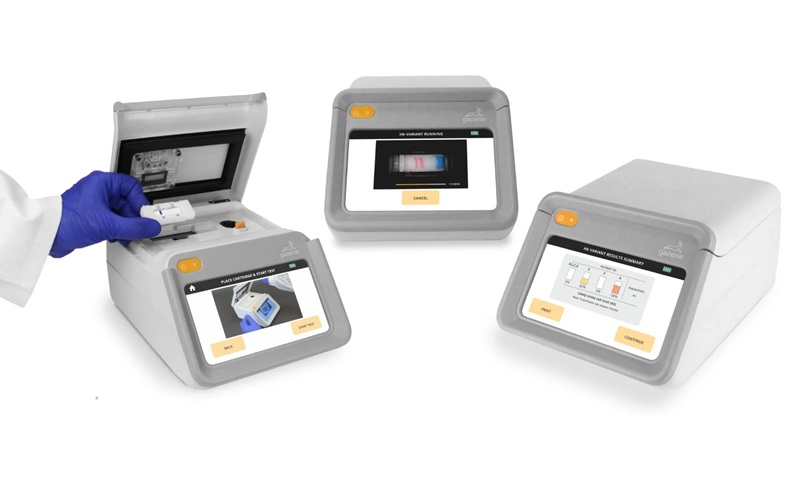
Rapid Cartridge-Based Test Aims to Expand Access to Hemoglobin Disorder Diagnosis
Sickle cell disease and beta thalassemia are hemoglobin disorders that often require referral to specialized laboratories for definitive diagnosis, delaying results for patients and clinicians.... Read more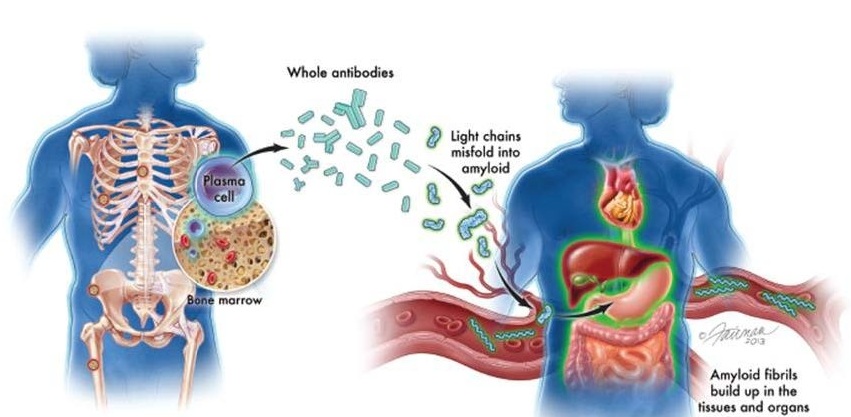
New Guidelines Aim to Improve AL Amyloidosis Diagnosis
Light chain (AL) amyloidosis is a rare, life-threatening bone marrow disorder in which abnormal amyloid proteins accumulate in organs. Approximately 3,260 people in the United States are diagnosed... Read more

Immunology
view channel
Antibody Blood Test Identifies Active TB and Distinguishes Latent Infection
Active tuberculosis (TB) remains a leading cause of death and illness worldwide, yet distinguishing contagious disease from latent infection continues to challenge clinicians. Standard screening tools... Read more
FDA Approval Expands Use of PD-L1 Companion Diagnostic in Esophageal and GEJ Carcinomas
Esophageal and gastroesophageal junction carcinomas (GEJ) have a poor prognosis, with approximately 16,250 deaths in the United States in 2025 and a five-year relative survival of 21.9%.... Read more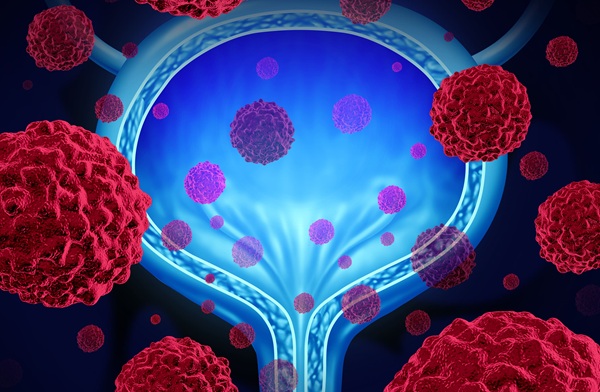
Study Identifies Inflammatory Pathway Driving Immunotherapy Resistance in Bladder Cancer
Bladder cancer remains a prevalent malignancy with variable responses to immune checkpoint inhibitors. Clinicians often observe elevated C-reactive protein and interleukin-6 in affected patients, yet the... Read more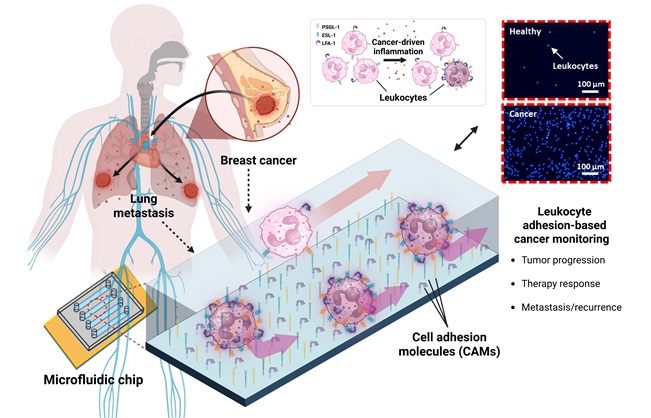
Microbiology
view channel
New Bacterial Target Identified for Early Detection of Noma
Noma is a rapidly progressing orofacial infection that begins as gingivitis and can destroy oral and facial tissues, primarily affecting young children living in extreme poverty. Without treatment, it... Read more
Genomic Analysis Links Emerging Streptococcal Strains to Specific Infections
Streptococcus dysgalactiae subspecies equisimilis (SDSE) infections are increasing worldwide and include variants that may lead to severe disease. Researchers now report that whole-genome sequencing of... Read more

Pathology
view channel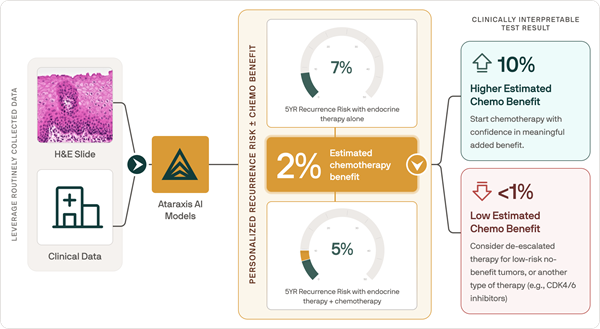
AI Tool Predicts Patient-Specific Chemotherapy Benefit in Breast Cancer
Selecting adjuvant chemotherapy for early-stage breast cancer is typically guided by recurrence risk and population-level averages rather than patient-specific benefit. However, existing clinicopathologic... Read more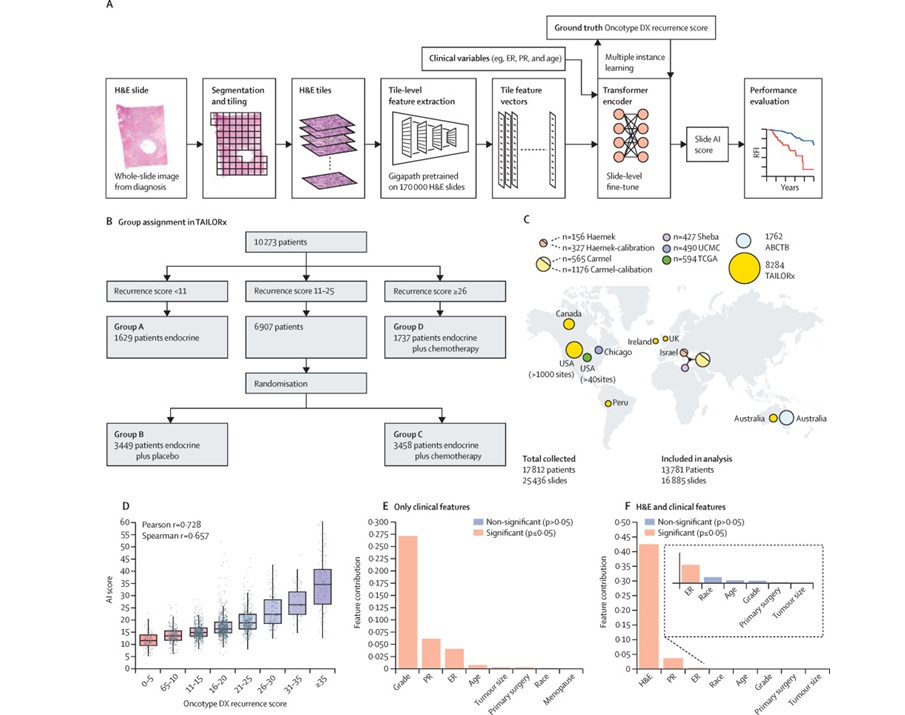
AI-Based Pathology Model Guides Chemotherapy Decisions in Breast Cancer
Selecting adjuvant chemotherapy for early-stage breast cancer remains a difficult decision because only a subset benefits and many undergo toxicity without gain. Genomic assays can help but are costly,... Read more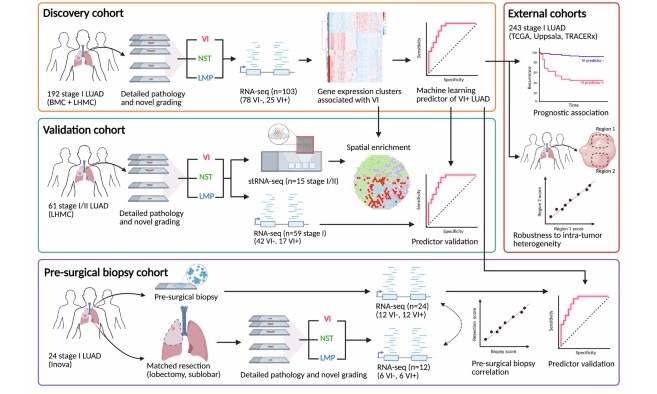

Technology
view channel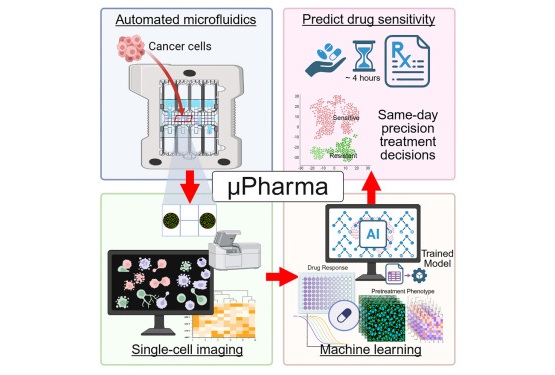
New AI Tool Enables Rapid Treatment Selection in Pediatric Leukemia
Children with T-cell acute lymphoblastic leukemia face an aggressive disease that remains difficult to treat. Although remission rates have improved, many survivors experience long-term effects from intensive... Read more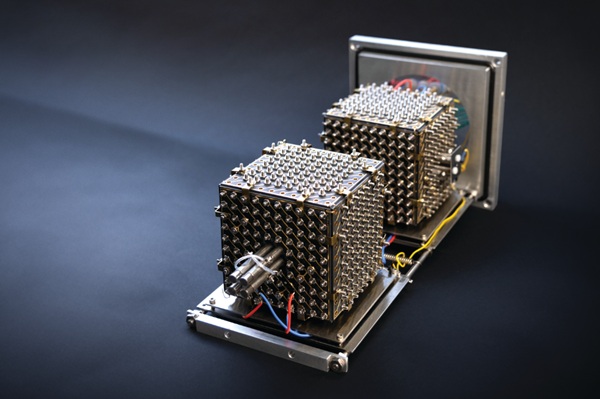
Breakthrough Mass Spectrometry Design Could Enable Ultra-Low Abundance Detection
Mass spectrometry is central to identifying and quantifying molecules in complex biological samples, but conventional instruments typically analyze ions sequentially, which can limit detection of rare species.... Read more

Industry
view channel
Takara Bio USA and Hamilton Partner Partner to Automate NGS Library Preparation
Takara Bio USA, Inc. (San Jose, CA, USA), a wholly owned subsidiary of Takara Bio Inc., and Hamilton Company (Reno, NV, USA) announced a development and co-marketing agreement to deliver integrated, automated... Read more