Genetic Cause Identified for Severe Infant Epilepsy
Posted on 31 Mar 2026
Severe early-onset epilepsy and neurodevelopmental delay leave many families without clear answers, and antiseizure medications often fail to fully control symptoms. Genetic causes can be hard to pinpoint when variants lie in very small, non–protein-coding regions of the genome. Clarifying these etiologies enables more precise diagnosis and counseling. Researchers now report a frequent recessive disorder linked to the RNU2-2 gene that underlies difficult-to-control seizures in infancy.
At The University of Manchester and Manchester University NHS Foundation Trust (MFT), investigators analyzed sequence variants across several hundred RNU genes using data from the Genomics England 100,000 Genomes Project. The effort identified a condition termed recessive RNU2-2–related neurodevelopmental disorder and documented 84 affected individuals worldwide. The study, published in Nature Genetics (2026), indicates that thousands more people may remain undiagnosed and that millions globally could be carriers.
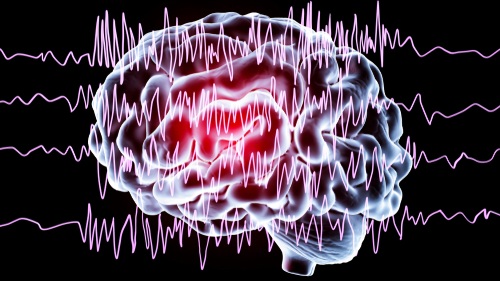
The analysis focused on a tiny, non–protein-coding gene, RNU2-2, in which biallelic variants were linked to a remarkably frequent developmental and epileptic encephalopathy. Children with the disorder typically present in the first year of life with severe, difficult-to-control seizures. Profound effects on development are described, with delays in milestones such as walking or talking and significant learning problems in almost all individuals.
The work builds on prior findings from the Manchester team implicating RNU genes in brain development and function. Clinicians supporting an affected child in Australia, the Sydney Children’s Hospital Clinical Genetics Team, collaborated with Manchester researchers to connect that case to the newly defined disorder. The program was delivered through the National Institute for Health and Care Research (NIHR) Manchester Biomedical Research Center (BRC).
“What makes this discovery even more remarkable is that RNU2-2 is extremely small in comparison to other genes. Unlike most other genes, RNU2-2 does not even make a protein. We were astonished to discover how changes in this tiny gene can have such profound effects in so many individuals,” said Dr. Adam Jackson, Academic Clinical Fellow at the Manchester Center for Genomic Medicine at MFT and The University of Manchester.
“Our work helps expand knowledge of conditions related to RNU genes, an emerging group of diseases which potentially affect around 1 in 10,000 individuals globally. It also shines a light on the regions of the human genome sometimes dismissed as ‘junk DNA.’ We now see that so-called ‘dark regions’ are vital for health,” said Professor Siddharth Banka, Consultant Clinical Geneticist at the Manchester Center for Genomic Medicine at MFT and Professor of Genomic Medicine and Rare Diseases at The University of Manchester.
Related Links
Manchester Center for Genomic Medicine