Disease Gene Discovery Advances Diagnosis of Rare Movement Disorders
Posted on 18 Mar 2026
Rare movement disorders frequently remain without a definitive molecular diagnosis even with widespread access to high-throughput sequencing. This uncertainty complicates clinical workups for conditions that combine gait ataxia, spasticity, and other motor symptoms. Establishing causative genes is essential to refine testing strategies and interpret variants. Researchers now report that alterations in CD99L2 underlie an X-linked form of spastic ataxia, based on a large-scale genomic analysis and mechanistic studies.
At Ruhr University Bochum (Bochum, Germany), investigators working with colleagues at the University ofr Tübingen (Tübingen, Germany) examined 2,811 individuals presenting with ataxia, hereditary spastic paraplegia, or dystonia and identified disease-causing variants in CD99L2 as the basis of X-linked spastic ataxia. The work, integrating genome-wide analysis with cellular biology, was published in Nature Communications on February 14, 2026. Genetic analysis of the cohort was conducted in Tübingen, and functional characterization was performed at the Department of Human Genetics in Bochum.
Spastic ataxia is a group of rare neurodegenerative disorders in which impaired movement coordination (ataxia) occurs alongside spastic paralysis. These symptoms arise from involvement of the cerebellum and motor pathways within the central nervous system. Disease onset and progression vary depending on the underlying genetic cause.
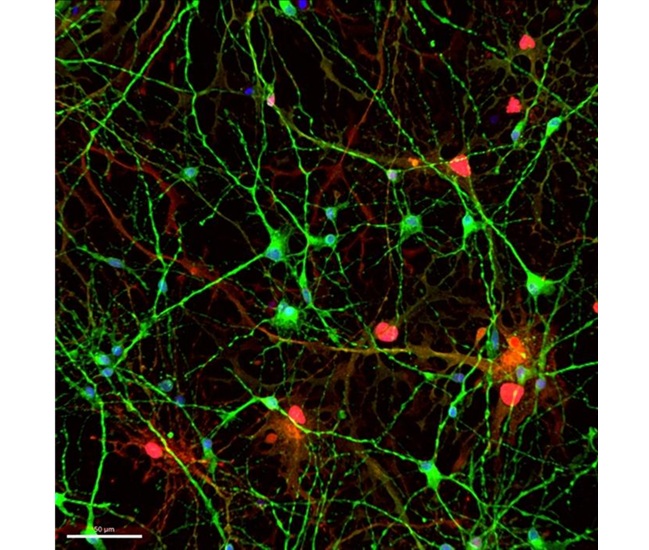
CD99L2 had previously been associated with immune function, but a neurological role had not been described. The Bochum team demonstrated that the CD99L2 protein serves as an activating partner for the calcium-dependent protease CAPN1, which is a known disease protein in spastic paraplegia and ataxia. In patient-derived cells, reduced CAPN1 activation and consequent dysregulation of neuronal signaling were observed alongside specific disruptions of synaptic processes, offering a biologically plausible explanation for the movement disorder phenotype.
According to the authors, designating CD99L2 as a disease gene enhances the precision of genetic diagnostics for rare movement disorders and provides insights into fundamental neurodegenerative mechanisms. The study highlights how combining large-scale genetics with targeted functional assays can link patient variants to disease pathways.
“Disease-causing variants lead to disrupted production of the CD99L2 protein in the cell and prevent its interaction with CAPN1,” said Dr. Jonasz Weber, who led the functional characterization at the Department of Human Genetics, Ruhr University Bochum.
“Our results show that genetic diagnostics and functional neuroscience are not mutually exclusive areas. Only when both disciplines work closely together can a reliable disease mechanism be derived from a genetic variant,” said Dr. Weber.
Related Links
Ruhr University Bochum
University of Tübingen