Innovative Twists to Nanotechnology Create DNA-Building Toolkit
|
By LabMedica International staff writers Posted on 03 Apr 2013 |


|
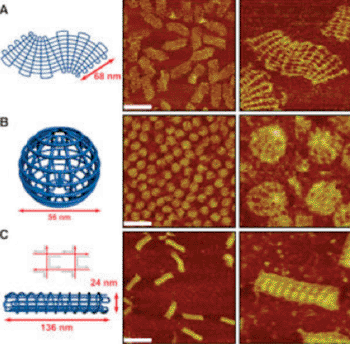
Image: An S-shaped DNA structure (A) a sphere (B) and a screw (C), along with microscopy images of the actual nanostructures. Each scale bar is 200 nm, and the images on the right zoom-in on the images in a 200-nm by 200-nm square. (Photo courtesy of Biodesign Institute).
In a new discovery that signifies a key step in resolving a critical design hurdle, investigators have generated a wide range of two-dimensional (2D) and 3D structures that advance the boundaries of the nascent field of DNA nanotechnology.
The field of DNA nanotechnology utilizes nature’s design guidelines and the chemical characteristics of DNA to self-assemble into an increasingly complicated group of molecules for biomedical and electronic applications. Arizona State University (ASU; Phoenix, USA) Prof. Hao Yan led the research team, and some of his lab’s achievements include constructing Trojan horse-like structures to optimize drug delivery to cancerous cells, single molecule sensors, electrically conductive gold nanowires, and programmable molecular robots.
With their bio-inspired architectural machinery, the group continues to study the physical and geometric limits of building at the molecular level. “People in this field are very interested in making wire frame or mesh structures,” said Prof. Yan. “We needed to come up with new design principles that allow us to build with more complexity in three dimensions.”
In their latest twist to the technology, Prof. Yan’s team made new 2D and 3D objects that look like wire-frame art of spheres as well as scissors, molecular tweezers, a screw, hand fan, and even a spider web. The investigators published their findings in the March 22, 2013, issue of Science.
The scientists’ ‘bottom up,’ twist, molecular Lego design approach focuses on a DNA structure called a Holliday junction. In nature, this cross-shaped, double-stacked DNA structure is similar to the four-way traffic stop of genetics—where two distinct DNA helices temporality assemble to exchange genetic data. The Holliday junction is the crossroads responsible for the diversity of life on Earth, and ensures that children are given a unique rearranging of features from the parent’s DNA.
In nature, the Holliday junction twists the double-stacked strands of DNA at an angle of about 60°, which is perfect for swapping genes but sometimes frustrating for DNA nanotechnology scientists, because it limits the design rules of their structures. “In principal, you can use the scaffold to connect multiple layers horizontally,” [which many research teams have utilized since the development of DNA origami by Cal Tech’s Paul Rothemund in 2006]. However, when you go in the vertical direction, the polarity of DNA prevents you from making multiple layers,” said Prof. Yan. “What we needed to do is rotate the angle and force it to connect.”
Making the new structures that Prof. Yan envisaged required re-modifying the Holliday junction by rotating and flipping around the junction point approximately half a clock face (150°). Such an exploit has not been considered in existing designs. “The initial idea was the hardest part,” said Prof. Yan. “Your mind doesn’t always see the possibilities so you forget about it. We had to break the conceptual barrier that this could happen.”
In the new study, by varying the length of the DNA between each Holliday junction, they could force the geometry at the Holliday junctions into an unconventional rearrangement, making the junctions more flexible to construct for the first time in the vertical dimension. Prof. Yan calls the barbeque grill-shaped structure a DNA gridiron. “We were amazed that it worked,” said Prof. Yan. “Once we saw that it actually worked, it was relatively easy to implement new designs. Now it seems easy in hindsight. If your mindset is limited by the conventional rules, it’s really hard to take the next step. Once you take that step, it becomes so obvious.”
The DNA gridiron designs are programmed into a viral DNA, where a string-shaped single strand of DNA is pushed out and folded together with the help of small, staple strands of DNA that help shape the final DNA structure. In a test tube, the mixture is heated, and then quickly cooled, and everything self-assembles and molds into the final shape once cooled. Next, using sophisticated atomic force microscopy (AFM) and transmission electron microscopy (TEM) imaging technology, the researchers were able to study the shapes and sizes of the final products and determine that they had formed accurately.
This application has allowed them to assemble multilayered, 3D structures and curved objects for new applications. “Most of our research team is now devoted toward finding new applications for this basic toolkit we are making,” concluded Dr. Yan. “There is still a long way to go and a lot of new ideas to explore. We just need to keep talking to biologists, physicists, and engineers to understand and meet their needs.”
Related Links:
Arizona State University





The field of DNA nanotechnology utilizes nature’s design guidelines and the chemical characteristics of DNA to self-assemble into an increasingly complicated group of molecules for biomedical and electronic applications. Arizona State University (ASU; Phoenix, USA) Prof. Hao Yan led the research team, and some of his lab’s achievements include constructing Trojan horse-like structures to optimize drug delivery to cancerous cells, single molecule sensors, electrically conductive gold nanowires, and programmable molecular robots.
With their bio-inspired architectural machinery, the group continues to study the physical and geometric limits of building at the molecular level. “People in this field are very interested in making wire frame or mesh structures,” said Prof. Yan. “We needed to come up with new design principles that allow us to build with more complexity in three dimensions.”
In their latest twist to the technology, Prof. Yan’s team made new 2D and 3D objects that look like wire-frame art of spheres as well as scissors, molecular tweezers, a screw, hand fan, and even a spider web. The investigators published their findings in the March 22, 2013, issue of Science.
The scientists’ ‘bottom up,’ twist, molecular Lego design approach focuses on a DNA structure called a Holliday junction. In nature, this cross-shaped, double-stacked DNA structure is similar to the four-way traffic stop of genetics—where two distinct DNA helices temporality assemble to exchange genetic data. The Holliday junction is the crossroads responsible for the diversity of life on Earth, and ensures that children are given a unique rearranging of features from the parent’s DNA.
In nature, the Holliday junction twists the double-stacked strands of DNA at an angle of about 60°, which is perfect for swapping genes but sometimes frustrating for DNA nanotechnology scientists, because it limits the design rules of their structures. “In principal, you can use the scaffold to connect multiple layers horizontally,” [which many research teams have utilized since the development of DNA origami by Cal Tech’s Paul Rothemund in 2006]. However, when you go in the vertical direction, the polarity of DNA prevents you from making multiple layers,” said Prof. Yan. “What we needed to do is rotate the angle and force it to connect.”
Making the new structures that Prof. Yan envisaged required re-modifying the Holliday junction by rotating and flipping around the junction point approximately half a clock face (150°). Such an exploit has not been considered in existing designs. “The initial idea was the hardest part,” said Prof. Yan. “Your mind doesn’t always see the possibilities so you forget about it. We had to break the conceptual barrier that this could happen.”
In the new study, by varying the length of the DNA between each Holliday junction, they could force the geometry at the Holliday junctions into an unconventional rearrangement, making the junctions more flexible to construct for the first time in the vertical dimension. Prof. Yan calls the barbeque grill-shaped structure a DNA gridiron. “We were amazed that it worked,” said Prof. Yan. “Once we saw that it actually worked, it was relatively easy to implement new designs. Now it seems easy in hindsight. If your mindset is limited by the conventional rules, it’s really hard to take the next step. Once you take that step, it becomes so obvious.”
The DNA gridiron designs are programmed into a viral DNA, where a string-shaped single strand of DNA is pushed out and folded together with the help of small, staple strands of DNA that help shape the final DNA structure. In a test tube, the mixture is heated, and then quickly cooled, and everything self-assembles and molds into the final shape once cooled. Next, using sophisticated atomic force microscopy (AFM) and transmission electron microscopy (TEM) imaging technology, the researchers were able to study the shapes and sizes of the final products and determine that they had formed accurately.
This application has allowed them to assemble multilayered, 3D structures and curved objects for new applications. “Most of our research team is now devoted toward finding new applications for this basic toolkit we are making,” concluded Dr. Yan. “There is still a long way to go and a lot of new ideas to explore. We just need to keep talking to biologists, physicists, and engineers to understand and meet their needs.”
Related Links:
Arizona State University

Gold Member
Quantitative POC Immunoassay Analyzer
EASY READER+
Automatic CLIA Analyzer
Shine i9000
Sperm Quality Analyis Kit
QwikCheck Beads Precision and Linearity Kit
Latest BioResearch News
- Genome Analysis Predicts Likelihood of Neurodisability in Oxygen-Deprived Newborns
- Gene Panel Predicts Disease Progession for Patients with B-cell Lymphoma
- New Method Simplifies Preparation of Tumor Genomic DNA Libraries
- New Tool Developed for Diagnosis of Chronic HBV Infection
- Panel of Genetic Loci Accurately Predicts Risk of Developing Gout
- Disrupted TGFB Signaling Linked to Increased Cancer-Related Bacteria
- Gene Fusion Protein Proposed as Prostate Cancer Biomarker
- NIV Test to Diagnose and Monitor Vascular Complications in Diabetes
- Semen Exosome MicroRNA Proves Biomarker for Prostate Cancer
- Genetic Loci Link Plasma Lipid Levels to CVD Risk
- Newly Identified Gene Network Aids in Early Diagnosis of Autism Spectrum Disorder
- Link Confirmed between Living in Poverty and Developing Diseases
- Genomic Study Identifies Kidney Disease Loci in Type I Diabetes Patients
- Liquid Biopsy More Effective for Analyzing Tumor Drug Resistance Mutations
- New Liquid Biopsy Assay Reveals Host-Pathogen Interactions
- Method Developed for Enriching Trophoblast Population in Samples
Channels
Clinical Chemistry
view channel
New PSA-Based Prognostic Model Improves Prostate Cancer Risk Assessment
Prostate cancer is the second-leading cause of cancer death among American men, and about one in eight will be diagnosed in their lifetime. Screening relies on blood levels of prostate-specific antigen... Read more
Extracellular Vesicles Linked to Heart Failure Risk in CKD Patients
Chronic kidney disease (CKD) affects more than 1 in 7 Americans and is strongly associated with cardiovascular complications, which account for more than half of deaths among people with CKD.... Read more
Molecular Diagnostics
view channel
Diagnostic Device Predicts Treatment Response for Brain Tumors Via Blood Test
Glioblastoma is one of the deadliest forms of brain cancer, largely because doctors have no reliable way to determine whether treatments are working in real time. Assessing therapeutic response currently... Read more
Blood Test Detects Early-Stage Cancers by Measuring Epigenetic Instability
Early-stage cancers are notoriously difficult to detect because molecular changes are subtle and often missed by existing screening tools. Many liquid biopsies rely on measuring absolute DNA methylation... Read more
“Lab-On-A-Disc” Device Paves Way for More Automated Liquid Biopsies
Extracellular vesicles (EVs) are tiny particles released by cells into the bloodstream that carry molecular information about a cell’s condition, including whether it is cancerous. However, EVs are highly... Read more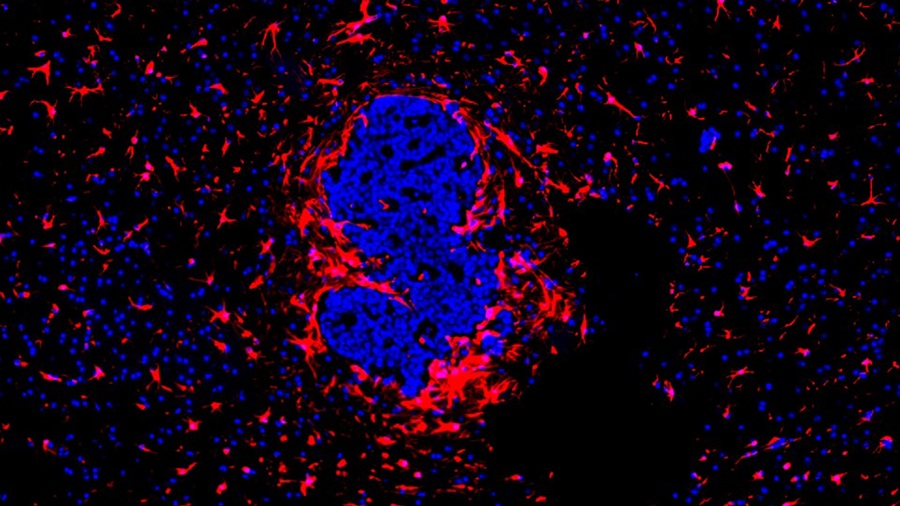
Blood Test Identifies Inflammatory Breast Cancer Patients at Increased Risk of Brain Metastasis
Brain metastasis is a frequent and devastating complication in patients with inflammatory breast cancer, an aggressive subtype with limited treatment options. Despite its high incidence, the biological... Read moreHematology
view channel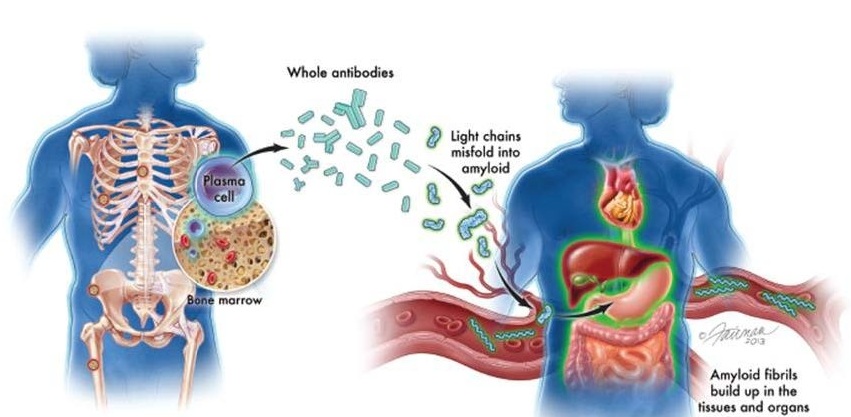
New Guidelines Aim to Improve AL Amyloidosis Diagnosis
Light chain (AL) amyloidosis is a rare, life-threatening bone marrow disorder in which abnormal amyloid proteins accumulate in organs. Approximately 3,260 people in the United States are diagnosed... Read more
Fast and Easy Test Could Revolutionize Blood Transfusions
Blood transfusions are a cornerstone of modern medicine, yet red blood cells can deteriorate quietly while sitting in cold storage for weeks. Although blood units have a fixed expiration date, cells from... Read more
Automated Hemostasis System Helps Labs of All Sizes Optimize Workflow
High-volume hemostasis sections must sustain rapid turnaround while managing reruns and reflex testing. Manual tube handling and preanalytical checks can strain staff time and increase opportunities for error.... Read more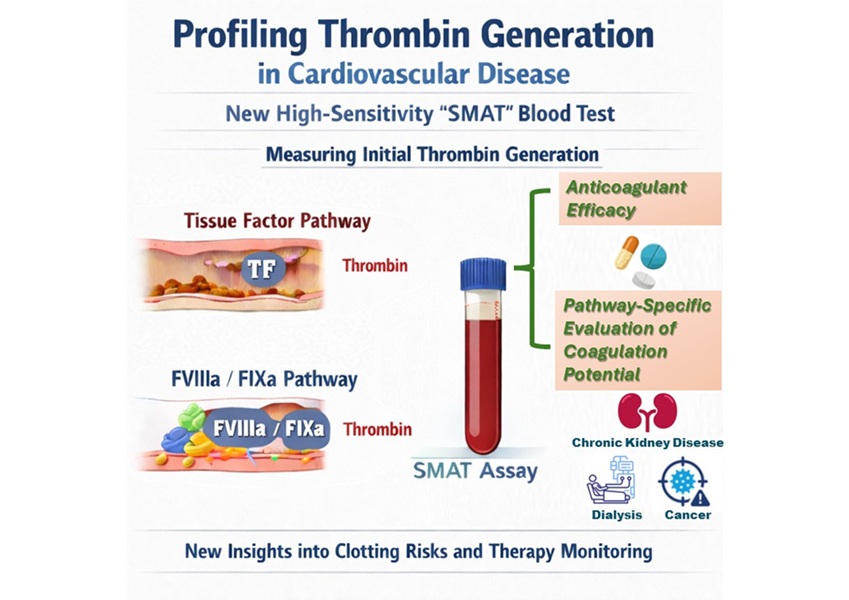
High-Sensitivity Blood Test Improves Assessment of Clotting Risk in Heart Disease Patients
Blood clotting is essential for preventing bleeding, but even small imbalances can lead to serious conditions such as thrombosis or dangerous hemorrhage. In cardiovascular disease, clinicians often struggle... Read moreImmunology
view channel
Blood Test Identifies Lung Cancer Patients Who Can Benefit from Immunotherapy Drug
Small cell lung cancer (SCLC) is an aggressive disease with limited treatment options, and even newly approved immunotherapies do not benefit all patients. While immunotherapy can extend survival for some,... Read more
Whole-Genome Sequencing Approach Identifies Cancer Patients Benefitting From PARP-Inhibitor Treatment
Targeted cancer therapies such as PARP inhibitors can be highly effective, but only for patients whose tumors carry specific DNA repair defects. Identifying these patients accurately remains challenging,... Read more
Ultrasensitive Liquid Biopsy Demonstrates Efficacy in Predicting Immunotherapy Response
Immunotherapy has transformed cancer treatment, but only a small proportion of patients experience lasting benefit, with response rates often remaining between 10% and 20%. Clinicians currently lack reliable... Read more
Microbiology
view channel
Comprehensive Review Identifies Gut Microbiome Signatures Associated With Alzheimer’s Disease
Alzheimer’s disease affects approximately 6.7 million people in the United States and nearly 50 million worldwide, yet early cognitive decline remains difficult to characterize. Increasing evidence suggests... Read more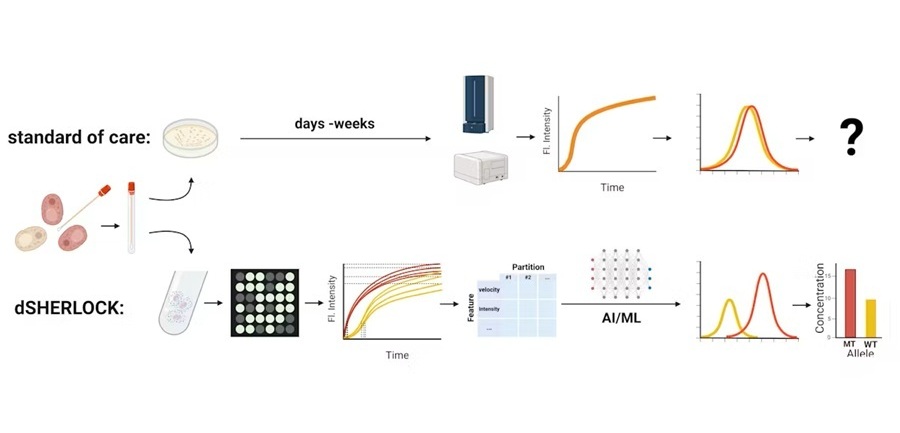
AI-Powered Platform Enables Rapid Detection of Drug-Resistant C. Auris Pathogens
Infections caused by the pathogenic yeast Candida auris pose a significant threat to hospitalized patients, particularly those with weakened immune systems or those who have invasive medical devices.... Read more

Pathology
view channel
Engineered Yeast Cells Enable Rapid Testing of Cancer Immunotherapy
Developing new cancer immunotherapies is a slow, costly, and high-risk process, particularly for CAR T cell treatments that must precisely recognize cancer-specific antigens. Small differences in tumor... Read more
First-Of-Its-Kind Test Identifies Autism Risk at Birth
Autism spectrum disorder is treatable, and extensive research shows that early intervention can significantly improve cognitive, social, and behavioral outcomes. Yet in the United States, the average age... Read more
Technology
view channel
Robotic Technology Unveiled for Automated Diagnostic Blood Draws
Routine diagnostic blood collection is a high‑volume task that can strain staffing and introduce human‑dependent variability, with downstream implications for sample quality and patient experience.... Read more
ADLM Launches First-of-Its-Kind Data Science Program for Laboratory Medicine Professionals
Clinical laboratories generate billions of test results each year, creating a treasure trove of data with the potential to support more personalized testing, improve operational efficiency, and enhance patient care.... Read more
Aptamer Biosensor Technology to Transform Virus Detection
Rapid and reliable virus detection is essential for controlling outbreaks, from seasonal influenza to global pandemics such as COVID-19. Conventional diagnostic methods, including cell culture, antigen... Read more
AI Models Could Predict Pre-Eclampsia and Anemia Earlier Using Routine Blood Tests
Pre-eclampsia and anemia are major contributors to maternal and child mortality worldwide, together accounting for more than half a million deaths each year and leaving millions with long-term health complications.... Read moreIndustry
view channel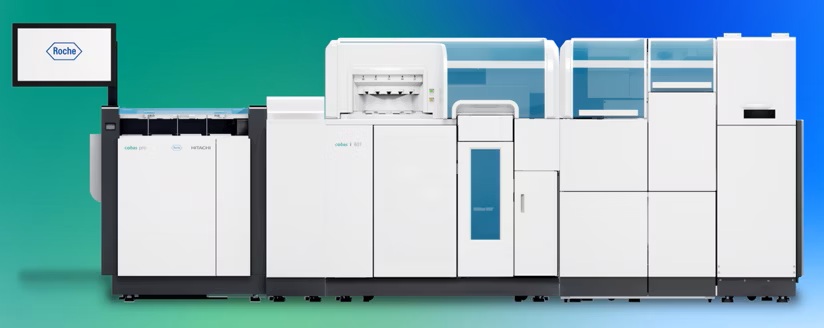
New Collaboration Brings Automated Mass Spectrometry to Routine Laboratory Testing
Mass spectrometry is a powerful analytical technique that identifies and quantifies molecules based on their mass and electrical charge. Its high selectivity, sensitivity, and accuracy make it indispensable... Read more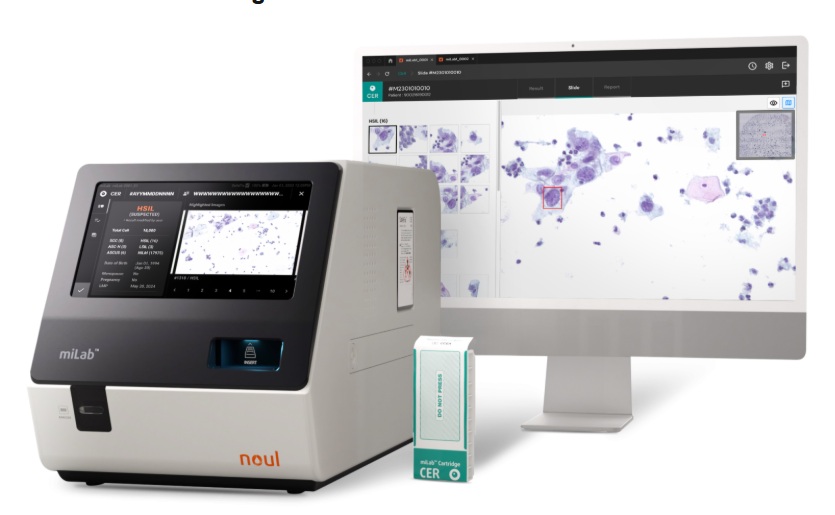
AI-Powered Cervical Cancer Test Set for Major Rollout in Latin America
Noul Co., a Korean company specializing in AI-based blood and cancer diagnostics, announced it will supply its intelligence (AI)-based miLab CER cervical cancer diagnostic solution to Mexico under a multi‑year... Read more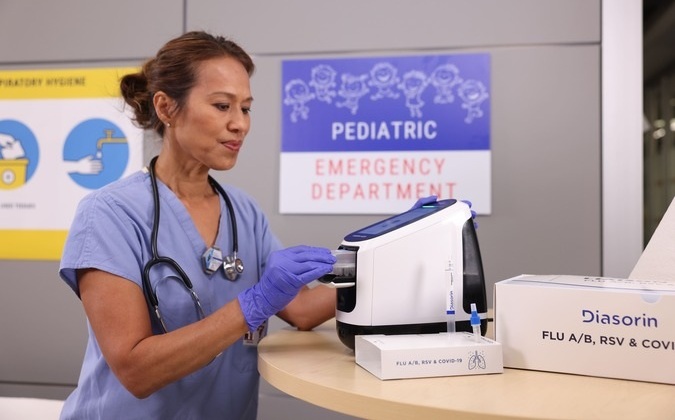
Diasorin and Fisher Scientific Enter into US Distribution Agreement for Molecular POC Platform
Diasorin (Saluggia, Italy) has entered into an exclusive distribution agreement with Fisher Scientific, part of Thermo Fisher Scientific (Waltham, MA, USA), for the LIAISON NES molecular point-of-care... Read more