Supercomputer Simulates Beating Heart, Helping Drive Research
|
By LabMedica International staff writers Posted on 04 Dec 2012 |


|
A new supercomputer had been built specifically to tackle weapon simulations, but before it goes into its intended work, it is generating cutting-edge cardiac simulations.
The Sequoia [IBM’s BlueGene/Q] holds the number two rank in the November 2012 TOP500 list of the world’s fastest computer systems [top ranked in the June 2012 TOP500 list].
Sequoia is bringing modeling and simulation and modeling to new peaks, timing in at 16.32 sustained petaflops (20 PF peak), enabling scientists to capture greater complexity in a shorter period. With this advanced capability, Lawrence Livermore US National Laboratory’s (LLNL; Livermore, CA, USA) scientists have been able to simulate the human heart down to the cellular level and use the resulting model to predict how the organ will respond to different drug compounds.
The simulations were made possible by an advanced modeling program, called Cardioid, which was designed by a group of scientists from LLNL and the IBM T. J. Watson Research Center (Yorktown Heights, NY, USA). The extremely scalable code simulates the electrophysiology of the heart. It functions by breaking down the heart into units: the smaller the unit, the more effective the model. Up to now, the optimal modeling programs could attain 0.2 mm in each direction. Cardioid can jump down to 0.1 mm. Where earlier, researchers could run the simulations for tens of heartbeats, Cardioid executing on Sequoia captures thousands of heartbeats.
Scientists are experiencing 300-fold speedups. It used to take 45 minutes to simulate just one beat, but now researchers can simulate an hour of heart activity--several thousand heartbeats--in seven hours. With the less sophisticated codes, it was impossible to model the heart’s response to a drug or perform an electrocardiogram trace for a particular heart disorder. That sort of testing entails longer run times, which was not possible before Cardioid.
The model could hypothetically evaluate a range of medications and devices such as pacemakers to examine their effect on the heart, creating an avenue for more effective and safer human testing. But it is particularly suited to examining arrhythmia, a disorder of the heart in which the organ does not pump blood efficiently. Arrhythmias can lead to congestive heart failure, an inability of the heart to supply sufficient blood flow to meet the needs of the body.
There are various types of medications that disrupt cardiac rhythms. Even those designed to prevent arrhythmias can be detrimental to some patients, and researchers do not yet completely understand precisely what causes these negative side effects. Cardioid will enable LLNL scientists to examine heart function as an antiarrhythmia drug enters the bloodstream. They will be able to identify when drug levels are highest and when they decline. “Observing the full range of effects produced by a particular drug takes many hours,” noted computational scientist Art Mirin of LLNL. “With Cardioid, heart simulations over this timeframe are now possible for the first time.”
The Livermore-IBM group is also working on a mechanical model that simulates the contraction of the heart and pumping of blood. The mechanical and electrical simulations will be allowed to interact with each other, adding more realism to the heart model.
The cardiac modeling research was performed during the system’s “shakedown period”--the set-up and assessment stage--and the scientists had to rush to complete in the allotted time span. Once Sequoia becomes classified, it is uncertain if it will still be available to run Cardioid and other unclassified programs, although access will certainly be more difficult since the computer’s key mission is running nuclear weapons codes.
Sequoia is an integral part of the US National Nuclear Security Administration’s (NNSA) Advanced Simulation and Computing (ASC) program, which is run by partner organizations LLNL, Los Alamos US National Laboratory, and Sandia National Laboratories. With 96 racks, 98,304 compute nodes, 1.6 million cores, and 1.6 petabytes of memory, Sequoia will help the NNSA fulfill its mission to “maintain and enhance the safety, security, reliability, and performance of the US nuclear weapons stockpile without nuclear testing.”
The Cardioid simulation has been chosen as a finalist in the 2012 Gordon Bell Prize competition, awarded each year to recognize supercomputing’s ultimate achievements. The scientists divulged their findings at the Supercomputing Conference in Salt Lake City (UT, USA), on November 13, 2012.
Related Links:
Lawrence Livermore U.S. National Laboratory
IBM T. J. Watson Research Center
US National Nuclear Security Administration




The Sequoia [IBM’s BlueGene/Q] holds the number two rank in the November 2012 TOP500 list of the world’s fastest computer systems [top ranked in the June 2012 TOP500 list].
Sequoia is bringing modeling and simulation and modeling to new peaks, timing in at 16.32 sustained petaflops (20 PF peak), enabling scientists to capture greater complexity in a shorter period. With this advanced capability, Lawrence Livermore US National Laboratory’s (LLNL; Livermore, CA, USA) scientists have been able to simulate the human heart down to the cellular level and use the resulting model to predict how the organ will respond to different drug compounds.
The simulations were made possible by an advanced modeling program, called Cardioid, which was designed by a group of scientists from LLNL and the IBM T. J. Watson Research Center (Yorktown Heights, NY, USA). The extremely scalable code simulates the electrophysiology of the heart. It functions by breaking down the heart into units: the smaller the unit, the more effective the model. Up to now, the optimal modeling programs could attain 0.2 mm in each direction. Cardioid can jump down to 0.1 mm. Where earlier, researchers could run the simulations for tens of heartbeats, Cardioid executing on Sequoia captures thousands of heartbeats.
Scientists are experiencing 300-fold speedups. It used to take 45 minutes to simulate just one beat, but now researchers can simulate an hour of heart activity--several thousand heartbeats--in seven hours. With the less sophisticated codes, it was impossible to model the heart’s response to a drug or perform an electrocardiogram trace for a particular heart disorder. That sort of testing entails longer run times, which was not possible before Cardioid.
The model could hypothetically evaluate a range of medications and devices such as pacemakers to examine their effect on the heart, creating an avenue for more effective and safer human testing. But it is particularly suited to examining arrhythmia, a disorder of the heart in which the organ does not pump blood efficiently. Arrhythmias can lead to congestive heart failure, an inability of the heart to supply sufficient blood flow to meet the needs of the body.
There are various types of medications that disrupt cardiac rhythms. Even those designed to prevent arrhythmias can be detrimental to some patients, and researchers do not yet completely understand precisely what causes these negative side effects. Cardioid will enable LLNL scientists to examine heart function as an antiarrhythmia drug enters the bloodstream. They will be able to identify when drug levels are highest and when they decline. “Observing the full range of effects produced by a particular drug takes many hours,” noted computational scientist Art Mirin of LLNL. “With Cardioid, heart simulations over this timeframe are now possible for the first time.”
The Livermore-IBM group is also working on a mechanical model that simulates the contraction of the heart and pumping of blood. The mechanical and electrical simulations will be allowed to interact with each other, adding more realism to the heart model.
The cardiac modeling research was performed during the system’s “shakedown period”--the set-up and assessment stage--and the scientists had to rush to complete in the allotted time span. Once Sequoia becomes classified, it is uncertain if it will still be available to run Cardioid and other unclassified programs, although access will certainly be more difficult since the computer’s key mission is running nuclear weapons codes.
Sequoia is an integral part of the US National Nuclear Security Administration’s (NNSA) Advanced Simulation and Computing (ASC) program, which is run by partner organizations LLNL, Los Alamos US National Laboratory, and Sandia National Laboratories. With 96 racks, 98,304 compute nodes, 1.6 million cores, and 1.6 petabytes of memory, Sequoia will help the NNSA fulfill its mission to “maintain and enhance the safety, security, reliability, and performance of the US nuclear weapons stockpile without nuclear testing.”
The Cardioid simulation has been chosen as a finalist in the 2012 Gordon Bell Prize competition, awarded each year to recognize supercomputing’s ultimate achievements. The scientists divulged their findings at the Supercomputing Conference in Salt Lake City (UT, USA), on November 13, 2012.
Related Links:
Lawrence Livermore U.S. National Laboratory
IBM T. J. Watson Research Center
US National Nuclear Security Administration

Gold Member
Collection and Transport System
PurSafe Plus®
Capillary Blood Collection Tube
IMPROMINI M3
Automated MALDI-TOF MS System
EXS 3000
Latest BioResearch News
- Genome Analysis Predicts Likelihood of Neurodisability in Oxygen-Deprived Newborns
- Gene Panel Predicts Disease Progession for Patients with B-cell Lymphoma
- New Method Simplifies Preparation of Tumor Genomic DNA Libraries
- New Tool Developed for Diagnosis of Chronic HBV Infection
- Panel of Genetic Loci Accurately Predicts Risk of Developing Gout
- Disrupted TGFB Signaling Linked to Increased Cancer-Related Bacteria
- Gene Fusion Protein Proposed as Prostate Cancer Biomarker
- NIV Test to Diagnose and Monitor Vascular Complications in Diabetes
- Semen Exosome MicroRNA Proves Biomarker for Prostate Cancer
- Genetic Loci Link Plasma Lipid Levels to CVD Risk
- Newly Identified Gene Network Aids in Early Diagnosis of Autism Spectrum Disorder
- Link Confirmed between Living in Poverty and Developing Diseases
- Genomic Study Identifies Kidney Disease Loci in Type I Diabetes Patients
- Liquid Biopsy More Effective for Analyzing Tumor Drug Resistance Mutations
- New Liquid Biopsy Assay Reveals Host-Pathogen Interactions
- Method Developed for Enriching Trophoblast Population in Samples
Channels
Clinical Chemistry
view channel
New PSA-Based Prognostic Model Improves Prostate Cancer Risk Assessment
Prostate cancer is the second-leading cause of cancer death among American men, and about one in eight will be diagnosed in their lifetime. Screening relies on blood levels of prostate-specific antigen... Read more
Extracellular Vesicles Linked to Heart Failure Risk in CKD Patients
Chronic kidney disease (CKD) affects more than 1 in 7 Americans and is strongly associated with cardiovascular complications, which account for more than half of deaths among people with CKD.... Read more
Molecular Diagnostics
view channel
Diagnostic Device Predicts Treatment Response for Brain Tumors Via Blood Test
Glioblastoma is one of the deadliest forms of brain cancer, largely because doctors have no reliable way to determine whether treatments are working in real time. Assessing therapeutic response currently... Read more
Blood Test Detects Early-Stage Cancers by Measuring Epigenetic Instability
Early-stage cancers are notoriously difficult to detect because molecular changes are subtle and often missed by existing screening tools. Many liquid biopsies rely on measuring absolute DNA methylation... Read more
“Lab-On-A-Disc” Device Paves Way for More Automated Liquid Biopsies
Extracellular vesicles (EVs) are tiny particles released by cells into the bloodstream that carry molecular information about a cell’s condition, including whether it is cancerous. However, EVs are highly... Read more
Blood Test Identifies Inflammatory Breast Cancer Patients at Increased Risk of Brain Metastasis
Brain metastasis is a frequent and devastating complication in patients with inflammatory breast cancer, an aggressive subtype with limited treatment options. Despite its high incidence, the biological... Read moreHematology
view channel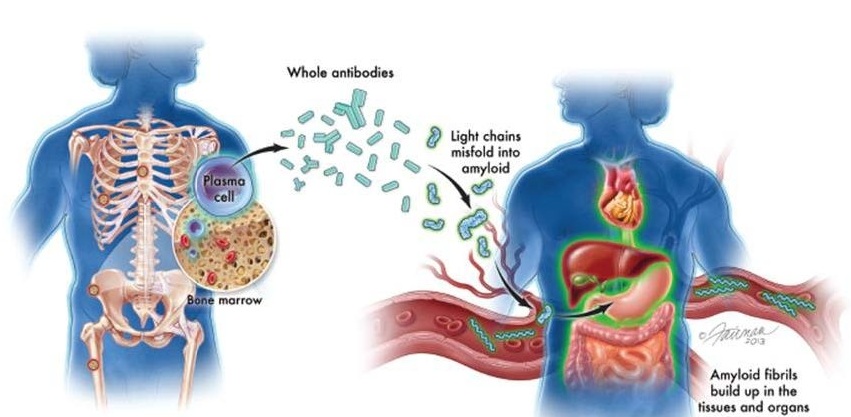
New Guidelines Aim to Improve AL Amyloidosis Diagnosis
Light chain (AL) amyloidosis is a rare, life-threatening bone marrow disorder in which abnormal amyloid proteins accumulate in organs. Approximately 3,260 people in the United States are diagnosed... Read more
Fast and Easy Test Could Revolutionize Blood Transfusions
Blood transfusions are a cornerstone of modern medicine, yet red blood cells can deteriorate quietly while sitting in cold storage for weeks. Although blood units have a fixed expiration date, cells from... Read more
Automated Hemostasis System Helps Labs of All Sizes Optimize Workflow
High-volume hemostasis sections must sustain rapid turnaround while managing reruns and reflex testing. Manual tube handling and preanalytical checks can strain staff time and increase opportunities for error.... Read more
High-Sensitivity Blood Test Improves Assessment of Clotting Risk in Heart Disease Patients
Blood clotting is essential for preventing bleeding, but even small imbalances can lead to serious conditions such as thrombosis or dangerous hemorrhage. In cardiovascular disease, clinicians often struggle... Read moreImmunology
view channel
Blood Test Identifies Lung Cancer Patients Who Can Benefit from Immunotherapy Drug
Small cell lung cancer (SCLC) is an aggressive disease with limited treatment options, and even newly approved immunotherapies do not benefit all patients. While immunotherapy can extend survival for some,... Read more
Whole-Genome Sequencing Approach Identifies Cancer Patients Benefitting From PARP-Inhibitor Treatment
Targeted cancer therapies such as PARP inhibitors can be highly effective, but only for patients whose tumors carry specific DNA repair defects. Identifying these patients accurately remains challenging,... Read more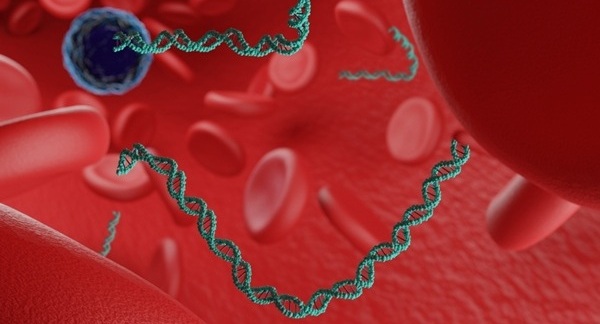
Ultrasensitive Liquid Biopsy Demonstrates Efficacy in Predicting Immunotherapy Response
Immunotherapy has transformed cancer treatment, but only a small proportion of patients experience lasting benefit, with response rates often remaining between 10% and 20%. Clinicians currently lack reliable... Read more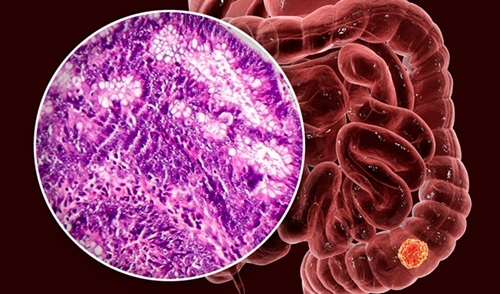
Microbiology
view channel
Comprehensive Review Identifies Gut Microbiome Signatures Associated With Alzheimer’s Disease
Alzheimer’s disease affects approximately 6.7 million people in the United States and nearly 50 million worldwide, yet early cognitive decline remains difficult to characterize. Increasing evidence suggests... Read more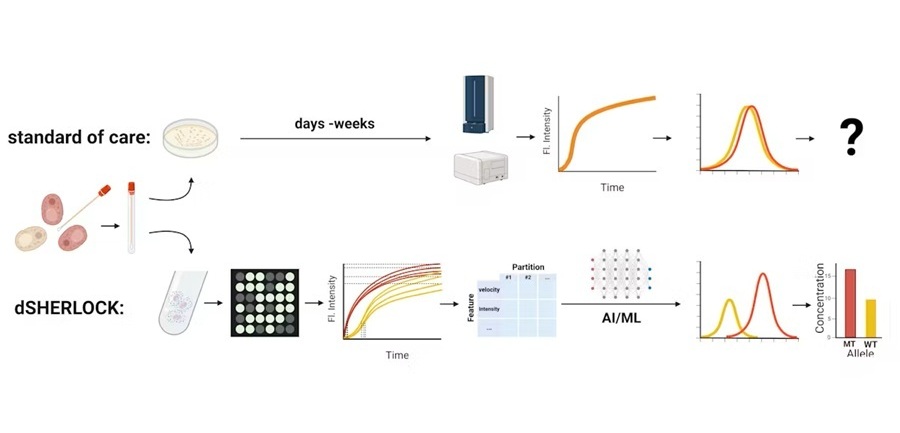
AI-Powered Platform Enables Rapid Detection of Drug-Resistant C. Auris Pathogens
Infections caused by the pathogenic yeast Candida auris pose a significant threat to hospitalized patients, particularly those with weakened immune systems or those who have invasive medical devices.... Read more

Pathology
view channel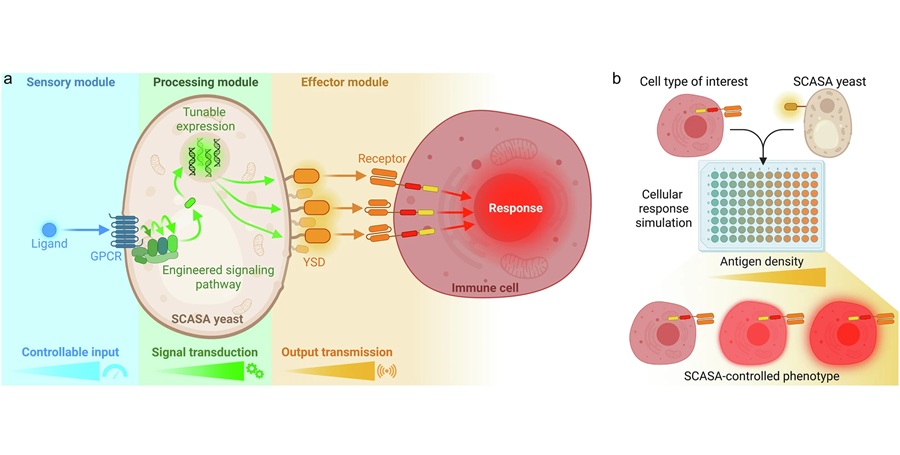
Engineered Yeast Cells Enable Rapid Testing of Cancer Immunotherapy
Developing new cancer immunotherapies is a slow, costly, and high-risk process, particularly for CAR T cell treatments that must precisely recognize cancer-specific antigens. Small differences in tumor... Read more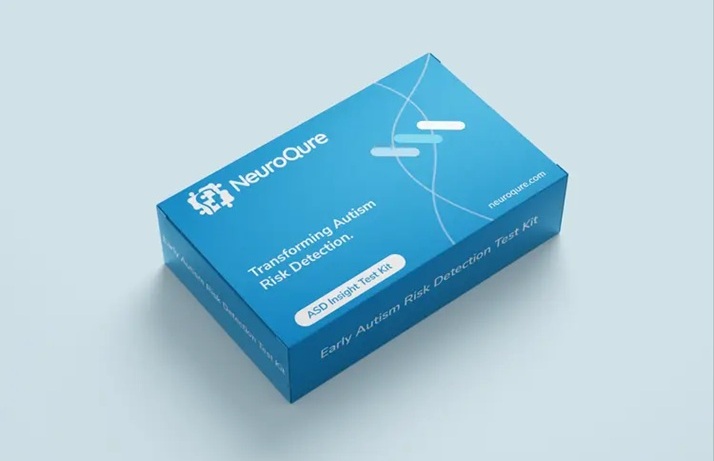
First-Of-Its-Kind Test Identifies Autism Risk at Birth
Autism spectrum disorder is treatable, and extensive research shows that early intervention can significantly improve cognitive, social, and behavioral outcomes. Yet in the United States, the average age... Read more
Technology
view channel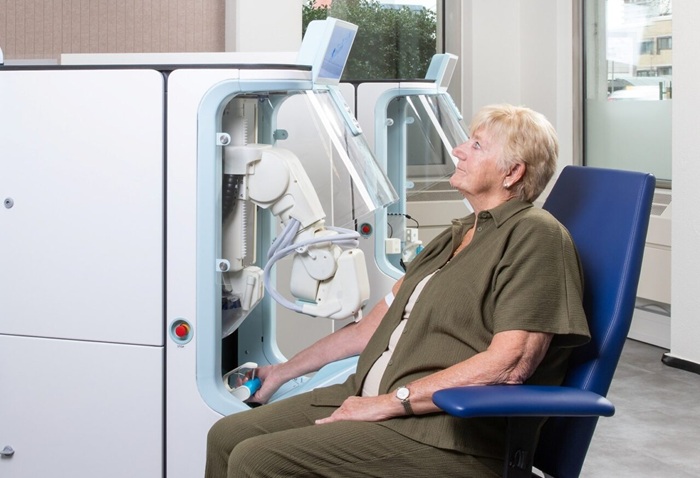
Robotic Technology Unveiled for Automated Diagnostic Blood Draws
Routine diagnostic blood collection is a high‑volume task that can strain staffing and introduce human‑dependent variability, with downstream implications for sample quality and patient experience.... Read more
ADLM Launches First-of-Its-Kind Data Science Program for Laboratory Medicine Professionals
Clinical laboratories generate billions of test results each year, creating a treasure trove of data with the potential to support more personalized testing, improve operational efficiency, and enhance patient care.... Read more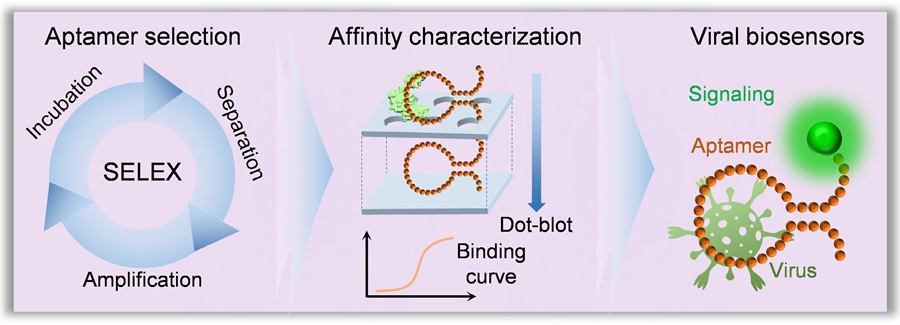
Aptamer Biosensor Technology to Transform Virus Detection
Rapid and reliable virus detection is essential for controlling outbreaks, from seasonal influenza to global pandemics such as COVID-19. Conventional diagnostic methods, including cell culture, antigen... Read more
AI Models Could Predict Pre-Eclampsia and Anemia Earlier Using Routine Blood Tests
Pre-eclampsia and anemia are major contributors to maternal and child mortality worldwide, together accounting for more than half a million deaths each year and leaving millions with long-term health complications.... Read moreIndustry
view channel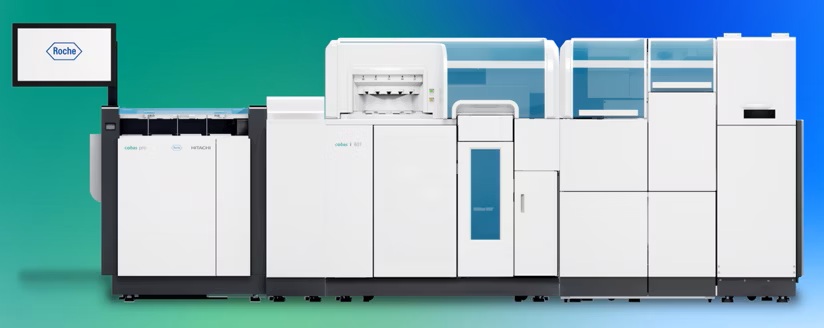
New Collaboration Brings Automated Mass Spectrometry to Routine Laboratory Testing
Mass spectrometry is a powerful analytical technique that identifies and quantifies molecules based on their mass and electrical charge. Its high selectivity, sensitivity, and accuracy make it indispensable... Read more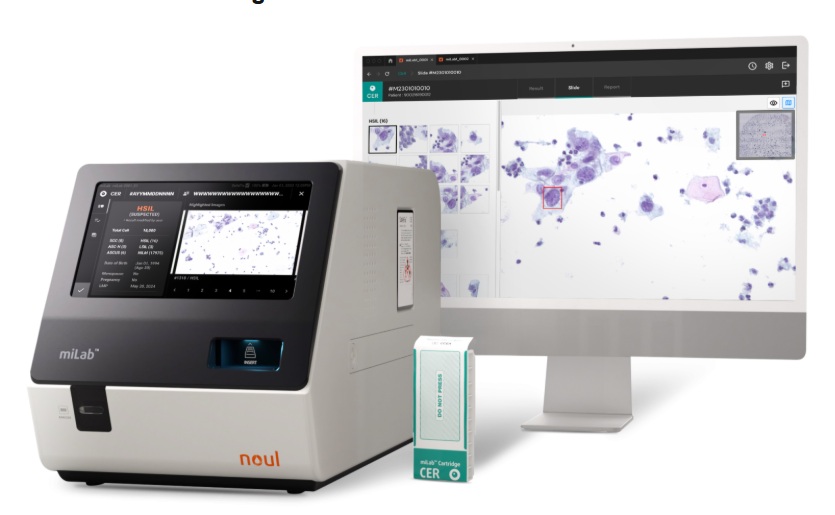
AI-Powered Cervical Cancer Test Set for Major Rollout in Latin America
Noul Co., a Korean company specializing in AI-based blood and cancer diagnostics, announced it will supply its intelligence (AI)-based miLab CER cervical cancer diagnostic solution to Mexico under a multi‑year... Read more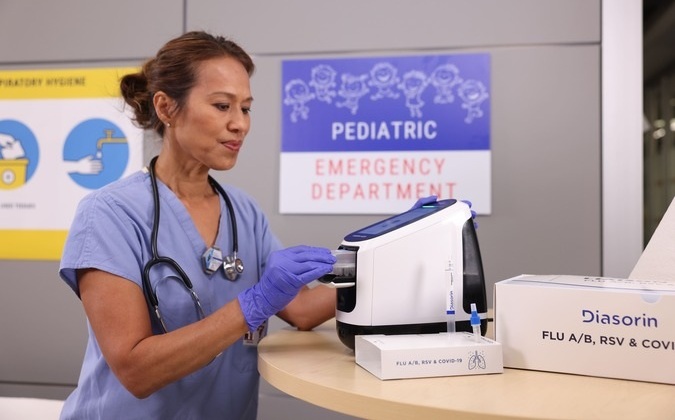
Diasorin and Fisher Scientific Enter into US Distribution Agreement for Molecular POC Platform
Diasorin (Saluggia, Italy) has entered into an exclusive distribution agreement with Fisher Scientific, part of Thermo Fisher Scientific (Waltham, MA, USA), for the LIAISON NES molecular point-of-care... Read more