Chembio Launches DPP COVID-19 Serological Point-of-Care Test
|
By LabMedica International staff writers Posted on 03 Apr 2020 |


|
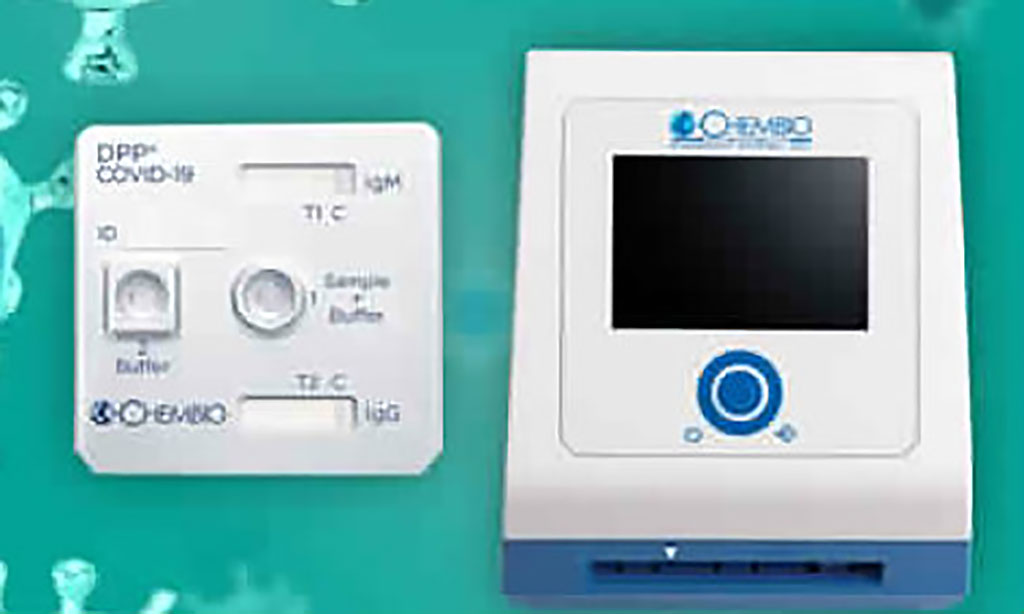
Image: The Chembio DPP platform (Photo courtesy of Chembio Diagnostics, Inc.)
Chembio Diagnostic Systems, Inc. (Medford, NY, USA), a point-of-care diagnostic company focused on infectious diseases, has launched its rapid DPP COVID-19 serological point-of-care test for the detection of IgM and IgG antibodies in the US. The results can be obtained within 15 minutes from a simple finger stick utilizing Chembio’s MicroReader 1 and MicroReader 2 analyzers. The ability of the DPP platform to provide numerical results can aid clinicians in determining current or past exposure to the COVID-19 virus and monitoring infection progression, while avoiding the human interpretation errors associated with visual readings.
The company’s patented DPP technology platform, which uses a small drop of blood from the fingertip, provides high-quality, cost-effective results in approximately 15 minutes. Coupled with Chembio’s extensive scientific expertise, its novel DPP technology offers broad market applications beyond infectious disease, a number of which applications are under active development with collaboration partners.
Chembio’s DPP COVID-19 test detects antibodies in the blood that are produced by the body in response to a novel coronavirus infection. Chembio has also entered into a worldwide strategic partnership with LumiraDx Limited (London, UK) to develop point-of-care diagnostic tests for the detection of the COVID-19 virus and IgM and IgG antibodies on both the LumiraDx and Chembio DPP platforms.
“The results and data from our DPP COVID-19 test can help improve clinical outcomes through the management of individual patients by enabling clinicians to understand the likelihood of past and present infection and to manage populations as a whole as a surveillance test,” said Richard Eberly, Chief Executive Officer of Chembio. “Our measured approach has positioned us to offer a viable and sustainable long-term solution for clinicians. We expect to begin shipping product in April 2020, and we will continue to work with our partner LumiraDx to provide DPP COVID-19 tests with the ability to scale based upon market demand.”
Related Links:
Chembio Diagnostic Systems, Inc.
LumiraDx Limited




The company’s patented DPP technology platform, which uses a small drop of blood from the fingertip, provides high-quality, cost-effective results in approximately 15 minutes. Coupled with Chembio’s extensive scientific expertise, its novel DPP technology offers broad market applications beyond infectious disease, a number of which applications are under active development with collaboration partners.
Chembio’s DPP COVID-19 test detects antibodies in the blood that are produced by the body in response to a novel coronavirus infection. Chembio has also entered into a worldwide strategic partnership with LumiraDx Limited (London, UK) to develop point-of-care diagnostic tests for the detection of the COVID-19 virus and IgM and IgG antibodies on both the LumiraDx and Chembio DPP platforms.
“The results and data from our DPP COVID-19 test can help improve clinical outcomes through the management of individual patients by enabling clinicians to understand the likelihood of past and present infection and to manage populations as a whole as a surveillance test,” said Richard Eberly, Chief Executive Officer of Chembio. “Our measured approach has positioned us to offer a viable and sustainable long-term solution for clinicians. We expect to begin shipping product in April 2020, and we will continue to work with our partner LumiraDx to provide DPP COVID-19 tests with the ability to scale based upon market demand.”
Related Links:
Chembio Diagnostic Systems, Inc.
LumiraDx Limited

Gold Member
SARS‑CoV‑2/Flu A/Flu B/RSV Sample-To-Answer Test
SARS‑CoV‑2/Flu A/Flu B/RSV Cartridge (CE-IVD)
Gold Member
Fully-auto Specific Protein (Nephelometry) Analyzer
PA240
POC Immunoassay Analyzer
Procise DX
Latest COVID-19 News
- New Immunosensor Paves Way to Rapid POC Testing for COVID-19 and Emerging Infectious Diseases
- Long COVID Etiologies Found in Acute Infection Blood Samples
- Novel Device Detects COVID-19 Antibodies in Five Minutes
- CRISPR-Powered COVID-19 Test Detects SARS-CoV-2 in 30 Minutes Using Gene Scissors
- Gut Microbiome Dysbiosis Linked to COVID-19
- Novel SARS CoV-2 Rapid Antigen Test Validated for Diagnostic Accuracy
- New COVID + Flu + R.S.V. Test to Help Prepare for `Tripledemic`
- AI Takes Guesswork Out Of Lateral Flow Testing
- Fastest Ever SARS-CoV-2 Antigen Test Designed for Non-Invasive COVID-19 Testing in Any Setting
- Rapid Antigen Tests Detect Omicron, Delta SARS-CoV-2 Variants
- Health Care Professionals Showed Increased Interest in POC Technologies During Pandemic, Finds Study
- Set Up Reserve Lab Capacity Now for Faster Response to Next Pandemic, Say Researchers
- Blood Test Performed During Initial Infection Predicts Long COVID Risk
- Low-Cost COVID-19 Testing Platform Combines Sensitivity of PCR and Speed of Antigen Tests
- Finger-Prick Blood Test Identifies Immunity to COVID-19
- Quick Test Kit Determines Immunity Against COVID-19 and Its Variants
Channels
Clinical Chemistry
view channel
Blood Proteins Reveal Signals Linked to Prostate Cancer Risk Years Before Diagnosis
Prostate cancer is the most commonly diagnosed cancer in men worldwide. While many tumors grow slowly, aggressive forms can be life-threatening, underscoring the need for earlier risk identification.... Read more
Two-Step Blood Testing Approach Reduces Uncertainty in Amyloid Assessment
Blood-based biomarkers offer a more accessible, less expensive way to detect Alzheimer’s-related brain changes than traditional methods such as amyloid-beta positron emission tomography (Aβ-PET).... Read more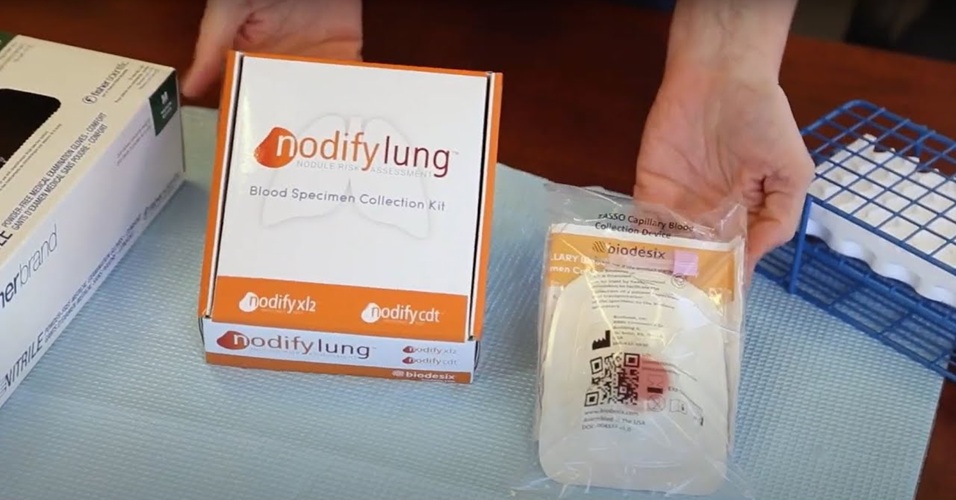
Multimodal Platform to Combine Blood and Imaging Biomarkers for Lung Nodule Assessment
Lung nodules are commonly detected during chest imaging and require careful risk assessment to determine whether follow-up imaging, additional testing, or biopsy is needed. With millions of patients evaluated... Read more
Molecular Diagnostics
view channel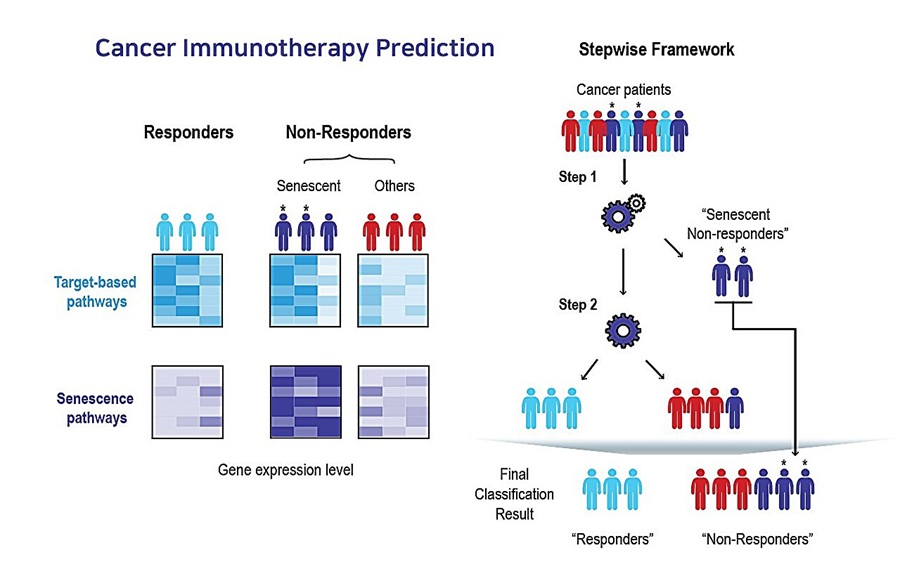
AI Tool Predicts Immunotherapy Response Using Tumor Senescence Signals
Patients receiving the same cancer immunotherapy can have markedly different outcomes, with some showing little or no response. Identifying these patients earlier could reduce the costs of ineffective... Read more
New Variant Tracking Option Expands Molecular Residual Disease Monitoring
Molecular residual disease (MRD) testing can detect traces of cancer that persist after treatment or emerge during recurrence. Because circulating tumor DNA (ctDNA) may be present at very low levels, residual... Read more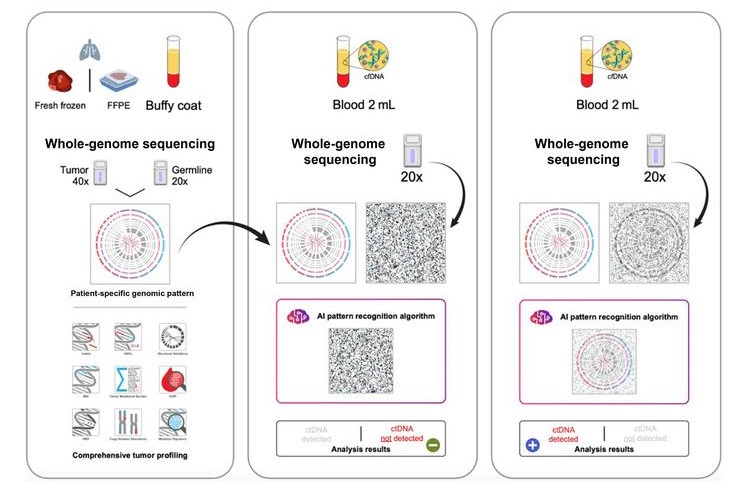

Hematology
view channel
New Myelofibrosis Guidelines Recommend Expanded Genetic Testing at Diagnosis
Myelofibrosis is a rare, life-threatening blood cancer affecting up to six per 100,000 people. The disease causes scarring in the bone marrow, limiting the production of healthy blood cells and potentially... Read more
Handheld Point-of-Care Test Aims to Enable Rapid Coagulation Assessment in Trauma
Severe blood loss and inadequate tissue oxygenation are leading causes of preventable death after traumatic injury. Blood products are essential in trauma care, but cold-chain storage, short shelf life,... Read more

Immunology
view channel
Antibody Profiling Predicts Inflammatory Bowel Disease Years Before Diagnosis
Inflammatory bowel disease (IBD), which includes Crohn’s disease and ulcerative colitis, involves abnormal immune responses that cause persistent inflammation and damage in the digestive system.... Read more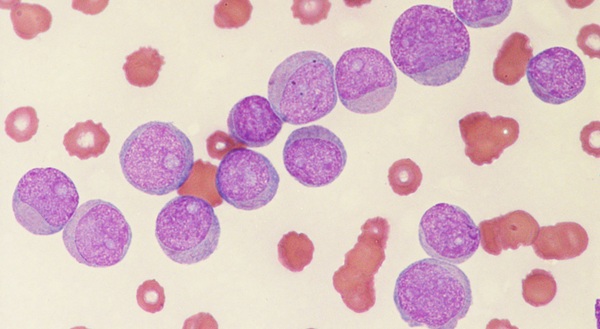
Immune Profiling Initiative Aims to Improve Bone Marrow Analysis in Leukemia
Acute myeloid leukemia (AML) is an aggressive blood cancer in which assessing disease burden after therapy can help guide clinical evaluation. Patients with measurable residual disease (MRD) after treatment... Read more
Immune Profiling Identifies Early Maternal Autoantibodies Linked to Preterm Birth Risk
A typical pregnancy lasts about 40 weeks, but labor begins prematurely in roughly one in 10 pregnancies. Preterm birth is the leading cause of newborn death worldwide, yet its underlying causes and which... Read more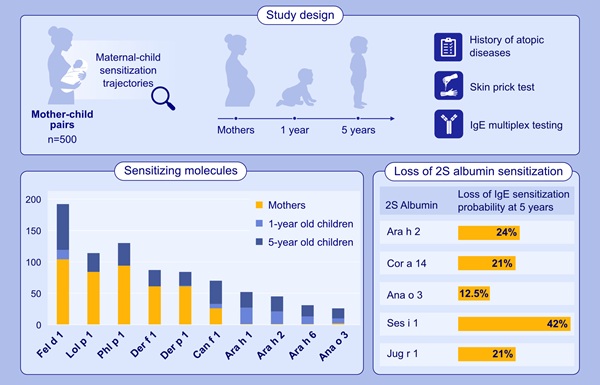
Longitudinal Blood Testing Reveals Changes in Allergen Sensitization During Childhood
Food allergy is a major childhood health concern, and distinguishing persistent risk from transient sensitization can guide clinical decisions. Specific IgE antibodies may be detectable even when a child... Read moreMicrobiology
view channel
Molecular Panel Gains WHO Emergency Use Listing to Support Ebola Outbreak Response
The ongoing Ebola Bundibugyo outbreak in the Democratic Republic of the Congo and neighboring countries has become one of the largest outbreaks of this Ebola virus species recorded to date.... Read more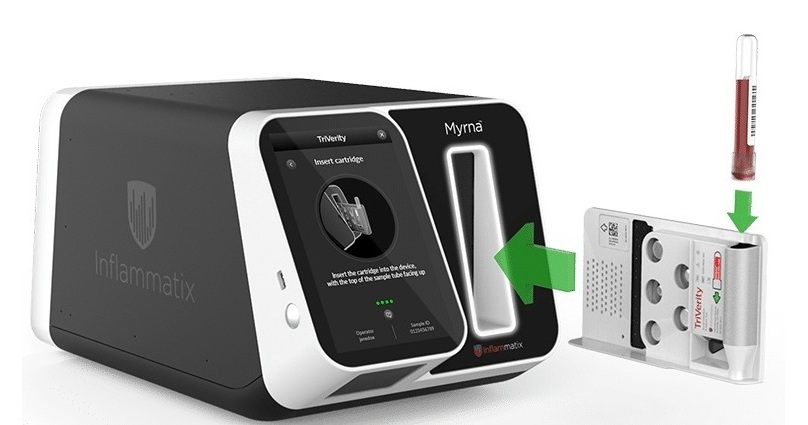
Rapid Host-Response Test Aims to Predict Corticosteroid Benefit in Sepsis
Sepsis and severe infections are difficult to treat because patients with similar clinical presentations may have very different underlying immune responses. Corticosteroids are commonly used in severe... Read more

Pathology
view channel
AI Tissue Analysis May Help Identify Missed Precancerous Colon Polyps
Colorectal cancer is diagnosed in an estimated 1.9 million people worldwide each year, often without symptoms in its early stages. Timely detection of precancerous lesions is therefore important, yet some... Read more
AI Pre-Screening Helps Identify Lung Cancer Cases for Additional Biomarker Testing
Tempus AI (Chicago, IL, USA) will present findings from a study evaluating an artificial intelligence (AI)-enabled pre-screening panel for advanced non-small cell lung cancer (NSCLC) at the ESMO Congress... Read more
AI Pathology Platform Targets Workflow Delays and Molecular Test Failures
Pathology laboratories often rely on visual review of tissue slides to assess quality, identify tumors, count mitoses, and estimate tumor content. These tasks can be time-consuming and vary between readers,... Read more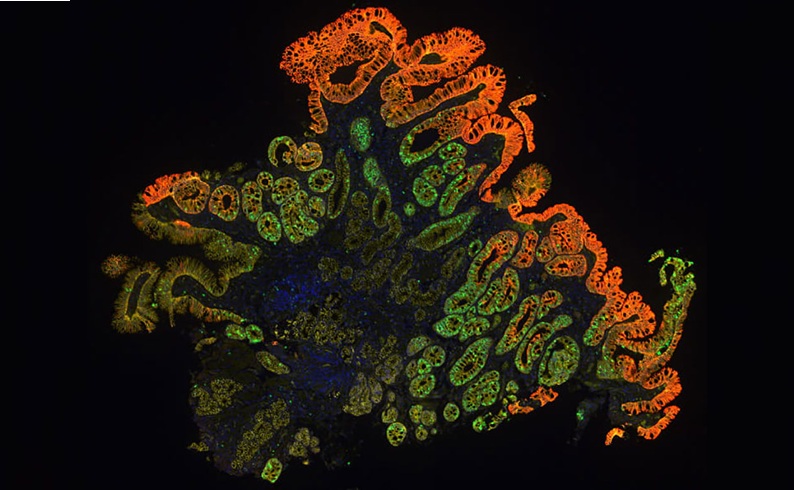
Molecular Testing Refines Barrett’s Esophagus Progression Risk Beyond Biopsy Findings
Barrett’s esophagus is a precancerous condition associated with increased risk of esophageal adenocarcinoma. Routine endoscopic biopsy findings guide surveillance and therapy, but histopathology may not... Read moreTechnology
view channel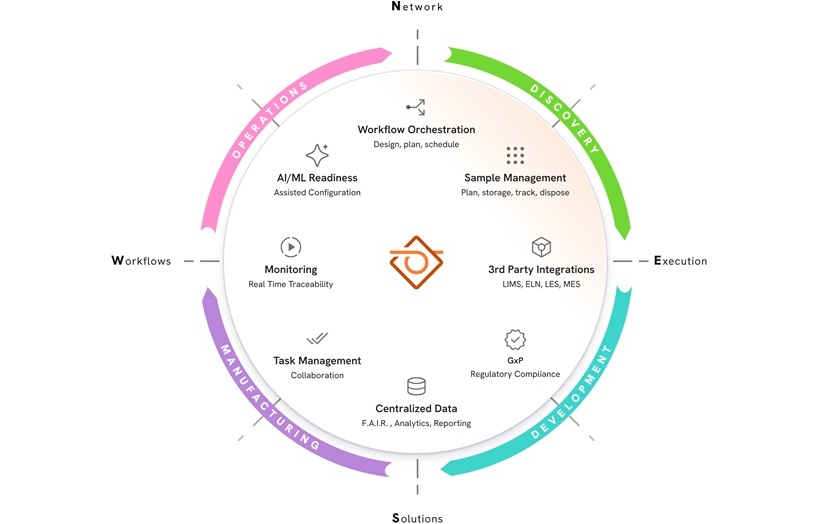
New AI-Powered System Aims to Streamline Laboratory and Manufacturing Workflows
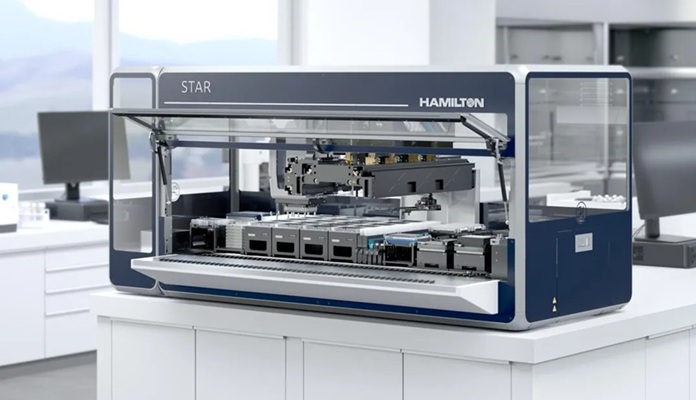
Scientific laboratories supporting drug development, biotechnology, and materials research increasingly rely on coordinated digital workflows to move data, samples, and activities across teams.... Read more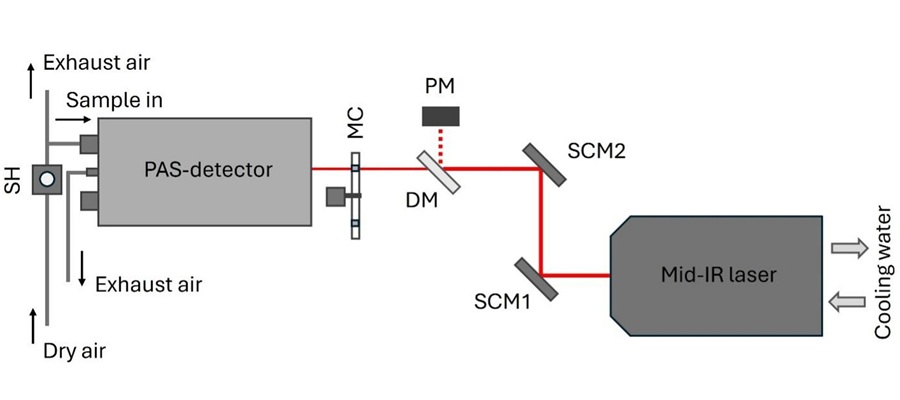
Laser-Based Swab Analysis Shows Promise for Detecting Disease-Linked Odor Patterns
Disease-related changes in volatile organic compounds can alter body odor, producing measurable patterns in exhaled breath and bodily fluids. Current analytical methods can be complex, time-consuming,... Read more
Industry
view channel
Collaboration to Expand Cervical Cancer Screening Access With At-Home HPV Collection
Cervical cancer is largely preventable with regular screening and early detection of human papillomavirus (HPV), the leading cause of the disease. Screening gaps persist, in part because traditional sample... Read more
Alzheimer’s Progression Blood Test Gains U.S. Patent Ahead of Planned Launch
Alzheimer’s disease is the most common cause of dementia, accounting for an estimated 60–70% of cases worldwide. Its progressive effects on memory, thinking, behavior, and daily functioning underscore... Read more