Serum Albumin Levels Predict Pneumonia Severity
|
By LabMedica International staff writers Posted on 30 Jan 2013 |


|
The prognostic value of serum albumin levels in hospitalized adults with community-acquired pneumonia has been evaluated.
When serum albumin levels are measured within 24 hours of admission to the hospital, they can be correlated with the outcome of patients with community-acquired pneumonia (CAP).
Scientists at the University Hospital of Bellvitge (Barcelona, Spain) carried out a prospective cohort of adults with CAP requiring hospitalization from 1995 through 2011. Serum albumin results were obtained from the central laboratory database and were determined by a molecular absorption spectrometry utilizing bromocresol green. Pathogens in blood, normally sterile fluids, sputum, and other samples were investigated using standard microbiological procedures. Serum albumin levels were measured within 24 hours of admission. The primary end point was 30-day mortality.
During the study period, 3,463 patients with CAP required hospitalization. The median value of albumin was 31 g/L. As levels of serum albumin decrease, the risk of complications significantly increased. Decreased albumin levels were also significantly associated with prolonged time to reach clinical stability, prolonged hospital stay, intensive care unit (ICU) admission, the need for mechanical ventilation, and 30-day mortality. Hypoalbuminemia was documented in 1,307 (37.7%) patients, whose serum albumin was less than 30 g/L.
The authors concluded that hypoalbuminemia is frequent among hospitalized patients with CAP. Low serum albumin levels within 24 hours of hospital admission are significantly associated with increased risk of complications and poor outcome from CAP. Serum albumin is an objective and good prognostic marker in hospitalized adults with CAP. The study was published on December 31, 2012, in the Journal of Infection.
Related Links:
University Hospital of Bellvitge






When serum albumin levels are measured within 24 hours of admission to the hospital, they can be correlated with the outcome of patients with community-acquired pneumonia (CAP).
Scientists at the University Hospital of Bellvitge (Barcelona, Spain) carried out a prospective cohort of adults with CAP requiring hospitalization from 1995 through 2011. Serum albumin results were obtained from the central laboratory database and were determined by a molecular absorption spectrometry utilizing bromocresol green. Pathogens in blood, normally sterile fluids, sputum, and other samples were investigated using standard microbiological procedures. Serum albumin levels were measured within 24 hours of admission. The primary end point was 30-day mortality.
During the study period, 3,463 patients with CAP required hospitalization. The median value of albumin was 31 g/L. As levels of serum albumin decrease, the risk of complications significantly increased. Decreased albumin levels were also significantly associated with prolonged time to reach clinical stability, prolonged hospital stay, intensive care unit (ICU) admission, the need for mechanical ventilation, and 30-day mortality. Hypoalbuminemia was documented in 1,307 (37.7%) patients, whose serum albumin was less than 30 g/L.
The authors concluded that hypoalbuminemia is frequent among hospitalized patients with CAP. Low serum albumin levels within 24 hours of hospital admission are significantly associated with increased risk of complications and poor outcome from CAP. Serum albumin is an objective and good prognostic marker in hospitalized adults with CAP. The study was published on December 31, 2012, in the Journal of Infection.
Related Links:
University Hospital of Bellvitge

Gold Member
Neonatal Heel Incision Device
Tenderfoot
Steam Sterilizer
Hi Vac II Line
Electrolyte Analyzer
BKE-B
Latest Clinical Chem. News
- Alzheimer’s Blood Biomarkers Linked to Early Cognitive Differences Before Dementia
- Urine-Based Test Shows Promise for Autism Screening in Children
- Blood-Based Sensor Detects Early Signs of Alzheimer’s and Parkinson’s
- Liquid Biopsy Biomarkers May Improve Childhood Epilepsy Diagnosis
- Urine-Based Alzheimer’s Test Receives FDA Breakthrough Device Designation
- Fluid Biomarker Improves Diagnosis and Monitoring of Primary CNS Lymphoma
- New CA19-9 Cutoff Value Helps Identify High-Risk Pancreatic Cancer Patients
- Blood-Based Biomarkers Show Promise for Psychosis Risk Prediction
- International Experts Recommend Ending Routine 'Corrected' Calcium Reporting
- Long-Term Data Show PSA Screening Modestly Reduces Prostate Cancer Deaths
- Urine-Based Nanosensor Tracks Lung Cancer and Fibrosis Noninvasively
- FDA-Cleared Assay Enables Comprehensive Automated Testosterone Testing
- CE-Marked Blood Biomarker Test Advances Automated Alzheimer’s Diagnostics
- Blood-Based Alzheimer’s Test Gains CE Mark for Amyloid Pathology Detection
- Noninvasive Urine Test May Support Earlier Diagnosis of Psychiatric Disorders
- At-Home Blood and Cognitive Tests Support Dementia Risk Stratification
Channels
Molecular Diagnostics
view channel
Blood-Based Assay Enables Noninvasive Monitoring of Sarcoma Immunotherapy Response
Sarcomas remain difficult to monitor during immunotherapy, as low tumor mutation burden can limit traditional circulating tumor DNA approaches and repeat tissue biopsies are often impractical in advanced disease.... Read more
Tumor Mutation Marker Helps Refine Lung Cancer Prognosis and Guide Therapy Selection
Lung cancer remains the leading cause of cancer death worldwide, while heterogeneous tumor genetics continue to complicate treatment decisions. Although molecular testing is increasingly used to match... Read more
Hematology
view channel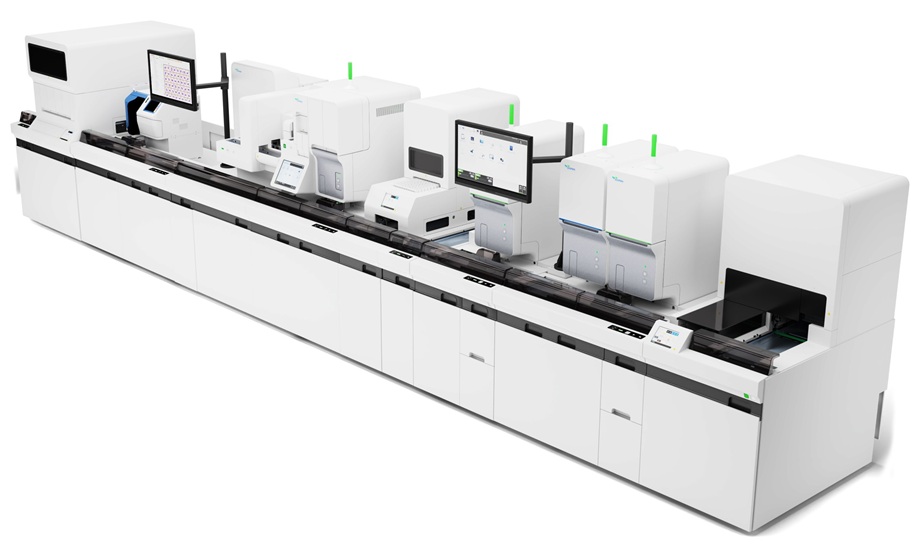
Next-Generation Hematology Platform Streamlines High-Complexity Lab Workflows
Sysmex America (Chicago, IL, USA) has introduced the next generation XR-Series, centered on the XR-10 Automated Hematology Module for high-complexity laboratories. The platform builds on the widely used... Read more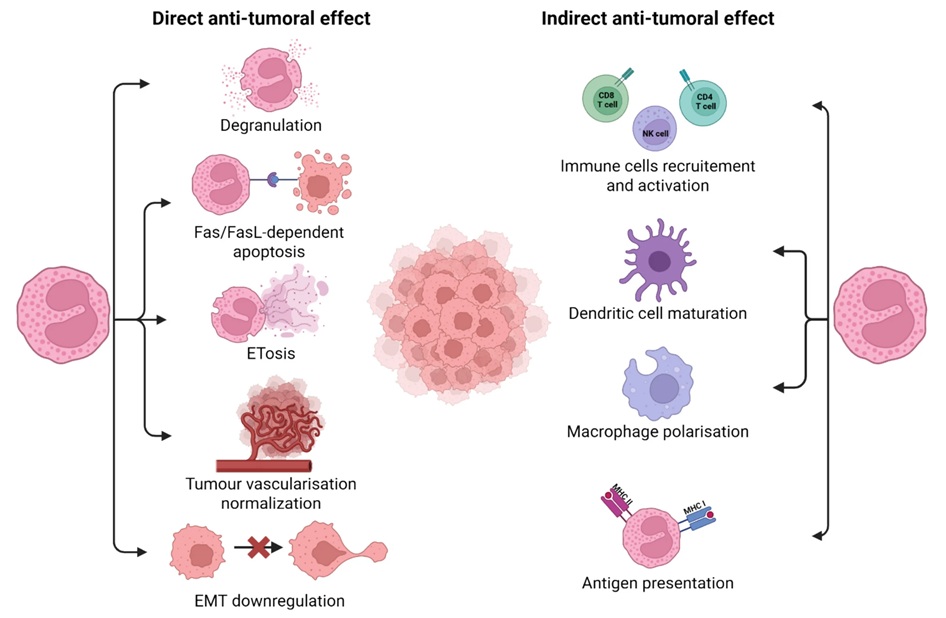
Blood Eosinophil Count May Predict Cancer Immunotherapy Response and Toxicity
Immune checkpoint inhibitors have improved outcomes across many cancers, yet only a subset of patients derive durable benefit and biomarkers to guide treatment remain limited. Eosinophils, best known for... Read more
Immunology
view channel
Study Points to Autoimmune Pathway Behind Long COVID Symptoms
Long COVID leaves many SARS-CoV-2 survivors with persistent fatigue, cognitive issues, palpitations, and musculoskeletal pain for months or years. Estimates cited in new research suggest 4%–20% of infected... Read more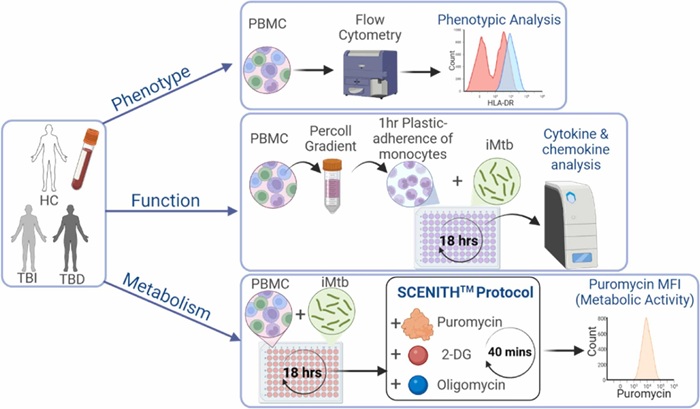
Metabolic Biomarker Distinguishes Latent from Active Tuberculosis and Tracks Treatment Response
Tuberculosis (TB) remains the world’s leading infectious killer, with 10.8 million cases and 1.25 million deaths recorded globally in 2023. Yet many infected individuals never develop active disease, underscoring... Read more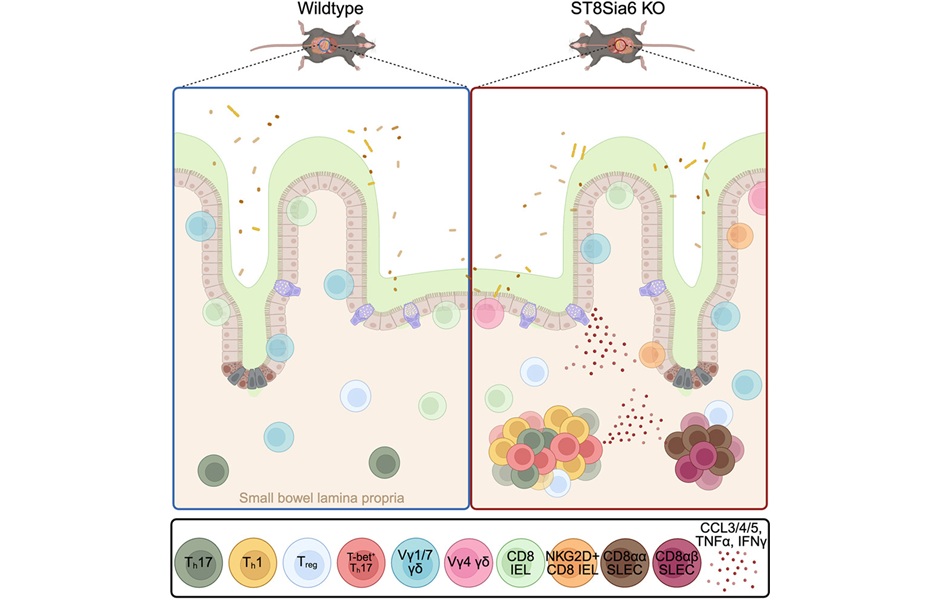

Microbiology
view channel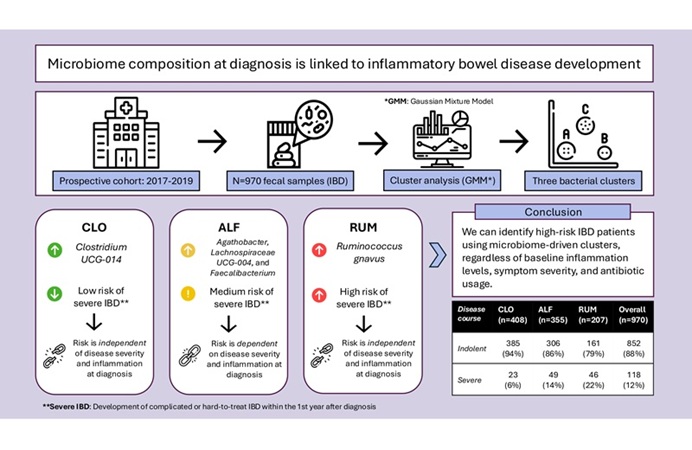
Gut Microbiome Signatures Help Identify Risk of IBD Progression
Inflammatory bowel disease (IBD), encompassing Crohn’s disease and ulcerative colitis, is a chronic relapsing inflammatory disorder of the gastrointestinal tract with highly variable outcomes.... Read more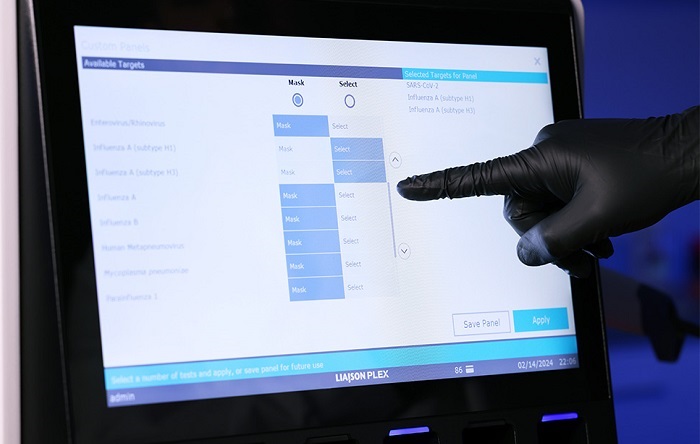
FDA-Cleared Gastrointestinal Panel Detects 24 Pathogen Targets
Clinical guidelines support testing based on patient presentation in suspected gastrointestinal infections, yet available technologies have often forced laboratories to choose between panels that are too... Read more

Pathology
view channel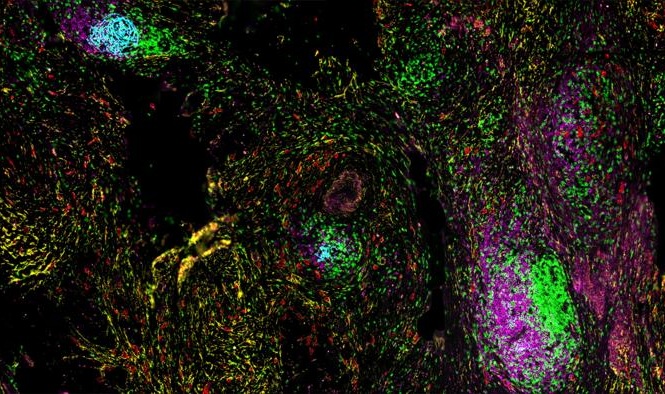
AI-Powered Atlas Maps Immune Structures Linked to Cancer Outcomes
Tertiary lymphoid structures are emerging as important indicators of antitumor immunity, but their heterogeneity and spatial context within tumors remain difficult to capture through routine diagnostics.... Read more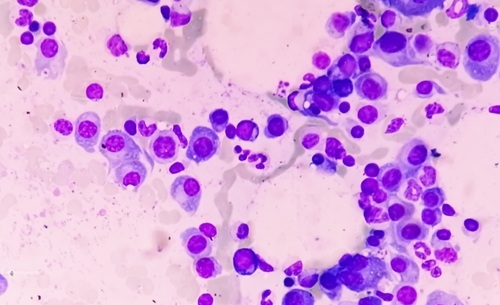
AI Tool Extracts Immune Signals from Biopsy to Inform Myeloma Therapy
Multiple myeloma is a bone marrow malignancy in which patients can respond very differently to the same treatments, making initial therapy decisions difficult. Clinicians must choose among options such... Read more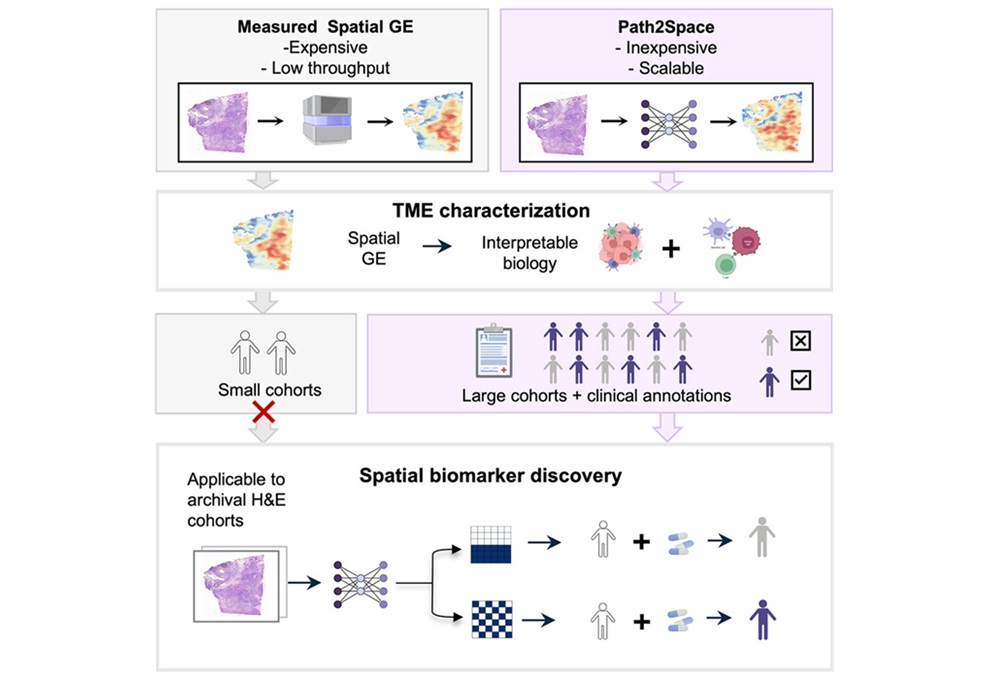

Technology
view channel
AI Platform Links Biomarker Results to Cancer Clinical Trials and Guidelines
Oncology teams must manage growing volumes of genomic data, rapidly evolving clinical trial options, and frequently updated care guidelines, all within tight clinic schedules. Translating complex tumor... Read more
Agentic AI Platform Supports Genomic Decision-Making in Oncology
Oncology care teams increasingly face the challenge of managing complex molecular diagnostics, evolving treatment options, and extensive electronic health record documentation. Translating multimodal data... Read more

Industry
view channel
Diazyme Laboratories Acquires Carolina Liquid Chemistries
Diazyme Laboratories, Inc. (Poway, CA, USA), a diagnostics company developing enzyme and immunoassay-based test reagents, has acquired the business of Carolina Liquid Chemistries Corporation (CLC, Greensboro,... Read more