Blood-Based MRD Monitoring Supports Relapse Prevention in Leukemia
Posted on 02 Jun 2026
In myelodysplastic syndromes (MDS) and acute myeloid leukemia (AML), molecular blood testing for minimal residual disease (MRD) can detect signs of impending relapse before clinical symptoms emerge. For more than a decade, studies have explored whether this early signal can be used to trigger therapy before overt disease progression. Long-term evidence is now helping clarify whether such preemptive treatment can change the course of disease. New findings suggest that MRD-guided intervention may slow or prevent relapse.
Researchers from TUD Dresden University of Technology (Dresden, Germany) have published final long‑term results from the RELAZA2 program, described as the world’s first MRD‑triggered prospective study in MDS and AML. The approach centers on initiating therapy when molecular assays detect MRD, rather than waiting for clinical recurrence. According to the published analysis, early, MRD‑guided intervention demonstrated the potential to delay or possibly prevent leukemic relapse.
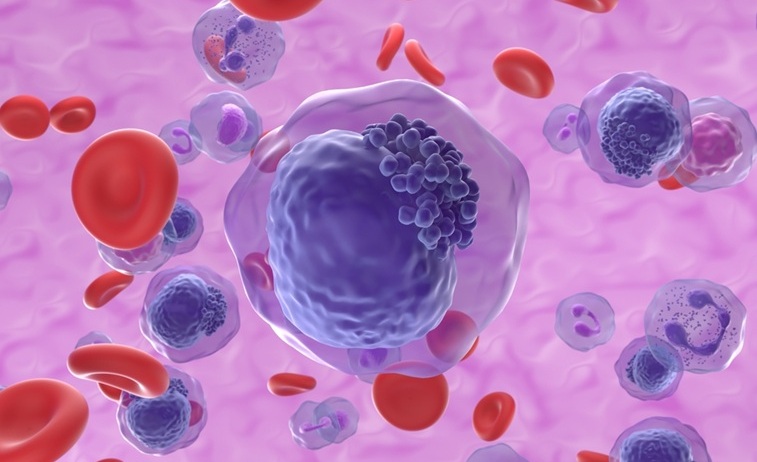
The program’s method relies on precise molecular diagnostics: serial blood testing is used to detect even minimal leukemic burden and to signal when treatment should begin. This strategy was first tested in AML patients following allogeneic stem cell transplantation and later extended to those with NPM1‑mutated AML after conventional therapy. In RELAZA2, azacitidine was evaluated as the intervention once MRD was identified, aligning treatment with molecular evidence of resurgence rather than symptoms.
The work builds on a pilot study conducted from 2005 to 2011 that first investigated targeted treatment at the earliest molecular signs of blood cancer return. Initial results from the multicenter RELAZA2 trial were published in 2018; the newly released analysis provides comprehensive long‑term data for the first time. The study is published in Blood.
The trials were conducted primarily within the Study Alliance Leukemia (SAL), a network of leading German leukemia centers, with key participation from University Hospital Dresden (UKD) and the National Center for Tumor Diseases (NCT/UCC) Dresden. Investigators characterize this milestone as both the conclusion of a major translational effort and a starting point for subsequent studies to refine MRD‑guided therapy and integrate it more precisely into clinical practice.
“When we began with the first MRD-guided approaches twenty years ago, it was still unclear whether this would actually lead to a new therapeutic pathway. The RELAZA2 long-term data now shows that early intervention based on molecular markers has the potential to significantly influence the course of the disease,” said Prof. Uwe Platzbecker, Medical Director of the University Hospital Dresden (UKD) and one of the program’s initiators.
“This work impressively demonstrates how clinical research can yield new treatment strategies through cooperation over many years. It provides an essential foundation for future studies and personalized treatment approaches,” emphasized Prof. Martin Bornhäuser, Director of Medical Clinic I at UKD and one of the Managing Directors of the National Center for Tumor Diseases (NCT/UCC) Dresden.
Related Links
TUD Dresden University of Technology