Diagnostic Gaps Complicate Bundibugyo Ebola Outbreak Response in Congo
Posted on 22 May 2026
In eastern Democratic Republic of the Congo, communities are confronting a resurgence of Bundibugyo ebolavirus, a rarer species for which no vaccines or treatments have been approved. Ebola is a highly contagious virus that spreads through bodily fluids such as blood, vomit, or semen, and the disease it causes is rare but severe and often fatal. Symptoms can include fever, headache, muscle pain, weakness, diarrhea, vomiting, stomach pain, and unexplained bleeding or bruising.
Limited laboratory capacity and long sample transport routes have complicated diagnosis, while health authorities have reported that early misdirected testing and limited access to Bundibugyo-specific assays contributed to delayed detection.
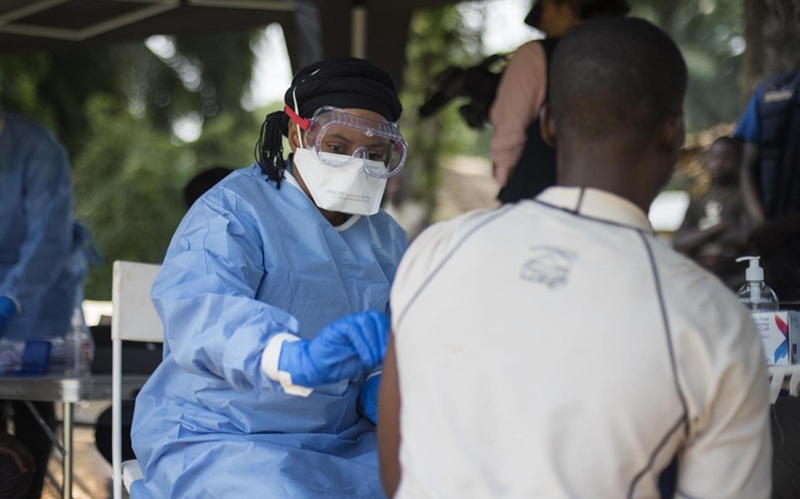
The World Health Organization (WHO) has expressed concern over the “scale and speed” of the outbreak, which involves more than 500 suspected cases and 134 suspected deaths. Confirmed cases include 30 in Congo and two in Uganda, including one death. WHO has declared a public health emergency of international concern, citing urban transmission, deaths among healthcare workers, and population movement as factors compounding the risk. Confirmed cases have been reported in Bunia, Goma, Mongbwalu, Nyakunde, and Butembo.
Laboratory confirmation for Bundibugyo ebolavirus currently depends on centralized testing capacity in Kinshasa and Goma. Early samples from Bunia were tested only for the more common Zaire ebolavirus and returned negative results, allowing transmission to continue undetected for weeks. Authorities have also noted that no approved medicines or vaccines are available for the Bundibugyo species.
The outbreak chronology highlights the diagnostic gap. The first known death occurred on April 24 in Bunia, but confirmation did not come for weeks. After a subsequent illness on April 26, samples were sent to Kinshasa, more than 1,000 kilometers from Bunia. WHO was alerted on May 5 to approximately 50 deaths in Mongbwalu, and the first laboratory confirmation followed on May 14.
The current response is also shaped by lessons from past Ebola outbreaks. During the West African outbreak more than a decade ago, which killed more than 11,000 people, many infections occurred during funeral practices, including washing the bodies of those who had died. Such risks underscore the importance of rapid detection, infection-control measures, safe burials, and community engagement.
Response operations continue to expand. WHO indicated that any approved vaccine option considered for use would take approximately two months to become available, while shipments of experimental vaccines targeting other Ebola types are expected from the United States and Britain. On the ground, Doctors Without Borders and the Red Cross are supporting response efforts, UNICEF has delivered 16 tons of supplies for three treatment centers in Ituri province, and authorities are working to break chains of transmission.
Related Links
World Health Organization