First-Ever SARS-CoV-2 Antibody Test Indicates Whether Patients Require COVID-19 Booster
|
By LabMedica International staff writers Posted on 23 Jun 2022 |


|
The COVID-19 pandemic remains a healthcare concern as new strains of the virus have emerged. Now, a first-of-its-kind test enables personalized COVID-19 assessments by detecting if a patient has antibodies from a previous infection of SARS-CoV-2 or from vaccination alone.
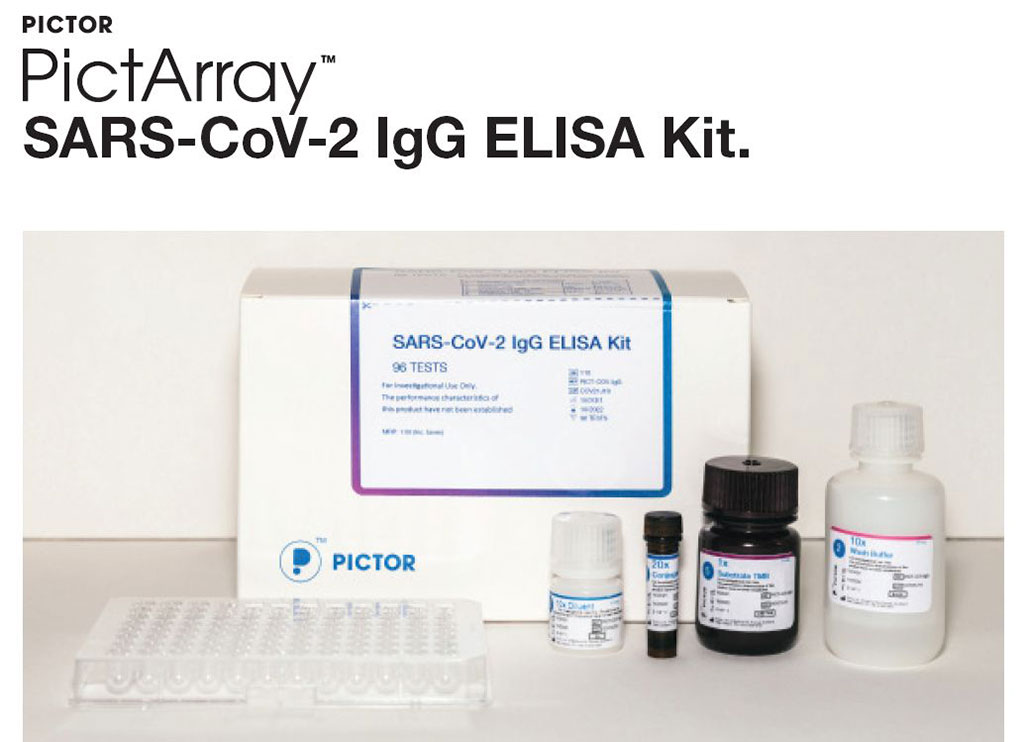
The PictArray SARS-CoV-2 IgG enzyme-linked immunosorbent assay (ELISA) antibody test from Pictor Limited (Auckland, New Zealand) detects if a person has antibodies from a previous SARS-CoV-2 infection (from spike protein (SP) and nucleocapsid protein (NP) antibodies) or from COVID-19 vaccination alone (SP antibodies only). The test also indicates whether at-risk patients have failed to mount a detectable antibody response despite vaccination or infection (SP and NP negative).
Pictor has received confirmation of CE registration for its PictArray SARS-CoV-2 IgG ELISA antibody test as per In Vitro Diagnostic Directive (IVDD) regulations, allowing it to market the COVID-19 antibody test in Europe and gain regulatory approval in Southeast Asia.
“Receiving CE registration enables Pictor to establish a footprint with partner laboratories and research bodies within Europe which is an important market for us,” said Howard Moore, CEO of Pictor. “Our recent successful funding round means we are well equipped to support market development and launches within the European Economic Area while continuing existing work across ANZ, the U.S., India and Southeast Asia.”
“As we learn more about COVID-19, the separate detection of SP and NP will enable a more precise assessment of a patient’s immunity against SARS-CoV-2 and help guide any associated clinical interventions whilst also informing wider public health measures when mass serosurveys are conducted,” added Pictor’s Chief Medical Officer Tadd Lazarus, MD.
Related Links:
Pictor Limited






Latest COVID-19 News
- New Immunosensor Paves Way to Rapid POC Testing for COVID-19 and Emerging Infectious Diseases
- Long COVID Etiologies Found in Acute Infection Blood Samples
- Novel Device Detects COVID-19 Antibodies in Five Minutes
- CRISPR-Powered COVID-19 Test Detects SARS-CoV-2 in 30 Minutes Using Gene Scissors
- Gut Microbiome Dysbiosis Linked to COVID-19
- Novel SARS CoV-2 Rapid Antigen Test Validated for Diagnostic Accuracy
- New COVID + Flu + R.S.V. Test to Help Prepare for `Tripledemic`
- AI Takes Guesswork Out Of Lateral Flow Testing
- Fastest Ever SARS-CoV-2 Antigen Test Designed for Non-Invasive COVID-19 Testing in Any Setting
- Rapid Antigen Tests Detect Omicron, Delta SARS-CoV-2 Variants
- Health Care Professionals Showed Increased Interest in POC Technologies During Pandemic, Finds Study
- Set Up Reserve Lab Capacity Now for Faster Response to Next Pandemic, Say Researchers
- Blood Test Performed During Initial Infection Predicts Long COVID Risk
- Low-Cost COVID-19 Testing Platform Combines Sensitivity of PCR and Speed of Antigen Tests
- Finger-Prick Blood Test Identifies Immunity to COVID-19
- Quick Test Kit Determines Immunity Against COVID-19 and Its Variants
Channels
Clinical Chemistry
view channel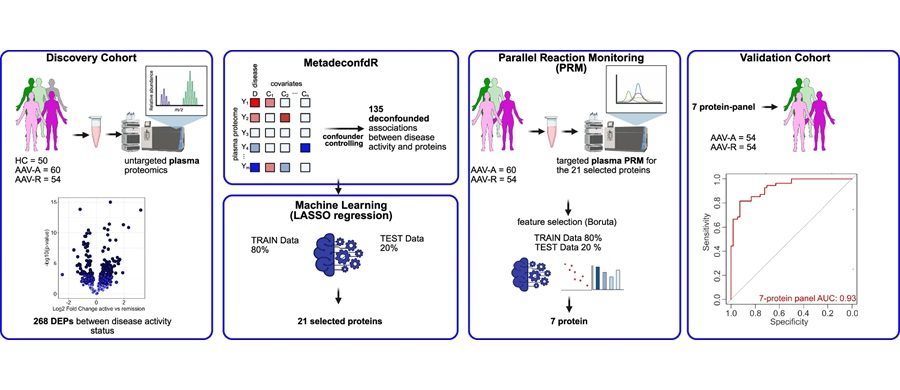
Multiprotein Plasma Panel Identifies Remission in Vasculitis
Vasculitis causes immune-mediated inflammation of blood vessel walls and can lead to kidney and lung damage. Clinicians rely on immunosuppressive drugs, but treatment carries significant side effects and... Read more
Rapid Urine Biomarker Panel Supports Better Kidney Transplant Decisions
Kidney transplantation remains constrained by organ scarcity and uncertainty about the quality of deceased-donor kidneys. In the United States, more than 92,000 people are awaiting a kidney transplant,... Read more
Molecular Diagnostics
view channel
New Blood RNA Markers Help Advance Precision Medicine for Respiratory Patients
Risk stratification in hospitalized respiratory disease, particularly among older adults with COVID-19, remains challenging despite rich clinical datasets. Blood-based non-coding RNA biomarkers are promising,... Read more
Single Genetic Analysis Identifies Causes of Premature Ovarian Insufficiency
Premature ovarian insufficiency (POI) affects up to 3.5% of women and represents a major cause of infertility. In most cases, the underlying etiology remains unknown, making patient counseling and clinical... Read more

Hematology
view channel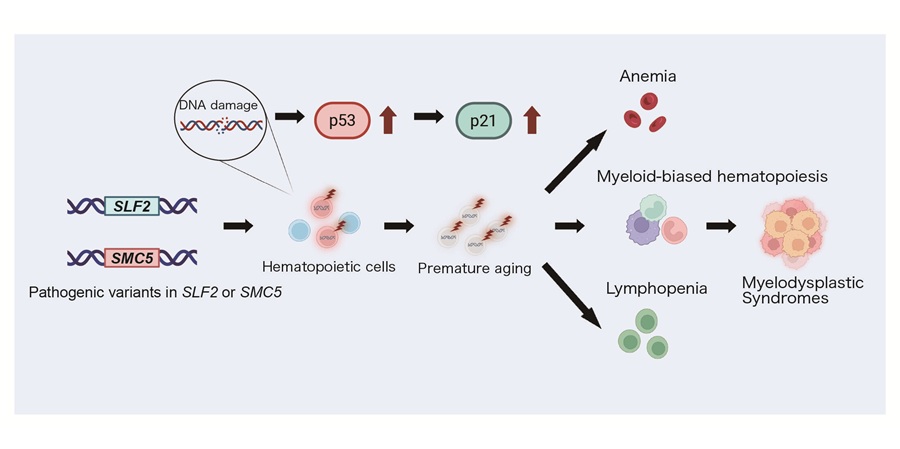
New Genetic Findings Reveal Cause of Bone Marrow Failure Syndrome
Inherited bone marrow failure syndromes (IBMFS) impair the bone marrow’s ability to produce sufficient healthy blood cells and are associated with an increased risk of early-onset myelodysplastic syndromes (MDS).... Read more
Ultra-Portable Device Enables Finger-Prick Blood Testing at Home
Patients who need frequent blood tests often face repeated clinic visits that burden services and disrupt care. In the UK, millions of tests are performed each year to diagnose disease, guide therapy,... Read more

Immunology
view channel
Temporal Immune Profiling Reveals How Sepsis States Change Over Time
Sepsis is a life-threatening condition in which the immune response to infection becomes dysregulated, leading to rapid organ failure and death. Although antimicrobials and organ support remain standard... Read more
Study Identifies Immune Cells That Drive Harmful Autoantibody Responses in COVID-19
Autoantibodies that mistakenly attack the body’s own tissues have been linked to severe COVID-19, Long COVID, and increased risk of autoimmune disease. However, the origins of these autoantibodies during... Read more

Microbiology
view channel
New Diagnostic Workflow Identifies Bloodstream Pathogens and Antibiotic Response in Hours
Sepsis is a life-threatening complication of infection that affects more than 1.5 million patients annually in the United States and contributes to roughly one in three in-hospital deaths.... Read more
Genetic Marker Identifies Emerging Resistance to Frontline Malaria Drugs
Artemisinin-based combination therapy remains central to controlling Plasmodium falciparum malaria, but emerging drug resistance is complicating treatment and surveillance. In Uganda and across sub-Saharan... Read more
Pathology
view channel
AI Matches Pathologists in Predicting Breast Cancer Prognosis from Immune Cells
Breast cancer is the most common cancer in Australian women, with more than 20,000 cases each year. Prognosis can be informed by counting tumor-infiltrating lymphocytes (TILs) on routine pathology slides,... Read more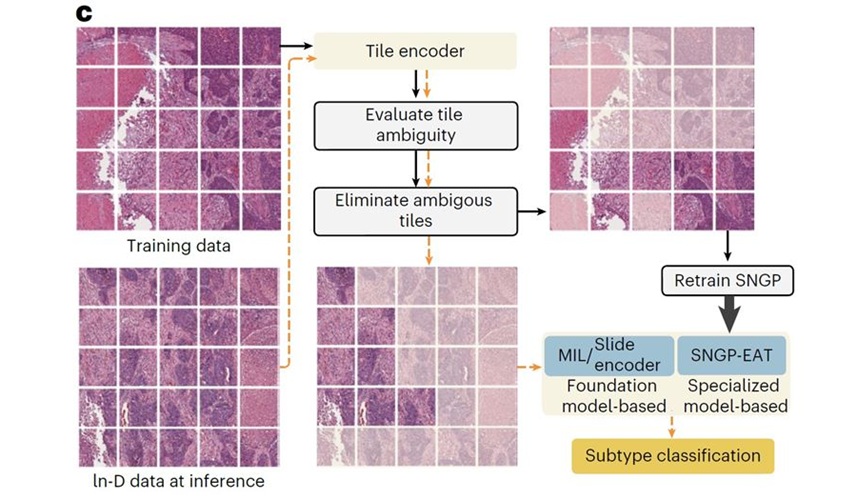
AI-Pathologist Framework Improves Accuracy and Reliability in Cancer Diagnosis
Ensuring reliable cancer diagnosis from digital pathology remains a critical challenge as clinical decisions rely on accurate slide interpretation. While artificial intelligence (AI) has accelerated whole-slide... Read more
New Review Highlights Intelligent Agents as Next Step for Digital Pathology
Digital pathology remains constrained by models that classify single images without mirroring how clinicians interrogate multiple slides, adjust magnification, and synthesize ancillary tests.... Read more
Simple Immunohistochemical Size Ratio Improves Classification of Primary Aldosteronism
Primary aldosteronism is a common but underdiagnosed cause of hypertension, in which excess aldosterone promotes salt retention and raises blood pressure. Identifying the dominant source of hormone overproduction... Read moreTechnology
view channel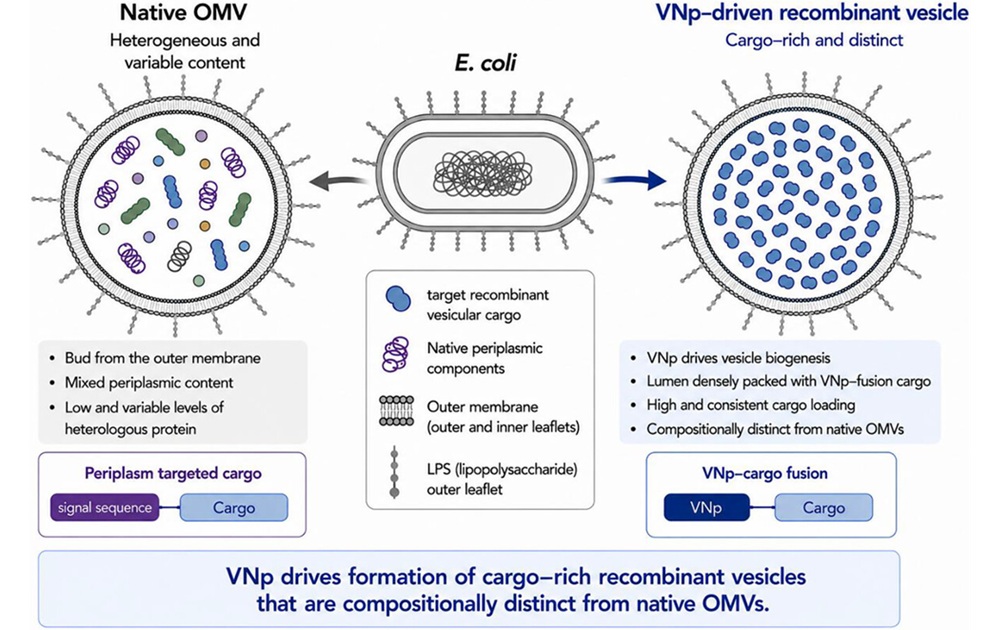
Bacterial Vesicle Expression System Streamlines Production of Cancer Diagnostic Proteins
Recombinant proteins are central to many cancer diagnostics and therapies, but numerous targets remain difficult and costly to produce because they are unstable, toxic to microbial hosts, or require precise folding.... Read more
Autonomous Robotic System Receives FDA Authorization for Blood Collection
Venipuncture is central to many diagnostic pathways, but routine blood collection can be affected by staffing constraints and procedural variability that influence consistency and patient experience.... Read more

Industry
view channel
Natera ctDNA Test to Support Response Monitoring in Solid Tumor Trial
ANatera’s Signatera test will be used in a partnership with Angiex to evaluate patients receiving AGX101, a Nuclear-Delivered Antibody-Drug Conjugate (ND-ADC) in a Phase I clinical trial.... Read more