Quidel Triage Cardiac Panel Facilitates Rapid POC Diagnosis of Chest Pain Patients in ED
|
By LabMedica International staff writers Posted on 17 May 2022 |


|
Chest and abdominal pain are the most common reasons that persons aged 15 years and over visit the emergency department (ED). Because both emergency and non-emergency care are provided, symptoms vary widely in their acuity. The ECG is often non-diagnostic with a sensitivity of less than 60%. Atypical symptoms often seen in the elderly, women, and patients with diabetes make the clinical diagnosis even more difficult. Prolonged laboratory results may delay recognition of critically ill patients and initiation of appropriate therapies. It has been shown that quicker treatment times are associated with improved patient outcomes due to an earlier diagnosis. A point-of-care (POC), serial multi-marker testing strategy has been shown to facilitate the rapid diagnosis and management of chest pain patients in the ED.
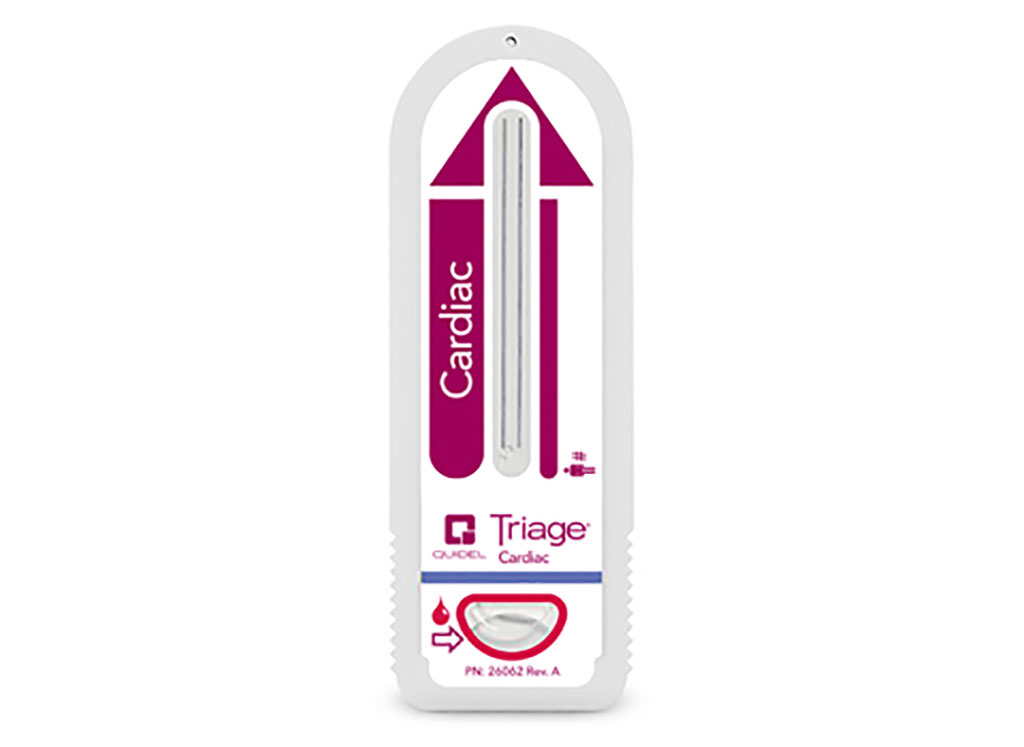
Quidel Corporation (San Diego, CA, USA) has developed the Triage Cardiac Panel for use in the ED that is FDA cleared to aid in the diagnosis of myocardial infarction. The Quidel Triage Cardiac Panel is a rapid, point of care fluorescence immunoassay used with the Quidel Triage MeterPro. The test is designed to determine the level of creatine kinase MB (CK-MB), myoglobin and troponin I in EDTA anticoagulated whole blood or plasma specimens. This can be used as an aid in the diagnosis of myocardial infarction (injury).
At discharge, it is estimated that as many as 85% of chest pain patients do not have a cardiac diagnosis and myocardial infarction was missed in 2% - 8%. The Quidel Triage Cardiac Panel’s POC multi marker strategy provides meaningful diagnostic information to differentiate acute myocardial infarction (AMI) from other cardiac abnormalities. It has a near perfect NPV (99.9%) that allows for rapid rule out and the potential to decrease ED Length Of Stay (LOS) and turnaround time (TAT). It also has the potential to increase the number of stays less than 24 hours (decreases unnecessary admissions), thereby improving clinical, economic and operational outcomes. The test uses plasma or whole blood samples in EDTA and has time to results of about 20 minutes.
A 2008 retrospective analysis from three HCA hospitals tested chest pain patients using the Quidel Triage Cardiac Panel at one to three hour intervals. Rule-in criteria were (1) any TnI above the AMI cutoff on any draw; (2) a 50% increase in myoglobin levels with any detectable TnI on the last draw; or (3) a 50% increase in myoglobin with a concomitant increase in CKMB. In the retrospective study, most patients were safely evaluated and dispositioned in three hours or less. In the same three-hour window, rule-in patients were identified with a clinical sensitivity of 98.1%. Specificity was 98.1%; accuracy 99.7%; the PPV (positive predictive value) was 92.6%, and the NPV (negative predictive value) was 99.9%.
Additionally, a before and after study at a 567-bed teaching hospital demonstrated operational efficiencies gained by implementing the Quidel Triage Cardiac Panel with a zero, two and four hour protocol. The goal of the ED was to expedite the disposition of patients presenting with chest pain symptoms and move patients to the appropriate treatment pathway. The study demonstrated a reduction of 60 patients (36%) coded as DRG 143 (non-specific chest pain), freeing up needed beds in the ED. The average length of stay for the ED was shortened by 122 minutes (31%). Moreover, NSTEMI patients were ruled in more quickly with a 41% reduction in their length of stay.
Related Links:
Quidel Corporation





Latest Molecular Diagnostics News
- RNA Profiling Uncovers Therapeutic Targets in Solid Tumors
- Whole Genome Sequencing in Routine Care Expands Rare Disease Detection
- New AI Tool Improves Detection of Genetic Causes in Rare Disorders
- Adaptive PCR Platform Improves Consistency in Small-Batch NGS Workflows
- Portable Test Uses CRISPR to Rapidly Identify STIs and Resistance Markers
- New Molecular Test Boosts Accuracy of Bile Duct Cancer Diagnosis
- First IVDR‑Certified IGH Clonality Assay Supports Diagnosis of B-Cell Malignancies
- Plasma ctDNA Testing Predicts Breast Cancer Recurrence After Neoadjuvant Therapy
- New Respiratory Panel Expands Pathogen Detection to 25 Targets
- Nasal Swab May Reveal Early Signs of Alzheimer’s Disease
- Blood Biomarker Predicts Cognitive Outcomes After Cardiac Arrest
- Liquid Biopsy Enables Faster Diagnosis of Childhood Cancer in Africa
- Blood Test Helps Guide Treatment in Older Women with Breast Cancer
- Rapid Host-Response Test Distinguishes Bacterial and Viral Infections in Minutes
- Liquid Biopsy Method Pinpoints Disease Source From a Single Drop of Blood
- Study Reveals Widespread Errors in Gene Variant Naming
Channels
Clinical Chemistry
view channel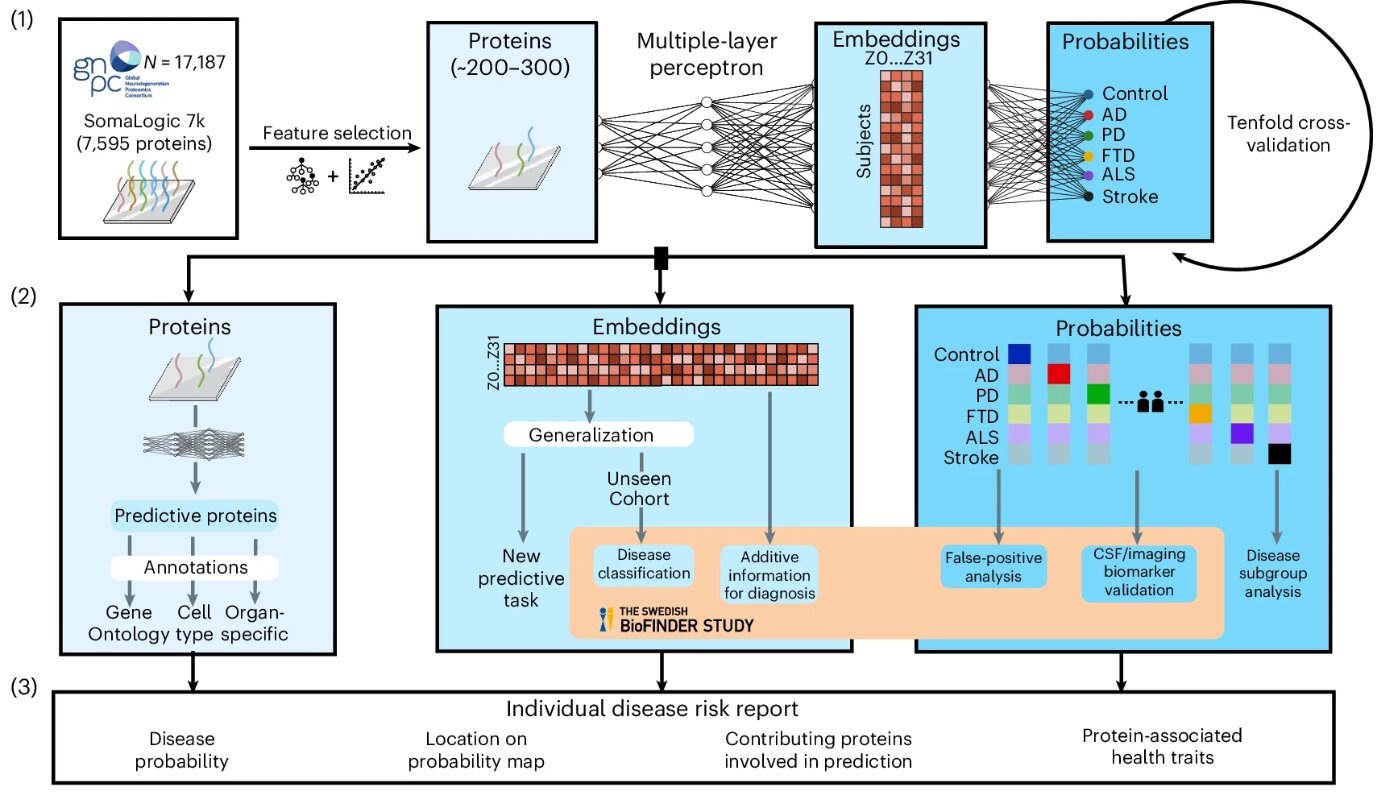
AI-Based Blood Test Diagnose Multiple Brain Disorders from Blood Sample
Diagnosing the cause of age-related cognitive symptoms remains challenging because clinical presentations of neurodegenerative diseases often overlap, and multiple pathologies can co-occur... Read more
New CLIA Status Brings Mass Spectrometry Steroid Testing to Routine Labs
Steroid hormone measurement is a core application of clinical mass spectrometry, which is widely regarded as a diagnostic gold standard. Access to these high-specificity methods has often been constrained... Read more

Molecular Diagnostics
view channel
RNA Profiling Uncovers Therapeutic Targets in Solid Tumors
Many patients with advanced solid tumors exhaust broad DNA panel testing yet still lack biomarkers that match guideline-recommended therapies, limiting access to targeted options. Expanding molecular profiling... Read more
Whole Genome Sequencing in Routine Care Expands Rare Disease Detection
Rare diseases often involve prolonged diagnostic journeys that delay clinical decision-making and complicate family planning. As phenotypes become more heterogeneous, sequencing-based methods are increasingly... Read more

Hematology
view channel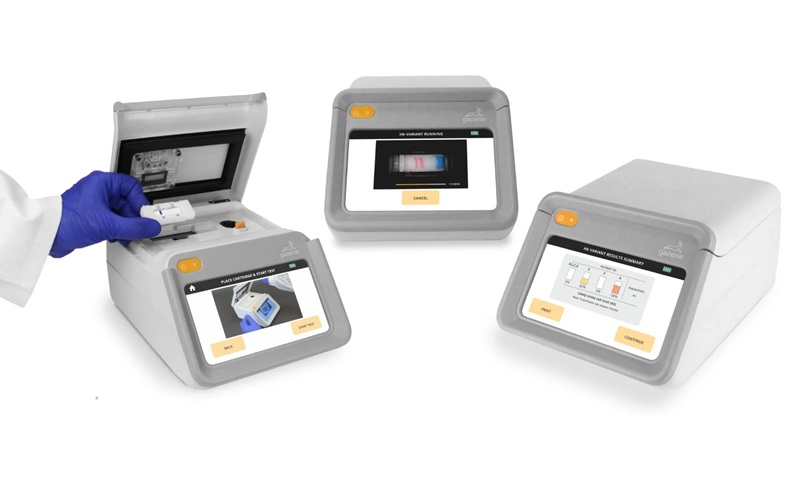
Rapid Cartridge-Based Test Aims to Expand Access to Hemoglobin Disorder Diagnosis
Sickle cell disease and beta thalassemia are hemoglobin disorders that often require referral to specialized laboratories for definitive diagnosis, delaying results for patients and clinicians.... Read more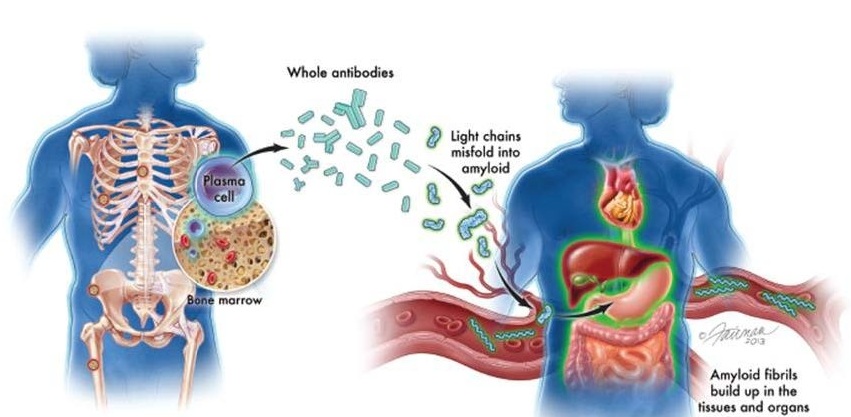
New Guidelines Aim to Improve AL Amyloidosis Diagnosis
Light chain (AL) amyloidosis is a rare, life-threatening bone marrow disorder in which abnormal amyloid proteins accumulate in organs. Approximately 3,260 people in the United States are diagnosed... Read more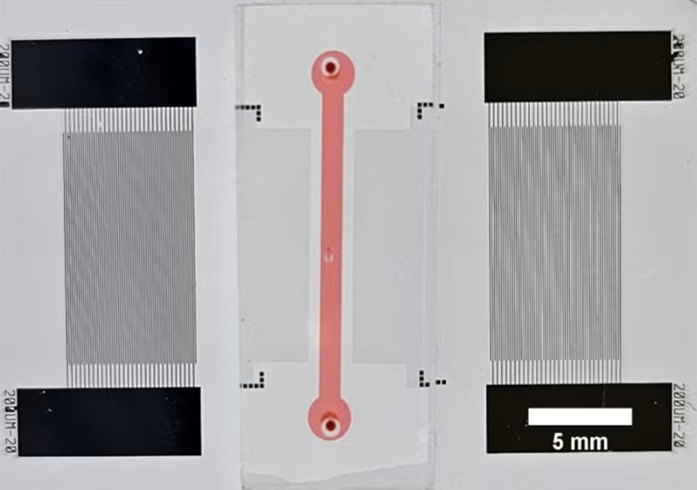

Immunology
view channel
Antibody Blood Test Identifies Active TB and Distinguishes Latent Infection
Active tuberculosis (TB) remains a leading cause of death and illness worldwide, yet distinguishing contagious disease from latent infection continues to challenge clinicians. Standard screening tools... Read more
FDA Approval Expands Use of PD-L1 Companion Diagnostic in Esophageal and GEJ Carcinomas
Esophageal and gastroesophageal junction carcinomas (GEJ) have a poor prognosis, with approximately 16,250 deaths in the United States in 2025 and a five-year relative survival of 21.9%.... Read more
Study Identifies Inflammatory Pathway Driving Immunotherapy Resistance in Bladder Cancer
Bladder cancer remains a prevalent malignancy with variable responses to immune checkpoint inhibitors. Clinicians often observe elevated C-reactive protein and interleukin-6 in affected patients, yet the... Read more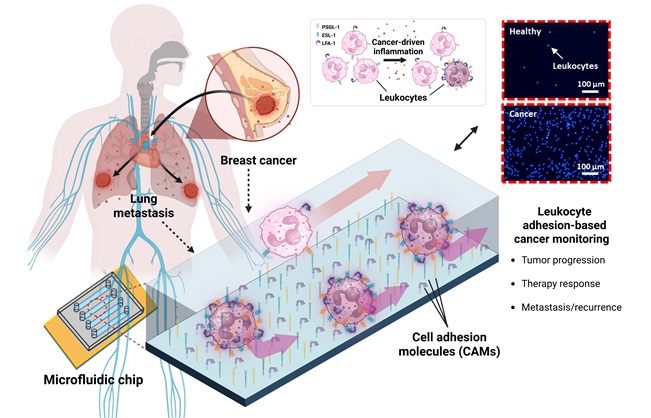
Microbiology
view channel
New Bacterial Target Identified for Early Detection of Noma
Noma is a rapidly progressing orofacial infection that begins as gingivitis and can destroy oral and facial tissues, primarily affecting young children living in extreme poverty. Without treatment, it... Read more
Genomic Analysis Links Emerging Streptococcal Strains to Specific Infections
Streptococcus dysgalactiae subspecies equisimilis (SDSE) infections are increasing worldwide and include variants that may lead to severe disease. Researchers now report that whole-genome sequencing of... Read more

Pathology
view channel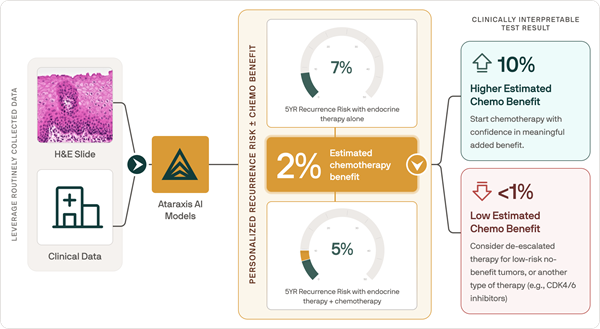
AI Tool Predicts Patient-Specific Chemotherapy Benefit in Breast Cancer
Selecting adjuvant chemotherapy for early-stage breast cancer is typically guided by recurrence risk and population-level averages rather than patient-specific benefit. However, existing clinicopathologic... Read more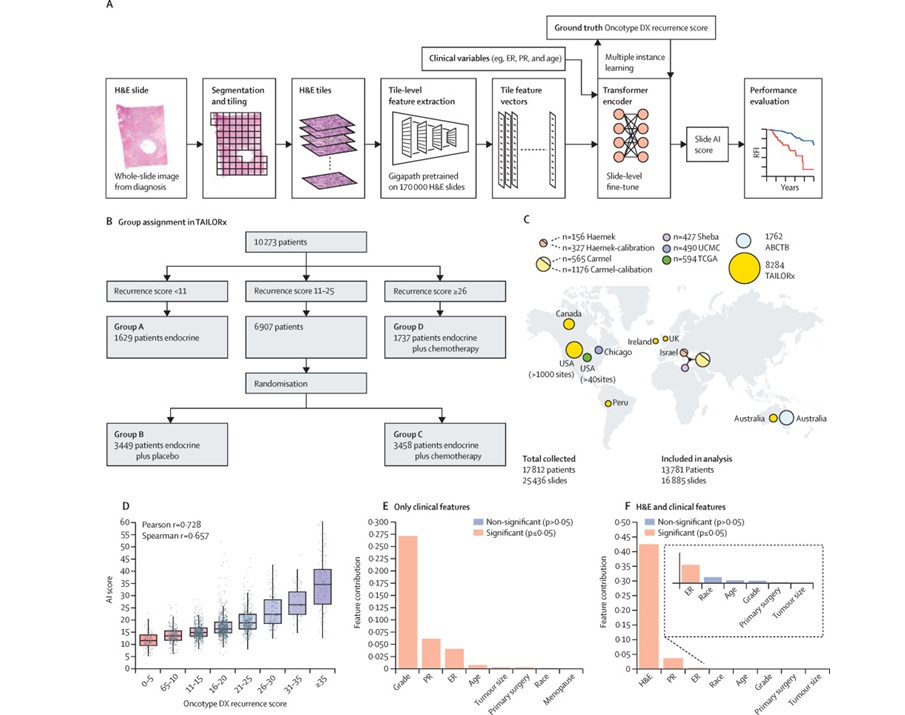
AI-Based Pathology Model Guides Chemotherapy Decisions in Breast Cancer
Selecting adjuvant chemotherapy for early-stage breast cancer remains a difficult decision because only a subset benefits and many undergo toxicity without gain. Genomic assays can help but are costly,... Read more
Technology
view channel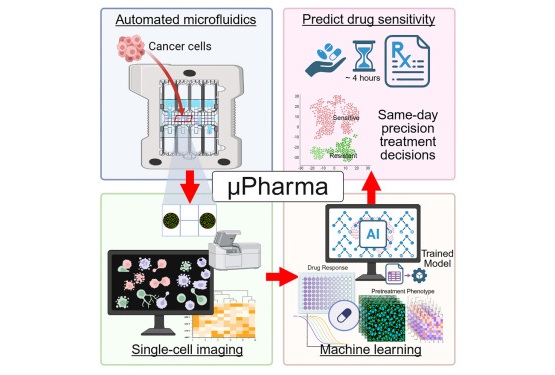
New AI Tool Enables Rapid Treatment Selection in Pediatric Leukemia
Children with T-cell acute lymphoblastic leukemia face an aggressive disease that remains difficult to treat. Although remission rates have improved, many survivors experience long-term effects from intensive... Read more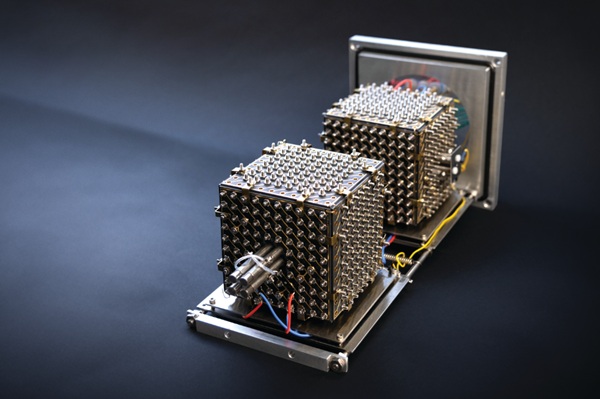
Breakthrough Mass Spectrometry Design Could Enable Ultra-Low Abundance Detection
Mass spectrometry is central to identifying and quantifying molecules in complex biological samples, but conventional instruments typically analyze ions sequentially, which can limit detection of rare species.... Read more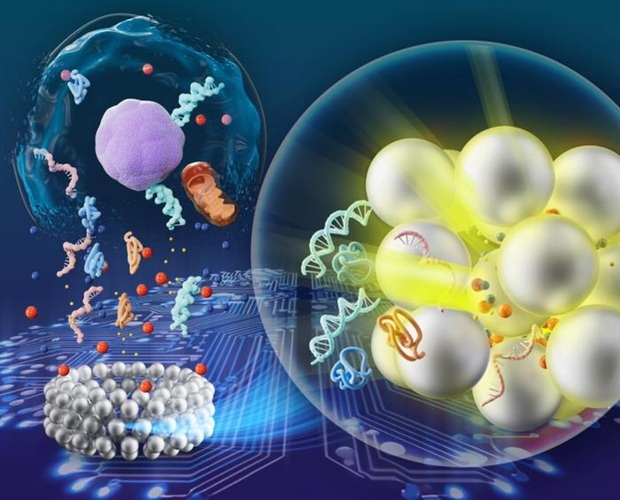

Industry
view channel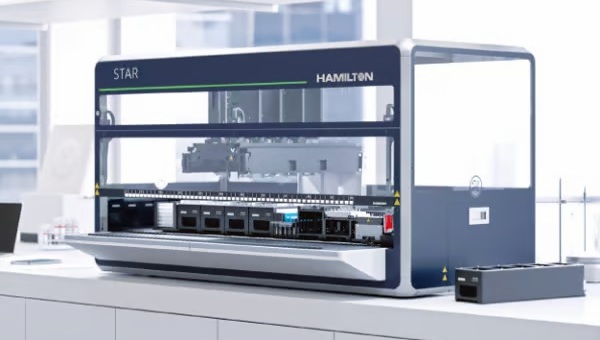
Takara Bio USA and Hamilton Partner Partner to Automate NGS Library Preparation
Takara Bio USA, Inc. (San Jose, CA, USA), a wholly owned subsidiary of Takara Bio Inc., and Hamilton Company (Reno, NV, USA) announced a development and co-marketing agreement to deliver integrated, automated... Read more