New Respiratory Panel Expands Pathogen Detection to 25 Targets
Posted on 27 Mar 2026
Respiratory infections often present with overlapping symptoms, complicating differential diagnosis in acute and community settings. The stakes are higher for older adults, young children, and people with weakened immune systems, where illness can escalate rapidly during peak seasons. A newly launched test now offers rapid, broad pathogen detection to support timely, targeted treatment decisions.
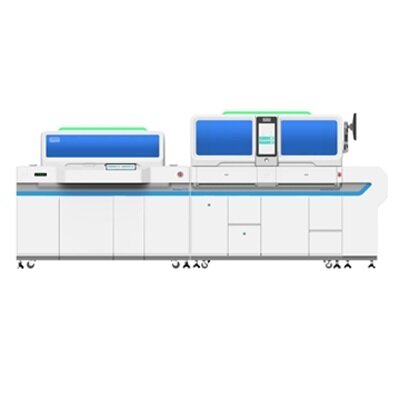
Roche has introduced the cobas eplex respiratory pathogen panel 3 (RP3), which is now available in countries that accept the CE mark. The assay is designed for use on the cobas eplex system and detects a broad spectrum of respiratory viruses and bacteria from a single patient sample. It targets up to 25 pathogens, including severe acute respiratory syndrome coronavirus 2 (SARS‑CoV‑2), influenza viruses, respiratory syncytial virus (RSV), and Bordetella pertussis, to aid clinicians in clarifying the etiology of respiratory illness.

The cobas eplex RP3 panel is a qualitative in vitro diagnostic test for the simultaneous detection and differentiation of up to 25 viral and bacterial targets. Running on the cobas eplex system, it is built to simplify laboratory workflow with automated result reporting and external control tracking and monitoring. The panel detects more than 20 pathogens at once, and with less than one minute of hands‑on time to start the run, it is positioned for around‑the‑clock availability to help hospitals manage surges in respiratory cases. The system’s ease of use and fast time to results are described as helping reduce emergency department length of stay and optimize isolation bed management.
Like the earlier RP2 panel, RP3 covers common respiratory pathogens such as influenza A and B, RSV, and SARS‑CoV‑2, and adds new targets including Bordetella parapertussis and Chlamydia pneumoniae that can cause severe illness in high‑risk patients. The panel’s updated inclusivity for influenza virus and SARS‑CoV‑2 is intended to ensure coverage of current and recently circulating strains. It also introduces flexible syndromic testing, allowing laboratories to customize up to five distinct sub‑panels aligned with local prevalence or specific patient presentations.
"In respiratory care, time is everything. Knowing exactly what is making a patient sick allows clinicians to make fast, effective decisions that can save lives. We are providing hospitals with a powerful tool to manage the complexity of respiratory infections, ensuring that patients — especially those at high risk — get the targeted care they need without delay," said Josh Lauer, Global Head of Molecular Labs at Roche Diagnostics.
Related Links
Roche Diagnostics