Global COVID-19 Antigen Test Market to Continue Being Driven by Evolution of New SARS-CoV-2 Strains
|
By LabMedica International staff writers Posted on 22 Sep 2021 |


|
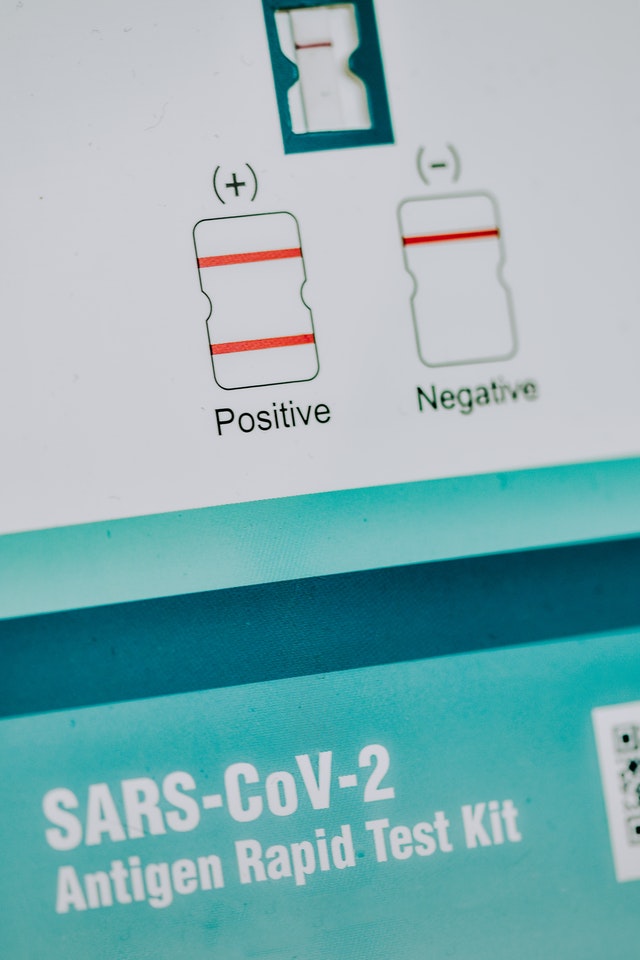
Illustration
The global COVID-19 antigen test market is witnessing increasing demand due to the evolution of new strains of the SARS-CoV-2 virus and increasing spikes in the instances of new COVID-19 infections.
These are the latest findings of Transparency Market Research (Albany, NY, USA), a next-generation market intelligence provider.
Products in the global COVID-19 antigen test market are expected to gain traction owing to their benefits such as shorter test-to-result timeline, as well as their patient-friendly and easy-to-use nature. Furthermore, scalability and timeline challenges regarding PCR testing for the SARS-CoV-2 virus are among the major factors resulting in increased uptake of products in the global COVID-19 antigen test market. Moreover, the emergence of several COVID-19 variants in countries such as Brazil, the UK, and South Africa has intensified the requirement for enhanced and rapid testing products, thus fueling the growth of the global COVID-19 antigen test market. Increasing concerns over the frequency as well as spread of these variants are also anticipated to favor the expansion of the global COVID-19 antigen test market. Furthermore, increased demand for low cost rapid test kits for conducting large scale testing in order to control the spike in COVID-19 cases in various underdeveloped economies is also expected to favor the expansion of the global COVID-19 antigen test market over the coming years.
Additionally, the rising number of product approvals as well as emergency use authorizations by regulatory bodies, coupled with various technological collaborations between several operating entities, is expected to intensify the competitive landscape of the global COVID-19 antigen test market, going forward. Geographically, Asia Pacific is anticipated to account for the largest share of the global COVID-19 antigen test market in terms of revenue, mainly due to the strong presence of various regional and local players who are actively innovating newer antigen tests, as well as the introduction of various new products by several up and coming start-ups in the region.
Related Links:
Transparency Market Research







These are the latest findings of Transparency Market Research (Albany, NY, USA), a next-generation market intelligence provider.
Products in the global COVID-19 antigen test market are expected to gain traction owing to their benefits such as shorter test-to-result timeline, as well as their patient-friendly and easy-to-use nature. Furthermore, scalability and timeline challenges regarding PCR testing for the SARS-CoV-2 virus are among the major factors resulting in increased uptake of products in the global COVID-19 antigen test market. Moreover, the emergence of several COVID-19 variants in countries such as Brazil, the UK, and South Africa has intensified the requirement for enhanced and rapid testing products, thus fueling the growth of the global COVID-19 antigen test market. Increasing concerns over the frequency as well as spread of these variants are also anticipated to favor the expansion of the global COVID-19 antigen test market. Furthermore, increased demand for low cost rapid test kits for conducting large scale testing in order to control the spike in COVID-19 cases in various underdeveloped economies is also expected to favor the expansion of the global COVID-19 antigen test market over the coming years.
Additionally, the rising number of product approvals as well as emergency use authorizations by regulatory bodies, coupled with various technological collaborations between several operating entities, is expected to intensify the competitive landscape of the global COVID-19 antigen test market, going forward. Geographically, Asia Pacific is anticipated to account for the largest share of the global COVID-19 antigen test market in terms of revenue, mainly due to the strong presence of various regional and local players who are actively innovating newer antigen tests, as well as the introduction of various new products by several up and coming start-ups in the region.
Related Links:
Transparency Market Research

Platinum Member
Fully Automatic ACLIA Analyzer
MAGLUMI X8
Gold Member
SARS‑CoV‑2/Flu A/Flu B/RSV Sample-To-Answer Test
SARS‑CoV‑2/Flu A/Flu B/RSV Cartridge (CE-IVD)
Hematology Consumables
Bioblood Devices
POC Immunoassay Analyzer
Procise DX
Latest COVID-19 News
- New Immunosensor Paves Way to Rapid POC Testing for COVID-19 and Emerging Infectious Diseases
- Long COVID Etiologies Found in Acute Infection Blood Samples
- Novel Device Detects COVID-19 Antibodies in Five Minutes
- CRISPR-Powered COVID-19 Test Detects SARS-CoV-2 in 30 Minutes Using Gene Scissors
- Gut Microbiome Dysbiosis Linked to COVID-19
- Novel SARS CoV-2 Rapid Antigen Test Validated for Diagnostic Accuracy
- New COVID + Flu + R.S.V. Test to Help Prepare for `Tripledemic`
- AI Takes Guesswork Out Of Lateral Flow Testing
- Fastest Ever SARS-CoV-2 Antigen Test Designed for Non-Invasive COVID-19 Testing in Any Setting
- Rapid Antigen Tests Detect Omicron, Delta SARS-CoV-2 Variants
- Health Care Professionals Showed Increased Interest in POC Technologies During Pandemic, Finds Study
- Set Up Reserve Lab Capacity Now for Faster Response to Next Pandemic, Say Researchers
- Blood Test Performed During Initial Infection Predicts Long COVID Risk
- Low-Cost COVID-19 Testing Platform Combines Sensitivity of PCR and Speed of Antigen Tests
- Finger-Prick Blood Test Identifies Immunity to COVID-19
- Quick Test Kit Determines Immunity Against COVID-19 and Its Variants
Channels
Clinical Chemistry
view channel
Blood Biomarker Patterns Could Support Monitoring of Anti-Amyloid Treatment
Patients with early-stage Alzheimer’s disease may receive anti-amyloid therapy to clear amyloid protein deposits from the brain. These treatments can slow disease progression, but they do not cure the... Read more
Prehospital Blood Test Could Reduce Emergency Transfers for Chest Pain
Chest pain leads to ambulance transport to an emergency department for about 95% of patients, although only a minority have a serious cardiac condition. Troponin testing helps assess heart muscle damage,... Read more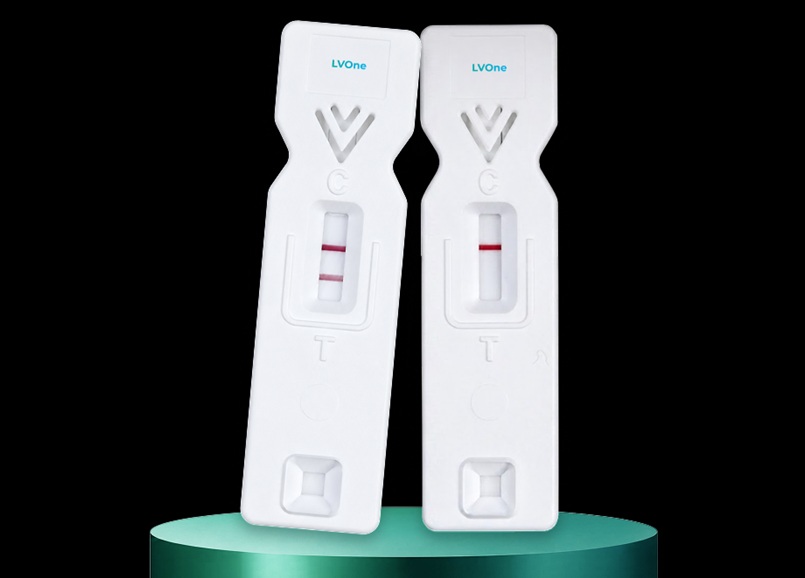
First-of-Its-Kind Rapid Blood Test Gains CE Mark to Support Prehospital Stroke Triage
Rapid stroke identification before hospital arrival is critical because treatment efficacy declines with every minute of delay. However, definitive assessment typically requires hospital-based imaging,... Read more
Multi-Cancer Blood Test Expands Detection to Cancers Lacking Routine Screening Options
Many lethal cancers lack routine screening and are often diagnosed only after symptoms emerge, limiting curative options. Standard programs in the United States cover a small subset of malignancies, leaving... Read moreMolecular Diagnostics
view channel
Portable Test Differentiates Seven Mosquito-Borne Viruses at Point of Care
Mosquito-borne viral illnesses can present with overlapping symptoms such as fever, joint pain, fatigue, and rash, making them difficult to distinguish without laboratory testing. In these settings, clinicians... Read more
Molecular Skin Test May Help Guide Treatment Selection in Atopic Dermatitis
Patients with atopic dermatitis (eczema) often struggle to achieve consistent symptom control, leading many to alter or switch systemic therapies when treatment is ineffective. Newly published survey data... Read more
Genetic Testing Program Helps Uncover Inherited Risk in Pediatric Cancer
Inherited cancer risk can affect children, adolescents and young adults, but it may not always be apparent from tumor type or family history alone. Some cancer syndromes require specialized expertise and... Read more
Genomic Breast Cancer Study Adds Real-World Evidence Across Diverse Patient Populations
Early-stage breast cancer treatment planning requires balancing recurrence risk, tumor biology, and the potential benefit of systemic therapy. These decisions can be challenging when certain patient groups... Read moreHematology
view channel
New Donor Genetic Marker May Help Predict Stem Cell Transplant Success
Donor selection for hematopoietic stem cell transplantation plays a major role in relapse risk and survival for patients with blood cancers and other blood disorders. Despite advances in genotyping, uncertainty... Read more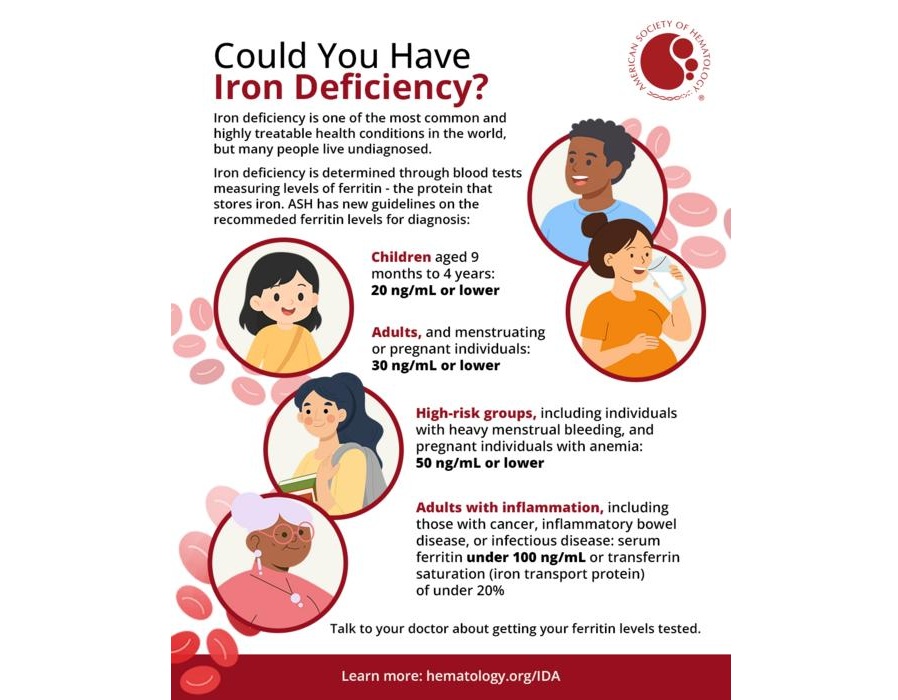
Updated Ferritin Thresholds Improve Detection of Iron Deficiency
Iron deficiency is one of the most common health conditions worldwide, yet its nonspecific symptoms can delay diagnosis for months. Variation in testing practices and ferritin thresholds may contribute... Read more

Immunology
view channel
Werfen Expands Automated APS Testing with FDA-Cleared and CE-Marked IgA Reagent
Antiphospholipid syndrome (APS) is an autoimmune disorder associated with thrombosis and pregnancy complications, but its symptoms can overlap with those of other conditions, complicating diagnosis.... Read more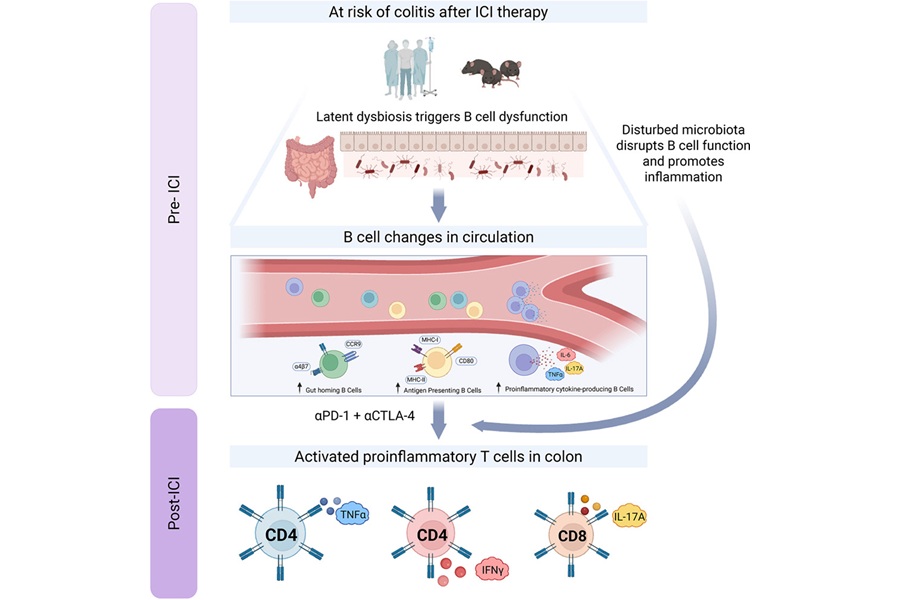
Blood Biomarker May Predict Colitis Risk in Checkpoint Inhibitor Therapy
Immune checkpoint inhibitors can trigger immune-related colitis that leads to severe diarrhea, abdominal pain, and treatment interruptions. Clinicians currently lack validated tools to identify which patients... Read more
Blood EBV Activity Biomarkers May Predict Multiple Sclerosis Relapse Months Ahead
Predicting relapse in multiple sclerosis (MS) remains difficult, limiting opportunities for timely intervention and monitoring. Although many people harbor latent Epstein-Barr virus (EBV), growing evidence... Read more
Microbiology
view channel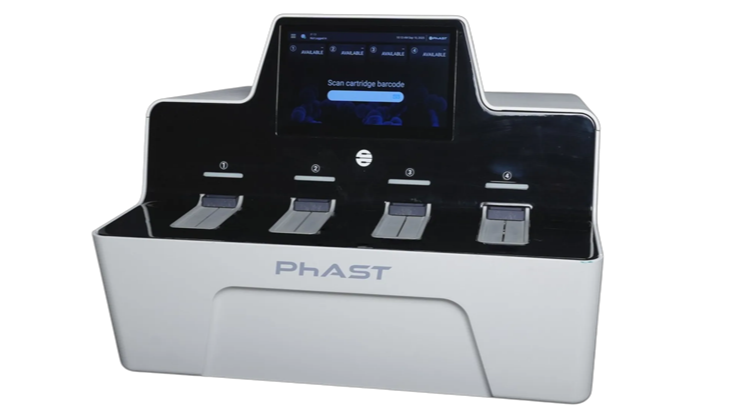
FDA Clears Rapid Phenotypic Antimicrobial Susceptibility System for Positive Blood Cultures
Bloodstream infections require prompt treatment, but antimicrobial susceptibility results often lag behind a positive blood culture. Conventional testing can take another 24 to 48 hours after a culture... Read more
New Urine Test Expands Mycotoxin Analysis to 31 Markers for Broader Exposure Assessment
Clinical evaluation of mold exposure increasingly relies on urinary mycotoxin testing, but limited marker coverage and metabolite masking can make results more difficult to interpret. Broader analysis... Read more

Pathology
view channel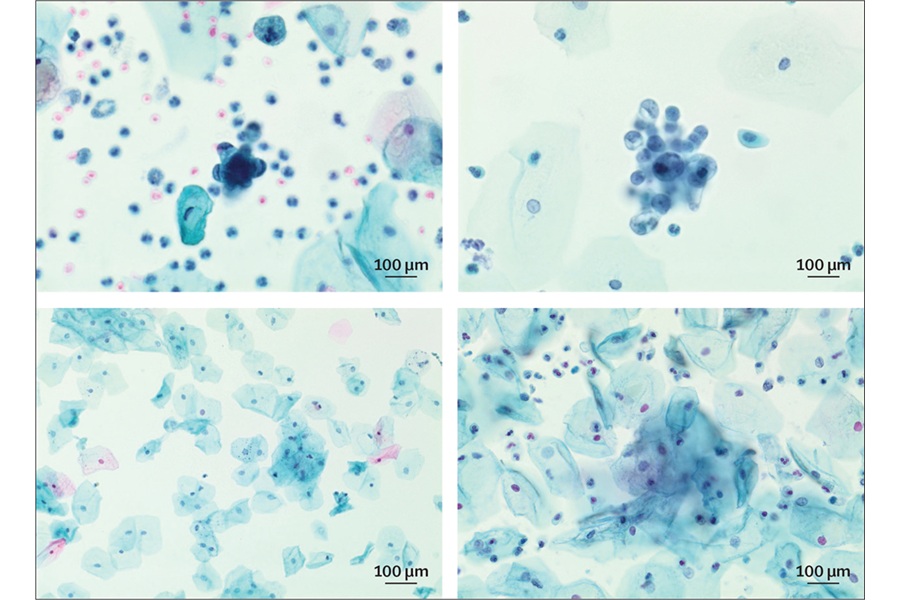
Simple Test Could Reduce the Need for Invasive Uterine Cancer Checks
Bleeding after menopause requires prompt investigation for uterine cancer, although most women who undergo testing do not have the disease. In the U.K., uterine cancer affects nearly 10,000 women each... Read more
Tumor Blood Vessel Features May Help Predict Colorectal Cancer Survival
Colorectal cancer outcomes vary widely, and tumor biology remains a key determinant of prognosis. Because neoplasms depend on a vascular supply, differences in intratumoral vessels may influence survival.... Read more
Multimodal AI Improves Breast Cancer Recurrence Risk Prediction Beyond Standard Genomic Testing
Predicting which patients with early-stage breast cancer will develop distant recurrence remains difficult, complicating decisions about long-term therapy and surveillance. Widely used genomic assays are... Read more
Technology
view channel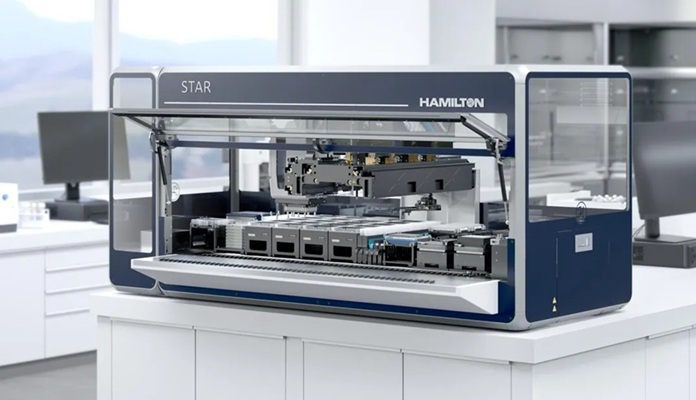
New Automation Workflow Streamlines NGS Library Preparation for High-Volume Labs
Demand for next-generation sequencing (NGS) continues to rise as laboratories process growing sample volumes, yet library preparation remains labor-intensive and a frequent source of variability.... Read more
ADLM Calls for CLIA Updates to Support Safe AI Use in Laboratory Medicine
Clinical laboratories increasingly use artificial intelligence to verify, interpret, and report results, but safeguards under the Clinical Laboratory Improvement Amendments (CLIA) were designed in 1992.... Read more
Industry
view channel
Collaboration Combines AI Cognitive Assessment and RNA Blood Testing for Earlier Alzheimer’s Detection
Alzheimer’s disease is often identified only after substantial neurodegeneration, partly because current diagnostic pathways are fragmented and difficult to scale. As treatment shifts toward earlier intervention,... Read more
Mayo Clinic Laboratories and Pathology Asia Expand Genomic Testing Across Asia-Pacific
Mayo Clinic Laboratories and Pathology Asia Holdings (PAH), together with subsidiary LifeStrands Genomics, announced a strategic investment and collaboration focused on expanding access to advanced diagnostics... Read more