Test Detects Anti-HIV-1 and Anti-HIV-2 Antibodies
|
By Labmedica staff writers Posted on 12 Jun 2008 |


|
A diagnostic assay has been developed for the detection of antibodies to human immunodeficiency virus types 1 and/or 2 (anti-HIV-1 and anti-HIV-2).
The new Vitros Anti-HIV 1+2 assays can be run in a fully automated, random access format on the Vitros ECi/ECiQ immunodiagnostic system, with results readily available in less than 50 minutes. The tests can be run at any time, in any order, and with other types of tests. The features of automation and random access increase productivity and efficiency in the laboratory.
Approximately 1,039,000 to 1,185,000 people in the United States are living with HIV/AIDS, with 24-27 % undiagnosed and unaware of their HIV infection. Costs associated with unrecognized or late-recognized HIV infection are growing.
Ortho-Clinical Diagnostics (Rochester, NY, USA) announced that the U.S. Food and Drug Administration (FDA; Rockville, MD) approved its new diagnostic assay for the detection of antibodies to HIV-1 and -2 on the Vitros immunodiagnostic system. The assay was co-developed with Chiron, a business of Novartis Vaccines and Diagnostics, Inc. (Emeryville, CA, USA). The FDA approval and availability to laboratories in the United States, Puerto Rico, and U.S. territories marks the first anti-HIV 1+2 test capable of being run in full random access along swith other tests and providing immediate results upon test completion.
Related Links:
Ortho-Clinical Diagnostics
Chiron
Novartis Vaccines and Diagnostics




The new Vitros Anti-HIV 1+2 assays can be run in a fully automated, random access format on the Vitros ECi/ECiQ immunodiagnostic system, with results readily available in less than 50 minutes. The tests can be run at any time, in any order, and with other types of tests. The features of automation and random access increase productivity and efficiency in the laboratory.
Approximately 1,039,000 to 1,185,000 people in the United States are living with HIV/AIDS, with 24-27 % undiagnosed and unaware of their HIV infection. Costs associated with unrecognized or late-recognized HIV infection are growing.
Ortho-Clinical Diagnostics (Rochester, NY, USA) announced that the U.S. Food and Drug Administration (FDA; Rockville, MD) approved its new diagnostic assay for the detection of antibodies to HIV-1 and -2 on the Vitros immunodiagnostic system. The assay was co-developed with Chiron, a business of Novartis Vaccines and Diagnostics, Inc. (Emeryville, CA, USA). The FDA approval and availability to laboratories in the United States, Puerto Rico, and U.S. territories marks the first anti-HIV 1+2 test capable of being run in full random access along swith other tests and providing immediate results upon test completion.
Related Links:
Ortho-Clinical Diagnostics
Chiron
Novartis Vaccines and Diagnostics

Gold Member
Automatic Hematology Analyzer
CF9600
Food Allergy Screening ELISA Kit
Allerquant 14G B ELISA
LAIR2 Antibody Pair Set
LAIR2 Antibody Pair [Biotin]
Latest Clinical Chem. News
- Saliva-Based Test Detects Biochemical Signs of Sleep Loss
- Simple Dual-Tau Blood Test Detects and Stages Alzheimer’s Disease
- Alzheimer’s Blood Biomarkers Linked to Early Cognitive Differences Before Dementia
- Urine-Based Test Shows Promise for Autism Screening in Children
- Blood-Based Sensor Detects Early Signs of Alzheimer’s and Parkinson’s
- Liquid Biopsy Biomarkers May Improve Childhood Epilepsy Diagnosis
- Urine-Based Alzheimer’s Test Receives FDA Breakthrough Device Designation
- Fluid Biomarker Improves Diagnosis and Monitoring of Primary CNS Lymphoma
- New CA19-9 Cutoff Value Helps Identify High-Risk Pancreatic Cancer Patients
- Blood-Based Biomarkers Show Promise for Psychosis Risk Prediction
- International Experts Recommend Ending Routine 'Corrected' Calcium Reporting
- Long-Term Data Show PSA Screening Modestly Reduces Prostate Cancer Deaths
- Urine-Based Nanosensor Tracks Lung Cancer and Fibrosis Noninvasively
- FDA-Cleared Assay Enables Comprehensive Automated Testosterone Testing
- CE-Marked Blood Biomarker Test Advances Automated Alzheimer’s Diagnostics
- Blood-Based Alzheimer’s Test Gains CE Mark for Amyloid Pathology Detection
Channels
Molecular Diagnostics
view channel
New PCR Assay Supports Bundibugyo Ebola Outbreak Surveillance
Rapid identification of Ebola infections is essential to limit transmission and guide public health response, yet detection can be difficult when outbreaks involve rare variants. The current outbreaks... Read more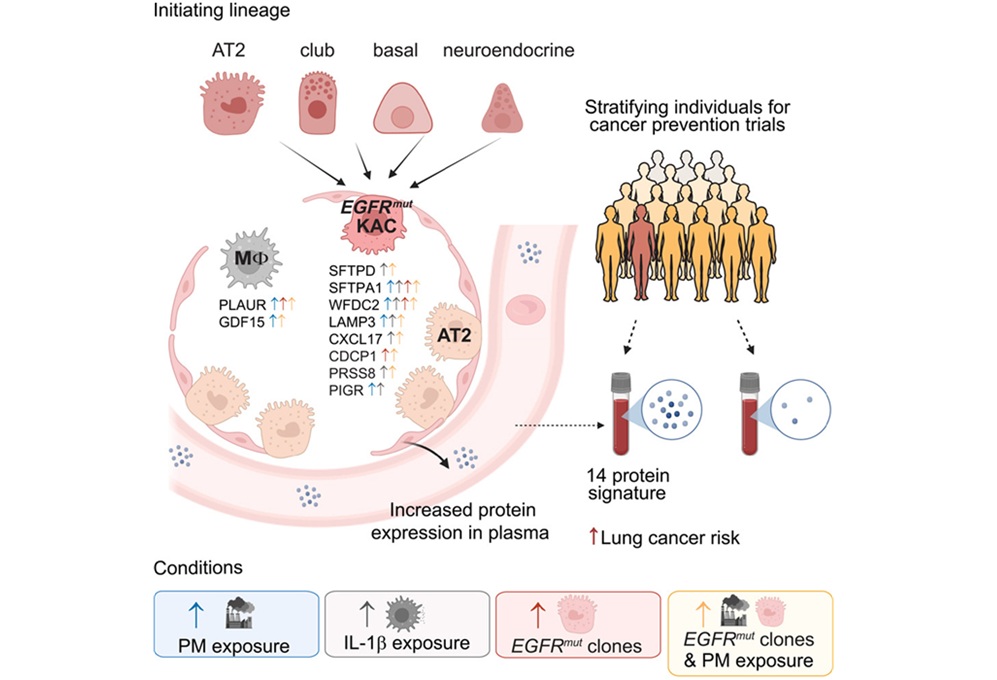
Plasma Protein Signature Predicts Lung Cancer Risk Up to Five Years Ahead
Lung cancer remains a leading cause of cancer death, and many cases are detected only after symptoms appear. Current screening programs largely target people with a history of smoking, leaving other at-risk... Read more
Hematology
view channel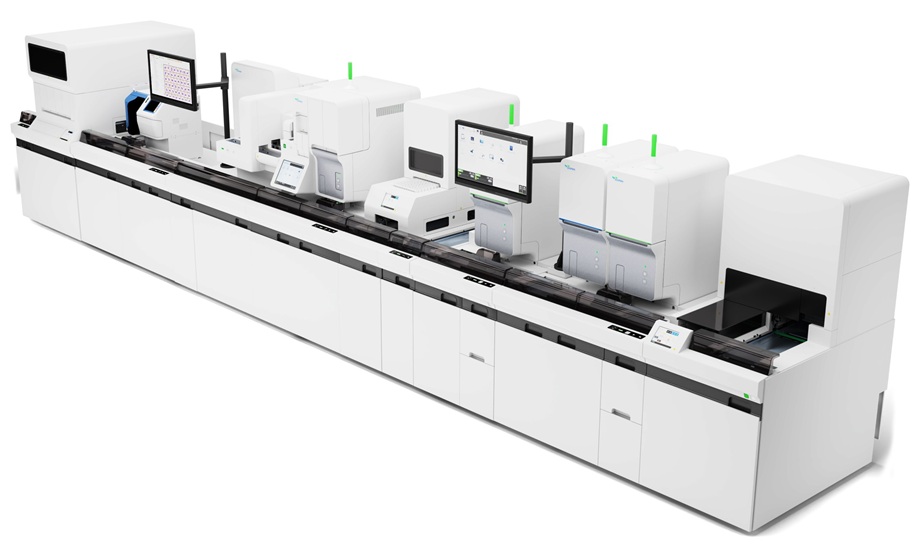
Next-Generation Hematology Platform Streamlines High-Complexity Lab Workflows
Sysmex America (Chicago, IL, USA) has introduced the next generation XR-Series, centered on the XR-10 Automated Hematology Module for high-complexity laboratories. The platform builds on the widely used... Read more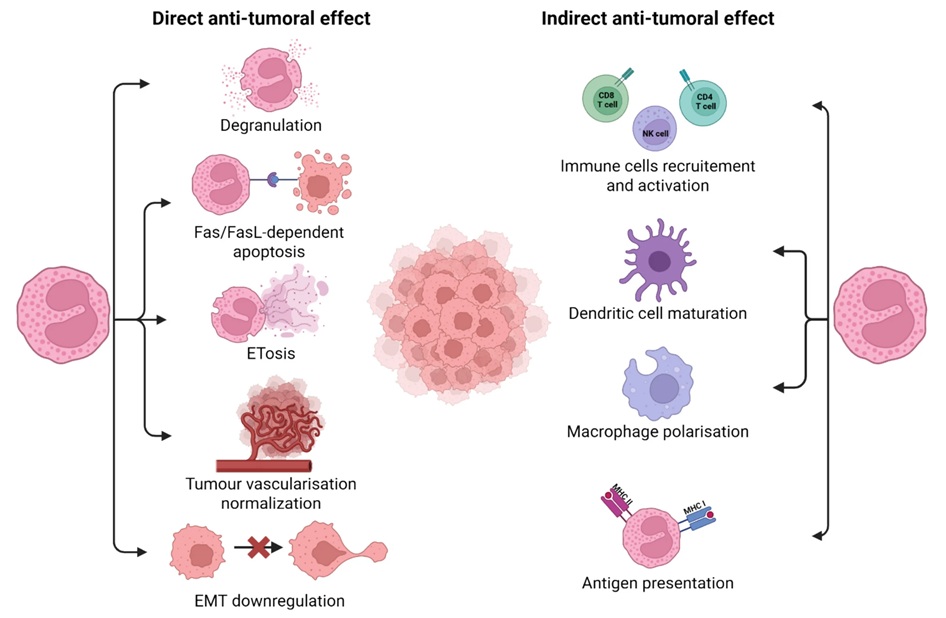
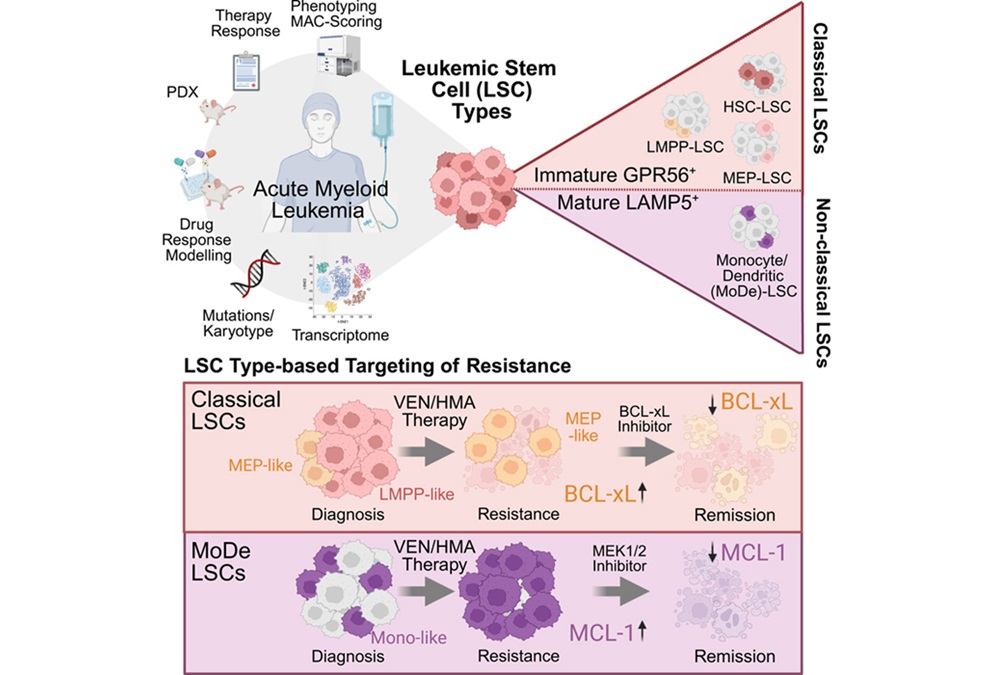
Blood Eosinophil Count May Predict Cancer Immunotherapy Response and Toxicity
Immune checkpoint inhibitors have improved outcomes across many cancers, yet only a subset of patients derive durable benefit and biomarkers to guide treatment remain limited. Eosinophils, best known for... Read more
Immunology
view channel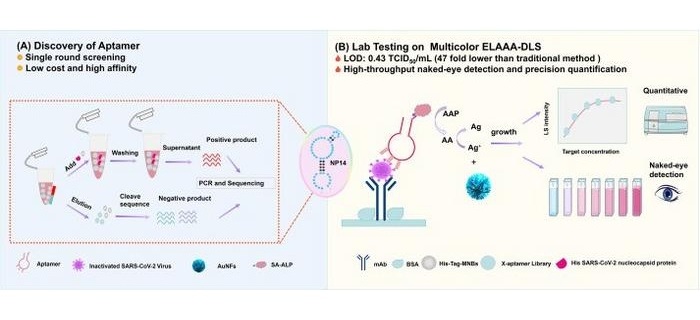
Aptamer-Based Biosensor Enables Mutation-Resilient SARS-CoV-2 Detection
Rapid evolution of severe acute respiratory syndrome coronavirus 2 (SARS-CoV-2) can undermine existing molecular diagnostics, especially when assays target small viral components. Double-antibody sandwich... Read more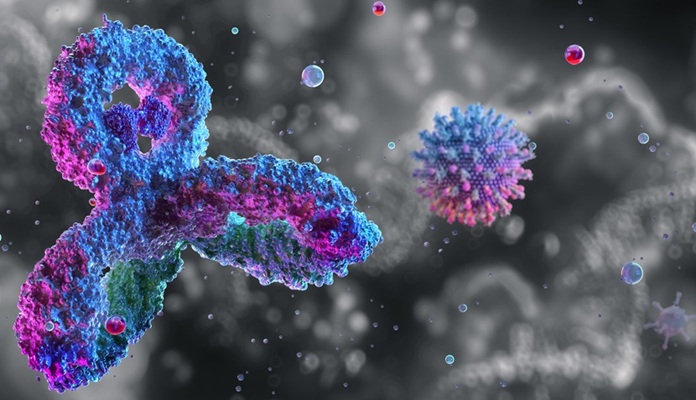
Study Points to Autoimmune Pathway Behind Long COVID Symptoms
Long COVID leaves many SARS-CoV-2 survivors with persistent fatigue, cognitive issues, palpitations, and musculoskeletal pain for months or years. Estimates cited in new research suggest 4%–20% of infected... Read more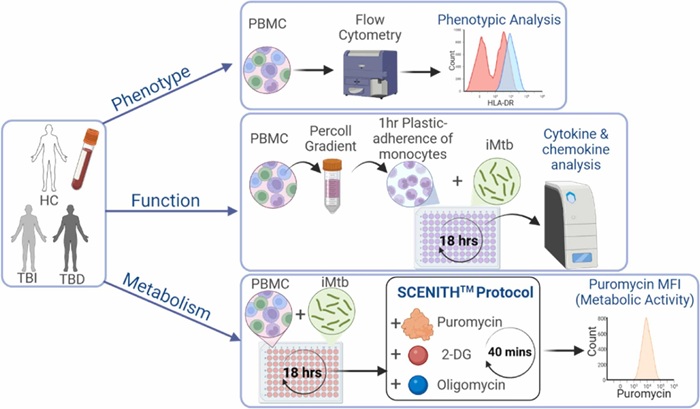
Metabolic Biomarker Distinguishes Latent from Active Tuberculosis and Tracks Treatment Response
Tuberculosis (TB) remains the world’s leading infectious killer, with 10.8 million cases and 1.25 million deaths recorded globally in 2023. Yet many infected individuals never develop active disease, underscoring... Read more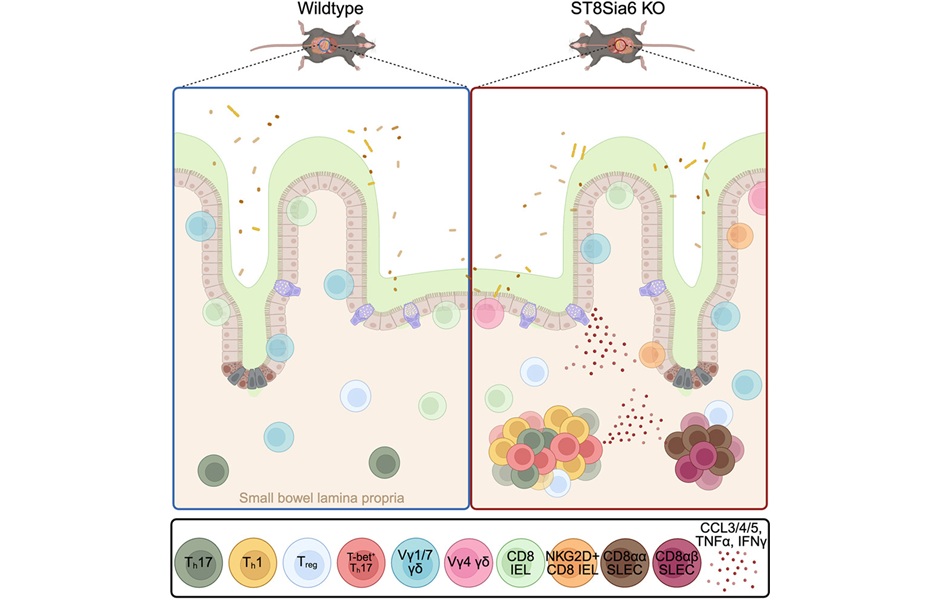
Microbiology
view channel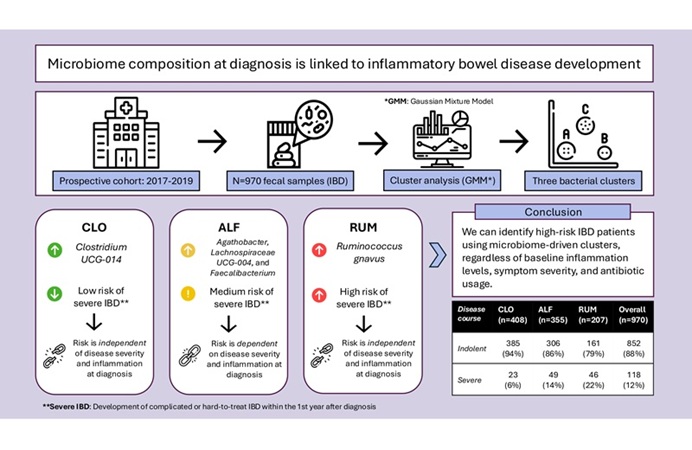
Gut Microbiome Signatures Help Identify Risk of IBD Progression
Inflammatory bowel disease (IBD), encompassing Crohn’s disease and ulcerative colitis, is a chronic relapsing inflammatory disorder of the gastrointestinal tract with highly variable outcomes.... Read more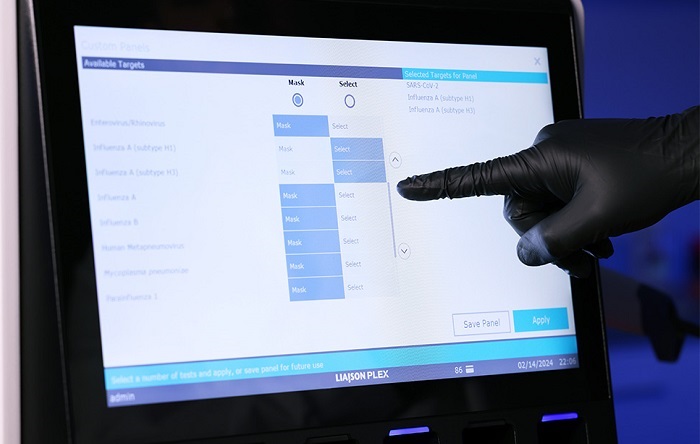
FDA-Cleared Gastrointestinal Panel Detects 24 Pathogen Targets
Clinical guidelines support testing based on patient presentation in suspected gastrointestinal infections, yet available technologies have often forced laboratories to choose between panels that are too... Read more
Pathology
view channel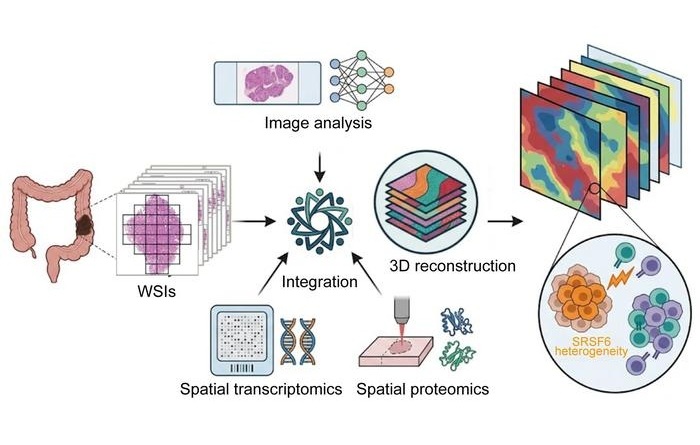
3D Spatial Multi-Omics Maps Intra-Tumor Diversity in Colorectal Cancer
Colorectal cancer remains a leading cause of cancer death, and clinical decision-making is complicated by marked intra-tumor heterogeneity. Conventional bulk sequencing averages molecular signals across... Read more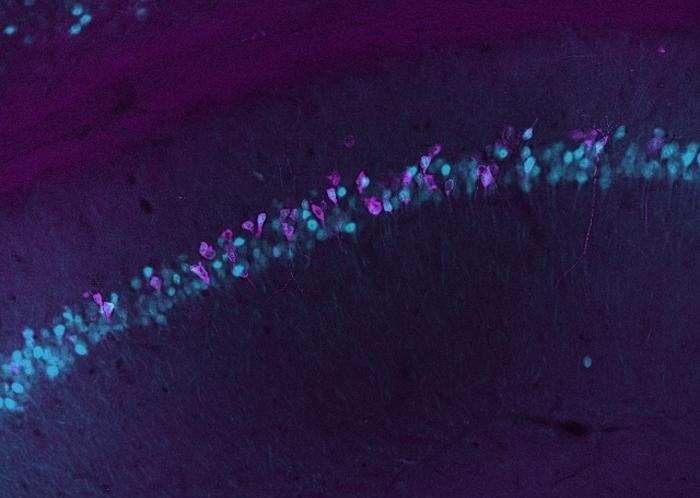
Blood-Based Method Tracks Gene Activity in the Living Brain
Real-time measurement of gene activity in the brain has been limited by assays requiring destructive tissue sampling. Tracking active genes could reveal how the body responds to environmental factors,... Read more
Technology
view channel
AI Platform Links Biomarker Results to Cancer Clinical Trials and Guidelines
Oncology teams must manage growing volumes of genomic data, rapidly evolving clinical trial options, and frequently updated care guidelines, all within tight clinic schedules. Translating complex tumor... Read more
Agentic AI Platform Supports Genomic Decision-Making in Oncology
Oncology care teams increasingly face the challenge of managing complex molecular diagnostics, evolving treatment options, and extensive electronic health record documentation. Translating multimodal data... Read more
Industry
view channel
Collaboration Advances ctDNA-Guided Development in Metastatic Colorectal Cancer
Natera, Inc. (Austin, TX, USA) and CytoDyn Inc. (Vancouver, WA, USA) announced a strategic collaboration focused on metastatic colorectal cancer (mCRC). Under the agreement, Natera will evaluate circulating... Read more