Researchers Uncover Distinct Chromosome Signature in Aggresive ALT Cancers
Posted on 04 Jun 2026
A subset of cancers rely on alternative lengthening of telomeres, a pathway associated with genomic instability and difficult-to-treat disease. These tumors span multiple cancer types and account for about 5–10% of cases, including pediatric presentations. New findings reveal a previously unseen chromosome interaction in these malignancies that could provide a molecular signature for detection and tracking.
Researchers at the University of Pittsburgh School of Medicine (Pittsburgh, PA, USA) and UPMC Hillman Cancer Center identified a structural genome signature in alternative lengthening of telomeres (ALT)–positive tumors. Published in Nature on June 3, 2026, the work describes chimeric centromere–telomere DNA that appears characteristic of these cancers and could help monitor their evolution over time. The signature was observed in laboratory models and in patient tumors.
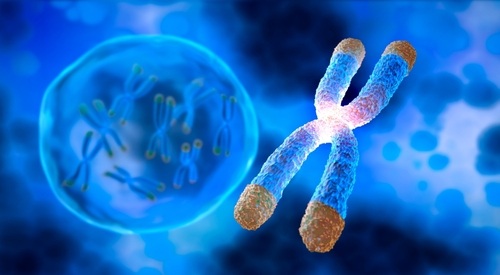
Chromosomes are organized into specialized regions with distinct functions. Telomeres protect chromosome ends, while centromeres help ensure accurate chromosome separation during cell division. These regions are normally kept apart to preserve genome stability, but the new findings show that this organization can collapse in ALT-positive cancer cells. In these tumors, centromere-associated DNA can be inserted near telomeres, creating mixed, or chimeric, centromeric and telomeric sequences at specific chromosome ends. This pattern, also documented in pediatric brain cancers, reveals a previously unrecognized breakdown in chromosomal organization.
Across cell lines and tumors, ALT-positive samples showed higher levels of centromere–telomere chimeric DNA than ALT-negative counterparts, indicating a defining feature rather than an incidental defect. Acquisition of centromere-like features at telomeres depended on epigenetic changes, including loss of a chromatin regulator called ATRX that normally helps keep these regions separate. When this process was experimentally disrupted, telomeres became unstable and ALT activity decreased.
The cross-disciplinary team combined microscopy, sequencing, and biochemical approaches to characterize the phenomenon. Advanced mapping with DiMeLo-seq delineated distinct centromeric patterns at particular telomeres. According to the study, the centromere–telomere signature offers a potential molecular marker for distinguishing ALT-driven tumors, identifying patients, tracking disease evolution, and informing exploration of therapeutic strategies.
“This is something that nobody expected. These are two parts of the chromosome that are never supposed to interact. It is not just interesting biology, but it tells us something fundamental about ALT tumors,” said Roderick O’Sullivan, Ph.D., professor in the Department of Pharmacology and Chemical Biology at the University of Pittsburgh.
“It is remarkable that the illegitimate recombination between centromere and telomere sequences, which may begin as a mistake inside the cell, is actually being used by cancer cells to adapt and survive,” said Yael Nechemia-Arbely, Ph.D., assistant professor in the Department of Pharmacology and Chemical Biology at the University of Pittsburgh and member of the Genome Stability Program at UPMC Hillman Cancer Center.
Related Links
University of Pittsburgh School of Medicine
UPMC Hillman Cancer Center







.jpg)