Circulating Tumor DNA Testing Guides Chemotherapy, Reduces Relapse in Colon Cancer
Posted on 04 Jun 2026
Adjuvant therapy decisions after curative surgery for colon cancer remain difficult, as conventional clinicopathologic factors often fail to capture residual disease risk. Liquid biopsy approaches that detect tumor-derived nucleic acids in blood are emerging to refine risk stratification, but clinicians need randomized evidence that such testing can guide treatment decisions and improve outcomes. New findings show that circulating tumor DNA (ctDNA) testing can inform postoperative chemotherapy and reduce relapse in selected patients.
The CIRCULATE study evaluated ctDNA blood testing as a decision tool for adjuvant chemotherapy in stage II colon cancer. The trial is presented as the first randomized study to test whether patients with detectable ctDNA benefit from chemotherapy, addressing a central clinical question after resection: who needs adjuvant treatment and who can safely forgo it.
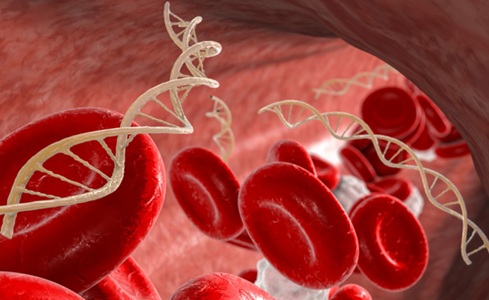
Tumors release small fragments of DNA into the bloodstream, known as ctDNA. Using modern molecular biological methods, these fragments can be detected in plasma as a marker of minimal residual disease. This approach provides a biologically grounded, patient-specific signal that can help assign risk and guide adjuvant therapy after surgery.
Between 2020 and 2025, more than 2,100 patients in Germany and Austria were enrolled. Patients with a positive ctDNA result were randomly assigned to receive chemotherapy or to the current standard of observation only. The analysis first confirmed the prognostic value of ctDNA: three years after surgery, relapse-free survival was 87% in ctDNA‑negative patients versus 52% in ctDNA‑positive patients.
Therapeutic benefit was also demonstrated. Among patients who actually received treatment, the three-year relapse-free survival rate was 77% with chemotherapy compared with 38% without treatment, indicating a substantial reduction in recurrence risk under active therapy. The findings suggest that patients without detectable ctDNA may forgo chemotherapy, whereas those who test positive should receive more targeted treatment.
The study was published in Annals of Oncology on May 31, 2026. It was designed at Dresden University Hospital and funded by the Federal Ministry of Research, Technology and Space (BMFTR), with participation from the German Society for Medical Oncology (AIO), the Austrian Breast & Colorectal Cancer Study Group (ABCSG), Ruhr University Bochum, and more than 140 study centers in Germany and Austria. The investigators noted remaining hurdles: the test used in the study is not yet commercially available, commercial alternatives exist, and costs are not routinely covered by statutory health insurance providers in Germany.
“The CIRCULATE study is an impressive example of how translational research transforms molecular insights into clinically useful evidence. Academic clinical trials are a central focus of Dresden University Medicine. CIRCULATE demonstrates the potential that translational oncology holds for the patient care of tomorrow,” said Prof. Esther Troost, Dean of the Faculty of Medicine at TUD Dresden University of Technology.
“A prerequisite for curing colon cancer is excellent surgery. To ensure long-term treatment success in patients with colon cancer, chemotherapy tailored to the individual risk of relapse after surgery is also significant,” emphasized Prof. Jürgen Weitz, Director of the Department of Visceral, Thoracic and Vascular Surgery at the University Hospital Dresden, and one of the Managing Directors of the National Center for Tumor Diseases Dresden.
Related Links
TUD Dresden University of Technology





.jpg)