FDA Approval Expands Automated PD-L1 Testing Across Solid Tumors
Posted on 04 Jun 2026
Clinical laboratories play a central role in guiding immunotherapy by reporting programmed death ligand-1 (PD‑L1) status across multiple solid tumors. Many sites are standardizing this work on fully automated staining platforms to streamline workflow and quality. A new U.S. Food and Drug Administration approval now expands the use of an established PD‑L1 assay on an automated system to support treatment decisions with pembrolizumab.
Agilent’s PD-L1 immunohistochemistry (IHC) 22C3 pharmDx assay (Code GE006) has received U.S. Food and Drug Administration (FDA) approval for use on the Dako Omnis platform to help identify patients in the United States with esophageal squamous cell carcinoma, triple-negative breast cancer, cervical cancer, and gastric or gastroesophageal junction adenocarcinoma who may be eligible for KEYTRUDA (pembrolizumab) therapy.
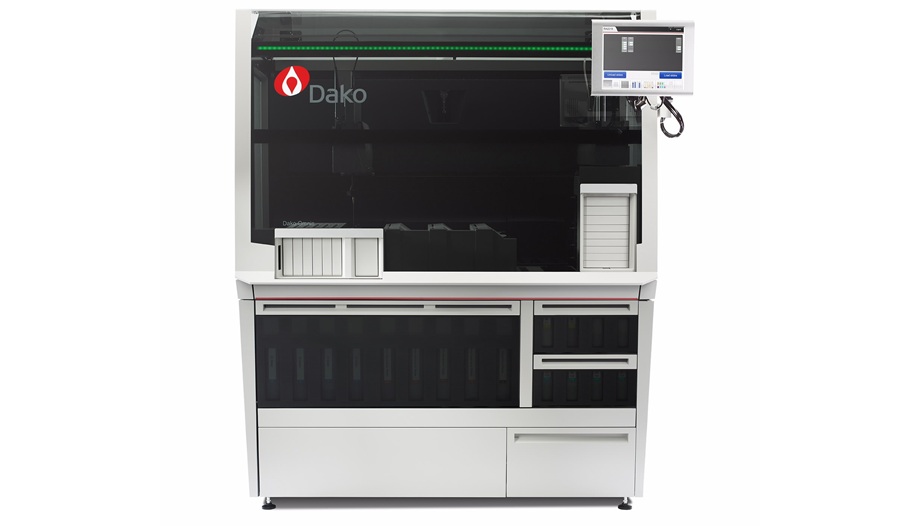
The approval expands PD-L1 testing on Dako Omnis beyond the assay’s previously cleared indications in non-small cell lung cancer and head and neck squamous cell carcinoma. These additional indications, previously available only on the Autostainer Link 48 platform, can now also be performed on Dako Omnis, allowing laboratories to consolidate PD-L1 testing within a single automated workflow.
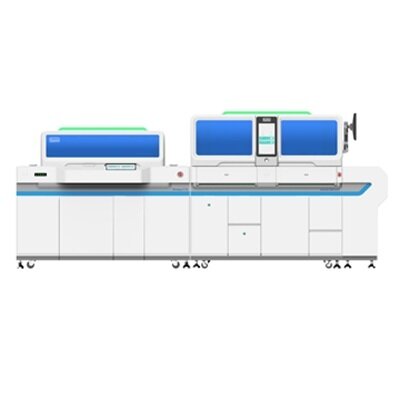
The assay detects PD‑L1 expression by IHC and is performed on the fully automated Dako Omnis staining platform. The expansion is intended to support treatment decision‑making with pembrolizumab across additional tumor types while promoting standardized, automated processing. The platform‑based approach is described as supporting increased automation and operational efficiency for pathology workflows.
In connection with the expanded use, a multisite external platform performance comparison study evaluated concordance of PD‑L1 IHC 22C3 pharmDx results across staining platforms—Code SK006 on Autostainer Link 48 and Code GE006 on Dako Omnis—for specimens from the four additional indications. Study results met predefined acceptance criteria, demonstrating inter‑platform concordance when assessed at the appropriate Combined Positive Score (CPS) cutoffs.
:“Pathology laboratories are increasingly looking to standardize testing on automated platforms that fit seamlessly into daily workflow. By expanding PD‑L1 IHC 22C3 pharmDx on Dako Omnis for additional FDA‑approved indications, we’re helping labs deliver PD‑L1 results more conveniently and efficiently, supporting clinicians as they identify patients who may be eligible for immunotherapy,” said Majken Nielsen, vice president and general manager of Agilent’s Clinical Diagnostics Division.