Helix COVID-19 NGS Test One of the First Sequencing-Based COVID-19 Tests To Secure FDA Emergency Use Authorization
|
By LabMedica International staff writers Posted on 11 Aug 2020 |


|
Illustration
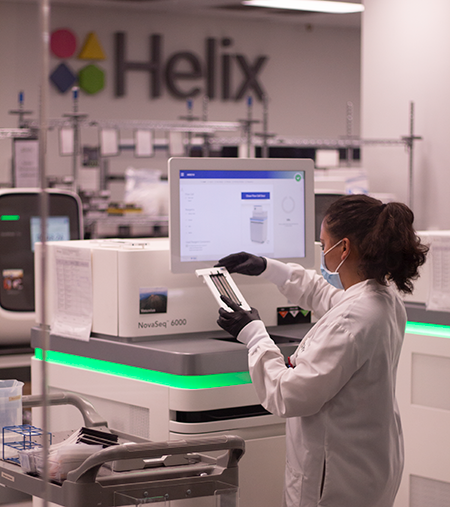
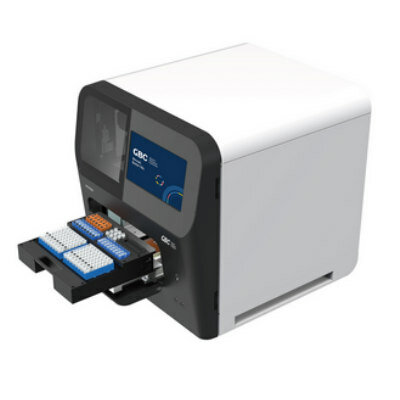
Helix (San Mateo, CA, USA) has received Emergency Use Authorization (EUA) from the US Food and Drug Administration (FDA) for the Helix COVID-19 NGS Test, making it one of the first sequencing-based COVID-19 tests to be granted FDA EUA.
The test is an amplicon-based next-generation sequencing (NGS) test intended for the qualitative detection of nucleic acid from the SARS-CoV-2 in upper respiratory specimens (nasopharyngeal swabs, oropharyngeal (throat) swab, mid-turbinate nasal swabs, and anterior nasal swabs) from individuals suspected of COVID-19 by their healthcare provider. This test is highly multiplexed to enable a large number of samples to be sequenced on each instrument and is a critical part of Helix's plan to scale its COVID-19 capacity to 100,000 tests per day and potentially further. As one of the first next-generation sequencing tests authorized by the FDA, the Helix COVID-19 NGS Test will enable Helix to diversify and add redundancy to its existing supply chain for its PCR-based test, the Helix COVID-19 Test, which has also obtained EUA from the FDA.
"The authorization of our next-generation sequencing-based test is an important step forward in dramatically scaling our COVID-19 testing capacity while maintaining high sensitivity," said Marc Stapley, Helix President and CEO. "Combined with the recent funding we announced from the NIH RADx program, we will quickly become one of the highest throughput COVID-19 testing labs in the country and help millions of Americans access much-needed tests with next-day turnaround time."
Related Links:
Helix





The test is an amplicon-based next-generation sequencing (NGS) test intended for the qualitative detection of nucleic acid from the SARS-CoV-2 in upper respiratory specimens (nasopharyngeal swabs, oropharyngeal (throat) swab, mid-turbinate nasal swabs, and anterior nasal swabs) from individuals suspected of COVID-19 by their healthcare provider. This test is highly multiplexed to enable a large number of samples to be sequenced on each instrument and is a critical part of Helix's plan to scale its COVID-19 capacity to 100,000 tests per day and potentially further. As one of the first next-generation sequencing tests authorized by the FDA, the Helix COVID-19 NGS Test will enable Helix to diversify and add redundancy to its existing supply chain for its PCR-based test, the Helix COVID-19 Test, which has also obtained EUA from the FDA.
"The authorization of our next-generation sequencing-based test is an important step forward in dramatically scaling our COVID-19 testing capacity while maintaining high sensitivity," said Marc Stapley, Helix President and CEO. "Combined with the recent funding we announced from the NIH RADx program, we will quickly become one of the highest throughput COVID-19 testing labs in the country and help millions of Americans access much-needed tests with next-day turnaround time."
Related Links:
Helix

Gold Member
Universal Transport Solution
Puritan®UniTranz-RT
Gold Member
Flu SARS-CoV-2 Combo Test
OSOM® Flu SARS-CoV-2 Combo Test
CMV CLIA Diagnostic
CLIA CMV IgA Screen Group
All-in-One Molecular System
AIO M160
Latest COVID-19 News
- New Immunosensor Paves Way to Rapid POC Testing for COVID-19 and Emerging Infectious Diseases
- Long COVID Etiologies Found in Acute Infection Blood Samples
- Novel Device Detects COVID-19 Antibodies in Five Minutes
- CRISPR-Powered COVID-19 Test Detects SARS-CoV-2 in 30 Minutes Using Gene Scissors
- Gut Microbiome Dysbiosis Linked to COVID-19
- Novel SARS CoV-2 Rapid Antigen Test Validated for Diagnostic Accuracy
- New COVID + Flu + R.S.V. Test to Help Prepare for `Tripledemic`
- AI Takes Guesswork Out Of Lateral Flow Testing
- Fastest Ever SARS-CoV-2 Antigen Test Designed for Non-Invasive COVID-19 Testing in Any Setting
- Rapid Antigen Tests Detect Omicron, Delta SARS-CoV-2 Variants
- Health Care Professionals Showed Increased Interest in POC Technologies During Pandemic, Finds Study
- Set Up Reserve Lab Capacity Now for Faster Response to Next Pandemic, Say Researchers
- Blood Test Performed During Initial Infection Predicts Long COVID Risk
- Low-Cost COVID-19 Testing Platform Combines Sensitivity of PCR and Speed of Antigen Tests
- Finger-Prick Blood Test Identifies Immunity to COVID-19
- Quick Test Kit Determines Immunity Against COVID-19 and Its Variants
Channels
Clinical Chemistry
view channel
Study Evaluates Alzheimer’s Blood Biomarker Across Racial and Ethnic Groups
Alzheimer’s disease trials increasingly depend on identifying cognitively unimpaired people who already have elevated brain amyloid. Blood biomarkers may help reduce reliance on positron emission tomography... Read more
Blood Protein May Help Identify Treatment-Resistant Psychosis
Psychotic disorders, including schizophrenia, are diagnosed primarily through assessment of symptoms and behaviors such as hallucinations, delusions, and disordered thinking. Treatment-resistant psychosis... Read more

Molecular Diagnostics
view channel
Blood-Based Metagenomic Test Detects Wide Range of Pathogens from Single Sample
Infectious disease diagnosis can be challenging when the causative pathogen is unknown at the start of evaluation. Conventional testing may require multiple targeted assays, delaying answers for patients... Read more
New RNA Detection Tool Shows Promise for HIV and Other Viral Testing
RNA viruses such as human immunodeficiency virus (HIV) require assays that can detect very low levels of viral genetic material. Clinical and environmental testing can also expose enzymes to harsh assay... Read more
Hematology
view channel
New Donor Genetic Marker May Help Predict Stem Cell Transplant Success
Donor selection for hematopoietic stem cell transplantation plays a major role in relapse risk and survival for patients with blood cancers and other blood disorders. Despite advances in genotyping, uncertainty... Read more
Updated Ferritin Thresholds Improve Detection of Iron Deficiency
Iron deficiency is one of the most common health conditions worldwide, yet its nonspecific symptoms can delay diagnosis for months. Variation in testing practices and ferritin thresholds may contribute... Read more
Immunology
view channel
FDA Approval Adds Automated Testing Option for Parvovirus B19 Serology
Human Parvovirus B19 is a highly contagious erythrovirus transmitted mainly through respiratory droplets and close contact. Diagnosis relies on IgM antibodies to detect active infection and IgG antibodies... Read more
Blood-Based Immune Aging Map Could Help Spot Disease Risk Earlier
Chronological age does not always reflect immune health or future disease risk. Two adults of the same age can have immune systems that age very differently, with some remaining resilient while others... Read more
Microbiology
view channel
Rapid Host-Response Test Aims to Predict Corticosteroid Benefit in Sepsis
Sepsis and severe infections are difficult to treat because patients with similar clinical presentations may have very different underlying immune responses. Corticosteroids are commonly used in severe... Read more
Oral and Lung Microbiome Changes Linked to Severe Long Covid Symptoms
Long Covid can involve persistent respiratory, cognitive, and gastrointestinal symptoms after acute infection, creating a difficult diagnostic and management challenge. Because COVID-19 initially affects... Read more

Pathology
view channel
Molecular Testing Refines Barrett’s Esophagus Progression Risk Beyond Biopsy Findings
Barrett’s esophagus is a precancerous condition associated with increased risk of esophageal adenocarcinoma. Routine endoscopic biopsy findings guide surveillance and therapy, but histopathology may not... Read more
Updated Digital Pathology Platform Expands AI Integration for Cancer Diagnosis
Digital pathology is reshaping how laboratories manage case review, image analysis, and collaboration. As diagnostic workflows become more complex, pathology teams need platforms that can support digital... Read more
Technology
view channel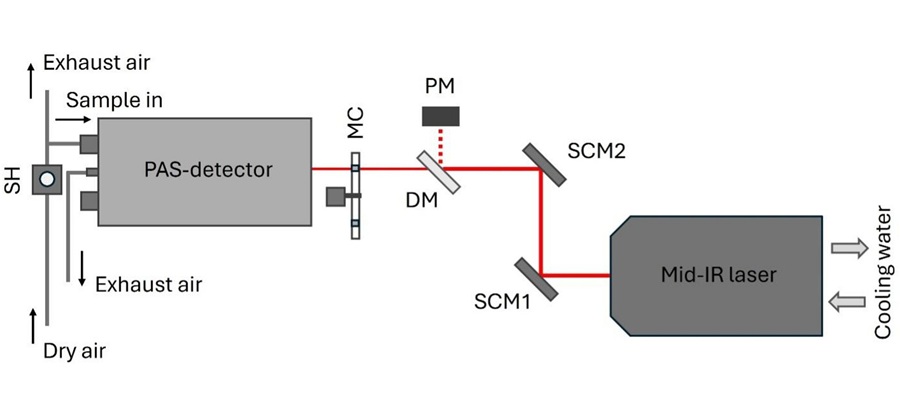
Laser-Based Swab Analysis Shows Promise for Detecting Disease-Linked Odor Patterns
Disease-related changes in volatile organic compounds can alter body odor, producing measurable patterns in exhaled breath and bodily fluids. Current analytical methods can be complex, time-consuming,... Read more
Laser-Enhanced Assay Boosts Sensitivity for Colorectal Cancer Biomarker Detection
Colorectal cancer is the third most commonly diagnosed cancer and the second leading cause of cancer-related death worldwide. Early detection remains critical, but cancer biomarkers can produce only faint... Read more

Industry
view channel
Global TB Summit Connects Diagnostic Testing With Prevention and Clinical Care
Tuberculosis remains a major global infectious disease challenge despite declining deaths. In 2024, an estimated 10.7 million people worldwide developed the disease and nearly 1.2 million died from it.... Read more