Tissue-Specific Vesicle Isolation Expands Molecular Insights Into Liver Disease
Posted on 15 Oct 2026
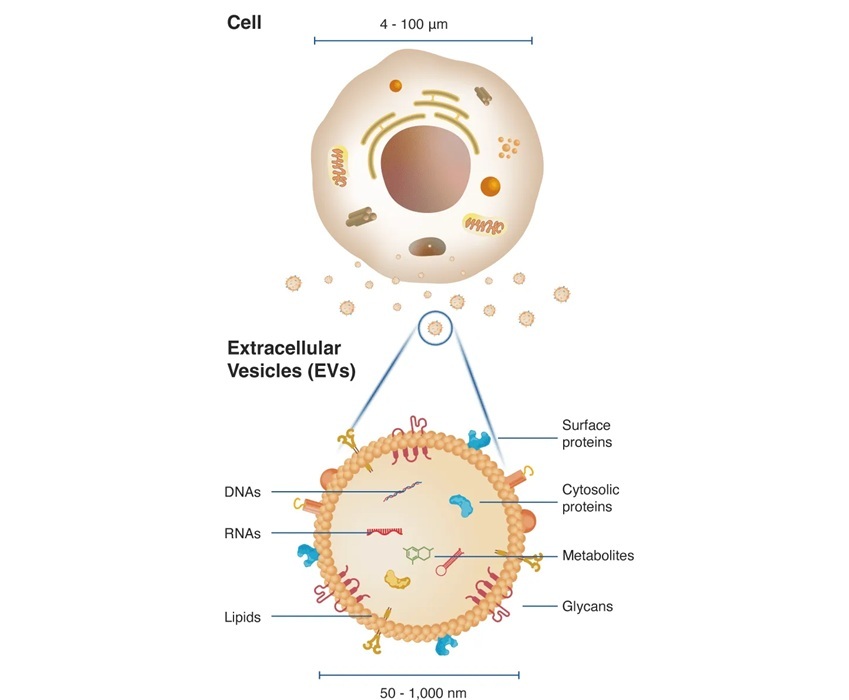
Liver disease can produce overlapping molecular signals from cirrhosis and hepatocellular carcinoma, complicating blood-based analysis. Liquid biopsy approaches that examine extracellular vesicles face an additional challenge: determining which tissues released them. This lack of tissue specificity also limits the interpretation of microRNA biomarkers when their source cannot be established. Now, a newly developed tissue-specific extracellular vesicle platform is designed to reveal liver-derived disease biology.
Mursla Bio (Cambridge, UK) announced the publication of validation data for its tissue-specific extracellular vesicle platform, built on NEXPLOR technology. The platform is designed to isolate extracellular vesicles originating from a selected tissue, with an initial focus on those released by hepatocytes in the liver. By linking these vesicles to their tissue of origin, the approach supports a new class of liquid biopsy intended to analyze multiomic disease biology from living cells within a chosen tissue.
To evaluate this selectivity, the study assessed whether NEXPLOR could enrich hepatocyte-derived extracellular vesicles over those from lung, kidney, breast, adipose and muscle tissues, as well as the blood cells that dominate plasma. Following selective enrichment, the multiomic content of the hepatocyte-derived fraction was compared with bulk extracellular vesicle preparations from the same clinical plasma samples, each measuring less than 2 mL. These paired comparisons used samples from patients with hepatocellular carcinoma or cirrhosis and from healthy donors.
The hepatocyte-derived fraction identified 57% more proteins than paired bulk extracellular vesicle preparations and showed better reproducibility. Differences also emerged in the types of proteins detected: bulk preparations were dominated by liver-secreted plasma proteins, including albumin, whereas the hepatocyte-derived fraction was enriched for membrane, cytosolic and mitochondrial proteins, including extracellular vesicle-defining markers. These differences extended to disease-associated signals. The hepatocyte-derived fraction detected 86 proteins that were unique or significantly increased in liver disease compared with healthy donors, while bulk preparations yielded four unique proteins and no significant differential signal..
Small-RNA sequencing added a second molecular layer to the analysis. In hepatocellular carcinoma versus cirrhosis, hepatocyte-derived extracellular vesicles yielded fewer differentially expressed microRNAs than paired bulk extracellular vesicles, but only the hepatocyte-derived microRNAs mapped to hepatocellular carcinoma signaling. The study was published in the Journal of Extracellular Vesicles, and the technology is a core component of Mursla Bio’s broader tissue-specific extracellular vesicle platform, which also underpins EvoLiver.
“EVs are released by virtually every tissue into the bloodstream. They carry health and disease markers that can be traced back to their origin, much as a tissue biopsy would. To our knowledge, this is the most comprehensive validation to date of a platform for tissue-specific EV isolation from human plasma,” said Dr Tomás Dias, Chief Scientific Officer of Mursla Bio.
“Much of liquid biopsy has focused on measuring more analytes. Our thesis is that biological context matters as much as analytical depth. That is the foundation of EvoLiver and of the precision medicine programs we are building with pharma partners,” said Pierre Arsène, Founder and CEO of Mursla Bio.
Related Links
Mursla Bio