New Donor Genetic Marker May Help Predict Stem Cell Transplant Success
Posted on 23 Sep 2026
Donor selection for hematopoietic stem cell transplantation plays a major role in relapse risk and survival for patients with blood cancers and other blood disorders. Despite advances in genotyping, uncertainty remains about which donor characteristics most strongly influence outcomes, highlighting the need for additional immunogenetic markers to refine matching. New findings support this approach, linking a specific donor HLA-E variant to markedly improved patient survival and reduced relapse.
Researchers at Anthony Nolan (London, UK) identified donor HLA-E*01:06 as a variant associated with improved transplant outcomes and reduced relapse, with findings published in Transplantation and Cellular Therapy. Approximately one in 50 individuals in the study carried this allele. Compared with recipients whose donors carried HLA-E*01:06, those whose donors had other HLA-E variants experienced poorer outcomes and a higher likelihood of relapse after transplantation.
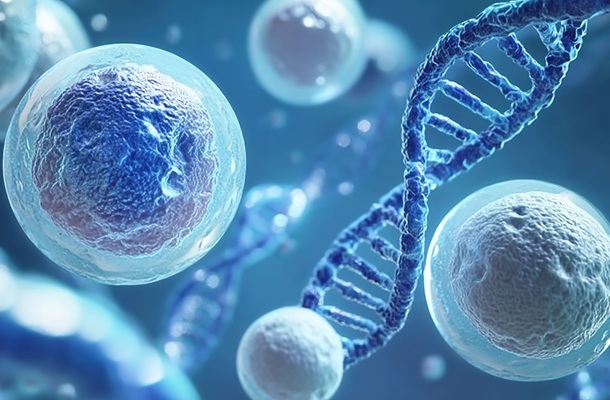
HLA‑E, an immune-related gene not currently used in donor matching, is highlighted as potentially important in eliminating residual cancer and preventing recurrence after transplantation. Investigators applied an in‑depth genetic typing strategy to classify donor HLA‑E variants. They correlated these variants with post‑transplant survival and relapse in recipients.
In collaboration with the British Society of Blood and Marrow Transplantation and Cellular Therapy (BSBMTCT), the study evaluated samples from 1,878 adult and pediatric U.K. patients who received an unrelated donor stem cell transplant between 1996 and 2021, and their donors. According to the authors, this is the first assessment of HLA‑E’s impact on transplant outcomes using such high‑resolution typing. The work was conducted within Anthony Nolan’s Immunogenetics Research Group as part of its Patient/Donor Program.
Recipients who received grafts from donors carrying HLA‑E*01:06 were 60% less likely to relapse and 30% more likely to survive within five years than those whose donors lacked the variant. A different, rarer HLA‑E version in donors was linked to more than double the risk of relapse. Based on the observed frequency, the authors estimate that when four donor options are available, there is a 10% chance that at least one potential donor will carry HLA‑E*01:06.
The authors note that extending analyses to larger patient and donor populations could reveal additional immune gene–outcome relationships and refine understanding of what constitutes an optimal donor match. The journal article is titled “Donor HLA‑E*01:06 Confers Protection from Relapse and Improved Survival after T‑Cell Depleted Matched Unrelated Donor Hematopoietic Cell Transplantation.”
Related Links
Anthony Nolan