Type 2 Diabetes Associated with Arrhythmic Daily Gut Microbe
|
By LabMedica International staff writers Posted on 16 Jul 2020 |


|
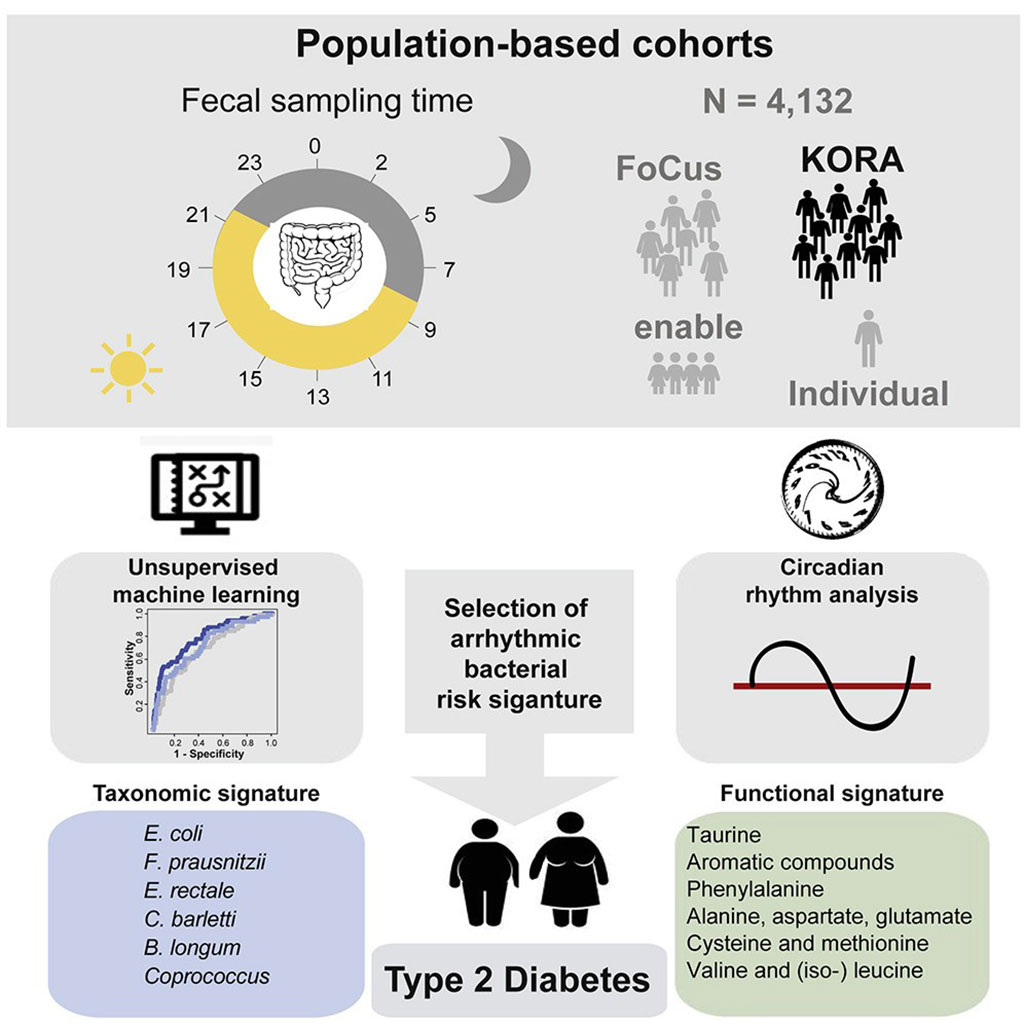
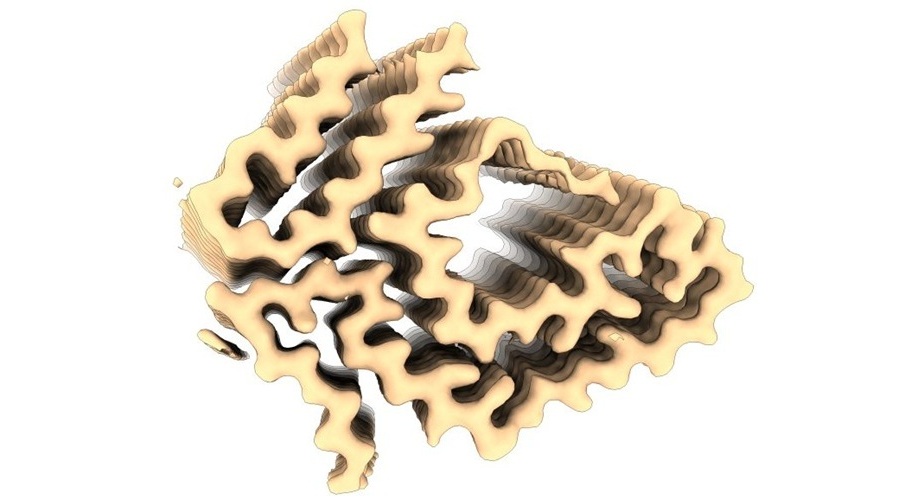
Image: Arrhythmic Gut Microbiome Signatures Predict Risk of Type 2 Diabetes (Photo courtesy of Technical University of Munich).
Type 2 diabetes (T2D), formerly known as adult-onset diabetes, is a form of diabetes that is characterized by high blood sugar, insulin resistance, and relative lack of insulin. Common symptoms include increased thirst, frequent urination, and unexplained weight loss.
Several studies found that obesity-related changes in the gut microbiota are associated with low grade inflammation, which supports a close link between the immune and metabolic systems throughout the gut microbiota. There are several mechanisms that relate microbiota to the onset of insulin resistance and diabetes, including changes in bowel permeability, endotoxemia, interaction with bile acids, changes in the proportion of brown adipose tissue.
A large team of scientists collaborating with the Technical University of Munich (Freising, Germany) used high-throughput 16S ribosomal RNA gene sequencing to profile gut microbial community composition in fecal samples from 1,976 individuals from Germany enrolled in the prospective KORA population study, detecting distinct levels of specific pathogens across the day in individuals with available time of defecation data.
By analyzing the diurnal gut microbiome dynamics, the team noted that individuals that had T2D or were obese appeared to lose gut oscillations that involved changes in microbiome levels of dozens of gut bacteria. The authors noted that while both obesity and T2D coincided with altered gut microbiome oscillations during the span of a day, there were differences in the operational taxa units involved, hinting that weight contributes to T2D risk stratification independent of disrupted circadian rhythms in the microbiome. Shotgun metagenomic analysis functionally linked 26 metabolic pathways to the diurnal oscillation of gut bacteria.
The team went on to verify the 24-hour gut microbe rhythms in nearly 1,400 more German participants sampled at multiple time points. They also used an unsupervised machine learning method to focus in on a set of 13 oscillating gut bacteria with circadian patterns that are upset in individuals with T2D. The bacterial signature showed promise for finding and predicting T2D cases in a subset of 699 participants from the KORA cohort, while additional metagenomic sequence data for a subset of 50 study participants with or without T2D or pre-diabetes, each tested twice five years apart, provided a window into some of the gut microbe genes and pathways that are altered when metabolic disease-related microbe oscillations are upended.
Dirk Haller, PhD, holds the Chair of Nutrition and Immunology and is the senior author of the study, said, “We demonstrated that loss of circadian rhythmicity affects microbiome features related to the onset and progression of T2D and identified bacterial signatures for metabolic risk profiling in human populations.”
The authors concluded that it may be important to take circadian gut microbe oscillations into account to better understand the underlying mechanisms of disease-associated microbiome alterations and to validate risk profiles in prospective cohorts. The study was published on July 2, 2020 in the journal Cell Host & Microbe.
Related Links:
Technical University of Munich





Several studies found that obesity-related changes in the gut microbiota are associated with low grade inflammation, which supports a close link between the immune and metabolic systems throughout the gut microbiota. There are several mechanisms that relate microbiota to the onset of insulin resistance and diabetes, including changes in bowel permeability, endotoxemia, interaction with bile acids, changes in the proportion of brown adipose tissue.
A large team of scientists collaborating with the Technical University of Munich (Freising, Germany) used high-throughput 16S ribosomal RNA gene sequencing to profile gut microbial community composition in fecal samples from 1,976 individuals from Germany enrolled in the prospective KORA population study, detecting distinct levels of specific pathogens across the day in individuals with available time of defecation data.
By analyzing the diurnal gut microbiome dynamics, the team noted that individuals that had T2D or were obese appeared to lose gut oscillations that involved changes in microbiome levels of dozens of gut bacteria. The authors noted that while both obesity and T2D coincided with altered gut microbiome oscillations during the span of a day, there were differences in the operational taxa units involved, hinting that weight contributes to T2D risk stratification independent of disrupted circadian rhythms in the microbiome. Shotgun metagenomic analysis functionally linked 26 metabolic pathways to the diurnal oscillation of gut bacteria.
The team went on to verify the 24-hour gut microbe rhythms in nearly 1,400 more German participants sampled at multiple time points. They also used an unsupervised machine learning method to focus in on a set of 13 oscillating gut bacteria with circadian patterns that are upset in individuals with T2D. The bacterial signature showed promise for finding and predicting T2D cases in a subset of 699 participants from the KORA cohort, while additional metagenomic sequence data for a subset of 50 study participants with or without T2D or pre-diabetes, each tested twice five years apart, provided a window into some of the gut microbe genes and pathways that are altered when metabolic disease-related microbe oscillations are upended.
Dirk Haller, PhD, holds the Chair of Nutrition and Immunology and is the senior author of the study, said, “We demonstrated that loss of circadian rhythmicity affects microbiome features related to the onset and progression of T2D and identified bacterial signatures for metabolic risk profiling in human populations.”
The authors concluded that it may be important to take circadian gut microbe oscillations into account to better understand the underlying mechanisms of disease-associated microbiome alterations and to validate risk profiles in prospective cohorts. The study was published on July 2, 2020 in the journal Cell Host & Microbe.
Related Links:
Technical University of Munich

Gold Member
Blood Gas Analyzer
Stat Profile pHOx
Capillary Blood Collection Tube
IMPROMINI M3
Gold Member
Hybrid Pipette
SWITCH
Latest Microbiology News
- Comprehensive Review Identifies Gut Microbiome Signatures Associated With Alzheimer’s Disease
- AI-Powered Platform Enables Rapid Detection of Drug-Resistant C. Auris Pathogens
- New Test Measures How Effectively Antibiotics Kill Bacteria
- New Antimicrobial Stewardship Standards for TB Care to Optimize Diagnostics
- New UTI Diagnosis Method Delivers Antibiotic Resistance Results 24 Hours Earlier
- Breakthroughs in Microbial Analysis to Enhance Disease Prediction
- Blood-Based Diagnostic Method Could Identify Pediatric LRTIs
- Rapid Diagnostic Test Matches Gold Standard for Sepsis Detection
- Rapid POC Tuberculosis Test Provides Results Within 15 Minutes
- Rapid Assay Identifies Bloodstream Infection Pathogens Directly from Patient Samples
- Blood-Based Molecular Signatures to Enable Rapid EPTB Diagnosis
- 15-Minute Blood Test Diagnoses Life-Threatening Infections in Children
- High-Throughput Enteric Panels Detect Multiple GI Bacterial Infections from Single Stool Swab Sample
- Fast Noninvasive Bedside Test Uses Sugar Fingerprint to Detect Fungal Infections
- Rapid Sepsis Diagnostic Device to Enable Personalized Critical Care for ICU Patients
- Microfluidic Platform Assesses Neutrophil Function in Sepsis Patients
Channels
Clinical Chemistry
view channel
New PSA-Based Prognostic Model Improves Prostate Cancer Risk Assessment
Prostate cancer is the second-leading cause of cancer death among American men, and about one in eight will be diagnosed in their lifetime. Screening relies on blood levels of prostate-specific antigen... Read more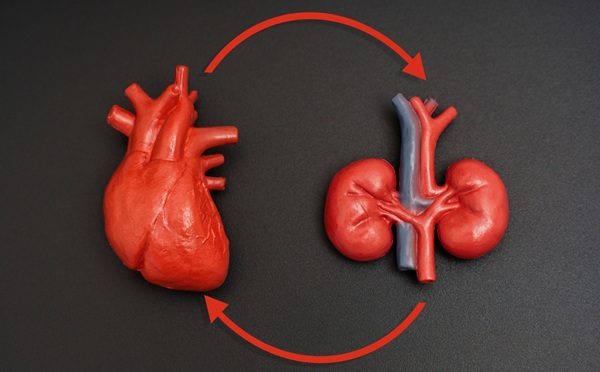
Extracellular Vesicles Linked to Heart Failure Risk in CKD Patients
Chronic kidney disease (CKD) affects more than 1 in 7 Americans and is strongly associated with cardiovascular complications, which account for more than half of deaths among people with CKD.... Read more

Molecular Diagnostics
view channel
Diagnostic Device Predicts Treatment Response for Brain Tumors Via Blood Test
Glioblastoma is one of the deadliest forms of brain cancer, largely because doctors have no reliable way to determine whether treatments are working in real time. Assessing therapeutic response currently... Read more
Blood Test Detects Early-Stage Cancers by Measuring Epigenetic Instability
Early-stage cancers are notoriously difficult to detect because molecular changes are subtle and often missed by existing screening tools. Many liquid biopsies rely on measuring absolute DNA methylation... Read more
“Lab-On-A-Disc” Device Paves Way for More Automated Liquid Biopsies
Extracellular vesicles (EVs) are tiny particles released by cells into the bloodstream that carry molecular information about a cell’s condition, including whether it is cancerous. However, EVs are highly... Read more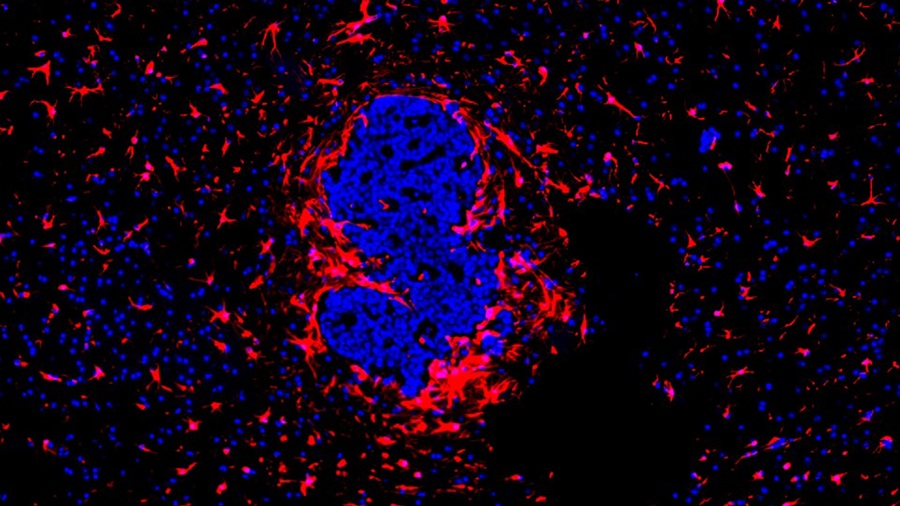
Blood Test Identifies Inflammatory Breast Cancer Patients at Increased Risk of Brain Metastasis
Brain metastasis is a frequent and devastating complication in patients with inflammatory breast cancer, an aggressive subtype with limited treatment options. Despite its high incidence, the biological... Read moreHematology
view channel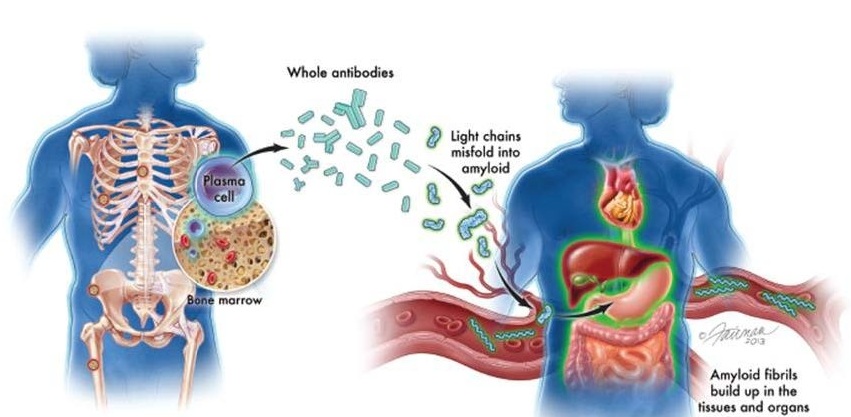
New Guidelines Aim to Improve AL Amyloidosis Diagnosis
Light chain (AL) amyloidosis is a rare, life-threatening bone marrow disorder in which abnormal amyloid proteins accumulate in organs. Approximately 3,260 people in the United States are diagnosed... Read more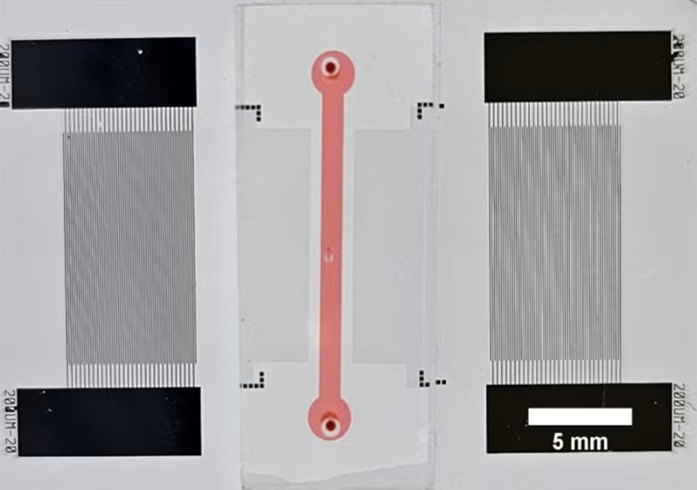
Fast and Easy Test Could Revolutionize Blood Transfusions
Blood transfusions are a cornerstone of modern medicine, yet red blood cells can deteriorate quietly while sitting in cold storage for weeks. Although blood units have a fixed expiration date, cells from... Read more
Automated Hemostasis System Helps Labs of All Sizes Optimize Workflow
High-volume hemostasis sections must sustain rapid turnaround while managing reruns and reflex testing. Manual tube handling and preanalytical checks can strain staff time and increase opportunities for error.... Read more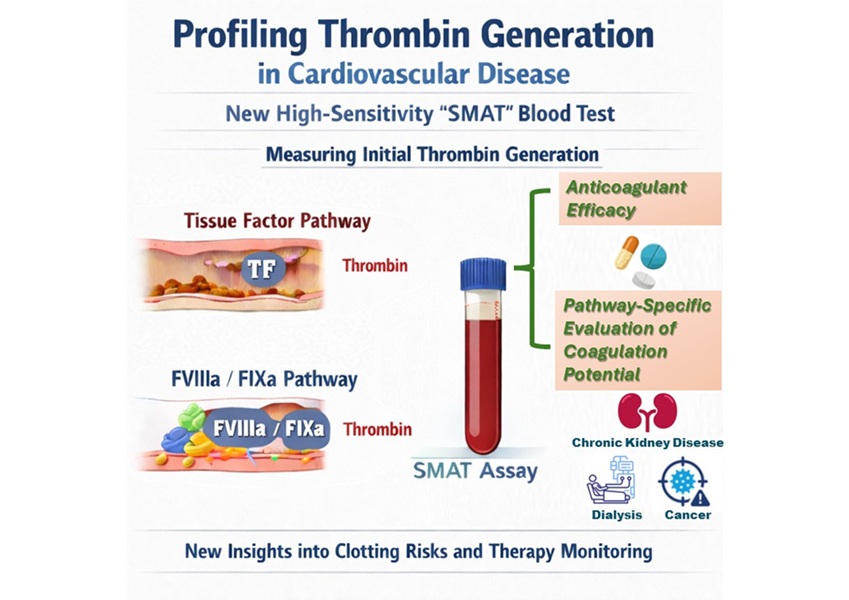
High-Sensitivity Blood Test Improves Assessment of Clotting Risk in Heart Disease Patients
Blood clotting is essential for preventing bleeding, but even small imbalances can lead to serious conditions such as thrombosis or dangerous hemorrhage. In cardiovascular disease, clinicians often struggle... Read moreImmunology
view channel
Blood Test Identifies Lung Cancer Patients Who Can Benefit from Immunotherapy Drug
Small cell lung cancer (SCLC) is an aggressive disease with limited treatment options, and even newly approved immunotherapies do not benefit all patients. While immunotherapy can extend survival for some,... Read more
Whole-Genome Sequencing Approach Identifies Cancer Patients Benefitting From PARP-Inhibitor Treatment
Targeted cancer therapies such as PARP inhibitors can be highly effective, but only for patients whose tumors carry specific DNA repair defects. Identifying these patients accurately remains challenging,... Read more
Ultrasensitive Liquid Biopsy Demonstrates Efficacy in Predicting Immunotherapy Response
Immunotherapy has transformed cancer treatment, but only a small proportion of patients experience lasting benefit, with response rates often remaining between 10% and 20%. Clinicians currently lack reliable... Read more
Pathology
view channel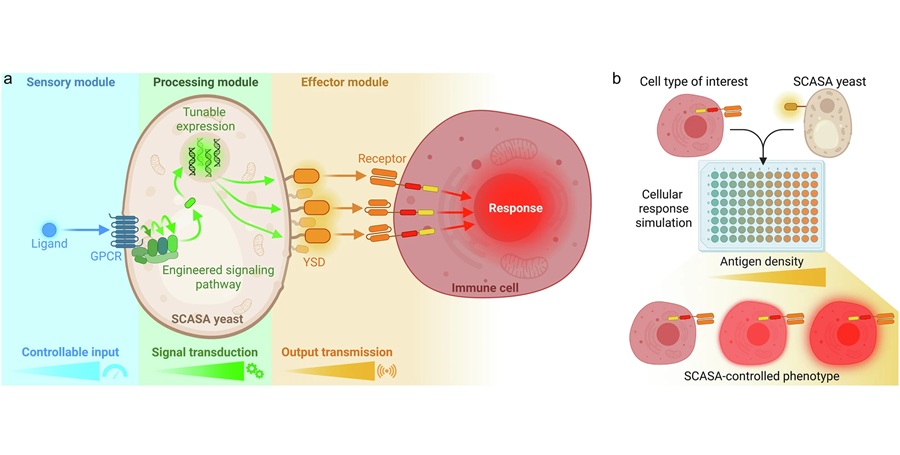
Engineered Yeast Cells Enable Rapid Testing of Cancer Immunotherapy
Developing new cancer immunotherapies is a slow, costly, and high-risk process, particularly for CAR T cell treatments that must precisely recognize cancer-specific antigens. Small differences in tumor... Read more
First-Of-Its-Kind Test Identifies Autism Risk at Birth
Autism spectrum disorder is treatable, and extensive research shows that early intervention can significantly improve cognitive, social, and behavioral outcomes. Yet in the United States, the average age... Read more
Technology
view channel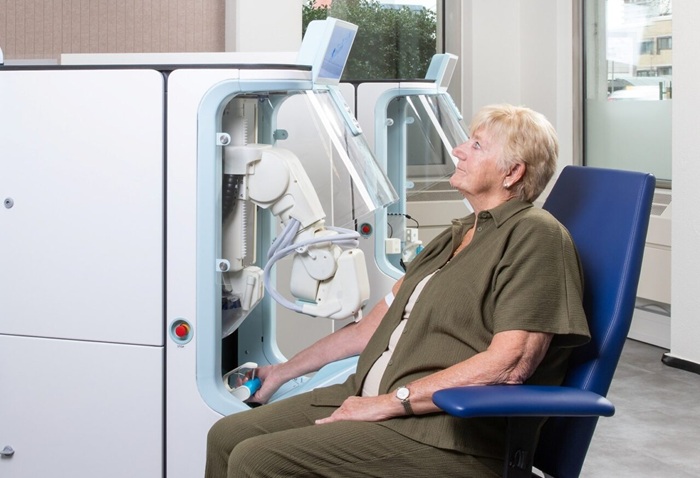
Robotic Technology Unveiled for Automated Diagnostic Blood Draws
Routine diagnostic blood collection is a high‑volume task that can strain staffing and introduce human‑dependent variability, with downstream implications for sample quality and patient experience.... Read more
ADLM Launches First-of-Its-Kind Data Science Program for Laboratory Medicine Professionals
Clinical laboratories generate billions of test results each year, creating a treasure trove of data with the potential to support more personalized testing, improve operational efficiency, and enhance patient care.... Read more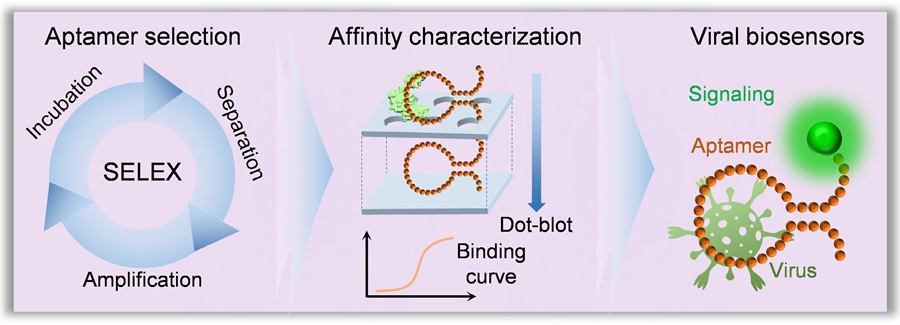
Aptamer Biosensor Technology to Transform Virus Detection
Rapid and reliable virus detection is essential for controlling outbreaks, from seasonal influenza to global pandemics such as COVID-19. Conventional diagnostic methods, including cell culture, antigen... Read more
AI Models Could Predict Pre-Eclampsia and Anemia Earlier Using Routine Blood Tests
Pre-eclampsia and anemia are major contributors to maternal and child mortality worldwide, together accounting for more than half a million deaths each year and leaving millions with long-term health complications.... Read moreIndustry
view channel
New Collaboration Brings Automated Mass Spectrometry to Routine Laboratory Testing
Mass spectrometry is a powerful analytical technique that identifies and quantifies molecules based on their mass and electrical charge. Its high selectivity, sensitivity, and accuracy make it indispensable... Read more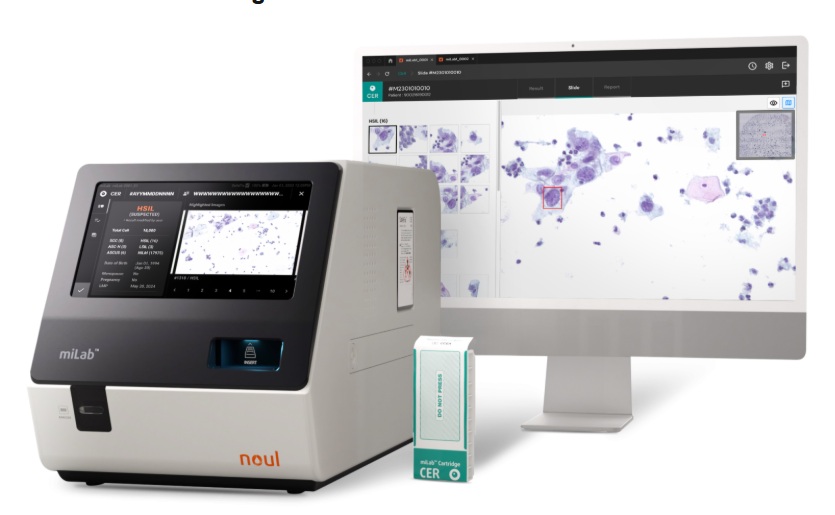
AI-Powered Cervical Cancer Test Set for Major Rollout in Latin America
Noul Co., a Korean company specializing in AI-based blood and cancer diagnostics, announced it will supply its intelligence (AI)-based miLab CER cervical cancer diagnostic solution to Mexico under a multi‑year... Read more
Diasorin and Fisher Scientific Enter into US Distribution Agreement for Molecular POC Platform
Diasorin (Saluggia, Italy) has entered into an exclusive distribution agreement with Fisher Scientific, part of Thermo Fisher Scientific (Waltham, MA, USA), for the LIAISON NES molecular point-of-care... Read more