Fast Noninvasive Bedside Test Uses Sugar Fingerprint to Detect Fungal Infections
Posted on 29 Sep 2025
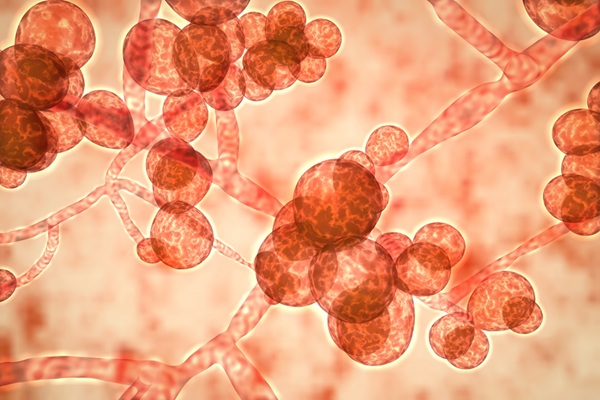
Candida bloodstream infections are a growing global health threat, causing an estimated 6 million cases and 3.8 million deaths annually. Hospitals are particularly vulnerable, as weakened patients after surgery or chemotherapy face high risks, while the fungus can also cling to catheters and prostheses, forming drug-resistant biofilms. Current diagnostic methods rely on slow lab cultures that often take days, leading to delays in treatment and poor outcomes. Researchers have now developed a method that uses sugar fingerprints to rapidly detect these infections at the bedside.
Scientists at the Max Planck Institute of Colloids and Interfaces (Brandenburg, Germany), along with collaborators, created synthetic replicas of Candida sugars to study immune responses. By analyzing the sugar-rich outer wall of the fungus, which makes up about 80% of its surface, the team identified unique glycan “fingerprints.” These glycans were printed on microarrays and exposed to serum samples, revealing how antibodies bind to specific fungal sugars recognized by the immune system.
In laboratory testing, the approach allowed researchers to distinguish between infected and healthy samples with high precision. Fluorescent tagging of glycans made antibody binding instantly visible, acting as a measurable signal. The study, published in PNAS, showed that this method reliably identified which glycan structures triggered the strongest immune reactions, paving the way for a fast and consistent diagnostic tool.
The findings suggest that a simple bedside test strip using minimal blood could return results in minutes, replacing invasive procedures and reducing infection risks from multiple blood draws. The technique could also distinguish between different Candida species, giving clinicians timely information to isolate patients and prescribe targeted treatments. This rapid diagnostic approach is especially valuable in regions without access to advanced culture labs.
In addition to diagnostics, the research opens the door to preventive measures. Precisely defined glycans identified through this work may serve as building blocks for future vaccines targeting Candida’s sugar-coated surface. Glycoconjugate vaccines, already successful against bacterial pathogens, could be adapted to fungal infections, providing long-term immune protection for high-risk patients.
“Fast diagnosis can save lives; doctors cannot afford to let Candida spread while waiting for results,” said researcher Dr. Rosanne Sprute.
Related Links:
Max Planck Institute of Colloids and Interfaces