Point-of-Care Immunoassay Analyzer on Display at AACC Annual Meeting
|
By LabMedica International staff writers Posted on 02 Aug 2016 |


|
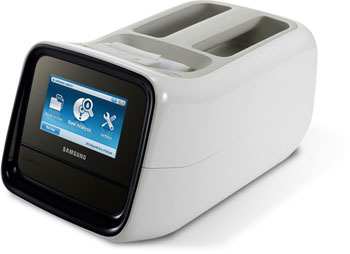
Image: The LABGEO IB10 chemistry analyzer (Photo courtesy of Samsung / Thermo Fisher Scientific).
A small, simple to use basic immunoassay analyzer designed for point-of-care (POC) settings is available for inspection in the Thermo Fisher Scientific (Fremont, CA, USA) Booth 2145 at the 2016 AACC Annual Meeting & Clinical Lab Expo (Philadelphia, PA, USA).
The Samsung LABGEO IB10 chemistry analyzer is the result of the partnership between Samsung (Suwon, South Korea) and Thermo Fisher Scientific.
The LABGEO IB10 is a small, simple to use basic immunoassay analyzer designed for POC settings. It was designed to measure TnI, D-Dimer, NT-proBNP, Myoglobulin, CK-MB, TSH, HCG, and PCT (Procalcitonin) within 20 minutes from a single use cartridge. Each cartridge includes calibration data, lot number, analyte listing, and expiration data.
The broad menu, short turn around time, and simplicity of the LABGEOIB10 make it ideal for satellite laboratories, physician offices, remote locations, and other settings where speed and convenience can improve productivity and patient compliance to treatment goals.
Related Links:
Thermo Fisher Scientific
AACC Annual Meeting & Clinical Lab Expo
Samsung





The Samsung LABGEO IB10 chemistry analyzer is the result of the partnership between Samsung (Suwon, South Korea) and Thermo Fisher Scientific.
The LABGEO IB10 is a small, simple to use basic immunoassay analyzer designed for POC settings. It was designed to measure TnI, D-Dimer, NT-proBNP, Myoglobulin, CK-MB, TSH, HCG, and PCT (Procalcitonin) within 20 minutes from a single use cartridge. Each cartridge includes calibration data, lot number, analyte listing, and expiration data.
The broad menu, short turn around time, and simplicity of the LABGEOIB10 make it ideal for satellite laboratories, physician offices, remote locations, and other settings where speed and convenience can improve productivity and patient compliance to treatment goals.
Related Links:
Thermo Fisher Scientific
AACC Annual Meeting & Clinical Lab Expo
Samsung

Gold Member
Quantitative POC Immunoassay Analyzer
EASY READER+
LAIR2 Antibody Pair Set
LAIR2 Antibody Pair [Biotin]
Repetitive Pipette
VWR® Stepper Pro
Latest AACC 2016 News
- Molecular Test Detects Three Arboviruses in Plasma Samples
- Derived Exosomal Protein Biomarkers in Alzheimer’s Disease Diagnosis
- New Biochip Array Developed for ApoE4 Classification
- Cell-Free DNA Identifies Liver Transplant Patients with Acute Rejection
- New Method Tested for Early Diagnosis Pediatric Diabetic Nephropathy
- FDA-Cleared Automated Cell Counter for CSF Launched at AACC 2016
- Semen Analysis Portfolio with Two New Products Featured at AACC 2016
- Automation Solutions for Clinical Diagnostic Equipment Showcased at AACC 2016
- New Tubes Designed for Medium Sample Volumes
- Multi Sample Osmometer Improves Testing Efficiency
- Innovative Information System Optimizes Laboratory Processes
- Innovative eLearning Interface Seamlessly Connects Competency Data
- Cloud-Based Connectivity Platform Advances Decentralized Healthcare
- Adhesives Research to Present Hydrophilic Adhesive Technologies
- Assay for Determination of 17-OH Progesterone to Be Featured at AACC Annual Meeting
- Fully Automated HbA1c Analyzer Available for Inspection at AACC Annual Meeting
Channels
Clinical Chemistry
view channel
Maternal Blood Biomarkers Identify Risk of Preterm and Early-Term Birth
Preterm and early-term births can lead to lasting complications because vital organs continue to mature during the final weeks of pregnancy. Babies born too soon face increased risks of breathing difficulties,... Read more
Blood-Based Alzheimer’s Testing Platform Offers Rapid Results
Accurate identification of Alzheimer’s disease pathology often relies on cerebrospinal fluid analysis or positron emission tomography, which can be invasive, costly, and not widely accessible.... Read more
Simple Oral Swab Monitors Persistent Inflammation in Primary Ciliary Dyskinesia
Primary ciliary dyskinesia is a rare lung disease that affects about one in 7,500 to 10,000 live births worldwide. Symptoms can begin in the newborn period and progress to recurrent respiratory infections... Read more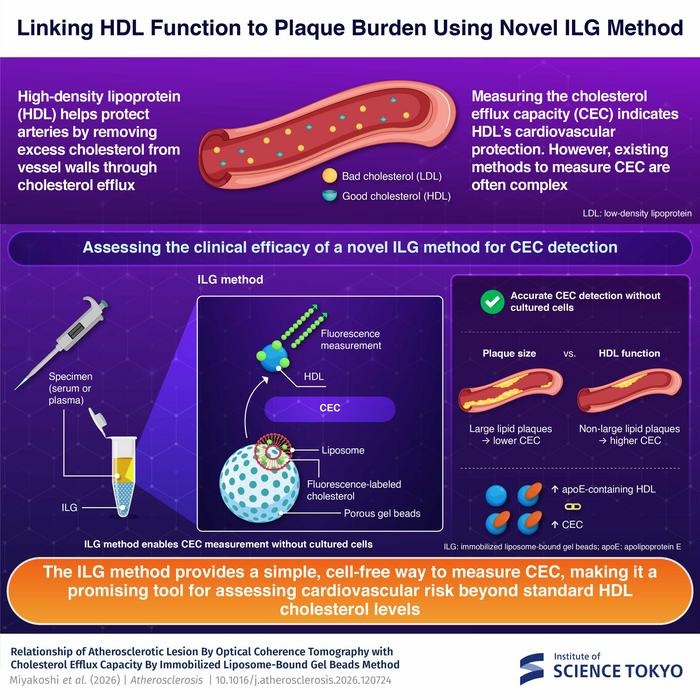
Simple Blood-Based Cholesterol Efflux Assay Identifies High-Risk Coronary Plaque Features
Unstable coronary plaques are difficult to identify before they trigger acute cardiovascular events. Standard high-density lipoprotein (HDL) measurements do not always capture how well HDL particles function... Read moreMolecular Diagnostics
view channel
AI Reasoning Model Generates Diagnostic Leads for Unresolved Rare Disease Cases
Rare genetic diseases often leave families without definitive answers, even after genome sequencing and expert review. As scientific evidence evolves and clinical data remain fragmented across systems,... Read more
Point-of-Care Molecular Test Detects Group A Strep in Minutes
Group A Streptococcus is a leading bacterial cause of acute pharyngitis and a common reason for outpatient visits, accounting for millions of healthcare encounters each year. Because symptoms of bacterial... Read more
Genetic Testing and Surveillance Cuts Costs and Improves Survival in Li-Fraumeni Syndrome
Inherited cancer predisposition syndromes such as Li-Fraumeni syndrome (LFS) can lead to diverse, early-onset tumors and require intensive, lifelong surveillance. Balancing timely identification with sustainable... Read more
Hematology
view channel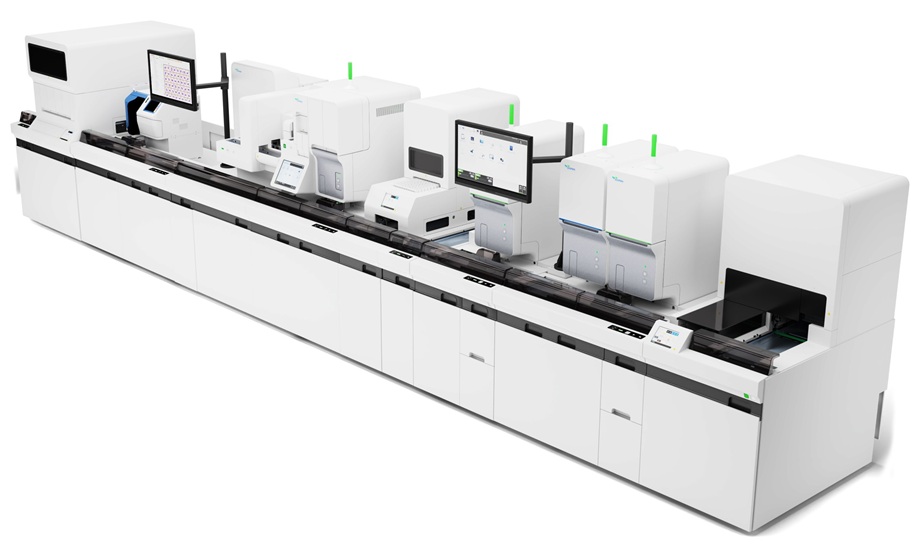
Next-Generation Hematology Platform Streamlines High-Complexity Lab Workflows
Sysmex America (Chicago, IL, USA) has introduced the next generation XR-Series, centered on the XR-10 Automated Hematology Module for high-complexity laboratories. The platform builds on the widely used... Read more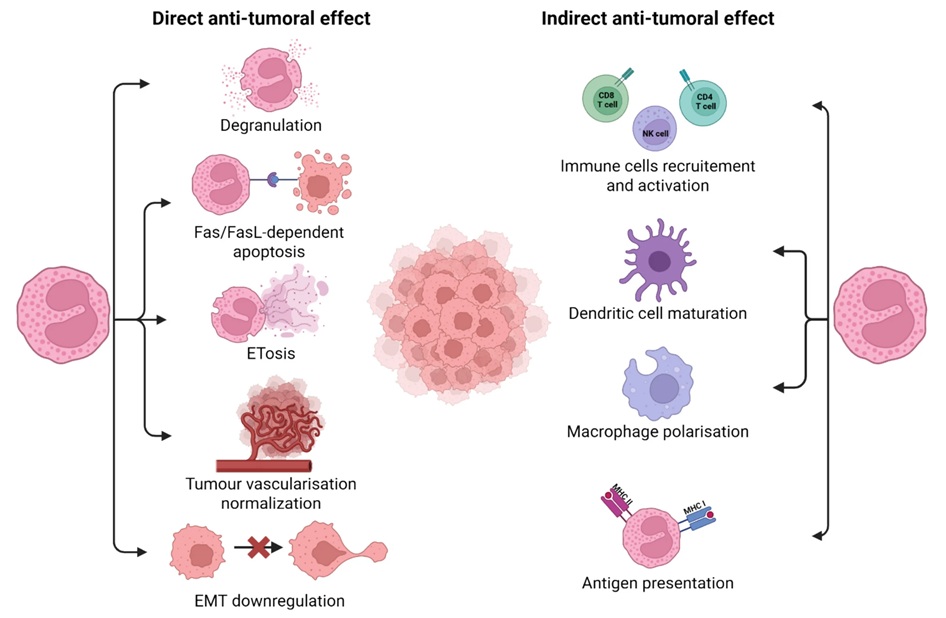
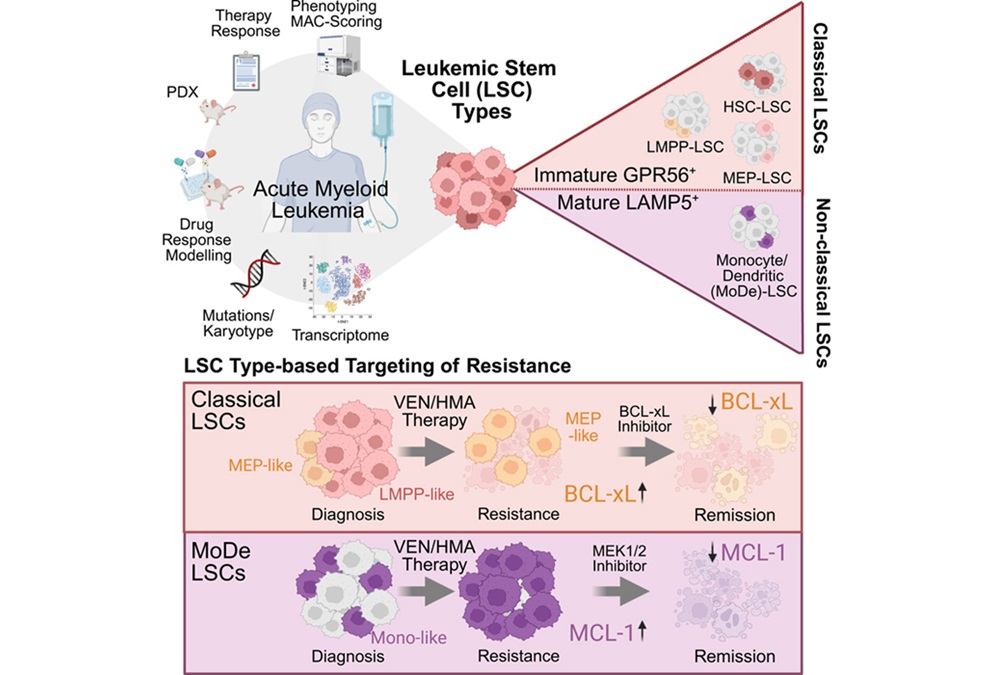
Blood Eosinophil Count May Predict Cancer Immunotherapy Response and Toxicity
Immune checkpoint inhibitors have improved outcomes across many cancers, yet only a subset of patients derive durable benefit and biomarkers to guide treatment remain limited. Eosinophils, best known for... Read more
Immunology
view channel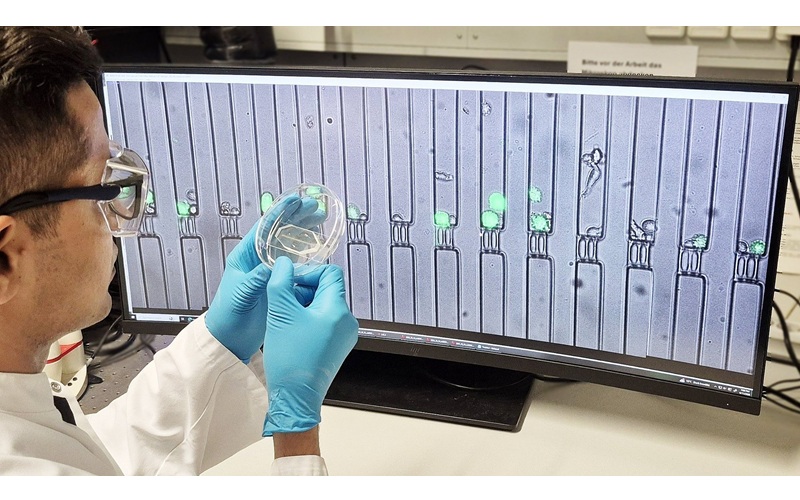
Lab-on-a-Chip Approach Advances Immune–Cancer Cell Interaction Analysis
Conventional cytotoxicity assays often average responses across thousands of cells, obscuring how individual immune cells engage and kill tumor cells. For immunotherapy evaluation, the precise sequence... Read more
Antibody Profiles Provide Clues to Long COVID Severity and Symptoms
Persistent symptoms after acute COVID-19 affect millions of people, causing fatigue, respiratory issues, and cognitive deficits that can be difficult to quantify with standard tests. Clinical teams lack... Read more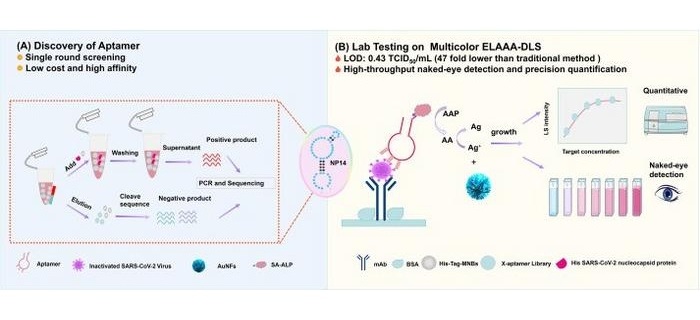

Microbiology
view channel
Study Reveals Widespread Community Spread of Drug-Resistant Klebsiella
Multidrug-resistant Klebsiella pneumoniae is an escalating community health concern, driving recurrent urinary tract infections in older adults and complicating first-line antibiotic therapy.... Read more
Stronger Laboratory Services Support Timely Melioidosis Diagnosis Amid Global Spread
Melioidosis, a potentially fatal infection caused by Burkholderia pseudomallei, remains difficult to recognize because its symptoms can mimic tuberculosis and other illnesses. The disease is considered... Read more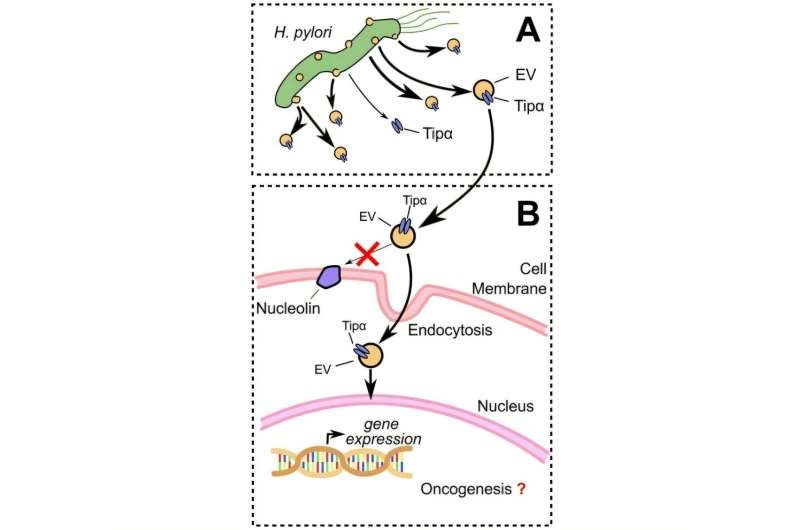
Extracellular Vesicle Biomarker May Enable Noninvasive Monitoring of H. pylori
Helicobacter pylori infects an estimated 43.9% of the global population, affecting approximately 4.4 billion people worldwide. In many regions, including Africa, Eastern Europe, and Southeast Asia, prevalence... Read more
Rapid Molecular Screening Aims to Accelerate Hospital Infection Control for CPE
Drug-resistant infections remain a critical patient-safety threat in hospitals, with carbapenemase-producing Enterobacterales (CPE) among the most urgent concerns. In England, reports of acquired carbapenemase... Read morePathology
view channel
Stain-Free Imaging Platform Matches Standard Cancer Pathology
Histopathology underpins cancer diagnosis, but turnaround times and inter-laboratory variability can limit timely, consistent interpretation. Conventional staining relies on chemical dyes and multiple... Read more
New Companion Diagnostic Expands Precision Medicine in Prostate Cancer
Prostate cancer is a leading cancer diagnosis in men and becomes particularly aggressive when it presents as metastatic, hormone-sensitive disease. Tumors with loss of phosphatase and tensin homolog (PTEN)... Read more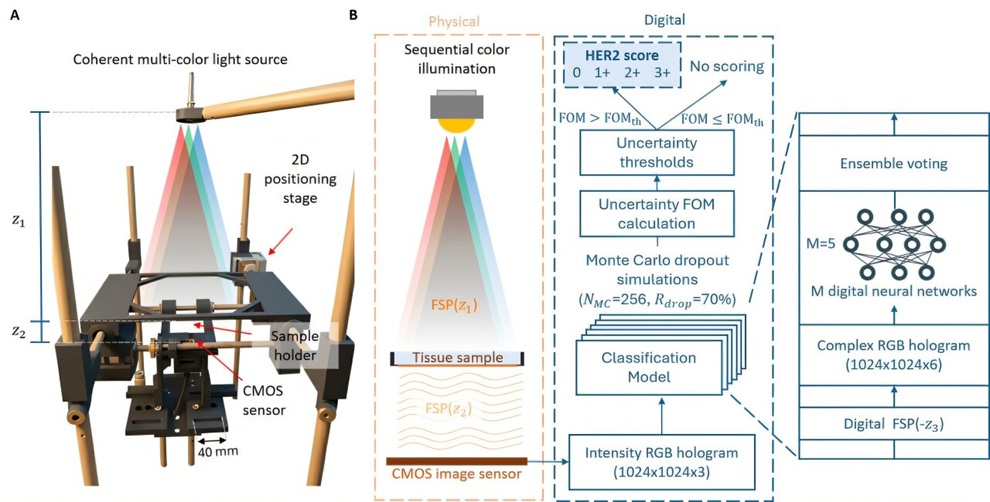
Uncertainty-Aware AI Platform Supports Automated HER2 Assessment in Breast Cancer
Accurate assessment of human epidermal growth factor receptor 2 (HER2) is critical for breast cancer diagnosis and treatment selection, yet scoring variability and infrastructure requirements can complicate... Read more
Technology
view channel
AI Platform Links Biomarker Results to Cancer Clinical Trials and Guidelines
Oncology teams must manage growing volumes of genomic data, rapidly evolving clinical trial options, and frequently updated care guidelines, all within tight clinic schedules. Translating complex tumor... Read more
Agentic AI Platform Supports Genomic Decision-Making in Oncology
Oncology care teams increasingly face the challenge of managing complex molecular diagnostics, evolving treatment options, and extensive electronic health record documentation. Translating multimodal data... Read more

Industry
view channel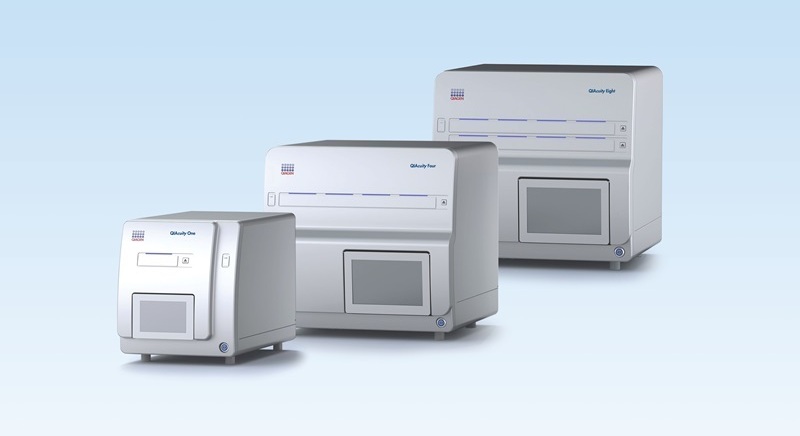
QIAGEN Enhances QIAcuity Platform with Gene Expression and Multiplexing Tools
QIAGEN (Venlo, Netherlands) has introduced additions to its QIAcuity dPCR ecosystem that focus on gene expression, expanded assay content, and workflow standardization for life sciences and biopharma users.... Read more