LabMedica

Download Mobile App
Recent News Expo Clinical Chem. Molecular Diagnostics Hematology Immunology Microbiology Pathology Technology Industry Focus

Biomarker Correlates With Survival for Pediatric Ebola Patients

By LabMedica International staff writers
Posted on 08 Oct 2014
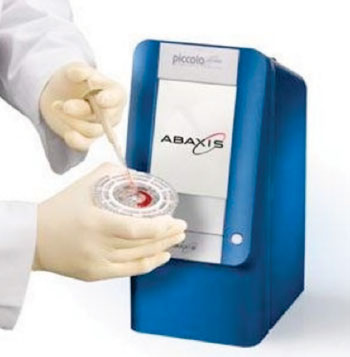
Abaxis\' Piccolo comprehensive metabolic reagent disk and the Piccolo Xpress Chemistry Analyzer
The Piccolo comprehensive metabolic reagent disk and the Piccolo Xpress Chemistry Analyzer (Photo courtesy of ABAXIS)
Outbreaks of Ebola virus disease (EVD) occur sporadically in Africa and are associated with high case-fatality rates yet children have been less affected than adults.

The term hemorrhagic fever has been used to describe this disease process because hemorrhagic manifestations develop in many patients during the course of illness which is characterized by abrupt onset of fever, fatigue, headache, myalgia, and gastrointestinal distress 3 to 13 days after exposure to the virus.

A team of scientists at Emory University (Atlanta, GA, USA) obtained serum samples 55 pediatric and 161 adult laboratory-confirmed cases from an outbreak in Gulu district (Uganda) that occurred in 2000 and 2001. The team used a series of multiplex assays to measure the concentrations of 55 serum analytes in specimens from patients from that outbreak to identify biomarkers specific to pediatric disease.

The 26-plex bead-based assay (Affymetrix; Santa Clara, CA, USA) was performed for chemokines and cytokines as well as a 2-plex assay for D-dimer and tissue plasminogen activator. Single-plex assays for ferritin and cortisol and 2-plex assays for tissue factor (TF) and thrombomodulin (Millipore; Billerica, MA, USA) were also implemented. Enzyme-linked immunosorbent assays (ELISA) were used to quantify mannose-binding lectin (Hycult Biotech; Plymouth Meeting, PA, USA) and total immunoglobulin G (IgG) (eBioscience; San Diego, CA, USA). A Piccolo comprehensive metabolic reagent disk was run on the Piccolo Xpress Chemistry Analyzer (Abaxis; Union City, CA, USA) to determine serum chemistry values.

Pediatric patients who survived had higher levels of the chemokine regulated on activation, normal T-cell expressed and secreted marker and lower levels of plasminogen activator inhibitor 1, soluble intracellular adhesion molecule, and soluble vascular cell adhesion molecule than did pediatric patients who died. Adult patients had similar levels of these analytes regardless of outcome. The regulated on activation, normal T cell expressed and secreted chemokine (RANTES), also known as Chemokine (C-C motif) ligand 5, was the only factor studied that demonstrated an association with higher survival rates in children.

The authors concluded that different pathophysiologic mechanisms of disease may be at work in pediatric patients, and children may benefit from different treatment than their adult counterparts. Therapeutic interventions targeted at decreasing endothelial activation in pediatric patients early during the course of infection might include drugs that affect endothelial activation, such as statins. The study was published in the October 2014 issue of the journal Emerging Infectious Diseases.

Related Links:

Emory University 
Affymetrix 
Abaxis
Gold Member
Respiratory Syncytial Virus Test

OSOM® RSV Test
POC Helicobacter Pylori Test Kit
Hepy Urease Test
Gold Member
Hematology Analyzer
Medonic M32B
Automated MALDI-TOF MS System
EXS 3000
Read the full article by registering today, it's FREE! It's Free!
Register now for FREE to LabMedica.com and get access to news and events that shape the world of Clinical Laboratory Medicine.
  • Free digital version edition of LabMedica International sent by email on regular basis
  • Free print version of LabMedica International magazine (available only outside USA and Canada).
  • Free and unlimited access to back issues of LabMedica International in digital format
  • Free LabMedica International Newsletter sent every week containing the latest news
  • Free breaking news sent via email
  • Free access to Events Calendar
  • Free access to LinkXpress new product services
  • REGISTRATION IS FREE AND EASY!
Click here to Register


Channels

Molecular Diagnostics

view channel
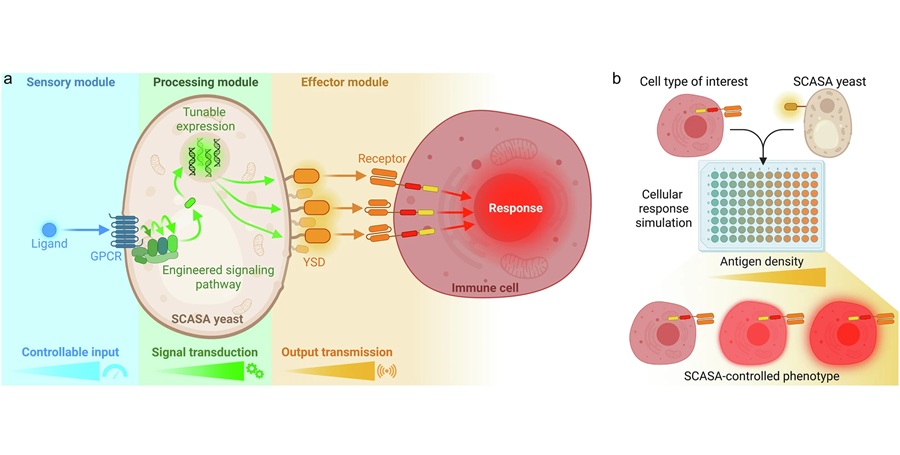
Image: The diagnostic device can tell how deadly brain tumors respond to treatment from a simple blood test (Photo courtesy of UQ)

Diagnostic Device Predicts Treatment Response for Brain Tumors Via Blood Test

Glioblastoma is one of the deadliest forms of brain cancer, largely because doctors have no reliable way to determine whether treatments are working in real time. Assessing therapeutic response currently... Read more

Immunology

view channel
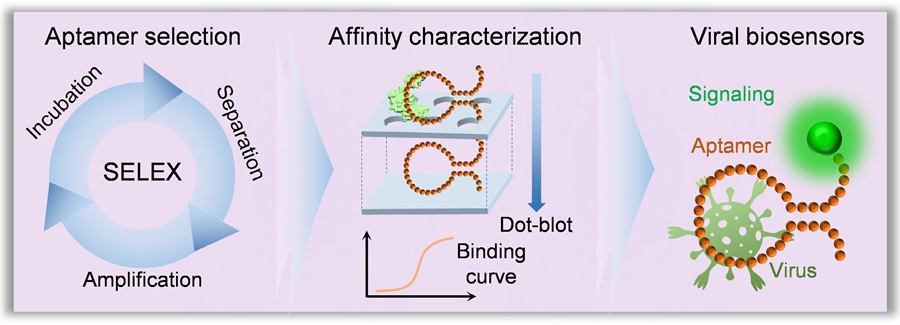
Image: Circulating tumor cells isolated from blood samples could help guide immunotherapy decisions (Photo courtesy of Shutterstock)

Blood Test Identifies Lung Cancer Patients Who Can Benefit from Immunotherapy Drug

Small cell lung cancer (SCLC) is an aggressive disease with limited treatment options, and even newly approved immunotherapies do not benefit all patients. While immunotherapy can extend survival for some,... Read more

Technology

view channel
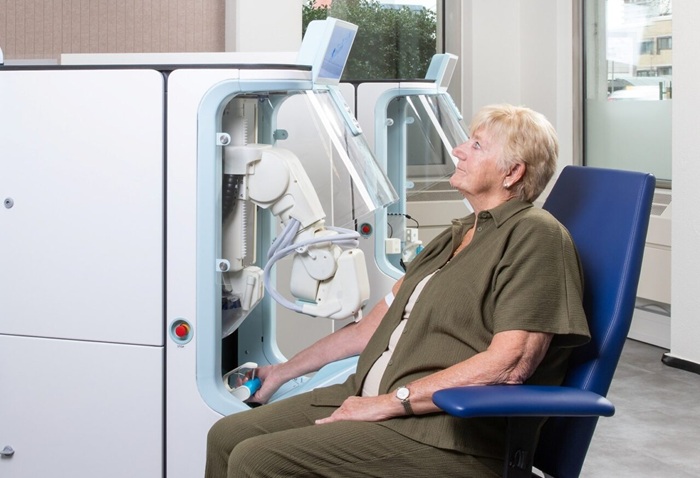
Image: Vitestro has shared a detailed visual explanation of its Autonomous Robotic Phlebotomy Device (photo courtesy of Vitestro)

Robotic Technology Unveiled for Automated Diagnostic Blood Draws

Routine diagnostic blood collection is a high‑volume task that can strain staffing and introduce human‑dependent variability, with downstream implications for sample quality and patient experience.... Read more

Industry

view channel
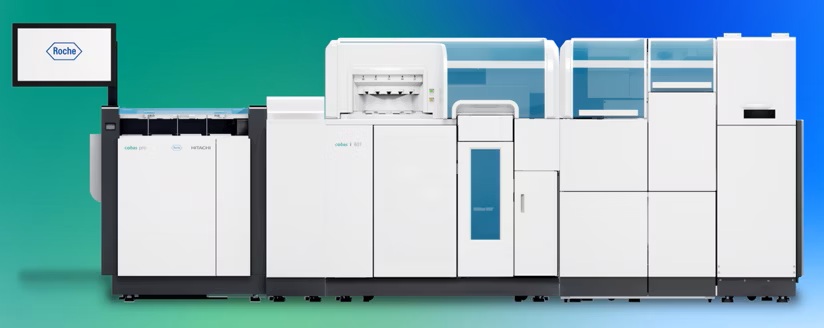
Image: Roche’s cobas® Mass Spec solution enables fully automated mass spectrometry in routine clinical laboratories (Photo courtesy of Roche)

New Collaboration Brings Automated Mass Spectrometry to Routine Laboratory Testing

Mass spectrometry is a powerful analytical technique that identifies and quantifies molecules based on their mass and electrical charge. Its high selectivity, sensitivity, and accuracy make it indispensable... Read more