Microorganisms have been identified that may trigger diarrheal disease and others that may protect against it, which were not widely linked to the condition previously.
Diarrheal diseases continue to contribute significantly to morbidity and mortality in infants and young children in developing countries and there is an urgent need to better understand the contributions of novel, potentially uncultured, diarrheal pathogens to severe diarrheal disease, as well as distortions in normal gut microbiota composition that might facilitate severe disease.
An international team of scientists led by those at the University of Maryland (College Park, MD, USA) surveyed the intestinal microbiota of 992 children from four under-developed countries in West Africa (The Gambia and Mali), East Africa (Kenya), and South Asia (Bangladesh). Stool samples were selected from a large case/control study of moderate-to-severe diarrhea in children aged less than five years. All samples were analyzed by traditional microbiological tests for known bacterial, viral, and eukaryotic pathogens.
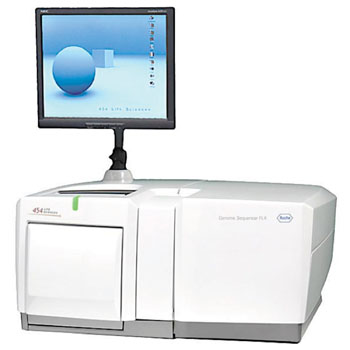
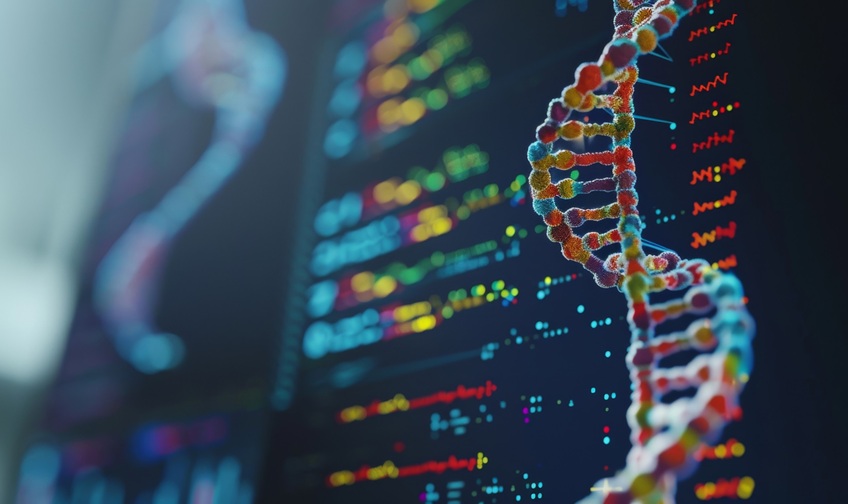
DNA was isolated and extracted using the QIAamp DNA stool extraction kit (Qiagen; Venlo, The Netherlands). DNA was amplified using “universal” primers targeting the V1-V2 region of the 16S ribosomal ribonucleic acid (rRNA) gene, a small subunit of the ribosome, in bacteria. Both forward and reverse primers had a 5’ portion specific for use with FLX sequencing technology (454 Life Sciences; Branford, CT, USA).
The scientists identified statistically significant disease associations with several organisms already implicated in diarrheal disease, such as members of the
Escherichia/Shigella genus and
Campylobacter jejuni. They also found that organisms not widely believed to cause the disease, including
Streptococcus and
Granulicatella, correlated with the condition in their study. In addition, the study revealed that the
Prevotella genus and
Lactobacillus ruminis may play a protective role against diarrhea. In almost 50% of the children examined with diarrhea, the condition could not be attributed to a specific causal pathogen. The team also found numerous children carrying
Shigella, which is known to cause problems, yet the children showed no signs of moderate to severe diarrhea.
The authors concluded that their analysis of the 16S rRNA gene-based taxonomic profile of diarrheal and control stool samples demonstrated a strong association between acute diarrheal disease and the overall taxonomic composition of the stool microbiota in young children from the developing world. O. Colin Stine, PhD, a professor and senior author of the study said, “We were able to identify interactions between microbiota that were not previously observed, and we think that some of those interactions may actually help prevent the onset of severe diarrhea.” The study was published on June 27, 2014, in the journal
Genome Biology.
Related Links:
University of Maryland
454 Life Sciences
Gold Member
Fibrinolysis Assay
HemosIL Fibrinolysis Assay Panel
POC Helicobacter Pylori Test Kit
Hepy Urease Test
Human Estradiol Assay
Human Estradiol CLIA Kit
Capillary Blood Collection Tube
IMPROMINI M3