Multiple Microbiological Tests Needed for Underweight Newborns
|
By LabMedica International staff writers Posted on 03 Mar 2013 |


|
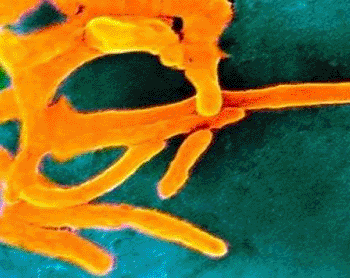
Image: The oral bacteria Fusobacterium nucleatum (Photo courtesy of HealthyDent).
Cultures commonly used to detect bacterial infections in low birth-weight newborns with early onset sepsis may fail to detect some microorganisms.
There is a need for multiple detection methods, such as DNA genomic analyses and other independent culture technologies, to identify bacteria that routine culturing may miss.
Scientists at Case Western Reserve University (Cleveland, OH, USA) performed a comparative microbial analysis of paired amniotic fluid (AF) and cord blood (CB) from pregnancies complicated by preterm birth and early-onset neonatal sepsis. The biological samples from 44 women were collected from September 2004 to February 2009.
Amniotic fluid (AF) was cultured for aerobic and anaerobic bacteria, Ureaplasma and Mycoplasma species. DNA was extracted from AF or CB serum. To identify the species amplified by polymerase chain reaction (PCR) and to ensure that the PCR amplicons were indeed bacterial ribosomal ribonucleic acid (rRNA) genes rather than artifacts, the PCR products were cloned into the pCR8 vector (Invitrogen, Carlsbad, CA, USA).
The investigators found more than 20 bacterial species not discovered using standard culturing. Some of the uncultured species appeared in both the cord blood and amniotic fluid samples. The uncultured bacteria were detected with DNA genomic analysis that had been used in a prior study that discovered the link between oral bacteria that causes still- or premature-births due to infected amniotic fluid that is supposed to be a sterile environment.
Yiping Han, PhD, the professor of Periodontics and Reproductive Biology at the Case Western, said, "Culture independent technology has broadened our scope of understanding human pathogens. DNA testing techniques were able for the first time to detect the oral bacteria Fusobacterium nucleatum, Bergeyella, and Sneathia sanguinegens that brought on early neonatal sepsis and put newborns at risk of dying shortly after birth. Among these, F. nucleatum was found at the same high frequency as the well-known Escherichia coli, putting the former on the same importance scale as the latter." The study was published on February 20, 2013, in the journal Public Library of Science ONE.
Related Links:
Case Western Reserve University
Invitrogen




There is a need for multiple detection methods, such as DNA genomic analyses and other independent culture technologies, to identify bacteria that routine culturing may miss.
Scientists at Case Western Reserve University (Cleveland, OH, USA) performed a comparative microbial analysis of paired amniotic fluid (AF) and cord blood (CB) from pregnancies complicated by preterm birth and early-onset neonatal sepsis. The biological samples from 44 women were collected from September 2004 to February 2009.
Amniotic fluid (AF) was cultured for aerobic and anaerobic bacteria, Ureaplasma and Mycoplasma species. DNA was extracted from AF or CB serum. To identify the species amplified by polymerase chain reaction (PCR) and to ensure that the PCR amplicons were indeed bacterial ribosomal ribonucleic acid (rRNA) genes rather than artifacts, the PCR products were cloned into the pCR8 vector (Invitrogen, Carlsbad, CA, USA).
The investigators found more than 20 bacterial species not discovered using standard culturing. Some of the uncultured species appeared in both the cord blood and amniotic fluid samples. The uncultured bacteria were detected with DNA genomic analysis that had been used in a prior study that discovered the link between oral bacteria that causes still- or premature-births due to infected amniotic fluid that is supposed to be a sterile environment.
Yiping Han, PhD, the professor of Periodontics and Reproductive Biology at the Case Western, said, "Culture independent technology has broadened our scope of understanding human pathogens. DNA testing techniques were able for the first time to detect the oral bacteria Fusobacterium nucleatum, Bergeyella, and Sneathia sanguinegens that brought on early neonatal sepsis and put newborns at risk of dying shortly after birth. Among these, F. nucleatum was found at the same high frequency as the well-known Escherichia coli, putting the former on the same importance scale as the latter." The study was published on February 20, 2013, in the journal Public Library of Science ONE.
Related Links:
Case Western Reserve University
Invitrogen

Gold Member
Aspiration System
VACUSAFE
All-in-One Molecular System
AIO M160
Pipette Calibration System
Artel PCS®
Latest Microbiology News
- Automated Blood Culture System Speeds Detection of Bloodstream Infections
- New Culture Medium Speeds C. difficile Resistance Detection and Reduces Costs
- Gut Microbiome Signatures Help Identify Risk of IBD Progression
- FDA-Cleared Gastrointestinal Panel Detects 24 Pathogen Targets
- New AMR Assay Supports Rapid Infection Control Screening in Hospitals
- Diagnostic Gaps Complicate Bundibugyo Ebola Outbreak Response in Congo
- Study Finds Hidden Mpox Infections May Drive Ongoing Spread
- Large-Scale Genomic Surveillance Tracks Resistant Bacteria Across European Hospitals
- Molecular Urine and Stool Tests Do Not Improve Early TB Treatment in Hospitalized HIV Patients
- Rapid Antigen Biosensor Detects Active Tuberculosis in One Hour
- Label-Free Microscopy Method Enables Faster, Quantitative Detection of Malaria
- Oral–Gut Microbiome Signatures Identify Early Gastric Cancer
- Gut Microbiome Test Predicts Melanoma Recurrence After Surgery
- Rapid Blood-Culture Susceptibility Panel Expands Coverage for Gram-Negative Infections
- Antibiotic Resistance Genes Found in Newborns Within Hours of Birth
- Rapid Color Test Stratifies Virulent and Resistant Staph Strains
Channels
Clinical Chemistry
view channel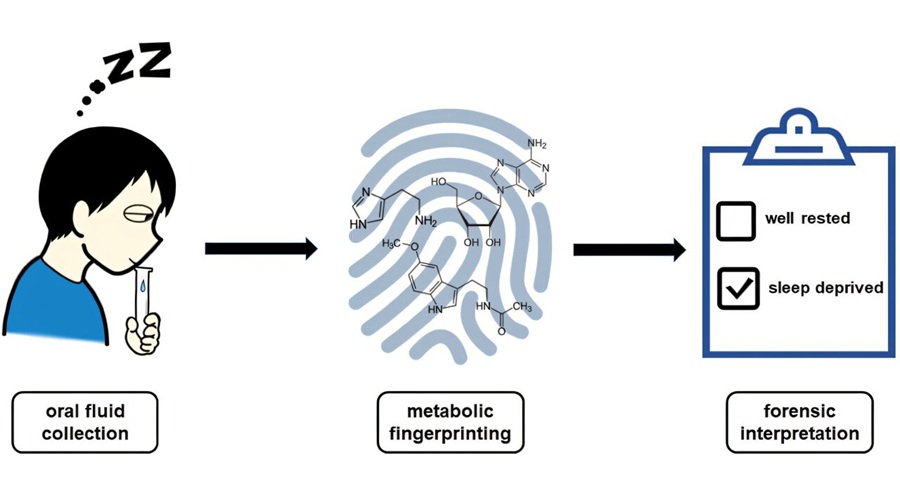
Saliva-Based Test Detects Biochemical Signs of Sleep Loss
Acute sleep loss impairs cognition and motor skills, raising safety risks that resemble alcohol intoxication. Clinicians currently lack an objective biochemical test to determine when someone is dangerously... Read more
Simple Dual-Tau Blood Test Detects and Stages Alzheimer’s Disease
Alzheimer’s disease is typically confirmed and staged with positron emission tomography scans and cerebrospinal fluid testing, procedures that are costly and invasive. Broader access to minimally invasive... Read more
Alzheimer’s Blood Biomarkers Linked to Early Cognitive Differences Before Dementia
Blood-based screening for Alzheimer’s disease offers a noninvasive, lower-cost alternative to brain imaging or spinal fluid testing, yet its ability to flag the earliest cognitive changes has been unclear.... Read more
Molecular Diagnostics
view channel
Blood Test Predicts Immunotherapy Response in Head and Neck Cancer
Head and neck squamous cell carcinoma affects hundreds of thousands of people worldwide each year, yet response rates to immunotherapy remain low. Clinicians lack reliable, minimally invasive tools to... Read more
New PCR Assay Supports Bundibugyo Ebola Outbreak Surveillance
Rapid identification of Ebola infections is essential to limit transmission and guide public health response, yet detection can be difficult when outbreaks involve rare variants. The current outbreaks... Read more
Hematology
view channel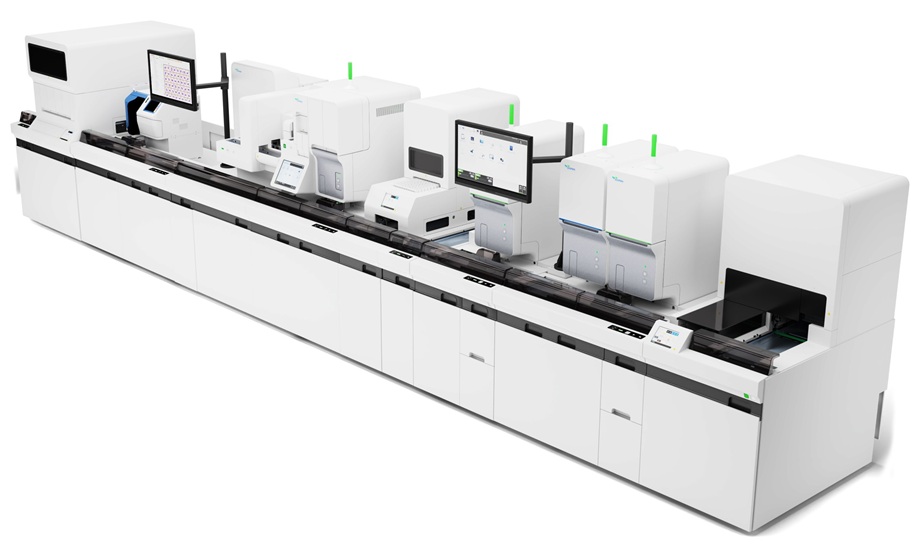
Next-Generation Hematology Platform Streamlines High-Complexity Lab Workflows
Sysmex America (Chicago, IL, USA) has introduced the next generation XR-Series, centered on the XR-10 Automated Hematology Module for high-complexity laboratories. The platform builds on the widely used... Read more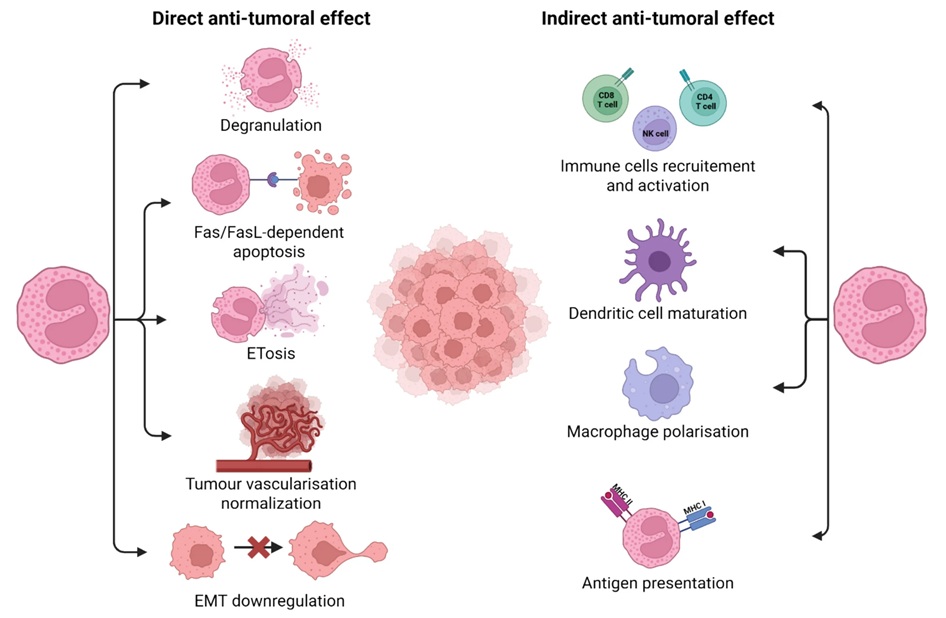
Blood Eosinophil Count May Predict Cancer Immunotherapy Response and Toxicity
Immune checkpoint inhibitors have improved outcomes across many cancers, yet only a subset of patients derive durable benefit and biomarkers to guide treatment remain limited. Eosinophils, best known for... Read more
Immunology
view channel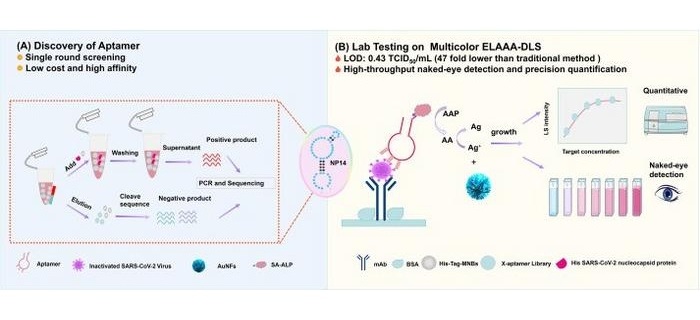
Aptamer-Based Biosensor Enables Mutation-Resilient SARS-CoV-2 Detection
Rapid evolution of severe acute respiratory syndrome coronavirus 2 (SARS-CoV-2) can undermine existing molecular diagnostics, especially when assays target small viral components. Double-antibody sandwich... Read more
Study Points to Autoimmune Pathway Behind Long COVID Symptoms
Long COVID leaves many SARS-CoV-2 survivors with persistent fatigue, cognitive issues, palpitations, and musculoskeletal pain for months or years. Estimates cited in new research suggest 4%–20% of infected... Read more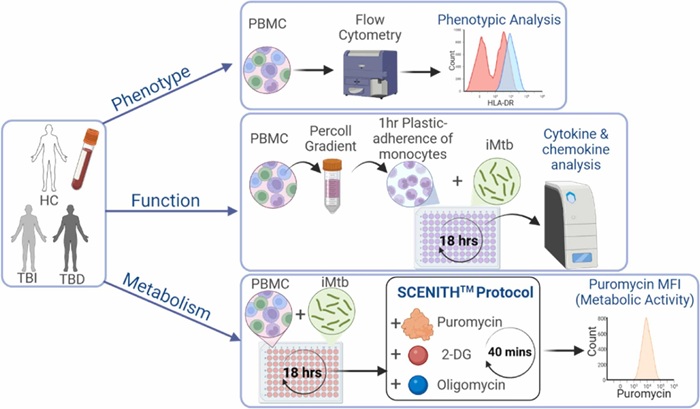
Metabolic Biomarker Distinguishes Latent from Active Tuberculosis and Tracks Treatment Response
Tuberculosis (TB) remains the world’s leading infectious killer, with 10.8 million cases and 1.25 million deaths recorded globally in 2023. Yet many infected individuals never develop active disease, underscoring... Read more
Pathology
view channel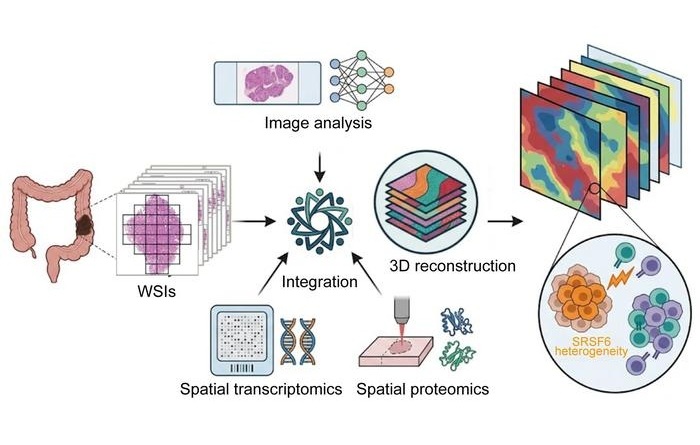
3D Spatial Multi-Omics Maps Intra-Tumor Diversity in Colorectal Cancer
Colorectal cancer remains a leading cause of cancer death, and clinical decision-making is complicated by marked intra-tumor heterogeneity. Conventional bulk sequencing averages molecular signals across... Read more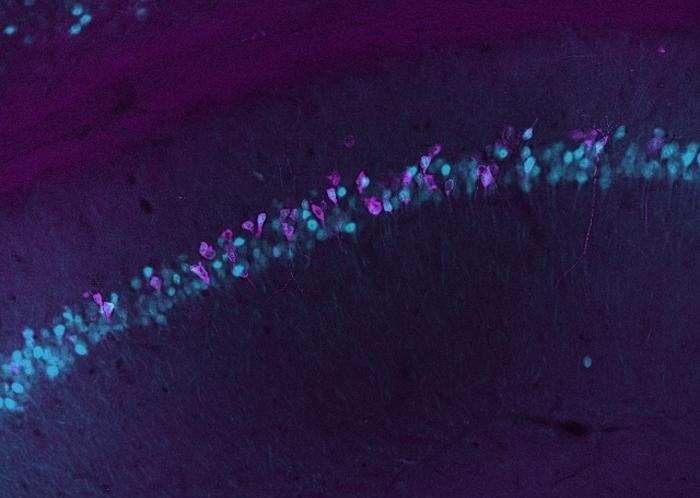
Blood-Based Method Tracks Gene Activity in the Living Brain
Real-time measurement of gene activity in the brain has been limited by assays requiring destructive tissue sampling. Tracking active genes could reveal how the body responds to environmental factors,... Read more
Technology
view channel
AI Platform Links Biomarker Results to Cancer Clinical Trials and Guidelines
Oncology teams must manage growing volumes of genomic data, rapidly evolving clinical trial options, and frequently updated care guidelines, all within tight clinic schedules. Translating complex tumor... Read more
Agentic AI Platform Supports Genomic Decision-Making in Oncology
Oncology care teams increasingly face the challenge of managing complex molecular diagnostics, evolving treatment options, and extensive electronic health record documentation. Translating multimodal data... Read more

Industry
view channel
Collaboration Advances ctDNA-Guided Development in Metastatic Colorectal Cancer
Natera, Inc. (Austin, TX, USA) and CytoDyn Inc. (Vancouver, WA, USA) announced a strategic collaboration focused on metastatic colorectal cancer (mCRC). Under the agreement, Natera will evaluate circulating... Read more