“Virtual Slides” Reveal Disease Tissue in 3D
|
By LabMedica International staff writers Posted on 07 May 2012 |


|
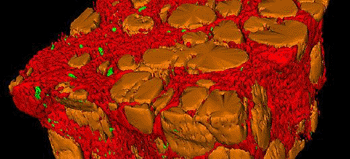
Image: Studying tissue samples in “virtual” 3D -- Please see Related Links below for additional images (Photo courtesy of the University of Leeds).
A fast, user-friendly system has been developed for examining tissue samples in “virtual” 3D images. The novel digital scanning 3D reconstruction system produces high-resolution, multicolored images that can be rotated and examined from any angle.
Computing experts and medical researchers at the University of Leeds (Leeds, UK) have combined efforts to developed this technology as a particularly useful tool for histopathology researchers and potentially also for clinical practice, as medical imaging technology provides even higher resolution images of tissue.
Viewing tissue in 3D enables more in-depth understanding of tissue shape characteristics in ways not possible with conventional methods. Currently, hospital pathologists and medical researchers cut tissue samples into ultra-thin slices and routinely examine these by hand, one-by-one, on a microscope. This is a labor-intensive process - a single slide can contain several hundred thousand cells. To perform a 3D-like analysis, users would need to look at hundreds of different 2D sections - something that would be prohibitively expensive and time-consuming.
In contrast, the system developed at the University of Leeds requires almost no extra manual input once the tissue has been cut and mounted onto glass slides. An automated system turns batches of the slides into high-resolution digital images, which are then aligned using image registration software. Users, without input from computing specialists, can then study these virtual blocks of tissue in 3D and zoom in on particular areas of interest.
The researchers have now tested the system on eight different types of tissue, using more than 13,000 virtual slides to create around 400 separate 3D volumes. The system and selected case studies, including examples of liver disease, cancer, and embryology, are described in the May 2012 issue of the American Journal of Pathology.
This new approach to digital 3D reconstruction reveals more detailed information about disease processes - information that could be used to develop new therapies or explain why conventional treatments are not working. "Having a 3D view can often make a real difference," said Dr. Derek Magee, from the University of Leeds School of Computing, where the system’s software was developed. "For instance, if you want to understand how a system of blood vessels supplying a tumor connects up, you really need to see that in 3D, not as a series of separate 2D sections."
Related Links:
University of Leeds
Sample 3D images







Computing experts and medical researchers at the University of Leeds (Leeds, UK) have combined efforts to developed this technology as a particularly useful tool for histopathology researchers and potentially also for clinical practice, as medical imaging technology provides even higher resolution images of tissue.
Viewing tissue in 3D enables more in-depth understanding of tissue shape characteristics in ways not possible with conventional methods. Currently, hospital pathologists and medical researchers cut tissue samples into ultra-thin slices and routinely examine these by hand, one-by-one, on a microscope. This is a labor-intensive process - a single slide can contain several hundred thousand cells. To perform a 3D-like analysis, users would need to look at hundreds of different 2D sections - something that would be prohibitively expensive and time-consuming.
In contrast, the system developed at the University of Leeds requires almost no extra manual input once the tissue has been cut and mounted onto glass slides. An automated system turns batches of the slides into high-resolution digital images, which are then aligned using image registration software. Users, without input from computing specialists, can then study these virtual blocks of tissue in 3D and zoom in on particular areas of interest.
The researchers have now tested the system on eight different types of tissue, using more than 13,000 virtual slides to create around 400 separate 3D volumes. The system and selected case studies, including examples of liver disease, cancer, and embryology, are described in the May 2012 issue of the American Journal of Pathology.
This new approach to digital 3D reconstruction reveals more detailed information about disease processes - information that could be used to develop new therapies or explain why conventional treatments are not working. "Having a 3D view can often make a real difference," said Dr. Derek Magee, from the University of Leeds School of Computing, where the system’s software was developed. "For instance, if you want to understand how a system of blood vessels supplying a tumor connects up, you really need to see that in 3D, not as a series of separate 2D sections."
Related Links:
University of Leeds
Sample 3D images

Gold Member
Neonatal Heel Incision Device
Tenderfoot
Prefilled Tubes
Prefilled 5.0ml Tubes
Steam Sterilizer
Hi Vac II Line
Latest Pathology News
- 3D Spatial Multi-Omics Maps Intra-Tumor Diversity in Colorectal Cancer
- Blood-Based Method Tracks Gene Activity in the Living Brain
- FDA Approval Expands Automated PD-L1 Testing Across Solid Tumors
- AI-Powered Atlas Maps Immune Structures Linked to Cancer Outcomes
- AI Tool Extracts Immune Signals from Biopsy to Inform Myeloma Therapy
- Rapid AI Tool Predicts Cancer Spatial Gene Expression from Pathology Images
- AI Pathology Test Receives FDA Breakthrough for Bladder Cancer Risk Stratification
- FDA Clears AI Digital Pathology Tool for Breast Cancer Risk Stratification
- New AI Tool Reveals Hidden Genetic Signals in Routine H&E Slides
- AI System Analyzes Routine Pathology Slides to Predict Cancer Outcomes
- New Tissue Mapping Approach Identifies High-Risk Form of Diabetic Kidney Disease
- Multimodal AI Tool Predicts Genetic Alterations to Guide Breast Cancer Treatment
- Interpretable AI Reveals Hidden Cellular Features from Microscopy Images
- Tumor Immune Structure Predicts Response to Immunotherapy in Melanoma
- Plug-and-Play AI Pathology System Classifies Multiple Cancers from Few Slides
- AI-Based Assays Support Risk Stratification in Prostate and Breast Cancer
Channels
Clinical Chemistry
view channel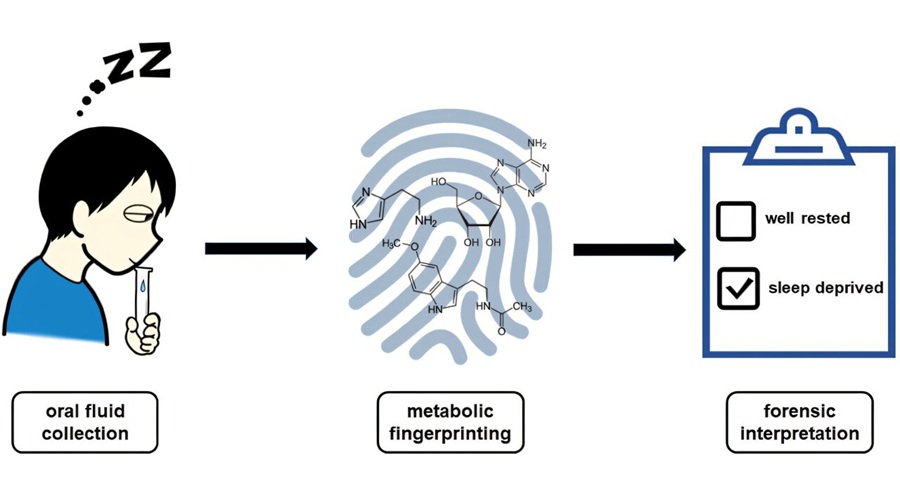
Saliva-Based Test Detects Biochemical Signs of Sleep Loss
Acute sleep loss impairs cognition and motor skills, raising safety risks that resemble alcohol intoxication. Clinicians currently lack an objective biochemical test to determine when someone is dangerously... Read more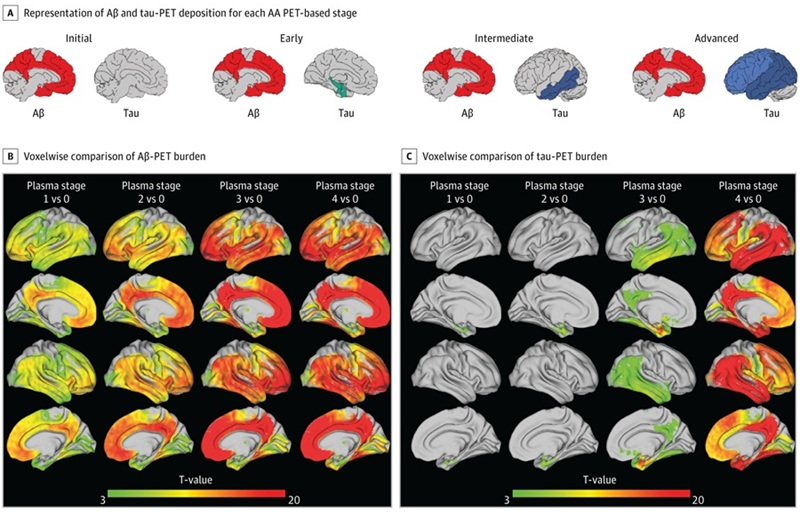
Simple Dual-Tau Blood Test Detects and Stages Alzheimer’s Disease
Alzheimer’s disease is typically confirmed and staged with positron emission tomography scans and cerebrospinal fluid testing, procedures that are costly and invasive. Broader access to minimally invasive... Read more
Alzheimer’s Blood Biomarkers Linked to Early Cognitive Differences Before Dementia
Blood-based screening for Alzheimer’s disease offers a noninvasive, lower-cost alternative to brain imaging or spinal fluid testing, yet its ability to flag the earliest cognitive changes has been unclear.... Read more
Molecular Diagnostics
view channel
Blood Test Predicts Immunotherapy Response in Head and Neck Cancer
Head and neck squamous cell carcinoma affects hundreds of thousands of people worldwide each year, yet response rates to immunotherapy remain low. Clinicians lack reliable, minimally invasive tools to... Read more
New PCR Assay Supports Bundibugyo Ebola Outbreak Surveillance
Rapid identification of Ebola infections is essential to limit transmission and guide public health response, yet detection can be difficult when outbreaks involve rare variants. The current outbreaks... Read more

Hematology
view channel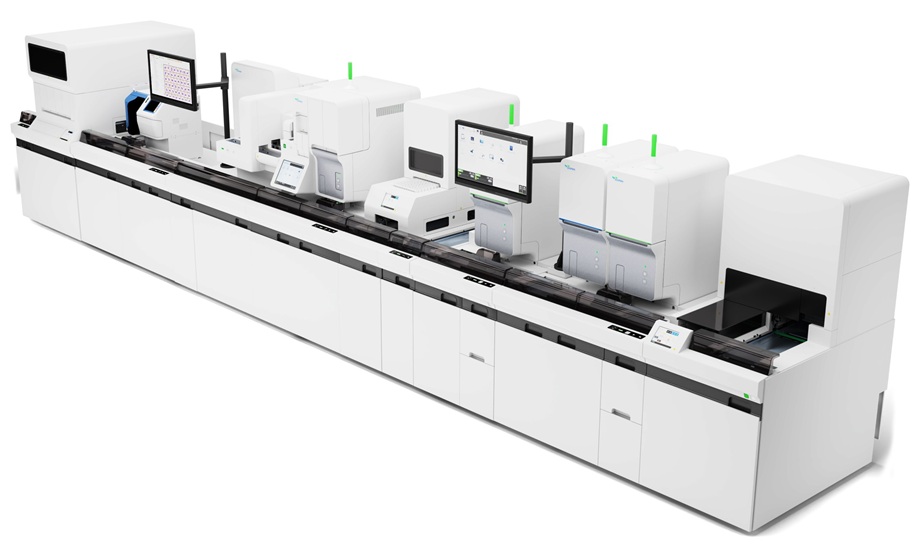
Next-Generation Hematology Platform Streamlines High-Complexity Lab Workflows
Sysmex America (Chicago, IL, USA) has introduced the next generation XR-Series, centered on the XR-10 Automated Hematology Module for high-complexity laboratories. The platform builds on the widely used... Read more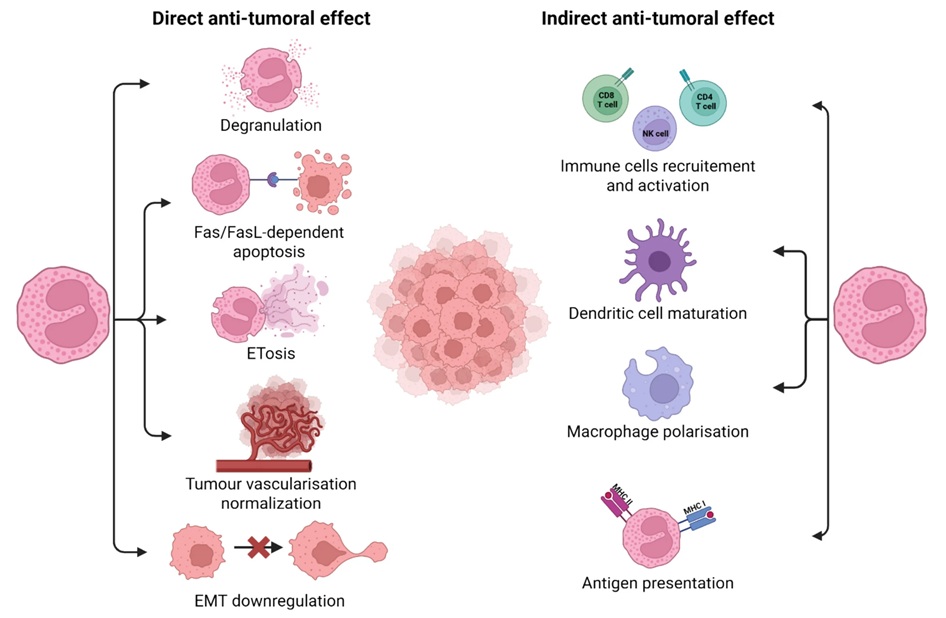
Blood Eosinophil Count May Predict Cancer Immunotherapy Response and Toxicity
Immune checkpoint inhibitors have improved outcomes across many cancers, yet only a subset of patients derive durable benefit and biomarkers to guide treatment remain limited. Eosinophils, best known for... Read more
Immunology
view channel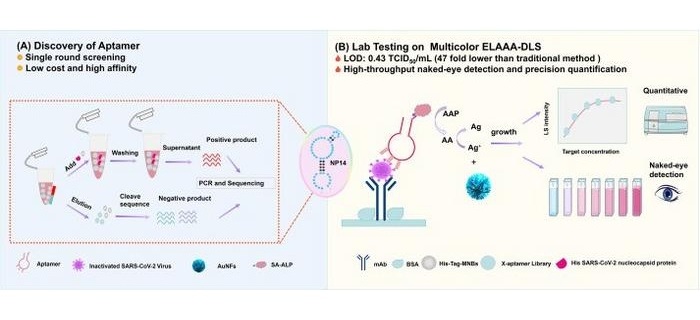
Aptamer-Based Biosensor Enables Mutation-Resilient SARS-CoV-2 Detection
Rapid evolution of severe acute respiratory syndrome coronavirus 2 (SARS-CoV-2) can undermine existing molecular diagnostics, especially when assays target small viral components. Double-antibody sandwich... Read more
Study Points to Autoimmune Pathway Behind Long COVID Symptoms
Long COVID leaves many SARS-CoV-2 survivors with persistent fatigue, cognitive issues, palpitations, and musculoskeletal pain for months or years. Estimates cited in new research suggest 4%–20% of infected... Read more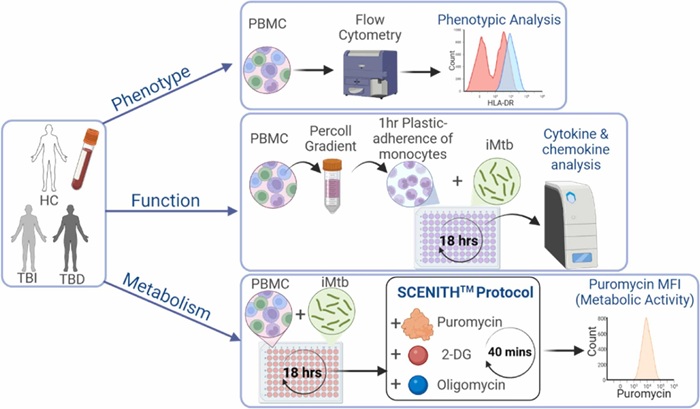
Metabolic Biomarker Distinguishes Latent from Active Tuberculosis and Tracks Treatment Response
Tuberculosis (TB) remains the world’s leading infectious killer, with 10.8 million cases and 1.25 million deaths recorded globally in 2023. Yet many infected individuals never develop active disease, underscoring... Read more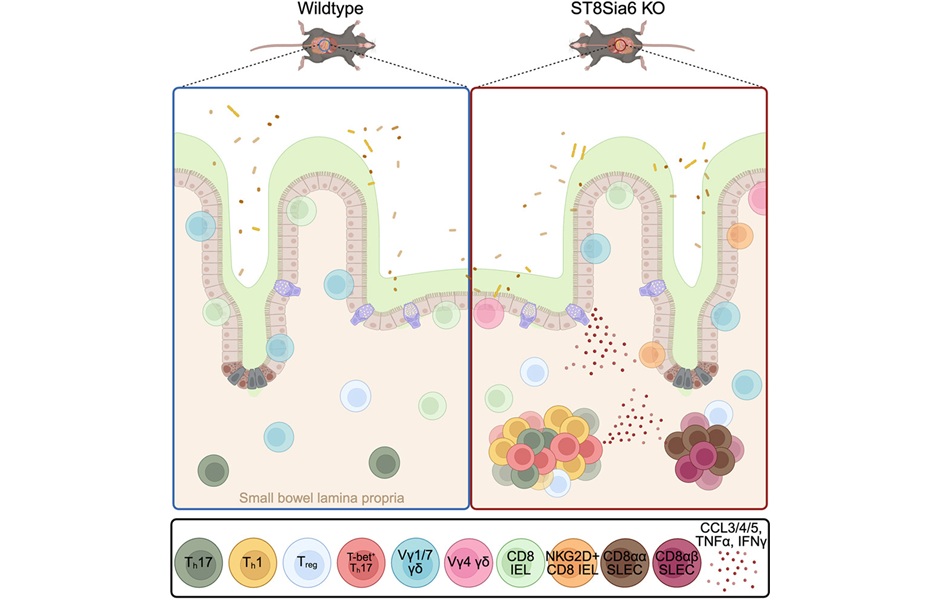
Microbiology
view channel
New Culture Medium Speeds C. difficile Resistance Detection and Reduces Costs
Clostridioides difficile infections remain a persistent threat in hospitals and communities, affecting about 500,000 people in the United States each year. Severe cases can be fatal within 30 days of diagnosis,... Read more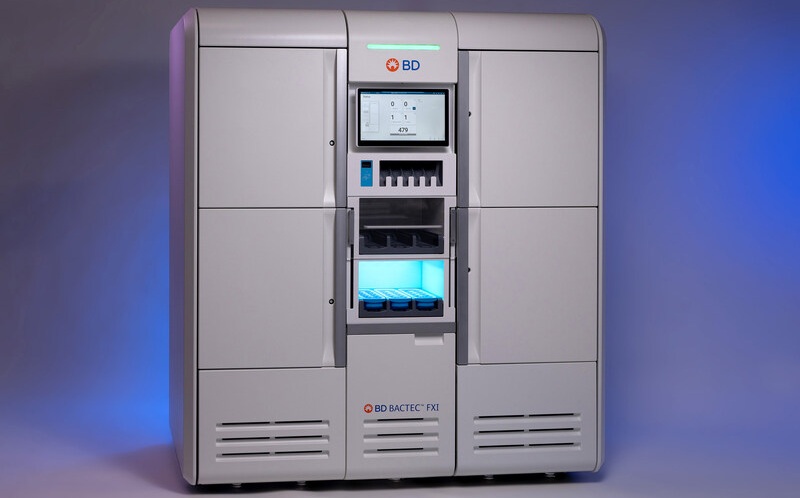
Automated Blood Culture System Speeds Detection of Bloodstream Infections
Bloodstream infections and sepsis require rapid laboratory detection to guide targeted antimicrobial therapy and reduce mortality. Conventional blood culture workflows can delay actionable results by critical... Read more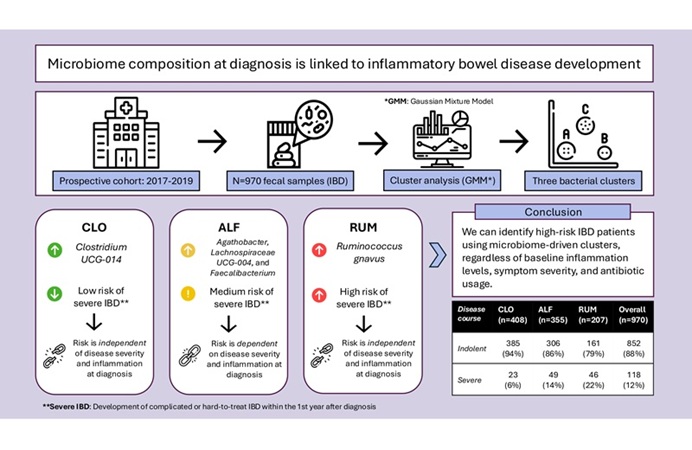
Technology
view channel
AI Platform Links Biomarker Results to Cancer Clinical Trials and Guidelines
Oncology teams must manage growing volumes of genomic data, rapidly evolving clinical trial options, and frequently updated care guidelines, all within tight clinic schedules. Translating complex tumor... Read more
Agentic AI Platform Supports Genomic Decision-Making in Oncology
Oncology care teams increasingly face the challenge of managing complex molecular diagnostics, evolving treatment options, and extensive electronic health record documentation. Translating multimodal data... Read more

Industry
view channel
Collaboration Advances ctDNA-Guided Development in Metastatic Colorectal Cancer
Natera, Inc. (Austin, TX, USA) and CytoDyn Inc. (Vancouver, WA, USA) announced a strategic collaboration focused on metastatic colorectal cancer (mCRC). Under the agreement, Natera will evaluate circulating... Read more