Microfluidic Silicon Probe Accurately Stains Tissue Sections
|
By LabMedica International staff writers Posted on 24 Jan 2012 |


|

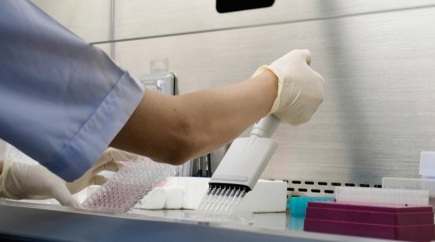
Image: The probe consists of a silicon microfluidic head having two microchannels. Unlike an inkjet printer cartridge, the head reaspirates the liquid that it injects on a surface. This prevents spreading and accumulation of the liquid on the surface, which can lead to overexposure (Photo courtesy of IBM).
A flexible, noncontact microfluidic probe made from silicon can help pathologists to investigate critical tissue samples for disease diagnostics.
The microfluidic probe can accurately stain tissue sections at the micrometer scale. It consists of a silicon microfluidic head having two microchannels. Unlike an inkjet printer cartridge, the head reaspirates the liquid that it injects on a surface. This prevents spreading and accumulation of the liquid on the surface, which can lead to overexposure.
Specifically for tissue section analysis, the probe can deliver an antibody very locally in a selected area of a tissue section with pinpoint accuracy. Since analysis can be done on spots and lines instead of on the entire tissue section, the tissue is better preserved for additional tests, if required. In addition, only a few picoliters of liquid containing antibodies are needed for each analysis spot.
IBM (Zurich, Switzerland) scientists developed the microfluidic probe, which fits to standard workflows in conventional pathology. In addition, it is compatible with current biochemical staining systems and resistant to a broad range of chemicals. The small size of the probe also enables easy viewing of the sample from above and below by the inverted microscope commonly used in clinical laboratories.
"We have developed a proof-of-concept technology, which I hope puts pathology on a modern roadmap—benefiting from the latest developments in silicon-based microfluidics," said Govind Kaigala, a scientist at IBM Research-Zurich. He added, "This new approach will enable pathologists to stain tissue samples with micrometer precision and easily perform multiple tissue stains on limited samples."
IBM scientists will continue to test and improve the microfluidic probe and potentially begin using it in laboratory environments in the next several months. In addition, the team plans to explore specific clinical applications, possibly with partners in the field of pathology. The microfluidic probe promises to support the work of pathologists and become a tool of choice for pharmaceutical research and diagnostics involving biological specimens.
Related Links:
IBM Research, Zurich




The microfluidic probe can accurately stain tissue sections at the micrometer scale. It consists of a silicon microfluidic head having two microchannels. Unlike an inkjet printer cartridge, the head reaspirates the liquid that it injects on a surface. This prevents spreading and accumulation of the liquid on the surface, which can lead to overexposure.
Specifically for tissue section analysis, the probe can deliver an antibody very locally in a selected area of a tissue section with pinpoint accuracy. Since analysis can be done on spots and lines instead of on the entire tissue section, the tissue is better preserved for additional tests, if required. In addition, only a few picoliters of liquid containing antibodies are needed for each analysis spot.
IBM (Zurich, Switzerland) scientists developed the microfluidic probe, which fits to standard workflows in conventional pathology. In addition, it is compatible with current biochemical staining systems and resistant to a broad range of chemicals. The small size of the probe also enables easy viewing of the sample from above and below by the inverted microscope commonly used in clinical laboratories.
"We have developed a proof-of-concept technology, which I hope puts pathology on a modern roadmap—benefiting from the latest developments in silicon-based microfluidics," said Govind Kaigala, a scientist at IBM Research-Zurich. He added, "This new approach will enable pathologists to stain tissue samples with micrometer precision and easily perform multiple tissue stains on limited samples."
IBM scientists will continue to test and improve the microfluidic probe and potentially begin using it in laboratory environments in the next several months. In addition, the team plans to explore specific clinical applications, possibly with partners in the field of pathology. The microfluidic probe promises to support the work of pathologists and become a tool of choice for pharmaceutical research and diagnostics involving biological specimens.
Related Links:
IBM Research, Zurich

Gold Member
Automatic Hematology Analyzer
CF9600
Multi-Chamber Washer-Disinfector
WD 390
HPV Molecular Test
BD Onclarity HPV Assay
Latest Pathology News
- 3D Spatial Multi-Omics Maps Intra-Tumor Diversity in Colorectal Cancer
- Blood-Based Method Tracks Gene Activity in the Living Brain
- FDA Approval Expands Automated PD-L1 Testing Across Solid Tumors
- AI-Powered Atlas Maps Immune Structures Linked to Cancer Outcomes
- AI Tool Extracts Immune Signals from Biopsy to Inform Myeloma Therapy
- Rapid AI Tool Predicts Cancer Spatial Gene Expression from Pathology Images
- AI Pathology Test Receives FDA Breakthrough for Bladder Cancer Risk Stratification
- FDA Clears AI Digital Pathology Tool for Breast Cancer Risk Stratification
- New AI Tool Reveals Hidden Genetic Signals in Routine H&E Slides
- AI System Analyzes Routine Pathology Slides to Predict Cancer Outcomes
- New Tissue Mapping Approach Identifies High-Risk Form of Diabetic Kidney Disease
- Multimodal AI Tool Predicts Genetic Alterations to Guide Breast Cancer Treatment
- Interpretable AI Reveals Hidden Cellular Features from Microscopy Images
- Tumor Immune Structure Predicts Response to Immunotherapy in Melanoma
- Plug-and-Play AI Pathology System Classifies Multiple Cancers from Few Slides
- AI-Based Assays Support Risk Stratification in Prostate and Breast Cancer
Channels
Clinical Chemistry
view channel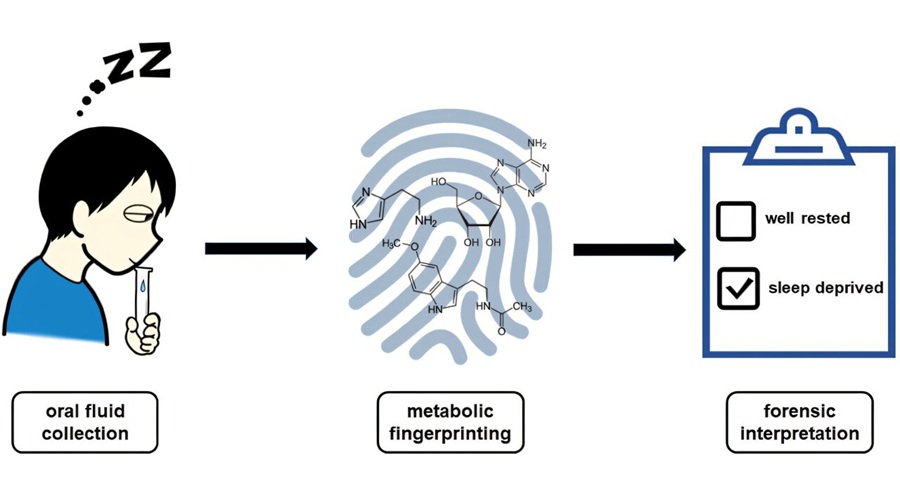
Saliva-Based Test Detects Biochemical Signs of Sleep Loss
Acute sleep loss impairs cognition and motor skills, raising safety risks that resemble alcohol intoxication. Clinicians currently lack an objective biochemical test to determine when someone is dangerously... Read more
Simple Dual-Tau Blood Test Detects and Stages Alzheimer’s Disease
Alzheimer’s disease is typically confirmed and staged with positron emission tomography scans and cerebrospinal fluid testing, procedures that are costly and invasive. Broader access to minimally invasive... Read more
Alzheimer’s Blood Biomarkers Linked to Early Cognitive Differences Before Dementia
Blood-based screening for Alzheimer’s disease offers a noninvasive, lower-cost alternative to brain imaging or spinal fluid testing, yet its ability to flag the earliest cognitive changes has been unclear.... Read more
Molecular Diagnostics
view channel
New PCR Assay Supports Bundibugyo Ebola Outbreak Surveillance
Rapid identification of Ebola infections is essential to limit transmission and guide public health response, yet detection can be difficult when outbreaks involve rare variants. The current outbreaks... Read more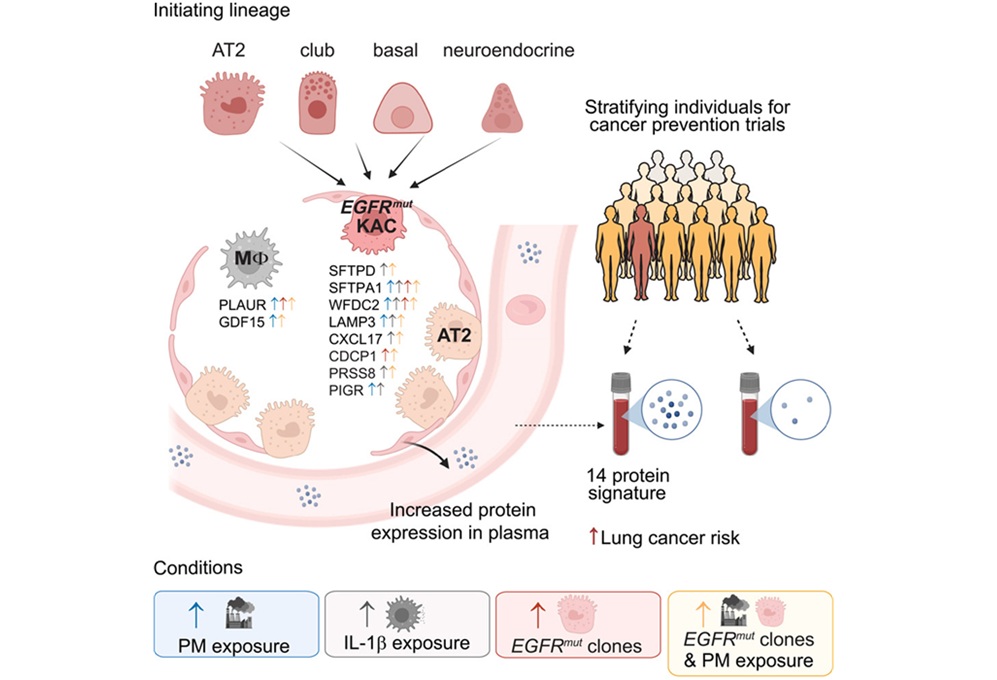
Plasma Protein Signature Predicts Lung Cancer Risk Up to Five Years Ahead
Lung cancer remains a leading cause of cancer death, and many cases are detected only after symptoms appear. Current screening programs largely target people with a history of smoking, leaving other at-risk... Read more

Hematology
view channel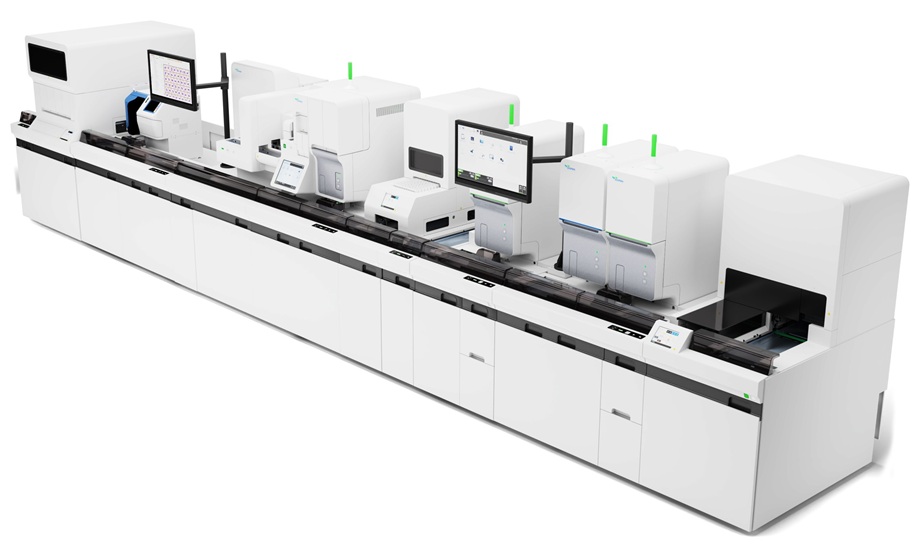
Next-Generation Hematology Platform Streamlines High-Complexity Lab Workflows
Sysmex America (Chicago, IL, USA) has introduced the next generation XR-Series, centered on the XR-10 Automated Hematology Module for high-complexity laboratories. The platform builds on the widely used... Read more
Blood Eosinophil Count May Predict Cancer Immunotherapy Response and Toxicity
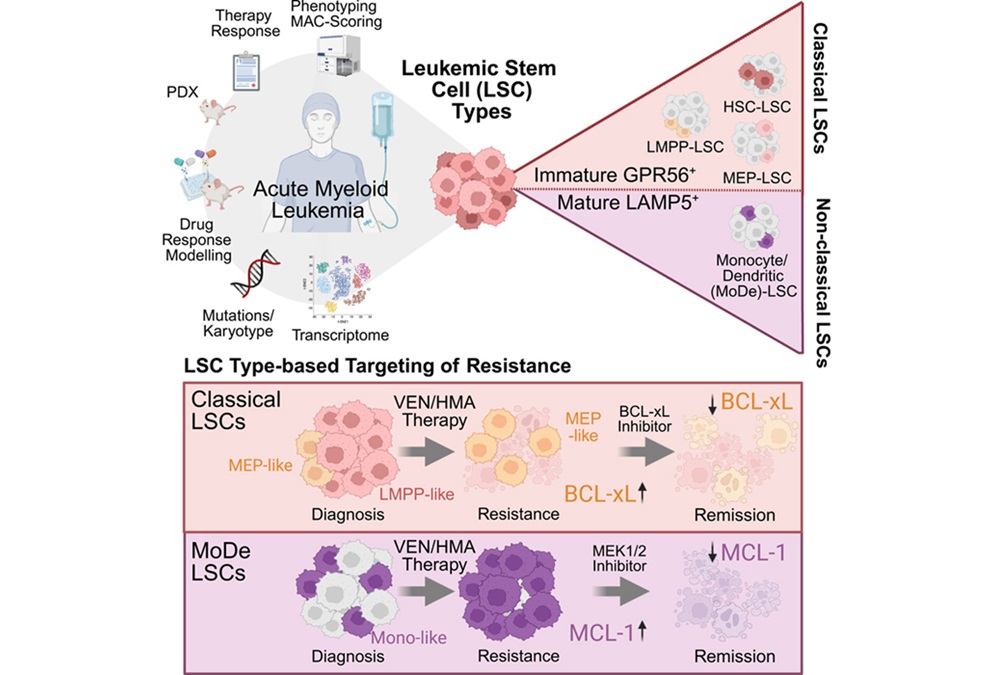
Immune checkpoint inhibitors have improved outcomes across many cancers, yet only a subset of patients derive durable benefit and biomarkers to guide treatment remain limited. Eosinophils, best known for... Read more
Immunology
view channel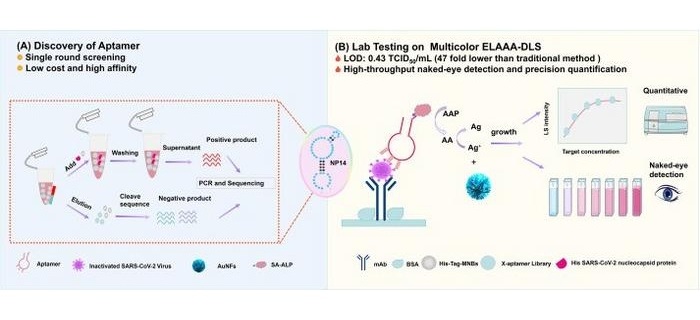
Aptamer-Based Biosensor Enables Mutation-Resilient SARS-CoV-2 Detection
Rapid evolution of severe acute respiratory syndrome coronavirus 2 (SARS-CoV-2) can undermine existing molecular diagnostics, especially when assays target small viral components. Double-antibody sandwich... Read more
Study Points to Autoimmune Pathway Behind Long COVID Symptoms
Long COVID leaves many SARS-CoV-2 survivors with persistent fatigue, cognitive issues, palpitations, and musculoskeletal pain for months or years. Estimates cited in new research suggest 4%–20% of infected... Read more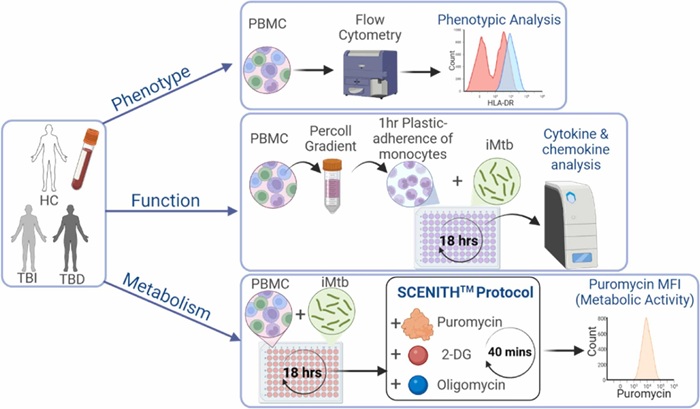
Metabolic Biomarker Distinguishes Latent from Active Tuberculosis and Tracks Treatment Response
Tuberculosis (TB) remains the world’s leading infectious killer, with 10.8 million cases and 1.25 million deaths recorded globally in 2023. Yet many infected individuals never develop active disease, underscoring... Read more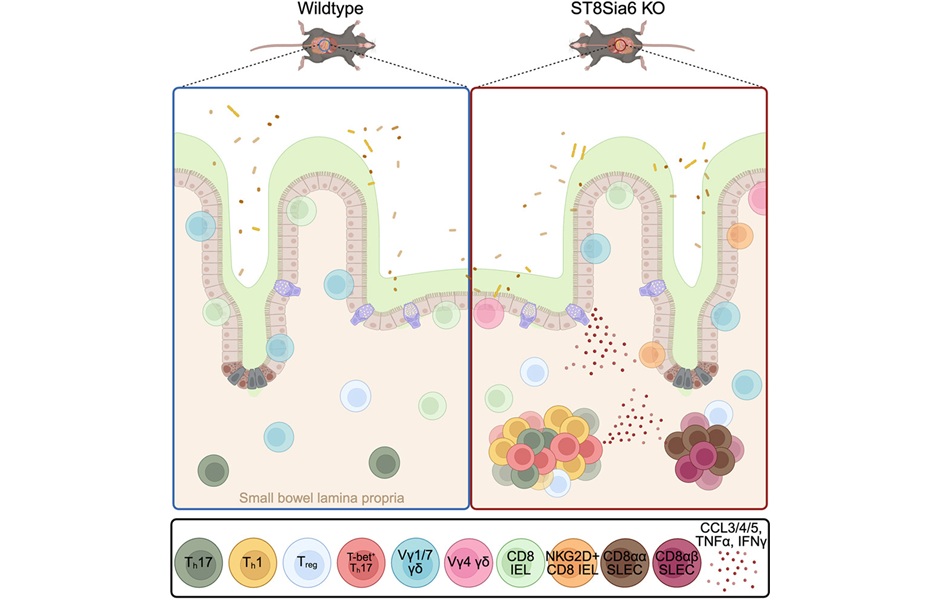
Microbiology
view channel
New Culture Medium Speeds C. difficile Resistance Detection and Reduces Costs
Clostridioides difficile infections remain a persistent threat in hospitals and communities, affecting about 500,000 people in the United States each year. Severe cases can be fatal within 30 days of diagnosis,... Read more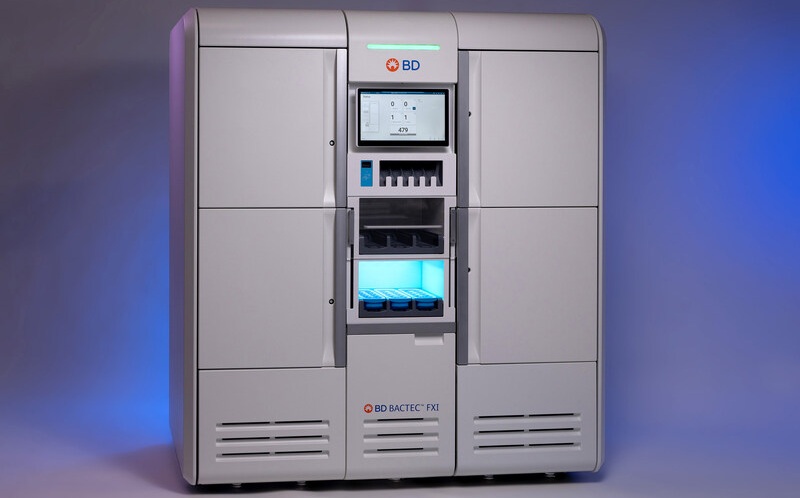
Automated Blood Culture System Speeds Detection of Bloodstream Infections
Bloodstream infections and sepsis require rapid laboratory detection to guide targeted antimicrobial therapy and reduce mortality. Conventional blood culture workflows can delay actionable results by critical... Read more
Technology
view channel
AI Platform Links Biomarker Results to Cancer Clinical Trials and Guidelines
Oncology teams must manage growing volumes of genomic data, rapidly evolving clinical trial options, and frequently updated care guidelines, all within tight clinic schedules. Translating complex tumor... Read more
Agentic AI Platform Supports Genomic Decision-Making in Oncology
Oncology care teams increasingly face the challenge of managing complex molecular diagnostics, evolving treatment options, and extensive electronic health record documentation. Translating multimodal data... Read more

Industry
view channel
Collaboration Advances ctDNA-Guided Development in Metastatic Colorectal Cancer
Natera, Inc. (Austin, TX, USA) and CytoDyn Inc. (Vancouver, WA, USA) announced a strategic collaboration focused on metastatic colorectal cancer (mCRC). Under the agreement, Natera will evaluate circulating... Read more