Qiagen Launches Higher-Capacity QIAstat-Dx Rise and Enhanced Panels
|
By LabMedica International staff writers Posted on 17 May 2022 |


|

QIAGEN N.V. (Venlo, Netherlands) has launched QIAstat-Dx Rise - a high-capacity version of the QIAstat-Dx automated syndromic system - and introduced enhancements to the menu of tests for the fully integrated one-step molecular testing solution that provides results in about one hour.
The launch of QIAstat-Dx Rise comes after the award of European CE-marking that significantly expands QIAGEN’s offering in syndromic testing, which is becoming an increasingly important tool in laboratories settings to test simultaneously for multiple pathogens from one sample. QIAstat-Dx Rise and its test cartridges are a closed system for hands-off sample preparation and processing. With a random access capacity of up to 18 different tests, it can provide diagnostic results for up to 56 tests in an eight-hour shift and 160 tests per day by using eight analytical modules. Building on the existing QIAstat-Dx Analyzer with up to four analytical modules, QIAstat-Dx Rise is a flexible new option for increased testing capacity.
Among other developments in the QIAstat-Dx portfolio, the CE-marked QIAstat-Dx Respiratory SARS-CoV-2 Panel has been expanded to test for an additional target, Chlamydophila pneumoniae, a bacteria that is cause of respiratory infections that can present with influenza-like symptoms. This panel can now be used to detect and differentiate among 23 viral and bacterial targets that cause respiratory infections. While C. pneumoniae typically causes mild illness, it can cause severe outcomes in high-risk populations, particularly older adults.
The CE-marked QIAstat-Dx Gastrointestinal Panel 2 has also been updated with new features for improved sample preparation and panel performance. This panel can be used to detect and differentiate among 22 viral, bacterial and parasitic targets that cause gastrointestinal infections. Importantly, the panel’s STEC target (Shiga-like toxin E.coli) reports the toxin content (stx1 and stx2). This information can be used to determine the risk of certain patient populations to Hemolytic Uremic Syndrome (HUS) and therefore can help provide the right patient monitoring.
QIAGEN has also released a software upgrade for QIAstat-Dx Analyzer that enhances the system’s cybersecurity, usability and connectivity features. The release of software version 1.5.1 enables users to configure their devices to perform mandatory External Quality Control tests. The new software adds to the QIAsphere cloud-based connectivity solution that enhances QIAstat-Dx capabilities in digital diagnostics.
“The launch of QIAstat-Dx Rise syndromic testing platform provides automated, comprehensive pathogen testing for higher-demand medical institutions,” said Jean-Pascal Viola, Senior Vice President, Head of the Molecular Diagnostics Business Area at QIAGEN. “Crucially, QIAstat-Dx Rise is compatible with our updated QIAstat-Dx Respiratory SARS-CoV-2 Panel, the QIAstat-Dx Gastrointestinal Panel 2, as well as all of our future assays.”
Related Links:
QIAGEN N.V.








Latest Molecular Diagnostics News
- Liquid Biopsy Shows Promise for Detecting and Monitoring Malignant Nerve Sheath Tumors
- Blood-Based MRD Test Predicts Recurrence Risk After Lung Cancer Surgery
- Electronic Genome Mapping Reveals Structural Abnormalities in Hematologic Malignancies
- Rare Genetic Variant Linked to Dramatically Higher Lung Cancer Risk
- Multiomic Blood Test Supports Noninvasive Monitoring and Subtyping in Pancreatic Cancer
- Rapid CRISPR Test Identifies Nontuberculous Mycobacteria Species from Respiratory Samples
- FDA Clears Compact Molecular COVID Test for Decentralized Care Settings
- Blood-Based DNA Analysis Method Detects Early-Stage Solid Cancers
- Combined Blood and Genetic Tests Estimate Timing of Alzheimer’s Symptom Onset
- Blood Protein Analysis Helps Interpret Uncertain Rare Disease Variants
- 40-Gene Test Validated for High-Risk Squamous Cell Carcinoma
- Blood Test Helps Clarify Prostate Cancer Risk After Elevated PSA
- Common Genetic Marker Predicts Faster Motor Decline in Parkinson’s Disease
- DPYD Genotyping Assay Supports Safer Fluoropyrimidine Chemotherapy Dosing
- Secure Cloud-Connected qPCR System Enables Remote Infectious Disease Surveillance
- Project to Develop Maternal Blood Test for Rapid Fetal Oxygen Deprivation Detection
Channels
Clinical Chemistry
view channel
First-of-Its-Kind Rapid Blood Test Gains CE Mark to Support Prehospital Stroke Triage
Rapid stroke identification before hospital arrival is critical because treatment efficacy declines with every minute of delay. However, definitive assessment typically requires hospital-based imaging,... Read more
Multi-Cancer Blood Test Expands Detection to Cancers Lacking Routine Screening Options
Many lethal cancers lack routine screening and are often diagnosed only after symptoms emerge, limiting curative options. Standard programs in the United States cover a small subset of malignancies, leaving... Read more
Blood Test Could Guide Drug Selection to Prevent Repeat Heart Attacks and Strokes
Secondary prevention after myocardial infarction or stroke relies on antiplatelet therapy, yet responses vary widely and both recurrent thrombosis and bleeding remain persistent risks. In the United Kingdom,... Read more
Hematology
view channel
New Donor Genetic Marker May Help Predict Stem Cell Transplant Success
Donor selection for hematopoietic stem cell transplantation plays a major role in relapse risk and survival for patients with blood cancers and other blood disorders. Despite advances in genotyping, uncertainty... Read more
Updated Ferritin Thresholds Improve Detection of Iron Deficiency
Iron deficiency is one of the most common health conditions worldwide, yet its nonspecific symptoms can delay diagnosis for months. Variation in testing practices and ferritin thresholds may contribute... Read more

Immunology
view channel
Werfen Expands Automated APS Testing with FDA-Cleared and CE-Marked IgA Reagent
Antiphospholipid syndrome (APS) is an autoimmune disorder associated with thrombosis and pregnancy complications, but its symptoms can overlap with those of other conditions, complicating diagnosis.... Read more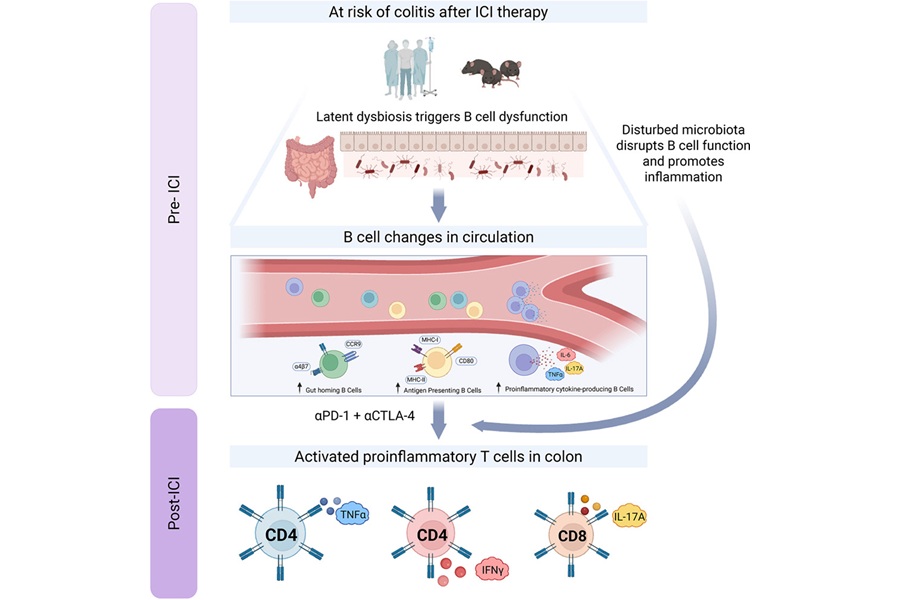
Blood Biomarker May Predict Colitis Risk in Checkpoint Inhibitor Therapy
Immune checkpoint inhibitors can trigger immune-related colitis that leads to severe diarrhea, abdominal pain, and treatment interruptions. Clinicians currently lack validated tools to identify which patients... Read more
Blood EBV Activity Biomarkers May Predict Multiple Sclerosis Relapse Months Ahead
Predicting relapse in multiple sclerosis (MS) remains difficult, limiting opportunities for timely intervention and monitoring. Although many people harbor latent Epstein-Barr virus (EBV), growing evidence... Read more
Microbiology
view channel
Collaboration Targets Blood-Based Ebola Detection Outside Central Laboratories
Co-Diagnostics, Inc. (Salt Lake City, UT, USA) and ReadyGo Diagnostics Ltd. (Bath, UK) have initiated a collaboration to evaluate ReadyGo’s GoCollect with the Co-Dx PCR platform for blood-based molecular... Read more
Study Finds Frequent Overlap in Antibodies to Lyme and Other Tick-Borne Pathogens
Lyme disease and other tick-borne illnesses cause overlapping symptoms, making them difficult to distinguish clinically. The Centers for Disease Control and Prevention estimates that more than 476,000... Read more

Pathology
view channel
Tumor Blood Vessel Features May Help Predict Colorectal Cancer Survival
Colorectal cancer outcomes vary widely, and tumor biology remains a key determinant of prognosis. Because neoplasms depend on a vascular supply, differences in intratumoral vessels may influence survival.... Read more
Multimodal AI Improves Breast Cancer Recurrence Risk Prediction Beyond Standard Genomic Testing
Predicting which patients with early-stage breast cancer will develop distant recurrence remains difficult, complicating decisions about long-term therapy and surveillance. Widely used genomic assays are... Read more
Machine Learning Cytology Tool Improves Cancer Cell Identification
Cytological screening remains central to early cancer detection, but its accuracy depends heavily on expert interpretation of stained cells. Under conventional microscopy, malignant and reactive cells... Read more
Tumor Budding Grading May Predict Chemotherapy Benefit in Resected Lung Squamous Cancer
Outcomes after resection for lung squamous cell carcinoma (SqCC) vary substantially, and the uneven benefit of adjuvant chemotherapy complicates postsurgical treatment decisions. Pathologic markers that... Read moreTechnology
view channel
ADLM Calls for CLIA Updates to Support Safe AI Use in Laboratory Medicine
Clinical laboratories increasingly use artificial intelligence to verify, interpret, and report results, but safeguards under the Clinical Laboratory Improvement Amendments (CLIA) were designed in 1992.... Read more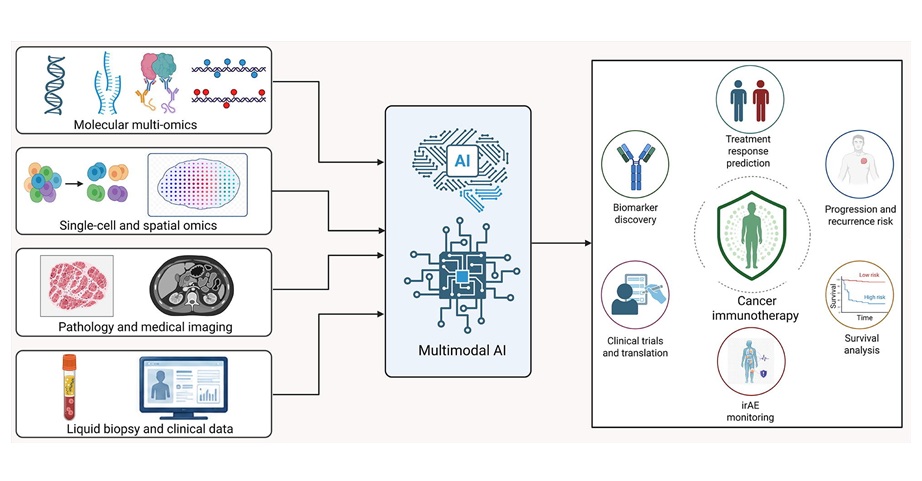
Multimodal AI Framework Aims to Guide Cancer Immunotherapy Decisions
Cancer immunotherapy has reshaped oncology, but heterogeneous responses and immune-related toxicities continue to complicate routine decision-making. Standard biomarkers, including programmed death-ligand... Read more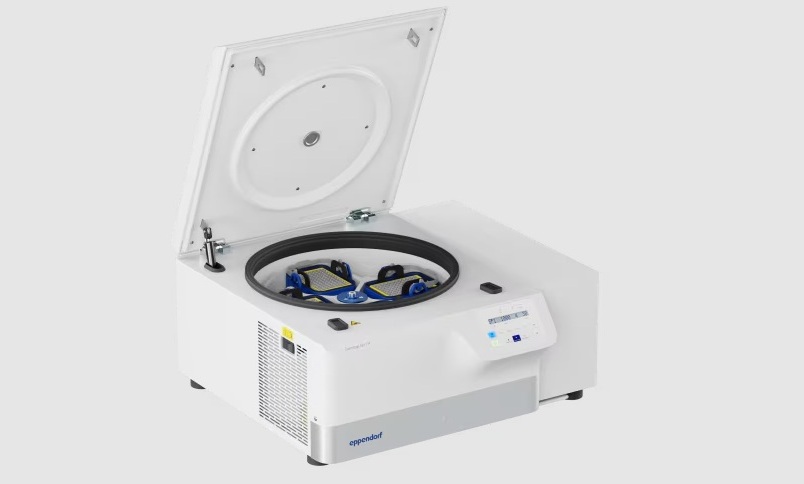
New Multipurpose Centrifuge Combines High Capacity with Sustainable Cooling
Laboratories often need centrifugation that accommodates multiple vessel formats while maintaining controlled temperatures to protect sensitive samples. Intuitive controls and repeatable operation can... Read more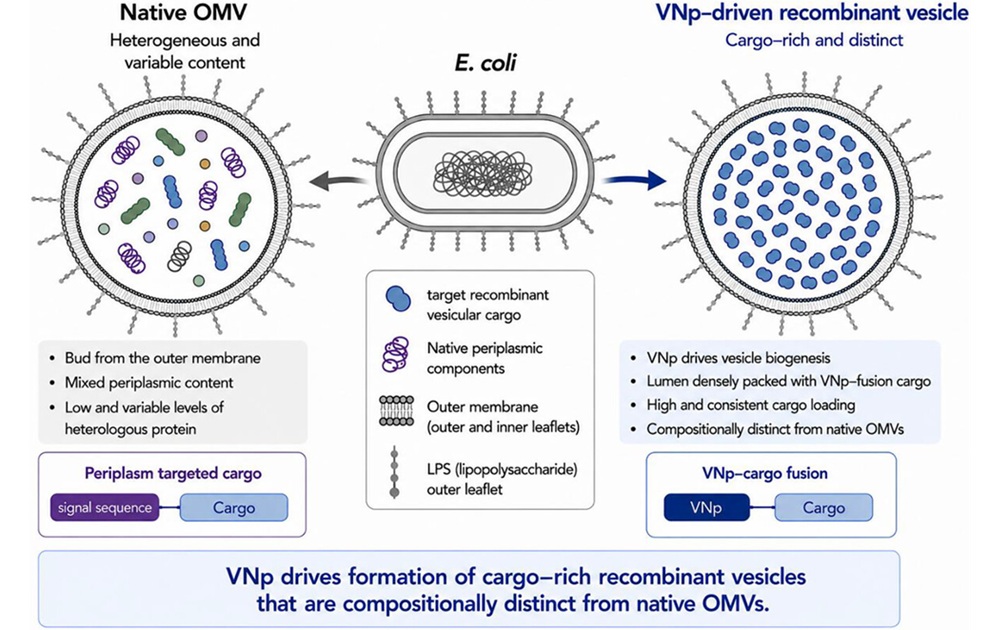
Bacterial Vesicle Expression System Streamlines Production of Cancer Diagnostic Proteins
Recombinant proteins are central to many cancer diagnostics and therapies, but numerous targets remain difficult and costly to produce because they are unstable, toxic to microbial hosts, or require precise folding.... Read moreIndustry
view channel
Siemens Healthineers and Novo Collaborate to Expand Access to Noninvasive Liver Testing
Metabolic dysfunction‑associated steatotic liver disease (MASLD) and its progressive form, metabolic dysfunction‑associated steatohepatitis (MASH), affect millions and are linked to obesity, type 2 diabetes,... Read more
Mayo Clinic and Thermo Fisher Launch Multi-Omics Venture to Identify Early Disease Signals
Many diseases begin developing years before symptoms emerge, making early detection difficult for healthcare systems and clinical laboratories. Linking molecular changes with longitudinal health data could... Read more
Sputum-Based Lung Cancer Test Technology Granted Hong Kong Patent
Asia accounts for nearly two-thirds of lung cancer cases worldwide, with an estimated 1.6 million new diagnoses across the region each year. Against this substantial disease burden, a newly granted patent... Read more