World's First Blood Test Distinguishes Between Benign and Cancerous Lung Nodules
Posted on 03 Feb 2026
Lung cancer remains the deadliest cancer in China, largely because many patients are diagnosed at an advanced stage when treatment options are limited. Early symptoms are often mild or absent, and while low-dose CT scans can detect lung nodules, they cannot determine whether these nodules are benign or malignant. As a result, patients often undergo repeated imaging follow-ups, and long-term compliance is low. Researchers have now developed a blood-based diagnostic approach that can accurately distinguish cancerous from non-cancerous lung nodules, even at very early stages.
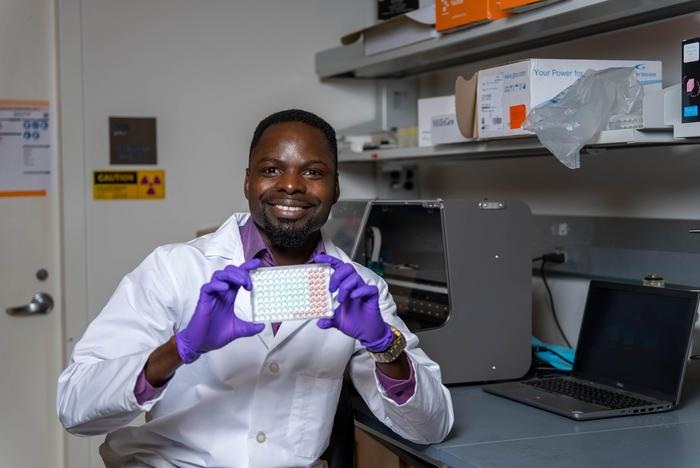
The diagnostic kit was developed by a research team at the Chinese Academy of Sciences’ Hangzhou Institute of Medicine (Zhejiang, China) who focused on tumor autoantibodies, immune signals that can appear in the bloodstream at very early stages of cancer development. Using synthetic biology and artificial intelligence, the researchers analyzed complex blood samples and screened more than 400 proteins associated with early-stage lung cancer.
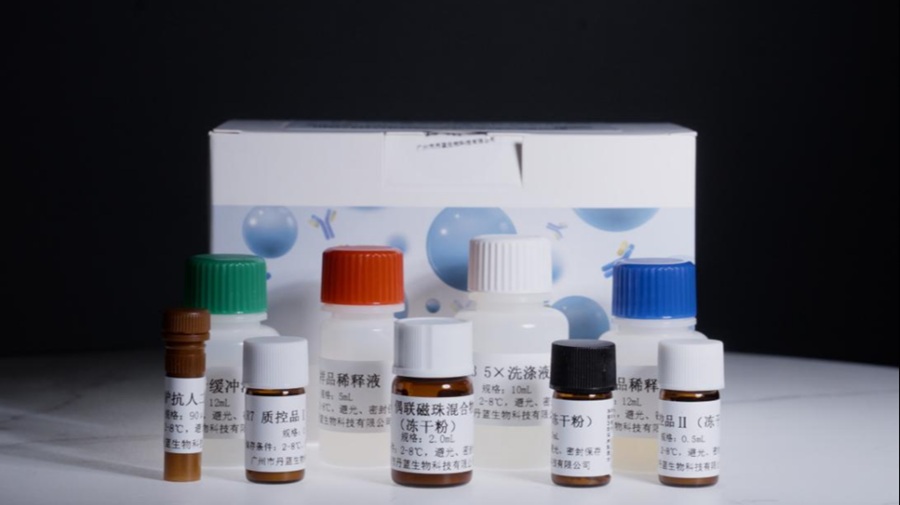
From this large panel, the researchers identified 13 key biomarkers that are most informative for diagnosis. Eight of the biomarker combinations were newly discovered and demonstrated significantly better performance than existing clinical standards. The team also addressed manufacturing challenges that have limited similar tests in the past by using customized protein tags and freeze-drying technology, extending the kit’s refrigerated shelf life to 12 months while ensuring consistent quality from domestically produced raw materials.
The diagnostic kit was evaluated in clinical trials conducted at major Chinese hospitals and included 1,463 patients with lung nodules, of whom 794 had lung cancer, including 462 early-stage cases. The test detected more than 65% of early-stage lung cancers overall and achieved diagnostic accuracy above 85% for small nodules that are difficult to assess using CT imaging alone.
The blood test requires only 2 milliliters of blood and costs approximately USD 144, avoiding the risks of invasive biopsies and reducing follow-up burdens for elderly or frail patients. By shifting lung cancer screening from imaging alone to molecular signals in blood, the approach could significantly improve early detection rates. The researchers plan to expand the test’s use to community clinics and health screening centers to enable broader access and earlier diagnosis nationwide.
"Distinguishing benign from malignant nodules is the key to achieving earlier lung cancer diagnosis and lowering mortality," said Professor Hu Hai, who leads the research team. "This marks a major step forward in early lung cancer diagnosis in China, shifting screening from relying on imaging alone to detecting molecular signals in the blood."
Related Links:
CAS Hangzhou Institute of Medicine