New Blood Test Could Detect Pancreatic Cancer at More Treatable Stage
Posted on 04 Feb 2026
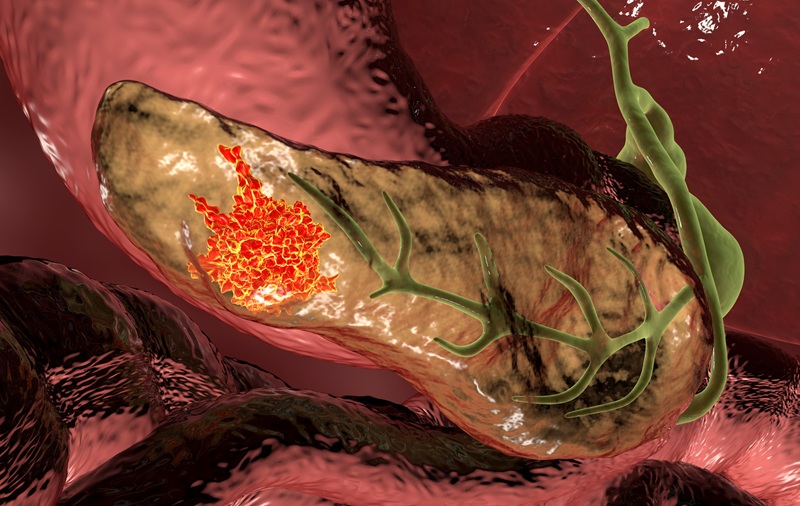
Pancreatic ductal adenocarcinoma is one of the deadliest cancers, with only about one in ten patients surviving more than five years after diagnosis. The disease is typically detected at advanced stages, when treatment options are limited and less effective. Despite the clear survival advantage of early detection, no reliable screening test currently exists. Researchers have now developed a blood-based test that significantly improves the ability to detect pancreatic cancer, including early-stage disease.
Researchers from the University of Pennsylvania Perelman School of Medicine (Philadelphia, PA, USA), in collaboration with Mayo Clinic (Rochester, MN, USA), used a phased biomarker discovery and validation approach, analyzing banked blood samples from patients with pancreatic cancer and from individuals without malignancy. Their goal was to identify circulating protein markers capable of distinguishing cancer from non-cancerous conditions.
The team evaluated two previously studied blood biomarkers, carbohydrate antigen 19-9 (CA19-9) and thrombospondin-2 (THBS2), both of which have known limitations as screening tools. CA19-9 can be elevated in benign conditions such as pancreatitis or bile duct obstruction and is not produced by all individuals due to genetic variation. To overcome these shortcomings, researchers sought additional biomarkers to enhance diagnostic accuracy.
Analysis of blood samples revealed two novel proteins—aminopeptidase N (ANPEP) and polymeric immunoglobulin receptor (PIGR)—that were significantly elevated in patients with early-stage pancreatic cancer compared with healthy controls. When combined with CA19-9 and THBS2, the resulting four-marker panel distinguished pancreatic cancer cases from non-cancer cases with 91.9% accuracy across all stages at a 5% false-positive rate. For early-stage disease (stage I/II), the test correctly identified 87.5% of cases.
Importantly, the four-marker test differentiated pancreatic cancer not only from healthy individuals but also from patients with non-cancerous pancreatic conditions such as pancreatitis. These findings, published in Clinical Cancer Research, suggest the panel could eventually serve as a screening tool for individuals at high risk, including those with a family history of pancreatic cancer, known genetic risk factors, or pancreatic cysts. The researchers emphasize that larger, pre-diagnostic studies are needed to confirm its effectiveness before symptoms develop.
“Our retrospective study findings warrant further testing in larger populations, particularly in people before they show symptoms,” said the study’s lead investigator, Kenneth Zaret, Ph.D.. “Such ‘prediagnostic’ studies would help determine if the test could be used as a screening tool for people at high risk of developing the disease based on family history, genetic screening results or personal history of pancreatic cysts or pancreatitis.”
Related Links:
Perelman School of Medicine
Mayo Clinic