BioMérieux’s New Automated Tests for Chikungunya Virus Diagnosis Offer Better Traceability
|
By LabMedica International staff writers Posted on 16 May 2022 |


|

Chikungunya virus (CHIKV) is transmitted to humans by certain mosquitoes. Due to the significant spread of these mosquitoes throughout the world, this infection which was originally present in only tropical regions, has now been described and can be acquired locally in many countries, including recently in temperate climates like North America and Europe. Now, new tests for the diagnosis of CHIKV infection aim to help improve access to medically important automated diagnostic tests in low- and middle-income countries.
bioMérieux (Marcy-l'Étoile, France) has launched the new CE-Marked VIDAS Anti-CHIKUNGUNYA IgM and Anti-CHIKUNGUNYA IgG automated tests intended as an aid in the diagnosis of CHIKV infection. These serological assays, as recommended by international guidelines, can detect Chikungunya infection during the acute phase and into the chronic phase. Their development has been based on methods and technologies from the Vaccine Research Center (VRC) of the National Institute of Allergy and Infectious Diseases (NIAID).
Used on the VIDAS family platforms, the VIDAS Anti- CHIKUNGUNYA IgM and IgG tests provide reliable results with better traceability than existing manual methods. Their performance and accuracy allow the differentiation of this diagnosis from other similar febrile syndromes caused by infections such as dengue or malaria. Based on single-sample testing and “Load & Go” concepts, the VIDAS Anti- CHIKUNGUNYA IgM and IgG are easy to use and accessible to all laboratories. Relying on bioMérieux’s expertise in infectious diseases, these serological assays enable clear-cut results with no equivocal zone and an objective interpretation.
“This new VIDAS CHIKUNGUNYA panel complements the VIDAS DENGUE solution launched last year,” said Pierre Boulud, Chief Operating Officer, Clinical Operations, bioMérieux. “Our offer of immunoassays directed against vector-borne diseases helps improve access to medically important automated diagnostic tests in low- and middle-income countries. The large VIDAS installed base in these countries allows fast and wide availability of these tests.”
Related Links:
bioMérieux







Latest Molecular Diagnostics News
- Blood Protein Analysis Helps Interpret Uncertain Rare Disease Variants
- 40-Gene Test Validated for High-Risk Squamous Cell Carcinoma
- Blood Test Helps Clarify Prostate Cancer Risk After Elevated PSA
- Common Genetic Marker Predicts Faster Motor Decline in Parkinson’s Disease
- DPYD Genotyping Assay Supports Safer Fluoropyrimidine Chemotherapy Dosing
- Secure Cloud-Connected qPCR System Enables Remote Infectious Disease Surveillance
- Project to Develop Maternal Blood Test for Rapid Fetal Oxygen Deprivation Detection
- WHO Emergency Listing Supports Rapid Molecular Testing for Ebola Outbreak Response
- FDA Clears Liquid Biopsy Test to Guide Earlier Breast Cancer Therapy Switch
- Automated System Streamlines DNA Recovery for MRD-Sensitive Testing
- New Liquid Biopsy Platform Uses Red Blood Cells to Detect Hidden Cancer Signals
- Urine Genomic Test Detects More Than Nine in Ten Suspected Bladder Cancers
- Liquid Biopsy Test Predicts Tissue of Origin in Cancer of Unknown Primary
- Study Identifies Genetic Marker Missing from Common Pharmacogenomic Panels
- Single-Tube CRISPR Test Detects Pathogens and Genetic Variants in 30 Minutes
- New Blood RNA Markers Help Advance Precision Medicine for Respiratory Patients
Channels
Clinical Chemistry
view channel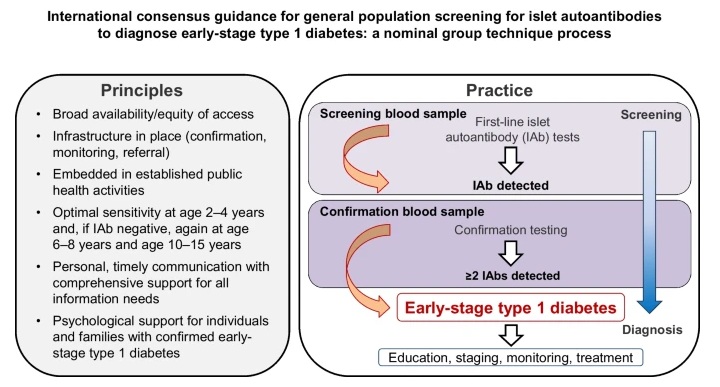
International Consensus Guidance Outlines General Population Screening for Early-Stage Type 1 Diabetes
Type 1 diabetes (T1D) is an autoimmune disease that can develop in childhood or adulthood and affects an estimated 9.5 million people worldwide. Its complications range from acute diabetic ketoacidosis... Read more
Algorithm Uses Blood Biomarkers to Improve Alzheimer’s Trial Screening
Alzheimer’s disease is a progressive neurodegenerative disorder that causes memory loss and functional decline. Screening cognitively healthy adults for prevention trials is slow and costly because many... Read more

Hematology
view channel
Borderline Anemia May Carry Higher Risk Than Current Thresholds Suggest
Hemoglobin concentration is among the most frequently ordered blood tests in primary and hospital care. In older adults, both high and low values have been linked to adverse outcomes, including cognitive... Read more
Biomarker-Guided Framework Aims to Guide Mantle Cell Lymphoma Therapy
Mantle cell lymphoma can follow widely variable courses, from indolent disease to rapidly progressive cancer, complicating initial treatment selection. Many therapeutic decisions still rely on patient... Read more
Immunology
view channel
New Cellular Map May Help Predict Crohn’s Disease Course in Children
Crohn’s disease in children is a common and debilitating form of inflammatory bowel disease, marked by chronic intestinal inflammation and limited pediatric-specific treatments. Clinicians must decide... Read more
Temporal Immune Profiling Reveals How Sepsis States Change Over Time
Sepsis is a life-threatening condition in which the immune response to infection becomes dysregulated, leading to rapid organ failure and death. Although antimicrobials and organ support remain standard... Read more
Study Identifies Immune Cells That Drive Harmful Autoantibody Responses in COVID-19
Autoantibodies that mistakenly attack the body’s own tissues have been linked to severe COVID-19, Long COVID, and increased risk of autoimmune disease. However, the origins of these autoantibodies during... Read more
Microbiology
view channel
Research Strengthens Bundibugyo Virus Outbreak Readiness with Faster Diagnostics
Bundibugyo virus (BDBV), a species of ebolavirus, causes severe hemorrhagic disease and can be difficult to diagnose rapidly during outbreaks. Recent regulatory changes have further complicated swift deployment... Read more
Gut Microbiome Classifier Improves Colorectal Cancer Risk Stratification
Colorectal cancer remains a leading cause of cancer mortality, and current noninvasive screening methods still miss many precancerous lesions. Clinicians therefore need tools that improve risk stratification... Read more

Pathology
view channel
AI Spatial Analysis of Routine Slides Helps Predict Pancreatic Cancer Recurrence
Predicting which patients with pancreatic cancer will recur after treatment and surgery remains challenging. Pathology evaluation typically measures residual tumor burden, but recent work found that tumor... Read more
Hybrid Computational Imaging Method Improves Digital Pathology Resolution
Digital pathology depends on high-resolution whole-slide imaging to capture diagnostically relevant cellular and tissue features, yet conventional methods often force trade-offs between speed, cost, and detail.... Read more
Technology
view channel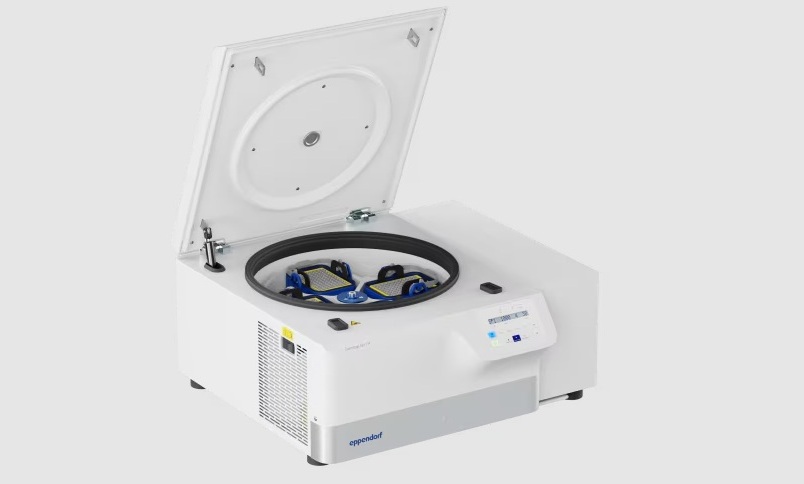
New Multipurpose Centrifuge Combines High Capacity with Sustainable Cooling
Laboratories often need centrifugation that accommodates multiple vessel formats while maintaining controlled temperatures to protect sensitive samples. Intuitive controls and repeatable operation can... Read more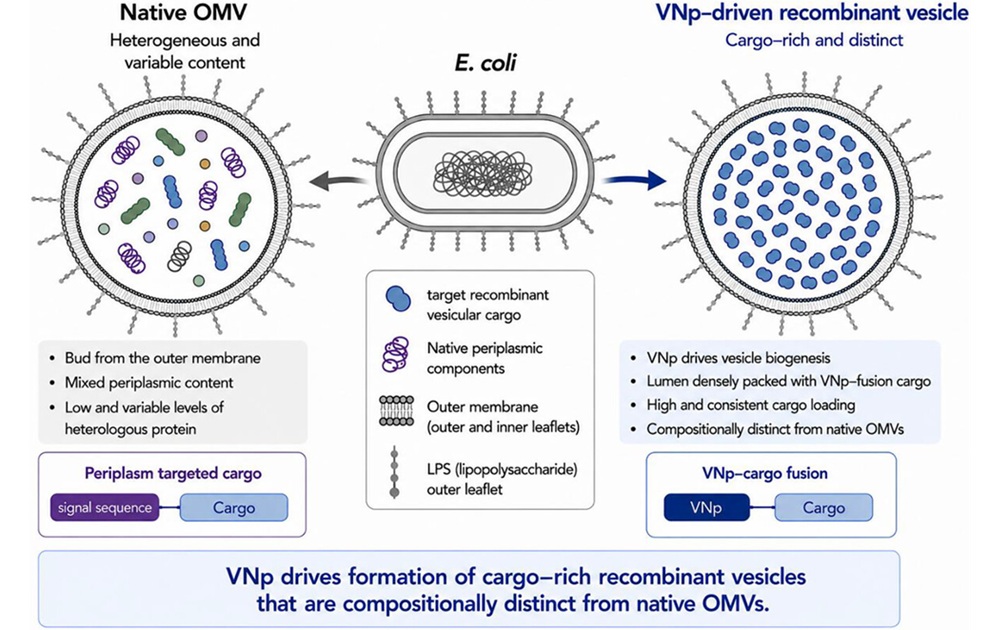
Bacterial Vesicle Expression System Streamlines Production of Cancer Diagnostic Proteins
Recombinant proteins are central to many cancer diagnostics and therapies, but numerous targets remain difficult and costly to produce because they are unstable, toxic to microbial hosts, or require precise folding.... Read more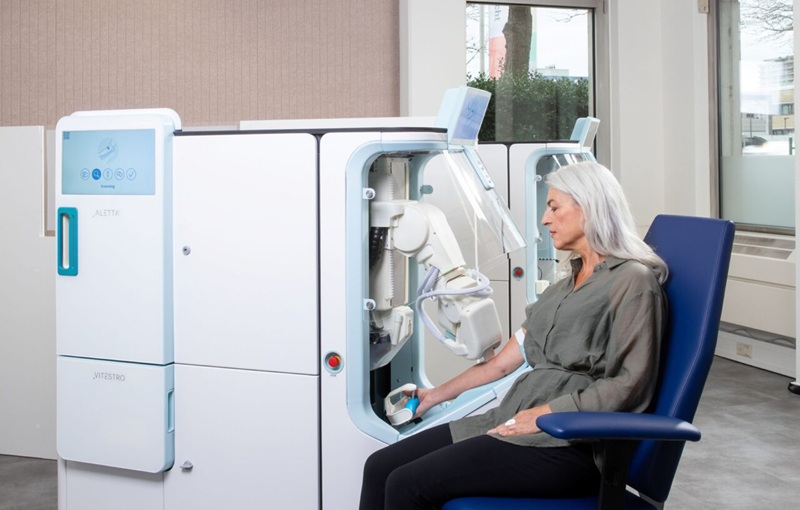
Industry
view channel
Sysmex and Cytek Collaboration Expands Access to Advanced Clinical Flow Cytometry
Sysmex Europe SE (Hamburg, Germany) and Cytek Biosciences (Fremont, CA, USA) are partnering across more than a dozen European countries to expand access to advanced clinical flow cytometry.... Read more