Meridian Acquires Euprotein to Further Expand Recombinant Protein Capabilities
|
By LabMedica International staff writers Posted on 03 May 2022 |


|

Meridian Bioscience, Inc. (Cincinnati, OH, USA) has acquired, through its subsidiary Meridian Life Science, Inc., substantially all of the assets of EUPROTEIN Inc. (North Brunswick Township, NJ, USA).
EUPROTEIN offers custom development and production of high-quality bioresearch reagents, with a particular focus on human and other mammalian proteins and recombinant monoclonal antibodies. The acquisition will help Meridian accelerate its pipeline of new immunological reagents while expanding recombinant capabilities.
"We are excited to welcome EUPROTEIN into the Meridian family," said Jack Kenny, Meridian Bioscience Chief Executive Officer. "We already extensively work with EUPROTEIN on projects with our Life Science R&D team, and they are well-positioned to help us accelerate our pipeline of new immunological reagents."
"The EUPROTEIN team is delighted to join Meridian," added Guangli Wang, Ph.D., Founder, and CEO of EUPROTEIN. "Combining our products and capabilities with Meridian's global reach and stellar reputation for providing the highest quality reagents furthers our vision of making a lasting impact on global healthcare."
Related Links:
Meridian Bioscience, Inc.
EUPROTEIN Inc.







Latest Industry News
- Regulatory Milestone Expands Access to Blood-Based Neurology Biomarker Testing in China
- Collaboration Advances Automated Benchtop Platform for Routine Blood Testing
- Expanded Partnership Supports AI Biomarker Validation and Clinical Trial Deployment
- Multi-Cancer Early Detection Test Wins FDA Panel Backing for Approval
- Mayo Clinic Laboratories and Pathology Asia Expand Genomic Testing Across Asia-Pacific
- Collaboration Combines AI Cognitive Assessment and RNA Blood Testing for Earlier Alzheimer’s Detection
- New UK Collaboration Expands Access to Integrated Alzheimer’s Diagnostic Testing
- Siemens Healthineers and Novo Collaborate to Expand Access to Noninvasive Liver Testing
- Mayo Clinic and Thermo Fisher Launch Multi-Omics Venture to Identify Early Disease Signals
- Sputum-Based Lung Cancer Test Technology Granted Hong Kong Patent
- Veracyte Acquisition Expands Urine-Based Bladder Cancer Monitoring Capabilities
- Unilabs Expands Digital Pathology Across European Network with Proscia Platform
- Digital Pathology Partnership Integrates Breast Cancer Diagnostic and Prognostic Tools
- MGI Launches Automated Multiplex Tissue Staining and Imaging System at ECP 2026
- Blood-Based Neurology Biomarker Assays Authorized for Use in Brazil
- Sepsis Diagnostics Market Growth Fueled by Faster Pathogen Detection Needs
Channels
Clinical Chemistry
view channel
Blood Biomarker Detects Alzheimer’s Changes Decades Before Symptoms in Down Syndrome
Alzheimer’s disease can begin altering the brain long before clinical symptoms appear, creating a challenge for early-stage detection and research. People with Down syndrome face a particularly high age-related... Read more
Study Questions Broad Fasting Requirements Before Routine Blood Tests
Routine blood testing is central to diagnosis, monitoring, and disease risk assessment. Many patients are still asked to fast for 8–12 hours before phlebotomy, even though the requirement was originally... Read more
Elevated Lipoprotein(a) Linked to Long-Term Progression of Carotid Atherosclerosis
Lipoprotein(a), or Lp(a), is a genetically determined blood lipid and an important risk factor for cardiovascular disease. Its relationship to long-term carotid atherosclerosis has remained unclear, particularly... Read more
Molecular Diagnostics
view channel
Genomic Screening Expands Detection of Treatable Conditions in Newborns
Conventional newborn screening can miss conditions that lack biochemical biomarkers or present atypically. Initial hearing screens may also fail to detect hearing loss that is later identified through... Read more
Age-Based Genetic Testing May Miss Most Inherited Cancer Risk Variants
Inherited cancer risk can influence diagnosis, treatment planning, and family screening, yet current testing practices often depend on a patient’s age at diagnosis. Many patients undergo germline genetic... Read more
New NGS Suite Expands Clonality and MRD Research in Lymphoid Malignancies
Lymphoid malignancies require molecular tools that can distinguish clonal immune receptor rearrangements and track disease-related sequences over time. As immune receptor measurable residual disease analysis... Read more
Tumor-Informed ctDNA Test Shows Utility Across Gastrointestinal and Gynecologic Cancers
Natera announced new data on Signatera, its tumor-informed circulating tumor DNA test, that were presented in four oral presentations at the 2026 American Society of Clinical Oncology (ASCO) Annual Meeting.... Read moreHematology
view channel
New Donor Genetic Marker May Help Predict Stem Cell Transplant Success
Donor selection for hematopoietic stem cell transplantation plays a major role in relapse risk and survival for patients with blood cancers and other blood disorders. Despite advances in genotyping, uncertainty... Read more
Updated Ferritin Thresholds Improve Detection of Iron Deficiency
Iron deficiency is one of the most common health conditions worldwide, yet its nonspecific symptoms can delay diagnosis for months. Variation in testing practices and ferritin thresholds may contribute... Read more
Immunology
view channel
Blood-Based Immune Signal Could Reveal Lung Cancer Risk Before Tumors Develop
Lung cancer remains difficult to detect before symptoms appear, when advanced disease is harder to treat. In the U.K., about 32,800 people die from lung cancer each year, and only 11.1% of those diagnosed... Read more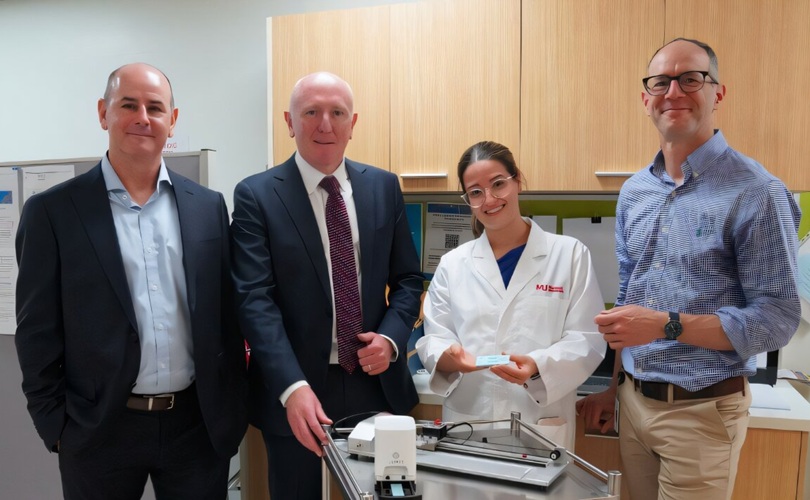
Prototype Point-of-Care Test Aims to Improve Neonatal Sepsis Diagnosis
Neonatal sepsis remains difficult to diagnose because early signs can resemble other newborn conditions. Diagnostic delays may increase the risk of complications, death, long-term adverse outcomes, and... Read more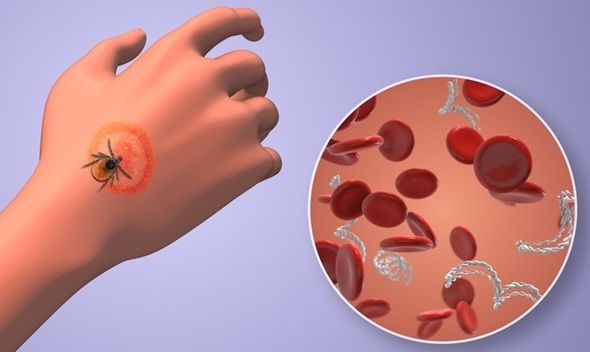

Microbiology
view channel
Rapid Urine Test Aids Diagnosis of Invasive Aspergillosis
Invasive aspergillosis is an uncommon mold infection in the general population but can pose serious risks for people with weakened immune defenses. Diagnosis can be difficult because existing approaches... Read more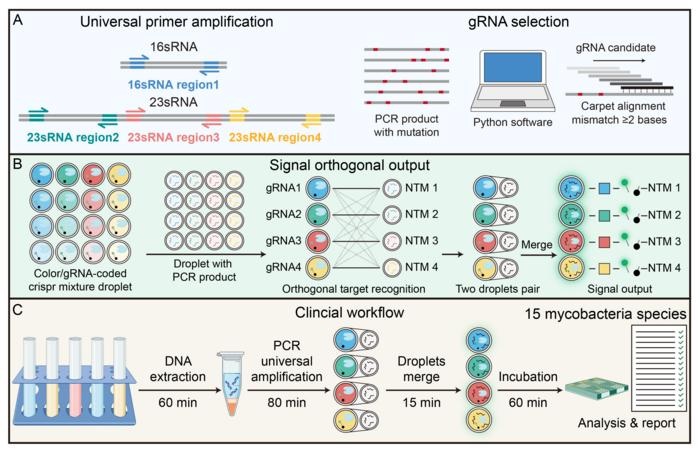
Nanodroplet CRISPR Technology Supports Rapid, Multiplexed Mycobacterial Identification
Mycobacterial infections are difficult to diagnose because closely related species can have different clinical and therapeutic implications. Nontuberculous mycobacteria (NTM) are increasingly recognized... Read more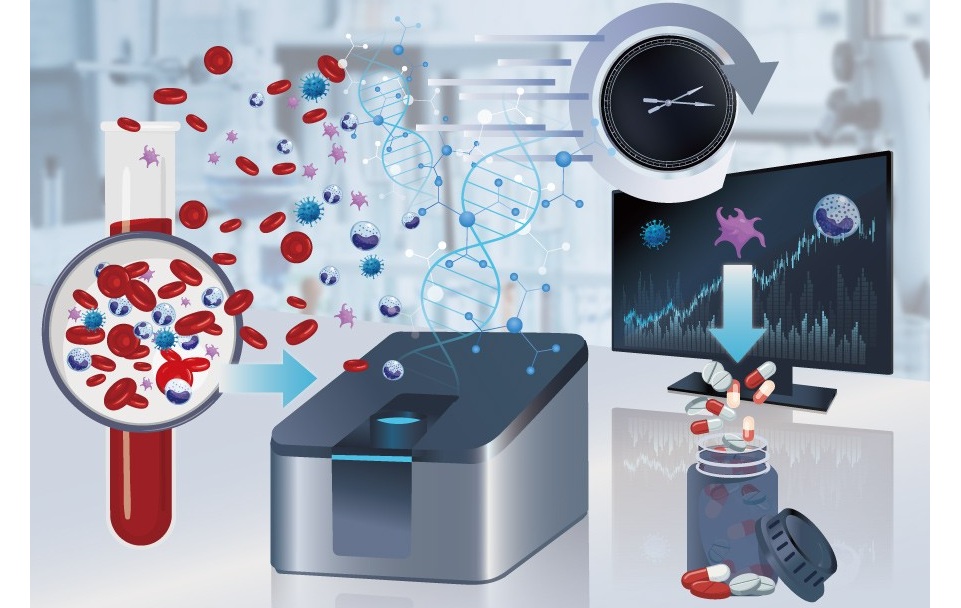
Genomic Workflow Identifies Fungal Pathogens Before Blood Cultures Turn Positive
Fungal bloodstream infections pose a major threat to hospitalized patients. Candida species cause most invasive fungal infections worldwide and are among the leading causes of hospital-acquired bloodstream... Read more
FDA-Cleared Multiplex PCR Test Detects 13 Respiratory Pathogens in a Single Sample
Respiratory tract infections can be difficult to distinguish at presentation because many cause overlapping, nonspecific symptoms and are initially grouped as influenza-like illnesses. Causes span a range... Read morePathology
view channel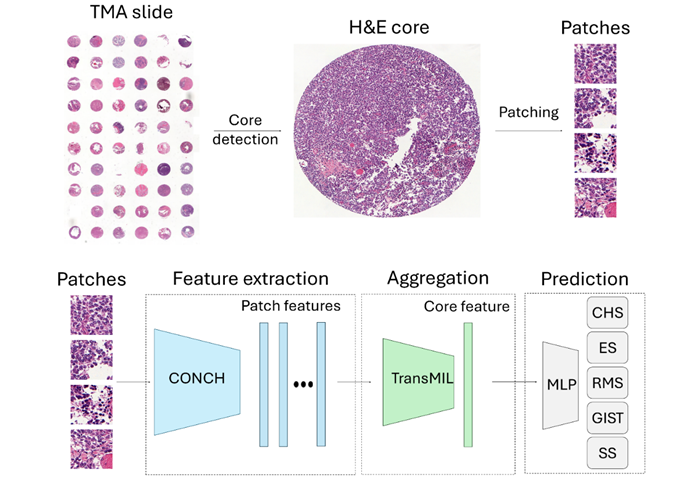
AI Histopathology Tool Distinguishes Ewing Sarcoma for Diagnosis
Ewing sarcoma is a rare malignant tumor that mainly affects children, adolescents, and young adults. It usually arises in bone but can also develop in soft tissue, where its microscopic appearance may... Read more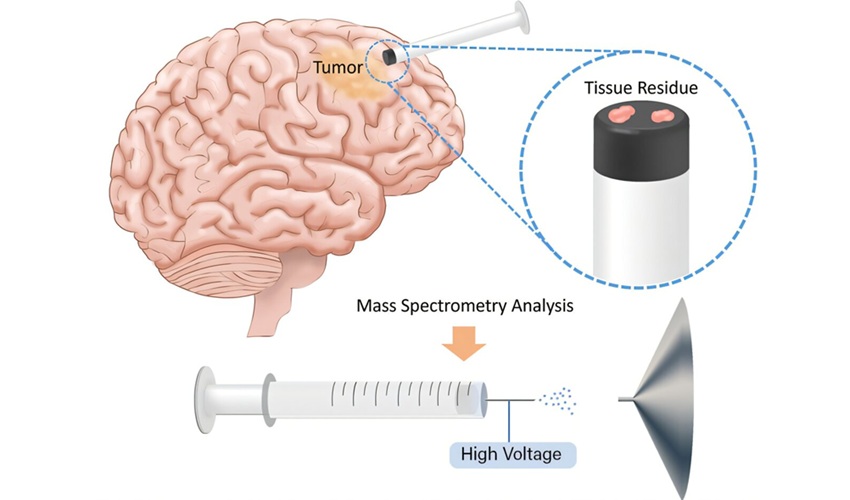
Rapid Mass Spectrometry Test May Aid Glioma Margin Decisions
Glioma brain tumors are highly infiltrative and can extend into nearby healthy brain tissue, making tumor margins difficult to define during surgery. Residual tumor cells may contribute to recurrence and... Read more
Genomic Classifier Predicts Benefit From Adding Hormone Therapy to Salvage Prostate Radiation
Men who have undergone prostatectomy for prostate cancer may later develop a detectable or rising prostate-specific antigen, prompting salvage radiation therapy. A key challenge is determining who is most... Read more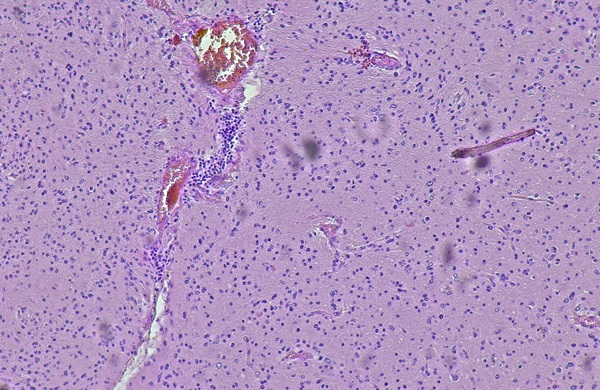
Technology
view channel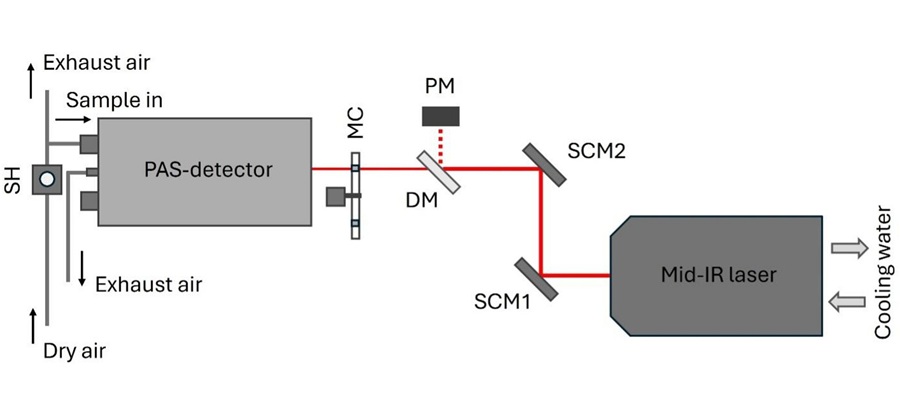
Laser-Based Swab Analysis Shows Promise for Detecting Disease-Linked Odor Patterns
Disease-related changes in volatile organic compounds can alter body odor, producing measurable patterns in exhaled breath and bodily fluids. Current analytical methods can be complex, time-consuming,... Read more