Diasorin Molecular’s New Multiplex COVID-19/Influenza Test Receives CE Mark
|
By LabMedica International staff writers Posted on 22 Sep 2021 |


|

Image
DiaSorin Molecular (Cypress, CA, USA) has CE marked its Simplexa COVID-19 & Flu A/B Direct kit.
The multiplex test allows for the in vitro qualitative detection and differentiation of nucleic acid from severe acute respiratory syndrome coronavirus 2 (SARS-CoV-2), influenza A virus and influenza B virus from the same patient sample in one reaction well. The assay is designed for use on the LIAISON MDX and is run directly from nasopharyngeal swabs (NPS) without the need for off board extraction.
The assay provides confidence in results through broad strain coverage. Over 80 influenza strains were validated including all of the strains in the CDC panels of the last three years. Emerging SARS-CoV-2 variants including the Alpha (B.1.1.7), Beta (B.1.351), Gamma (P.1), Delta (B.1.617.2), Epsilon (B.1.427/B.1.429), Zeta (P.2), Eta (B.1.525), Iota (B.1.526), Kappa (B.1.617.1), Lambda (C.37), and Mu (B.1.621) variants were also evaluated to ensure diagnostic coverage.
Flu was nearly nonexistent during the 2020/2021 season, which means that the normally high levels of immunity are much lower in the community, leading to the risk for a potentially high spread next season. The upcoming respiratory illness season will be complicated by the presence of SARS-CoV-2 also circulating in the community. The Simplexa COVID-19 & Flu A/B Direct kit provides the ability for laboratories to efficiently run a single, accurate test to detect the most likely causes of respiratory illness during this flu season. This is especially critical given the difficulty to identify the etiology of the infection based solely on a patient’s clinical presentation. Accurate diagnosis of the virus causing infection is critical for the management of therapeutic regimens along with infection control efforts.
"We are excited to expand our product offering with the launch of this combination kit for detection of SARS-CoV-2 and influenza that can help address concerns in anticipation of this upcoming flu season" said Michelle Tabb, chief scientific officer of DiaSorin Molecular. “We are committed to providing flexible testing options with the new combo kit in addition to our stand-alone COVID-19 assay as well as the triplex for Flu A, Flu B and RSV in order to meet laboratory's evolving needs as the world comes back to a new normal.”






The multiplex test allows for the in vitro qualitative detection and differentiation of nucleic acid from severe acute respiratory syndrome coronavirus 2 (SARS-CoV-2), influenza A virus and influenza B virus from the same patient sample in one reaction well. The assay is designed for use on the LIAISON MDX and is run directly from nasopharyngeal swabs (NPS) without the need for off board extraction.
The assay provides confidence in results through broad strain coverage. Over 80 influenza strains were validated including all of the strains in the CDC panels of the last three years. Emerging SARS-CoV-2 variants including the Alpha (B.1.1.7), Beta (B.1.351), Gamma (P.1), Delta (B.1.617.2), Epsilon (B.1.427/B.1.429), Zeta (P.2), Eta (B.1.525), Iota (B.1.526), Kappa (B.1.617.1), Lambda (C.37), and Mu (B.1.621) variants were also evaluated to ensure diagnostic coverage.
Flu was nearly nonexistent during the 2020/2021 season, which means that the normally high levels of immunity are much lower in the community, leading to the risk for a potentially high spread next season. The upcoming respiratory illness season will be complicated by the presence of SARS-CoV-2 also circulating in the community. The Simplexa COVID-19 & Flu A/B Direct kit provides the ability for laboratories to efficiently run a single, accurate test to detect the most likely causes of respiratory illness during this flu season. This is especially critical given the difficulty to identify the etiology of the infection based solely on a patient’s clinical presentation. Accurate diagnosis of the virus causing infection is critical for the management of therapeutic regimens along with infection control efforts.
"We are excited to expand our product offering with the launch of this combination kit for detection of SARS-CoV-2 and influenza that can help address concerns in anticipation of this upcoming flu season" said Michelle Tabb, chief scientific officer of DiaSorin Molecular. “We are committed to providing flexible testing options with the new combo kit in addition to our stand-alone COVID-19 assay as well as the triplex for Flu A, Flu B and RSV in order to meet laboratory's evolving needs as the world comes back to a new normal.”

Platinum Member
Fully Automatic ACLIA Analyzer
MAGLUMI X8
Gold Member
SARS‑CoV‑2/Flu A/Flu B/RSV Sample-To-Answer Test
SARS‑CoV‑2/Flu A/Flu B/RSV Cartridge (CE-IVD)
Automatic CLIA Analyzer
Shine i6000
Thyroid Test
Anti-Thyroid EIA Test
Latest COVID-19 News
- New Immunosensor Paves Way to Rapid POC Testing for COVID-19 and Emerging Infectious Diseases
- Long COVID Etiologies Found in Acute Infection Blood Samples
- Novel Device Detects COVID-19 Antibodies in Five Minutes
- CRISPR-Powered COVID-19 Test Detects SARS-CoV-2 in 30 Minutes Using Gene Scissors
- Gut Microbiome Dysbiosis Linked to COVID-19
- Novel SARS CoV-2 Rapid Antigen Test Validated for Diagnostic Accuracy
- New COVID + Flu + R.S.V. Test to Help Prepare for `Tripledemic`
- AI Takes Guesswork Out Of Lateral Flow Testing
- Fastest Ever SARS-CoV-2 Antigen Test Designed for Non-Invasive COVID-19 Testing in Any Setting
- Rapid Antigen Tests Detect Omicron, Delta SARS-CoV-2 Variants
- Health Care Professionals Showed Increased Interest in POC Technologies During Pandemic, Finds Study
- Set Up Reserve Lab Capacity Now for Faster Response to Next Pandemic, Say Researchers
- Blood Test Performed During Initial Infection Predicts Long COVID Risk
- Low-Cost COVID-19 Testing Platform Combines Sensitivity of PCR and Speed of Antigen Tests
- Finger-Prick Blood Test Identifies Immunity to COVID-19
- Quick Test Kit Determines Immunity Against COVID-19 and Its Variants
Channels
Clinical Chemistry
view channel
Blood Biomarkers Help Assess Growth Risks During Steroid Treatment in Duchenne Muscular Dystrophy
Children with Duchenne muscular dystrophy (DMD) commonly receive long-term corticosteroids to slow disease progression, but these drugs can impair linear growth and weaken bone. Understanding how specific... Read more
New Blood Biomarker Predicts May Predict Preeclampsia and Fetal Growth Restriction
Preeclampsia and fetal growth restriction are major drivers of stillbirth and serious maternal morbidity, yet clinicians still lack reliable early predictors to guide targeted surveillance.... Read more

Molecular Diagnostics
view channel
WHO Emergency Listing Supports Rapid Molecular Testing for Ebola Outbreak Response
The Democratic Republic of the Congo is confronting an Ebola Bundibugyo outbreak that the World Health Organization (WHO) designated a Public Health Emergency of International Concern on May 17, 2026.... Read more
FDA Clears Liquid Biopsy Test to Guide Earlier Breast Cancer Therapy Switch
Guardant360 CDx (Guardant Health, Inc.; Palo Alto, CA, USA) has been approved by the U.S. Food and Drug Administration (FDA) as a companion diagnostic to identify patients with hormone receptor (HR)-positive,... Read more

Hematology
view channel
Borderline Anemia May Carry Higher Risk Than Current Thresholds Suggest
Hemoglobin concentration is among the most frequently ordered blood tests in primary and hospital care. In older adults, both high and low values have been linked to adverse outcomes, including cognitive... Read more
Biomarker-Guided Framework Aims to Guide Mantle Cell Lymphoma Therapy
Mantle cell lymphoma can follow widely variable courses, from indolent disease to rapidly progressive cancer, complicating initial treatment selection. Many therapeutic decisions still rely on patient... Read more
Immunology
view channel
New Cellular Map May Help Predict Crohn’s Disease Course in Children
Crohn’s disease in children is a common and debilitating form of inflammatory bowel disease, marked by chronic intestinal inflammation and limited pediatric-specific treatments. Clinicians must decide... Read more
Temporal Immune Profiling Reveals How Sepsis States Change Over Time
Sepsis is a life-threatening condition in which the immune response to infection becomes dysregulated, leading to rapid organ failure and death. Although antimicrobials and organ support remain standard... Read more
Study Identifies Immune Cells That Drive Harmful Autoantibody Responses in COVID-19
Autoantibodies that mistakenly attack the body’s own tissues have been linked to severe COVID-19, Long COVID, and increased risk of autoimmune disease. However, the origins of these autoantibodies during... Read more
Microbiology
view channel
Gut Microbiome Classifier Improves Colorectal Cancer Risk Stratification
Colorectal cancer remains a leading cause of cancer mortality, and current noninvasive screening methods still miss many precancerous lesions. Clinicians therefore need tools that improve risk stratification... Read more
New Diagnostic Workflow Identifies Bloodstream Pathogens and Antibiotic Response in Hours
Sepsis is a life-threatening complication of infection that affects more than 1.5 million patients annually in the United States and contributes to roughly one in three in-hospital deaths.... Read more
Pathology
view channel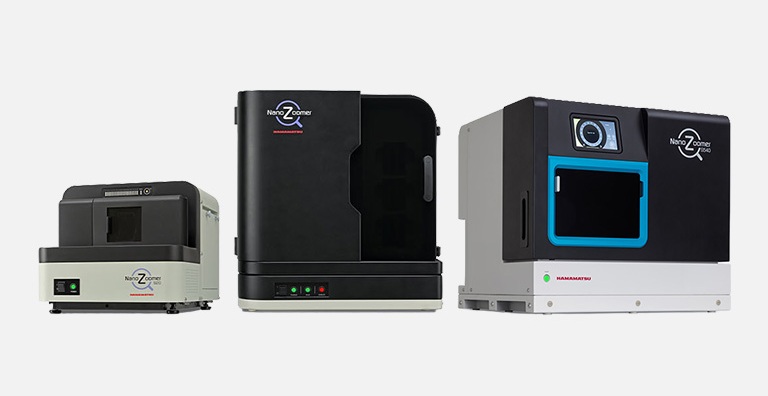
FDA Clearance Expands Digital Pathology Options for Clinical Laboratories
Hamamatsu Photonics K.K. (Hamamatsu, Japan) announced it received 510(k) clearance from the U.S. Food and Drug Administration (FDA) for the NanoZoomer S20MD and NanoZoomer S540MD slide scanner systems.... Read more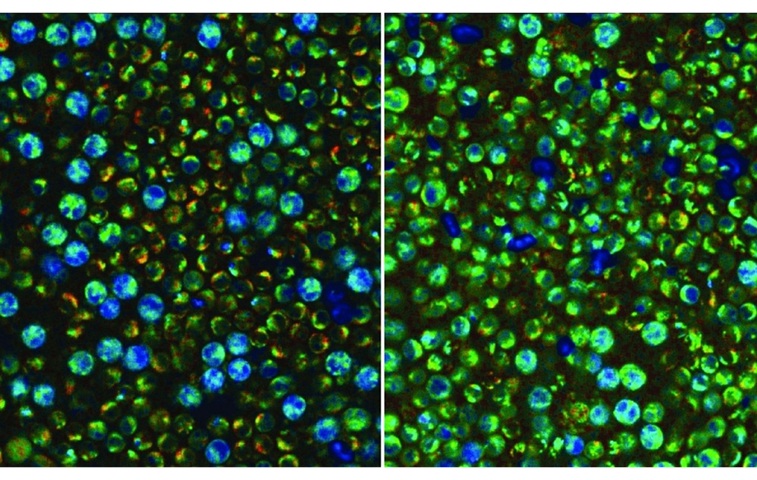
Label-Free Imaging Reveals Hidden Immune Activity in Blood Samples
Peripheral blood mononuclear cells (PBMCs) are widely used to monitor infection, autoimmunity, cancer, and treatment response, yet most assays depend on fluorescent labels that can perturb cells and provide... Read more

Technology
view channel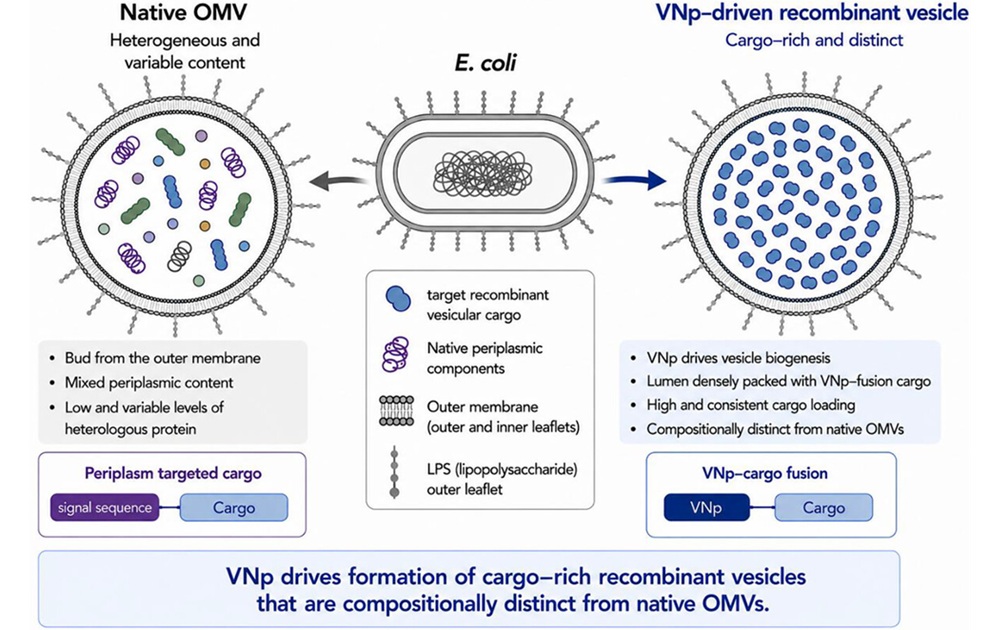
Bacterial Vesicle Expression System Streamlines Production of Cancer Diagnostic Proteins
Recombinant proteins are central to many cancer diagnostics and therapies, but numerous targets remain difficult and costly to produce because they are unstable, toxic to microbial hosts, or require precise folding.... Read more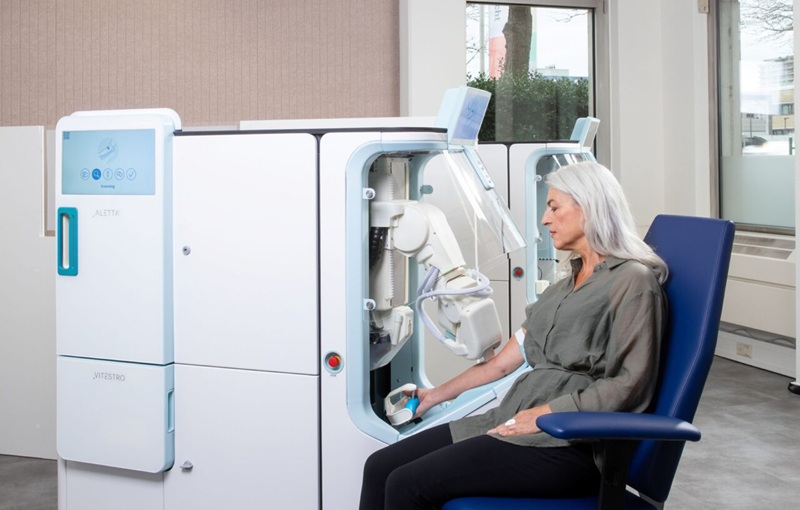
Autonomous Robotic System Receives FDA Authorization for Blood Collection
Venipuncture is central to many diagnostic pathways, but routine blood collection can be affected by staffing constraints and procedural variability that influence consistency and patient experience.... Read more

Industry
view channel
New NHS Partnership Expands Access to Epigenetic CNS Tumor Classifiers
Rapid and accurate classification of central nervous system tumors remains a challenge, particularly in children where histology alone can misclassify aggressiveness and drive overtreatment.... Read more