Non-Invasive COVID-19 Diagnostic System Collects Sample Droplets from Lungs and Returns Results in 10 Minutes
|
By LabMedica International staff writers Posted on 22 Jul 2021 |


|
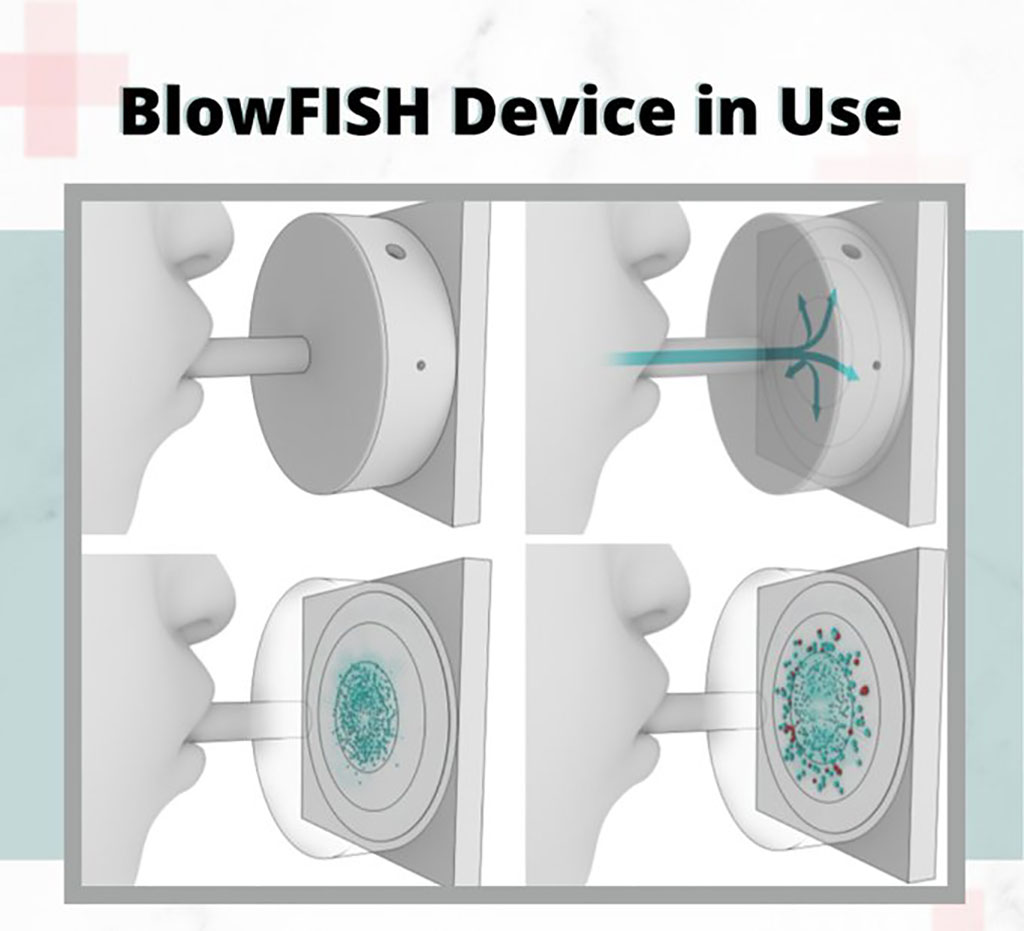
Image: Novel BlowFISH device that captures virus within Exhaled Breath Condensate (EBC) (Photo courtesy of Medivolve Inc.)
A non-invasive exhaled breath diagnostic technology offers the potential for a simple, inexpensive, non-invasive, massively deployable, rapid diagnostic system for detecting respiratory illness and airborne viral threats, including COVID-19, in approximately 10 minutes.
The non-invasive exhaled breath diagnostic technology, BlowFISH, developed by Marvel Diagnostics Inc. based at University of California (Los Angeles, CA, USA) and funded by Medivolve Inc. (Toronto, Canada) has successfully cleared the first milestone in a series of clinical tests targeting application of an Emergency Use Authorization (EUA) from the US Food and Drug Administration (FDA) to test for the COVID-19 virus. During the clinical trial, BlowFISH’s proprietary technology, designed to efficiently collect a substantial liquid sampling directly from deep within the lungs, successfully detected the COVID-19 virus in three test samples.
“This is an exciting and important milestone in advancing BlowFISH toward achieving EUA status in testing for COVID-19, and providing a non-invasive, cost-effective and scalable testing alternative to nasal swab solutions currently in market," said David Preiner, CEO, Medivolve. “Making testing more accessible to populations, such as children and the elderly, where it may be difficult to administer a nasopharyngeal swab test, will become important in our transition to resuming daily life in the 'new normal'.”
“BlowFISH’s detection of the COVID-19 virus brings us one significant step closer to changing the future of diagnostics for not only COVID-19, but for a wide range of respiratory illnesses,” said Dr. Pirouz Kavehpour, UCLA Professor and Marvel Diagnostics Co-Founder. “We are moving forward with urgency through proof-of-concept clinical trials, as these studies are a critical next step in making respiratory testing more comfortable, convenient and accessible for all...one breath at a time.”
Related Links:
Medivolve Inc.




The non-invasive exhaled breath diagnostic technology, BlowFISH, developed by Marvel Diagnostics Inc. based at University of California (Los Angeles, CA, USA) and funded by Medivolve Inc. (Toronto, Canada) has successfully cleared the first milestone in a series of clinical tests targeting application of an Emergency Use Authorization (EUA) from the US Food and Drug Administration (FDA) to test for the COVID-19 virus. During the clinical trial, BlowFISH’s proprietary technology, designed to efficiently collect a substantial liquid sampling directly from deep within the lungs, successfully detected the COVID-19 virus in three test samples.
“This is an exciting and important milestone in advancing BlowFISH toward achieving EUA status in testing for COVID-19, and providing a non-invasive, cost-effective and scalable testing alternative to nasal swab solutions currently in market," said David Preiner, CEO, Medivolve. “Making testing more accessible to populations, such as children and the elderly, where it may be difficult to administer a nasopharyngeal swab test, will become important in our transition to resuming daily life in the 'new normal'.”
“BlowFISH’s detection of the COVID-19 virus brings us one significant step closer to changing the future of diagnostics for not only COVID-19, but for a wide range of respiratory illnesses,” said Dr. Pirouz Kavehpour, UCLA Professor and Marvel Diagnostics Co-Founder. “We are moving forward with urgency through proof-of-concept clinical trials, as these studies are a critical next step in making respiratory testing more comfortable, convenient and accessible for all...one breath at a time.”
Related Links:
Medivolve Inc.

Gold Member
SARS‑CoV‑2/Flu A/Flu B/RSV Sample-To-Answer Test
SARS‑CoV‑2/Flu A/Flu B/RSV Cartridge (CE-IVD)
Gold Member
Universal Transport Solution
Puritan®UniTranz-RT
Gold Member
Fully-auto Specific Protein (Nephelometry) Analyzer
PA240
Automated Urinalysis Solution
UN-9000
Latest COVID-19 News
- New Immunosensor Paves Way to Rapid POC Testing for COVID-19 and Emerging Infectious Diseases
- Long COVID Etiologies Found in Acute Infection Blood Samples
- Novel Device Detects COVID-19 Antibodies in Five Minutes
- CRISPR-Powered COVID-19 Test Detects SARS-CoV-2 in 30 Minutes Using Gene Scissors
- Gut Microbiome Dysbiosis Linked to COVID-19
- Novel SARS CoV-2 Rapid Antigen Test Validated for Diagnostic Accuracy
- New COVID + Flu + R.S.V. Test to Help Prepare for `Tripledemic`
- AI Takes Guesswork Out Of Lateral Flow Testing
- Fastest Ever SARS-CoV-2 Antigen Test Designed for Non-Invasive COVID-19 Testing in Any Setting
- Rapid Antigen Tests Detect Omicron, Delta SARS-CoV-2 Variants
- Health Care Professionals Showed Increased Interest in POC Technologies During Pandemic, Finds Study
- Set Up Reserve Lab Capacity Now for Faster Response to Next Pandemic, Say Researchers
- Blood Test Performed During Initial Infection Predicts Long COVID Risk
- Low-Cost COVID-19 Testing Platform Combines Sensitivity of PCR and Speed of Antigen Tests
- Finger-Prick Blood Test Identifies Immunity to COVID-19
- Quick Test Kit Determines Immunity Against COVID-19 and Its Variants
Channels
Clinical Chemistry
view channel
Hemoglobin Levels May Help Signal Long-Term Dementia Risk
Dementia is a growing health challenge in aging societies, with limited treatment options and no cure. Identifying long-term risk remains difficult, particularly when specialist scans or emerging biomarkers... Read more
Liquid Biopsy Platform Shows Promise for Early Gynecologic Cancer Detection
Gynecologic cancers can be difficult to detect early, particularly when symptoms overlap with benign conditions. Earlier cancer detection remains a diagnostic need in ovarian cancer, described as one of... Read more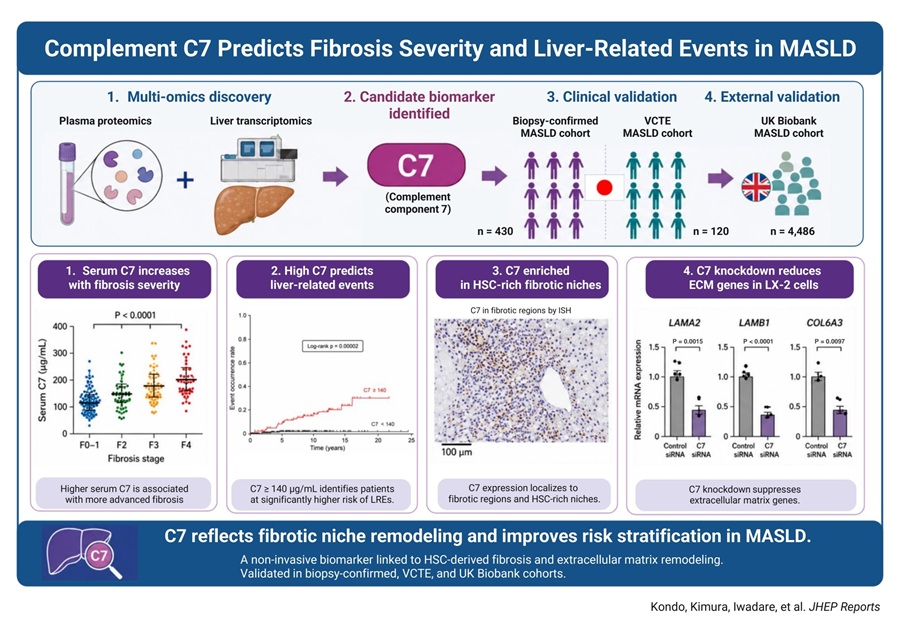
Multi-Omics Study Identifies Blood Marker for MASLD Progression
Metabolic dysfunction-associated steatotic liver disease (MASLD) is a major cause of liver-related morbidity and mortality worldwide. As MASLD progresses, fibrosis and liver-related events, including hepatocellular... Read more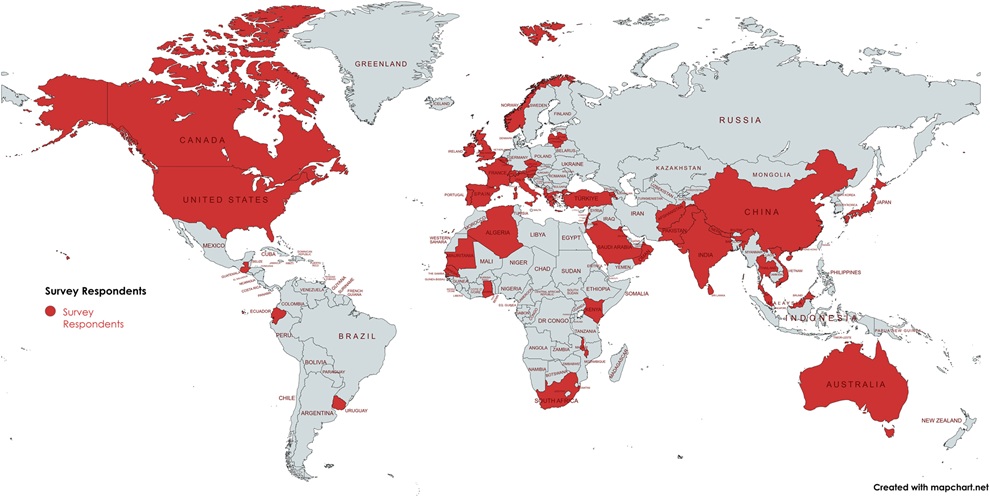
Global Survey Finds Pediatric Troponin Testing Lacks Consistent Reference Intervals
Cardiac troponin is released into the blood when heart muscle is damaged and is widely used as a rapid marker of cardiac injury in adults. In children, interpreting troponin results remains difficult because... Read moreMolecular Diagnostics
view channel
Validated Test Predicts Recurrence Risk and Radiation Benefit in Early-Stage Breast Cancer
For women with early-stage invasive breast cancer who undergo breast-conserving surgery, clinicians must assess both the risk of locoregional recurrence and the potential benefit of adjuvant radiation therapy.... Read more
Genomic Screening Expands Detection of Treatable Conditions in Newborns
Conventional newborn screening can miss conditions that lack biochemical biomarkers or present atypically. Initial hearing screens may also fail to detect hearing loss that is later identified through... Read more
Hematology
view channel
New Donor Genetic Marker May Help Predict Stem Cell Transplant Success
Donor selection for hematopoietic stem cell transplantation plays a major role in relapse risk and survival for patients with blood cancers and other blood disorders. Despite advances in genotyping, uncertainty... Read more
Updated Ferritin Thresholds Improve Detection of Iron Deficiency
Iron deficiency is one of the most common health conditions worldwide, yet its nonspecific symptoms can delay diagnosis for months. Variation in testing practices and ferritin thresholds may contribute... Read more
Immunology
view channel
Blood-Based Immune Aging Map Could Help Spot Disease Risk Earlier
Chronological age does not always reflect immune health or future disease risk. Two adults of the same age can have immune systems that age very differently, with some remaining resilient while others... Read more
Blood-Based Immune Signal Could Reveal Lung Cancer Risk Before Tumors Develop
Lung cancer remains difficult to detect before symptoms appear, when advanced disease is harder to treat. In the U.K., about 32,800 people die from lung cancer each year, and only 11.1% of those diagnosed... Read more
Microbiology
view channel
Rapid Urine Test Aids Diagnosis of Invasive Aspergillosis
Invasive aspergillosis is an uncommon mold infection in the general population but can pose serious risks for people with weakened immune defenses. Diagnosis can be difficult because existing approaches... Read more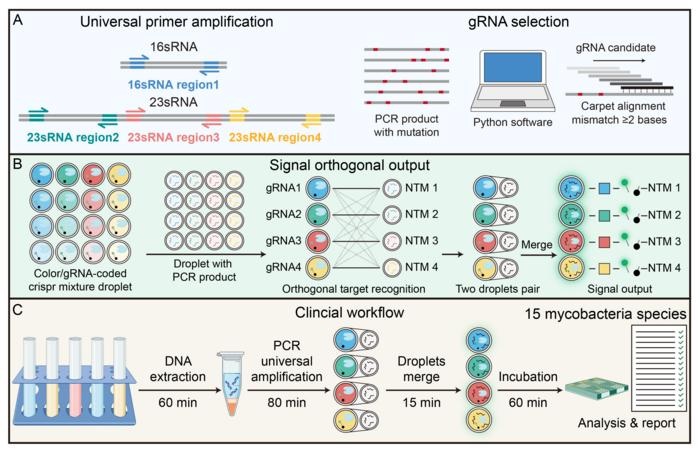
Nanodroplet CRISPR Technology Supports Rapid, Multiplexed Mycobacterial Identification
Mycobacterial infections are difficult to diagnose because closely related species can have different clinical and therapeutic implications. Nontuberculous mycobacteria (NTM) are increasingly recognized... Read more
Genomic Workflow Identifies Fungal Pathogens Before Blood Cultures Turn Positive
Fungal bloodstream infections pose a major threat to hospitalized patients. Candida species cause most invasive fungal infections worldwide and are among the leading causes of hospital-acquired bloodstream... Read more
FDA-Cleared Multiplex PCR Test Detects 13 Respiratory Pathogens in a Single Sample
Respiratory tract infections can be difficult to distinguish at presentation because many cause overlapping, nonspecific symptoms and are initially grouped as influenza-like illnesses. Causes span a range... Read morePathology
view channel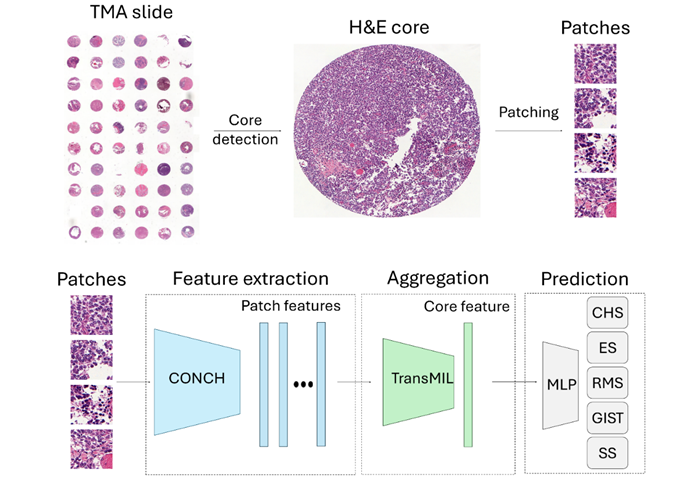
AI Histopathology Tool Distinguishes Ewing Sarcoma for Diagnosis
Ewing sarcoma is a rare malignant tumor that mainly affects children, adolescents, and young adults. It usually arises in bone but can also develop in soft tissue, where its microscopic appearance may... Read more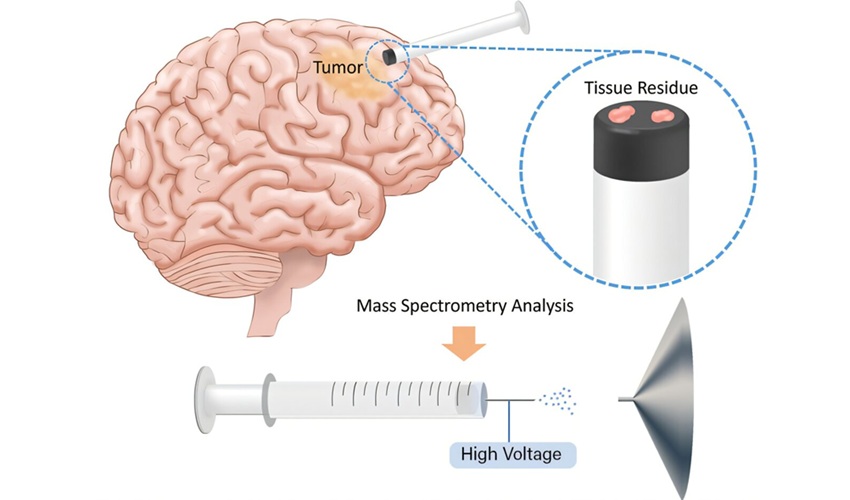
Rapid Mass Spectrometry Test May Aid Glioma Margin Decisions
Glioma brain tumors are highly infiltrative and can extend into nearby healthy brain tissue, making tumor margins difficult to define during surgery. Residual tumor cells may contribute to recurrence and... Read more
Genomic Classifier Predicts Benefit From Adding Hormone Therapy to Salvage Prostate Radiation
Men who have undergone prostatectomy for prostate cancer may later develop a detectable or rising prostate-specific antigen, prompting salvage radiation therapy. A key challenge is determining who is most... Read more
Technology
view channel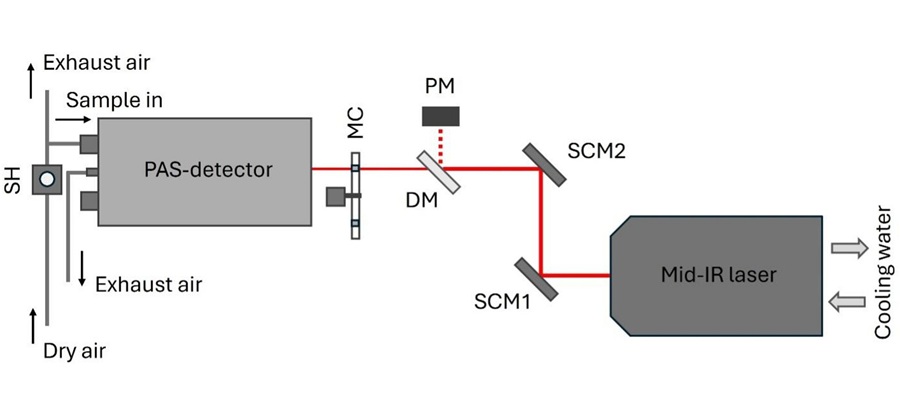
Laser-Based Swab Analysis Shows Promise for Detecting Disease-Linked Odor Patterns
Disease-related changes in volatile organic compounds can alter body odor, producing measurable patterns in exhaled breath and bodily fluids. Current analytical methods can be complex, time-consuming,... Read more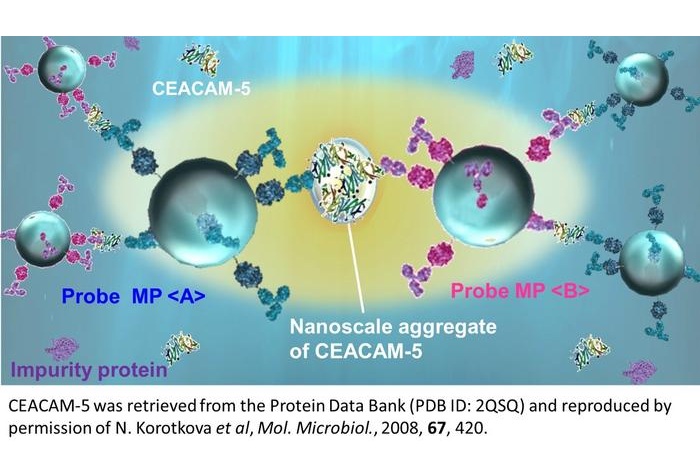
Laser-Enhanced Assay Boosts Sensitivity for Colorectal Cancer Biomarker Detection
Colorectal cancer is the third most commonly diagnosed cancer and the second leading cause of cancer-related death worldwide. Early detection remains critical, but cancer biomarkers can produce only faint... Read more

Industry
view channel
Multi-Cancer Screening Blood Test Gains FDA Breakthrough Designation
Natera Inc.’s (Austin, TX, USA) multi-cancer early detection (MCED) assay has received Breakthrough Device designation (BDD) from the U.S. Food and Drug Administration (FDA). The assay analyzes cell-free... Read more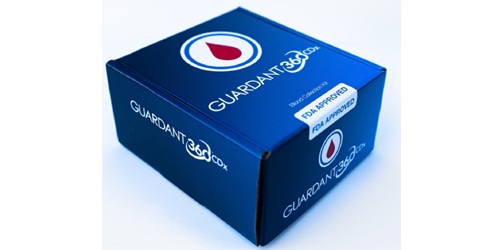
European Approval Expands Liquid Biopsy Use in Advanced Breast Cancer Testing
Estrogen receptor-positive (ER+), HER2-negative advanced breast cancer may require molecular testing to guide treatment selection, with blood-based assays offering a way to identify tumor mutations that... Read more