Bio-Rad Launches Serology Assay for Detection of Coronavirus Antibodies
|
By LabMedica International staff writers Posted on 09 Apr 2020 |


|
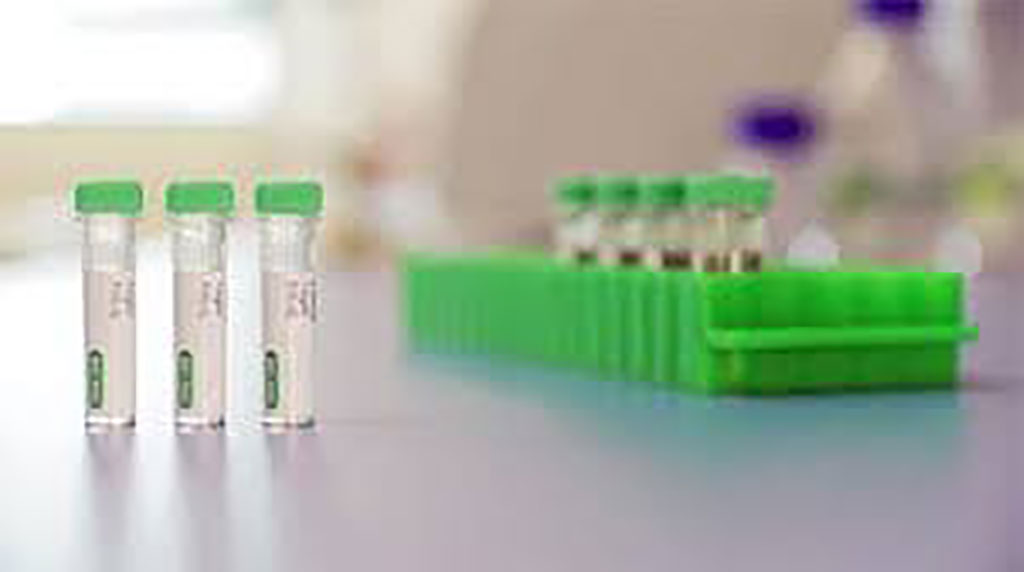
Image: Bio-Rad launches serology assay for detection of coronavirus antibodies (Photo courtesy of Bio-Rad Laboratories, Inc.)
Bio-Rad Laboratories, Inc. (Hercules, CA, USA) has launched a blood-based immunoassay kit to identify antibodies to the coronavirus SARS-CoV-2, the virus associated with COVID-19. Preliminary performance of the assay has been established and the kit is now undergoing clinical evaluation in several hospitals to further confirm its clinical performance. Initial data collected on more than 700 samples has demonstrated specificity of above 99%.
Bio-Rad develops, manufactures, and markets a broad range of innovative products for the life science research and clinical diagnostic markets. Its customers comprise university and research institutions, hospitals, public health and commercial laboratories, biotechnology, pharmaceutical, as well as applied laboratories that include food safety and environmental quality. Bio-Rad hasd recently launched a SARS CoV-2 Standard to support laboratory assay validation of coronavirus (COVID-19) testing through its Exact Diagnostics product line. Bio-Rad is providing the SARS CoV-2 Standard to help labs validate their COVID-19 assay results and accelerate access to testing.
Bio-Rad’s immunoassay kit detects total immunoglobulin (IgG, IgM, and IgA), an approach which appears to be more sensitive than assays against a single immunoglobulin. The test was designed for use manually or on an automated immunoassay platform, such as Bio-Rad’s EVOLIS System, which offers high throughput processing and sample traceability. Bio-Rad plans to offer the immunoassay kit globally. In the US, the company intends to use the FDA’s Emergency Use Authorization process to expedite US availability. Bio-Rad believes its blood-based immunoassay kit will help clinicians determine if an individual has been infected by the virus and therefore, has developed an immune response against SARS-CoV-2.
“Using a serology test to support the diagnosis of COVID-19 and to screen populations can provide a more complete understanding of infection rates as well as immunity,” said Dara Wright, Bio-Rad Clinical Diagnostics Group EVP & President. “The detection of antibodies to SARS-CoV-2 on a large scale may be used to guide public authorities in their decisions to lift partial or total containment orders according to the serological status of the population. Molecular and serology testing are highly complementary in this regard.”
Related Links:
Bio-Rad Laboratories, Inc.




Bio-Rad develops, manufactures, and markets a broad range of innovative products for the life science research and clinical diagnostic markets. Its customers comprise university and research institutions, hospitals, public health and commercial laboratories, biotechnology, pharmaceutical, as well as applied laboratories that include food safety and environmental quality. Bio-Rad hasd recently launched a SARS CoV-2 Standard to support laboratory assay validation of coronavirus (COVID-19) testing through its Exact Diagnostics product line. Bio-Rad is providing the SARS CoV-2 Standard to help labs validate their COVID-19 assay results and accelerate access to testing.
Bio-Rad’s immunoassay kit detects total immunoglobulin (IgG, IgM, and IgA), an approach which appears to be more sensitive than assays against a single immunoglobulin. The test was designed for use manually or on an automated immunoassay platform, such as Bio-Rad’s EVOLIS System, which offers high throughput processing and sample traceability. Bio-Rad plans to offer the immunoassay kit globally. In the US, the company intends to use the FDA’s Emergency Use Authorization process to expedite US availability. Bio-Rad believes its blood-based immunoassay kit will help clinicians determine if an individual has been infected by the virus and therefore, has developed an immune response against SARS-CoV-2.
“Using a serology test to support the diagnosis of COVID-19 and to screen populations can provide a more complete understanding of infection rates as well as immunity,” said Dara Wright, Bio-Rad Clinical Diagnostics Group EVP & President. “The detection of antibodies to SARS-CoV-2 on a large scale may be used to guide public authorities in their decisions to lift partial or total containment orders according to the serological status of the population. Molecular and serology testing are highly complementary in this regard.”
Related Links:
Bio-Rad Laboratories, Inc.

Gold Member
SARS‑CoV‑2/Flu A/Flu B/RSV Sample-To-Answer Test
SARS‑CoV‑2/Flu A/Flu B/RSV Cartridge (CE-IVD)
Gold Member
Flu SARS-CoV-2 Combo Test
OSOM® Flu SARS-CoV-2 Combo Test
CMV CLIA Diagnostic
CLIA CMV IgA Screen Group
New
Silver Member
Vitamin D Assay
EZ Vitamin D Assay
Latest COVID-19 News
- New Immunosensor Paves Way to Rapid POC Testing for COVID-19 and Emerging Infectious Diseases
- Long COVID Etiologies Found in Acute Infection Blood Samples
- Novel Device Detects COVID-19 Antibodies in Five Minutes
- CRISPR-Powered COVID-19 Test Detects SARS-CoV-2 in 30 Minutes Using Gene Scissors
- Gut Microbiome Dysbiosis Linked to COVID-19
- Novel SARS CoV-2 Rapid Antigen Test Validated for Diagnostic Accuracy
- New COVID + Flu + R.S.V. Test to Help Prepare for `Tripledemic`
- AI Takes Guesswork Out Of Lateral Flow Testing
- Fastest Ever SARS-CoV-2 Antigen Test Designed for Non-Invasive COVID-19 Testing in Any Setting
- Rapid Antigen Tests Detect Omicron, Delta SARS-CoV-2 Variants
- Health Care Professionals Showed Increased Interest in POC Technologies During Pandemic, Finds Study
- Set Up Reserve Lab Capacity Now for Faster Response to Next Pandemic, Say Researchers
- Blood Test Performed During Initial Infection Predicts Long COVID Risk
- Low-Cost COVID-19 Testing Platform Combines Sensitivity of PCR and Speed of Antigen Tests
- Finger-Prick Blood Test Identifies Immunity to COVID-19
- Quick Test Kit Determines Immunity Against COVID-19 and Its Variants
Channels
Clinical Chemistry
view channel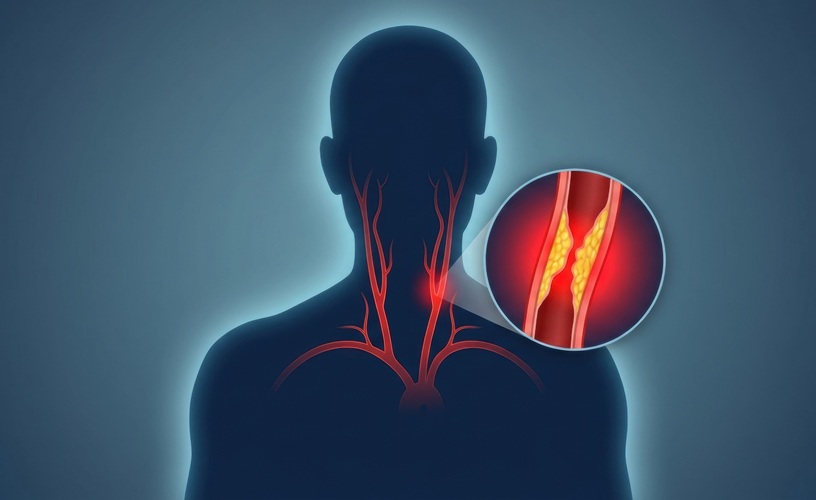
Elevated Lipoprotein(a) Linked to Long-Term Progression of Carotid Atherosclerosis
Lipoprotein(a), or Lp(a), is a genetically determined blood lipid and an important risk factor for cardiovascular disease. Its relationship to long-term carotid atherosclerosis has remained unclear, particularly... Read more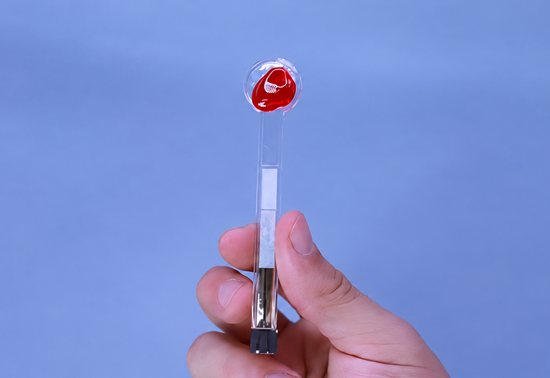
Lollipop-Inspired Device Measures Acetaminophen Levels in Saliva
Acetaminophen is used in many over-the-counter pain relievers, cold and flu products, and other medications. Excess dosing can cause serious side effects, including liver damage, and children may be at... Read more
Molecular Diagnostics
view channel
Pooled Sputum Testing Offers Lower-Cost Molecular Diagnosis for Tuberculosis
Tuberculosis remains a major diagnostic challenge, with many cases going undetected and untreated. Limited access to rapid molecular diagnostic tests can delay diagnosis and allow transmission to continue... Read more
Tumor Markers Help Predict Response to Less Intensive HER2+ Chemotherapy
HER2-positive breast cancer is commonly treated before surgery with multiagent chemotherapy and HER2-targeted drugs. In early-stage disease, a key challenge is identifying which tumors may respond well... Read more
Hematology
view channel
New Donor Genetic Marker May Help Predict Stem Cell Transplant Success
Donor selection for hematopoietic stem cell transplantation plays a major role in relapse risk and survival for patients with blood cancers and other blood disorders. Despite advances in genotyping, uncertainty... Read more
Updated Ferritin Thresholds Improve Detection of Iron Deficiency
Iron deficiency is one of the most common health conditions worldwide, yet its nonspecific symptoms can delay diagnosis for months. Variation in testing practices and ferritin thresholds may contribute... Read more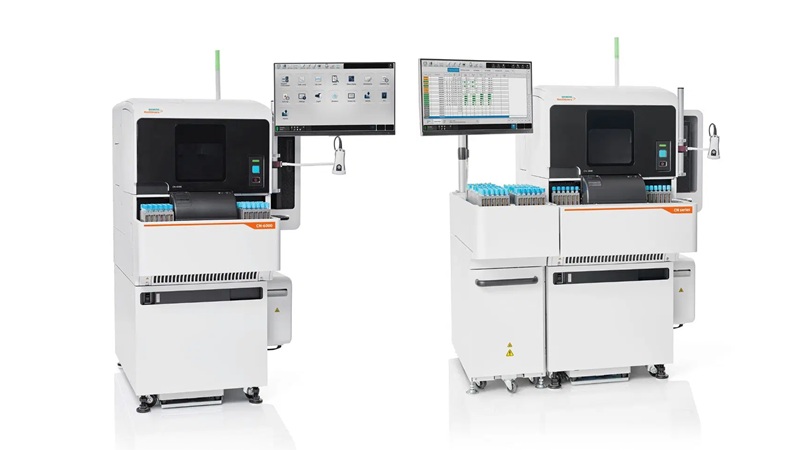
Immunology
view channel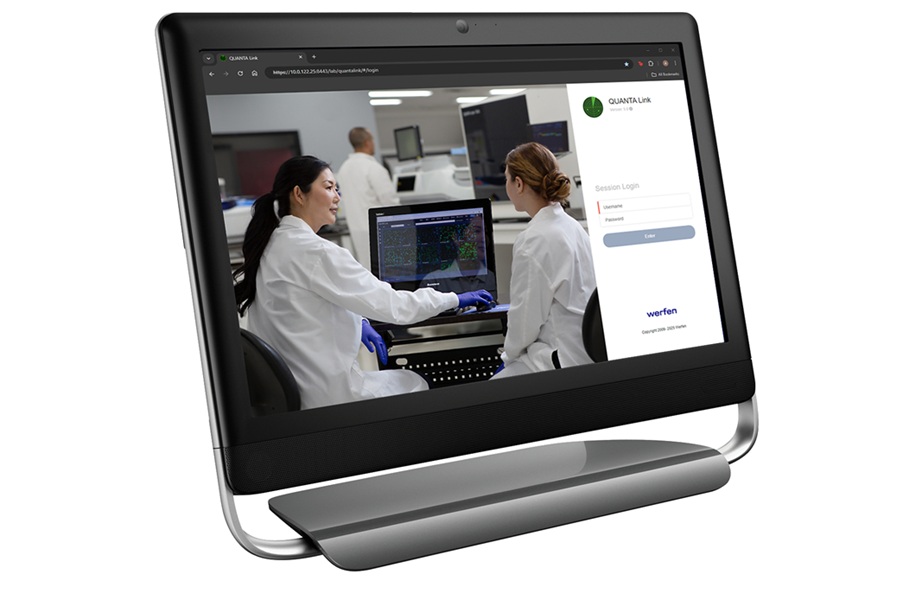
New Web-Based Platform Helps Autoimmune Laboratories Manage Testing Complexity
Autoimmune disease testing often requires laboratories to coordinate results across multiple instruments, manual microscopy, and patient histories. As testing volumes and workflow complexity increase,... Read more
Routine Newborn Blood Spots Can Measure GBS Antibody Levels
Group B Streptococcus (GBS) can cause serious infections in newborns. Protecting infants remains challenging because immune protection may depend on antibodies transferred from mother to baby before birth.... Read more
Microbiology
view channel
Rapid Urine Test Aids Diagnosis of Invasive Aspergillosis
Invasive aspergillosis is an uncommon mold infection in the general population but can pose serious risks for people with weakened immune defenses. Diagnosis can be difficult because existing approaches... Read more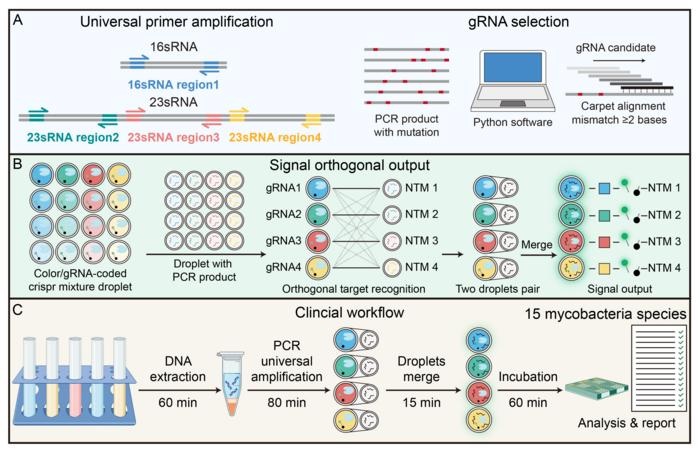
Nanodroplet CRISPR Technology Supports Rapid, Multiplexed Mycobacterial Identification
Mycobacterial infections are difficult to diagnose because closely related species can have different clinical and therapeutic implications. Nontuberculous mycobacteria (NTM) are increasingly recognized... Read more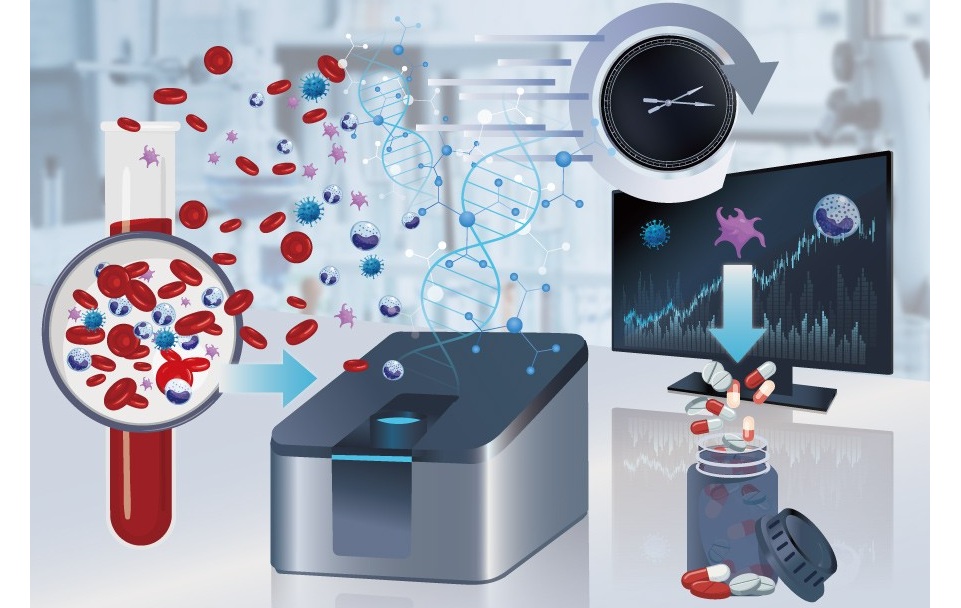
Genomic Workflow Identifies Fungal Pathogens Before Blood Cultures Turn Positive
Fungal bloodstream infections pose a major threat to hospitalized patients. Candida species cause most invasive fungal infections worldwide and are among the leading causes of hospital-acquired bloodstream... Read more
FDA-Cleared Multiplex PCR Test Detects 13 Respiratory Pathogens in a Single Sample
Respiratory tract infections can be difficult to distinguish at presentation because many cause overlapping, nonspecific symptoms and are initially grouped as influenza-like illnesses. Causes span a range... Read morePathology
view channel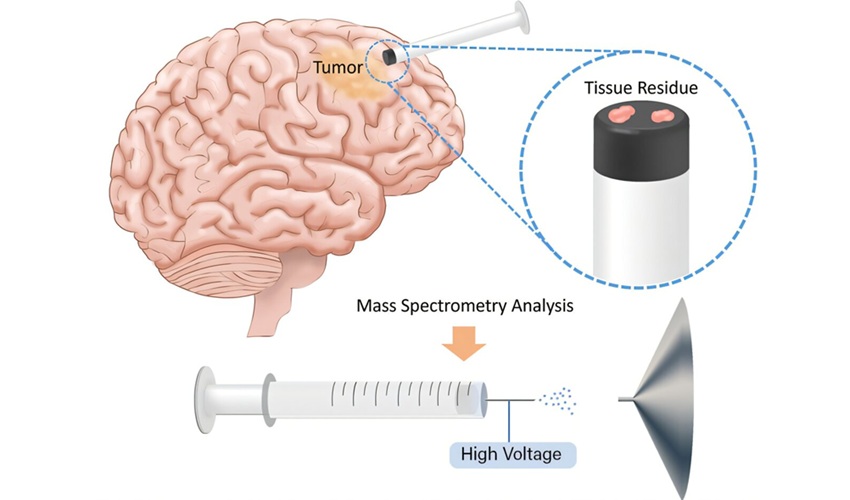
Rapid Mass Spectrometry Test May Aid Glioma Margin Decisions
Glioma brain tumors are highly infiltrative and can extend into nearby healthy brain tissue, making tumor margins difficult to define during surgery. Residual tumor cells may contribute to recurrence and... Read more
Genomic Classifier Predicts Benefit From Adding Hormone Therapy to Salvage Prostate Radiation
Men who have undergone prostatectomy for prostate cancer may later develop a detectable or rising prostate-specific antigen, prompting salvage radiation therapy. A key challenge is determining who is most... Read more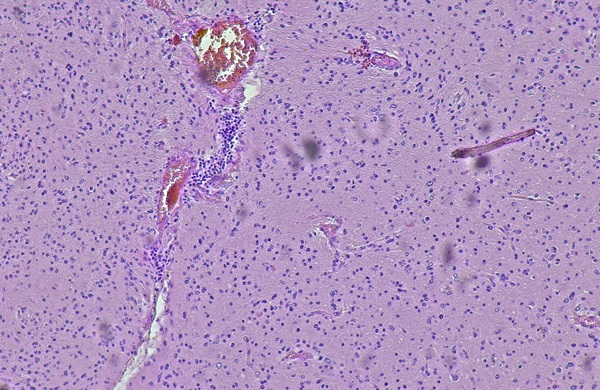
Technology
view channel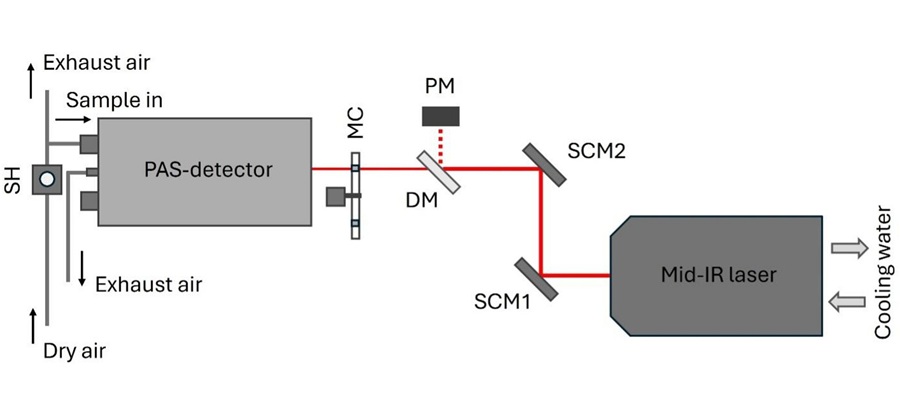
Laser-Based Swab Analysis Shows Promise for Detecting Disease-Linked Odor Patterns
Disease-related changes in volatile organic compounds can alter body odor, producing measurable patterns in exhaled breath and bodily fluids. Current analytical methods can be complex, time-consuming,... Read more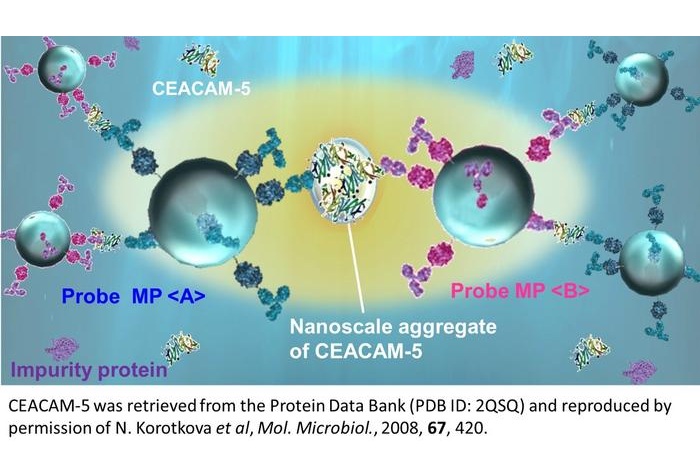
Laser-Enhanced Assay Boosts Sensitivity for Colorectal Cancer Biomarker Detection
Colorectal cancer is the third most commonly diagnosed cancer and the second leading cause of cancer-related death worldwide. Early detection remains critical, but cancer biomarkers can produce only faint... Read more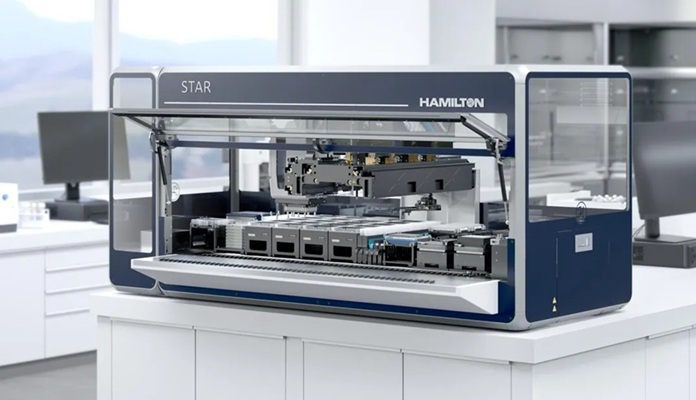

Industry
view channel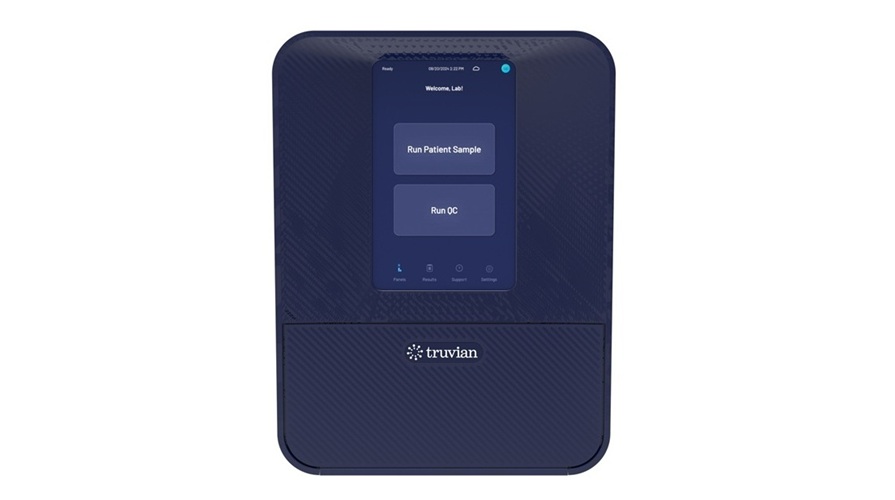
Collaboration Advances Automated Benchtop Platform for Routine Blood Testing
Routine blood testing is central to clinical decision-making, but access can vary across laboratory and healthcare settings. Broader use of automated benchtop platforms may help integrate testing more... Read more
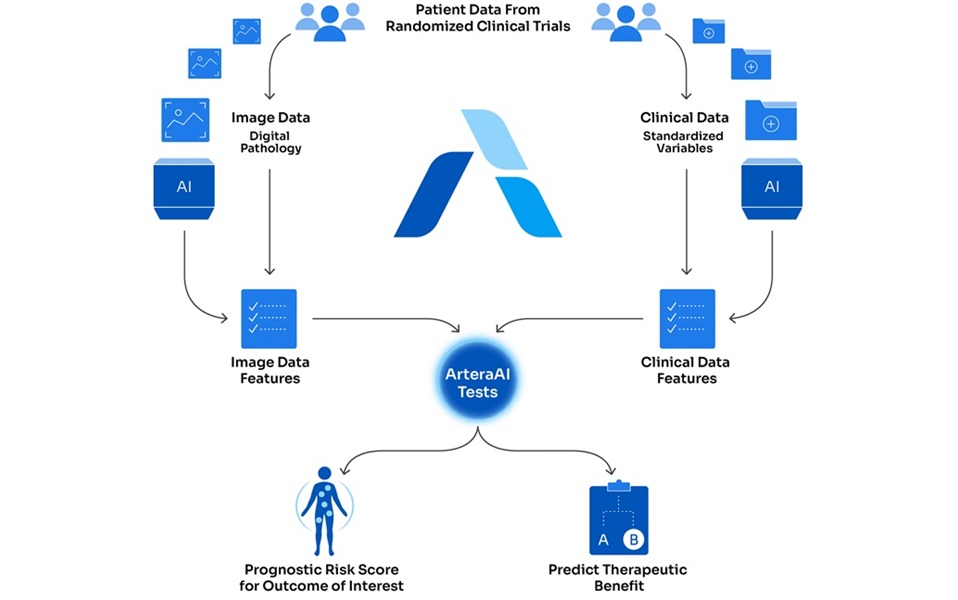
Expanded Partnership Supports AI Biomarker Validation and Clinical Trial Deployment
CellCarta (Montreal, Canada) and Imagene AI (Miami, FL, USA) have expanded their collaboration to provide biopharma companies with a coordinated pathway for biomarker strategy, assay development, validation,... Read more
Collaboration Combines AI Cognitive Assessment and RNA Blood Testing for Earlier Alzheimer’s Detection
Alzheimer’s disease is often identified only after substantial neurodegeneration, partly because current diagnostic pathways are fragmented and difficult to scale. As treatment shifts toward earlier intervention,... Read more