LabMedica

Download Mobile App
Recent News Expo Clinical Chem. Molecular Diagnostics Hematology Immunology Microbiology Pathology Technology Industry Focus

Mutated Gene Biomarker Identified for Rare Adrenal Tumors

By LabMedica International staff writers
Posted on 03 Feb 2015
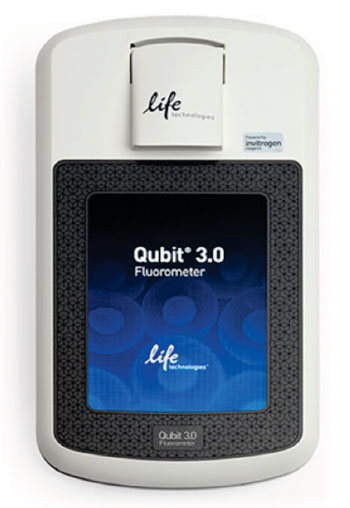
The Qubit 3.0 Fluorometer
The Qubit 3.0 Fluorometer (Photo courtesy of Thermo Fisher (Life Technologies))
A mutation in a gene has been found that may serve as a biomarker for the rare adrenal tumors pheochromocytomas and paragangliomas that become malignant.

Pheochromocytomas and paragangliomas (PCC/PGL) are tumors of the autonomic nervous system arising from the adrenal medulla and extra-adrenal ganglia, respectively. PCC/PGL are more commonly associated with inherited susceptibility gene mutations than any other solid tumor.

Scientists at the Perelman School of Medicine (Philadelphia, PA, USA) used a set of 21 PCC/PGL that were selected to represent clinically benign and clinically aggressive tumors. Fresh-frozen PCC/PGL were sectioned and stained with hematoxylin and eosin to ensure sections of over 70% tumors are used for DNA extraction. Germline DNA from blood or saliva was extracted using standard protocols in the laboratory.

All DNA was quantitated with a Qubit fluorometer (Life Technologies; Carlsbad, CA, USA). To ensure high-quality genomic DNA, the A260/280 ratio was measured on a Nanodrop (Wilmington, DE, USA) and DNA was run on a 1% agarose gel. Whole-exome sequencing was performed on fresh-frozen tumor and matched germline DNA and DNA quality and fragment size were measured with an Agilent 2100 Bioanalyzer (Santa Clara, CA, USA) and concentration measured with a Qubit fluorometer.

The team reported that somatic alpha thalassemia/mental retardation syndrome X-linked (ATRX) mutations were identified in two of seven succinate dehydrogenase complex, subunit B, iron sulfur (SDHB)-associated tumors. To determine the frequency of somatic ATRX mutations in PCC/PGL, the team sequenced the ATRX coding region in a separate set of 103 tumors samples. They found that 13% of tumors had ATRX mutations.

The authors concluded that although the sample set of PCC/PGL with ATRX variants is too small to identify statistically significant associations, many had clinically aggressive features, inherited succinate dehydrogenase (SDHx) mutations and alternative lengthening of telomeres (ALT), suggesting an interaction between the somatic and inherited genomes in solid cancers, which needs to be investigated further. The study was published on January 21, 2015, in the journal Nature Communications.

Related Links:

Perelman School of Medicine
Life Technologies
Nanodrop 

Gold Member
Hybrid Pipette
SWITCH
POC Helicobacter Pylori Test Kit
Hepy Urease Test
Automated MALDI-TOF MS System
EXS 3000
New
Gold Member
Clinical Drug Testing Panel
DOA Urine MultiPlex
Read the full article by registering today, it's FREE! It's Free!
Register now for FREE to LabMedica.com and get access to news and events that shape the world of Clinical Laboratory Medicine.
  • Free digital version edition of LabMedica International sent by email on regular basis
  • Free print version of LabMedica International magazine (available only outside USA and Canada).
  • Free and unlimited access to back issues of LabMedica International in digital format
  • Free LabMedica International Newsletter sent every week containing the latest news
  • Free breaking news sent via email
  • Free access to Events Calendar
  • Free access to LinkXpress new product services
  • REGISTRATION IS FREE AND EASY!
Click here to Register


Channels

Immunology

view channel
Image: Circulating tumor cells isolated from blood samples could help guide immunotherapy decisions (Photo courtesy of Shutterstock)

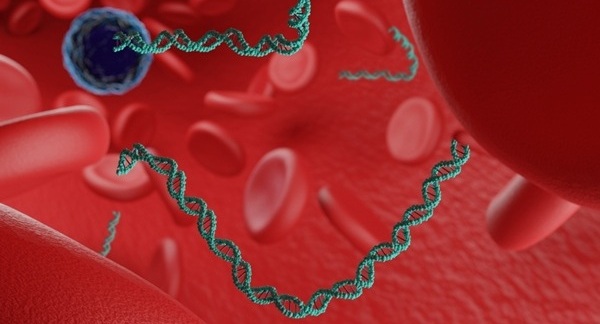
Blood Test Identifies Lung Cancer Patients Who Can Benefit from Immunotherapy Drug

Small cell lung cancer (SCLC) is an aggressive disease with limited treatment options, and even newly approved immunotherapies do not benefit all patients. While immunotherapy can extend survival for some,... Read more

Microbiology

view channel
Image: New evidence suggests that imbalances in the gut microbiome may contribute to the onset and progression of MCI and Alzheimer’s disease (Photo courtesy of Adobe Stock)

Comprehensive Review Identifies Gut Microbiome Signatures Associated With Alzheimer’s Disease

Alzheimer’s disease affects approximately 6.7 million people in the United States and nearly 50 million worldwide, yet early cognitive decline remains difficult to characterize. Increasing evidence suggests... Read more

Technology

view channel
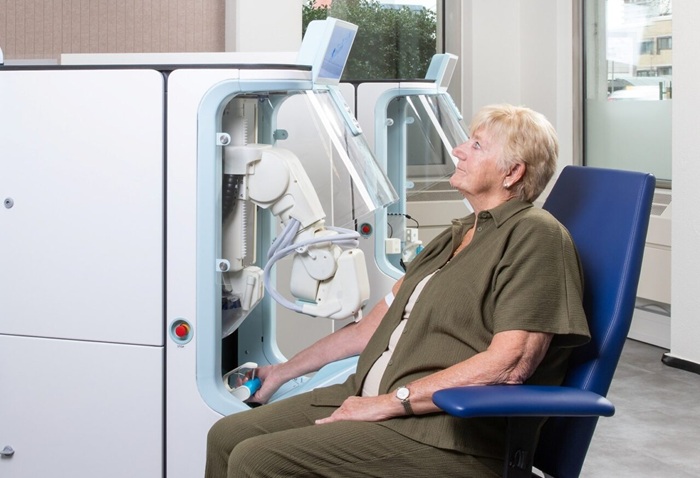
Image: Vitestro has shared a detailed visual explanation of its Autonomous Robotic Phlebotomy Device (photo courtesy of Vitestro)

Robotic Technology Unveiled for Automated Diagnostic Blood Draws

Routine diagnostic blood collection is a high‑volume task that can strain staffing and introduce human‑dependent variability, with downstream implications for sample quality and patient experience.... Read more

Industry

view channel
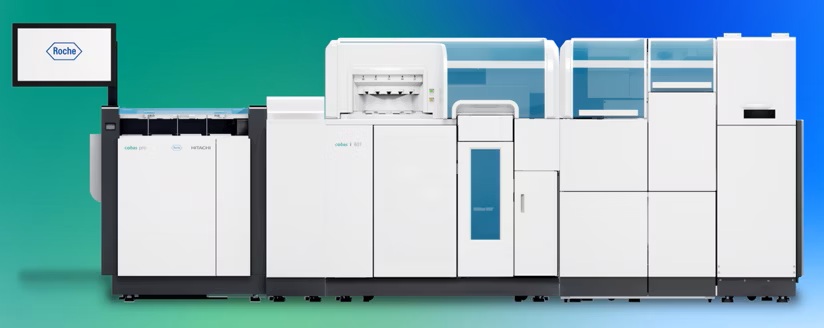
Image: Roche’s cobas® Mass Spec solution enables fully automated mass spectrometry in routine clinical laboratories (Photo courtesy of Roche)

New Collaboration Brings Automated Mass Spectrometry to Routine Laboratory Testing

Mass spectrometry is a powerful analytical technique that identifies and quantifies molecules based on their mass and electrical charge. Its high selectivity, sensitivity, and accuracy make it indispensable... Read more