LabMedica

Download Mobile App
Recent News Expo Clinical Chem. Molecular Diagnostics Hematology Immunology Microbiology Pathology Technology Industry Focus

Molecular Test Identifies Acute Transplant Rejection

By LabMedica International staff writers
Posted on 25 Nov 2014
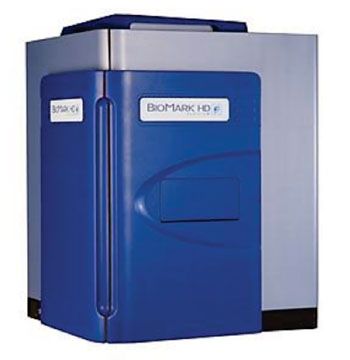
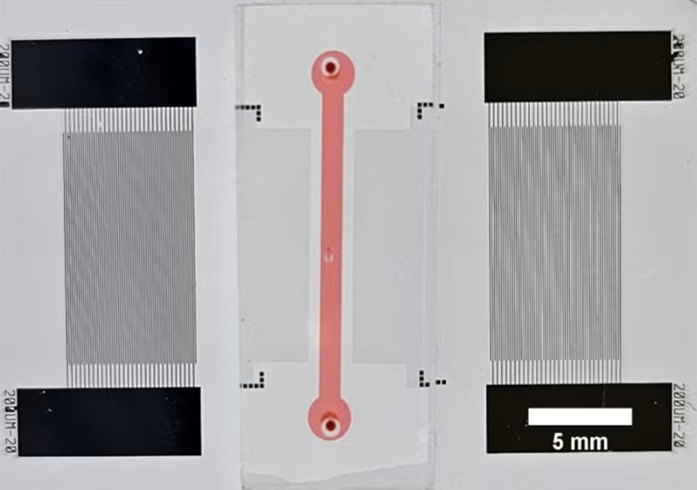
Fluidigm\'s BioMark HD and EP1 platform with Digital Array Integrated Fluidic Circuits for quantitative real-time polymerase chain reaction
The BioMark HD and EP1 platform with Digital Array Integrated Fluidic Circuits for quantitative real-time polymerase chain reaction (Photo courtesy of Fluidigm)
The development of noninvasive molecular assays to improve disease diagnosis and patient monitoring is a critical need in renal transplantation, as acute rejection (AR) increases the risk for chronic graft injury and failure.

Acute rejection after kidney transplantation occurs in about 15% to 20% of patients despite immunosuppressive therapy and rejection is usually heralded by an increase in the patient's serum creatinine which is a marker of kidney function, and a kidney biopsy is then performed to confirm whether rejection is taking place.

Scientists at the University of California (San Francisco, CA, USA) working with an international team used 558 peripheral blood (PB) samples from 438 adult and pediatric renal transplant patients from eight renal transplant centers in the United States, Mexico, and Spain and enrolled between 2005 and 2012 to develop a quantitative real-time polymerase chain reaction (qPCR) test. They developed the test in 143 samples from adults with and without acute rejection as determined by kidney biopsy, and then finalized and validated the test in three cohorts of patients.

Total ribonucleic acid (RNA) was extracted using the column-based method kits and was measured for RNA integrity using the RNA 6000 Nano LabChip Kit on a 2100 Bioanalyzer (Agilent Technologies; Santa Clara, CA, USA). Microfluidic qPCR was performed on the 96.96 dynamic array and the chip loaded via the HX IFC Controller and performing the qPCR in the BioMark qPCR platform (Fluidigm; South San Francisco, CA, USA).

The team evaluated the differential expression of 10 out of 43 genes, selecting the same ten genes that have been validated as diagnostic for AR in PB using standardized clinical trial sample collection and processing protocols. To improve the diagnostic accuracy for AR in the 143 adult samples, various statistical modeling methods were used to include an additional seven genes which improved the accuracy of the gene panel for discriminating AR from No-AR samples, for a final selection of 17 genes. The assay was called kSORT and was able to classify patients as high risk versus low risk for AR. The kSORT assay was able to detect AR in blood independent of age, time post-transplantation, and sample source without additional data normalization.

The authors concluded that the kSORT assay is a simple, robust, and clinically applicable blood test. They are using kSORT in a prospective observational trial as well as a second prospective, randomized, double-blinded clinical interventional trial, which will establish how kSORT can be used serially post-transplant to complement current clinical practice guidelines for stratifying patient immune risk, medication load, and requirement for biopsy. The study was published on November 11, 2014, in the journal Public Library of Science Medicine.

Related Links:

University of California
Agilent Technologies
Fluidigm

Gold Member
Fibrinolysis Assay
HemosIL Fibrinolysis Assay Panel
POC Helicobacter Pylori Test Kit
Hepy Urease Test
Gel Cards
DG Gel Cards
Hemodynamic System Monitor
OptoMonitor
Read the full article by registering today, it's FREE! It's Free!
Register now for FREE to LabMedica.com and get access to news and events that shape the world of Clinical Laboratory Medicine.
  • Free digital version edition of LabMedica International sent by email on regular basis

  • Free print version of LabMedica International magazine (available only outside USA and Canada).
  • Free and unlimited access to back issues of LabMedica International in digital format
  • Free LabMedica International Newsletter sent every week containing the latest news
  • Free breaking news sent via email
  • Free access to Events Calendar
  • Free access to LinkXpress new product services
  • REGISTRATION IS FREE AND EASY!
Click here to Register


Channels

Immunology

view channel
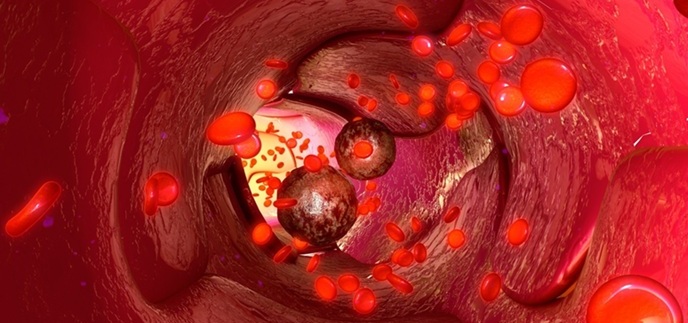
Image: Circulating tumor cells isolated from blood samples could help guide immunotherapy decisions (Photo courtesy of Shutterstock)

Blood Test Identifies Lung Cancer Patients Who Can Benefit from Immunotherapy Drug

Small cell lung cancer (SCLC) is an aggressive disease with limited treatment options, and even newly approved immunotherapies do not benefit all patients. While immunotherapy can extend survival for some,... Read more

Microbiology

view channel
Image: New evidence suggests that imbalances in the gut microbiome may contribute to the onset and progression of MCI and Alzheimer’s disease (Photo courtesy of Adobe Stock)

Comprehensive Review Identifies Gut Microbiome Signatures Associated With Alzheimer’s Disease

Alzheimer’s disease affects approximately 6.7 million people in the United States and nearly 50 million worldwide, yet early cognitive decline remains difficult to characterize. Increasing evidence suggests... Read more

Technology

view channel
Image: Vitestro has shared a detailed visual explanation of its Autonomous Robotic Phlebotomy Device (photo courtesy of Vitestro)

Robotic Technology Unveiled for Automated Diagnostic Blood Draws

Routine diagnostic blood collection is a high‑volume task that can strain staffing and introduce human‑dependent variability, with downstream implications for sample quality and patient experience.... Read more

Industry

view channel
Image: Roche’s cobas® Mass Spec solution enables fully automated mass spectrometry in routine clinical laboratories (Photo courtesy of Roche)

New Collaboration Brings Automated Mass Spectrometry to Routine Laboratory Testing

Mass spectrometry is a powerful analytical technique that identifies and quantifies molecules based on their mass and electrical charge. Its high selectivity, sensitivity, and accuracy make it indispensable... Read more